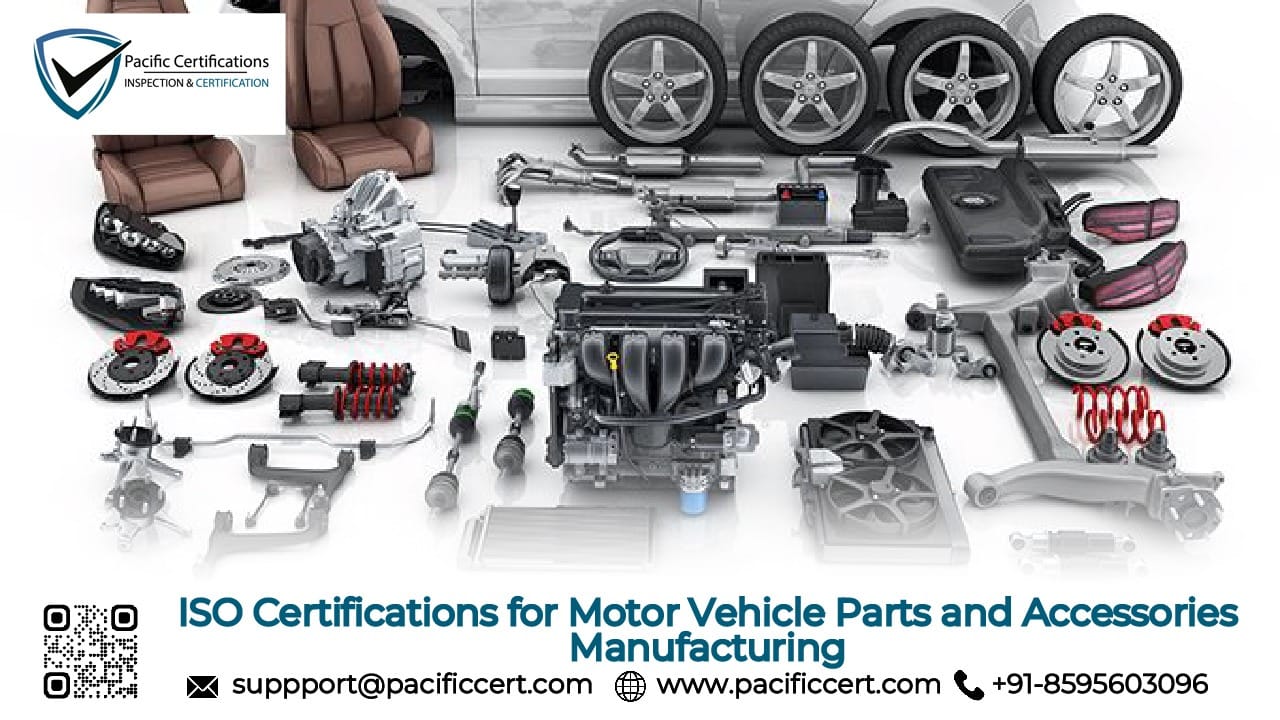
In the high-performance automotive sector, balancing innovation with strict adherence to the law is the primary challenge for manufacturers. Achieving consistent automotive regulatory compliance in aftermarket manufacturing requires more than just meeting production quotas; it demands a deep understanding of evolving environmental, safety, and material standards. As global oversight intensifies, aftermarket companies must navigate a complex web of requirements, ranging from the intricacies of automotive emissions compliance regulations to the rigid demands of noise pollution laws that dictate modern exhaust design. Failing to align with these benchmarks can lead to severe product liability issues, costly recalls, and significant reputational damage. In this guide, we explore the essential pillars of regulatory compliance, from supply chain transparency to the integration of robust quality management systems. Whether you are scaling your production capabilities or refining your development lifecycle, understanding these frameworks is critical to sustaining long-term growth and ensuring your parts meet the expectations of both regulators and performance-driven consumers.

1. Navigating the Legal and Safety Landscape of Automotive Regulatory Compliance in Aftermarket Manufacturing
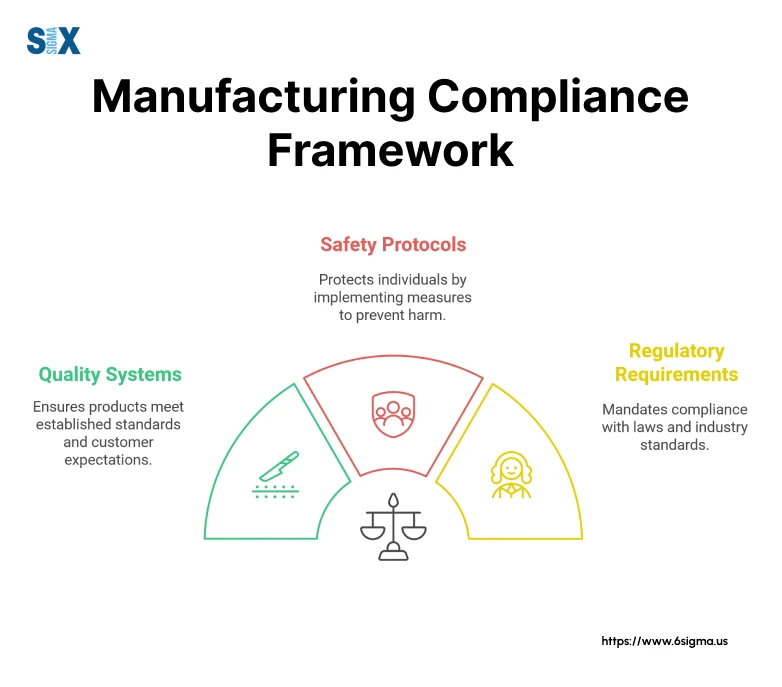
1.1 Federal Oversight and Performance Standards for Aftermarket Parts
1.1.1 The Role of NHTSA in Ensuring Safety for Non-OEM Components
The National Highway Traffic Safety Administration (NHTSA) serves as the primary federal authority governing vehicle safety. For aftermarket manufacturers, this means every component—from suspension kits to braking systems—must be designed without compromising the vehicle's original safety features. While manufacturers are not required to obtain pre-market approval for all aftermarket parts, they are legally obligated to ensure that their products do not render any safety-related device inoperative. Failure to adhere to these federal mandates can result in significant civil penalties and mandatory recall campaigns, which can be devastating for a brand's reputation and bottom line.
1.1.2 Adherence to Federal Motor Vehicle Safety Standards for Critical Systems
Manufacturers of critical systems, particularly those affecting steering, lighting, or braking, must demonstrate strict adherence to Federal Motor Vehicle Safety Standards (FMVSS). These standards provide the benchmark for performance and durability. When developing performance upgrades, engineers must conduct rigorous testing to prove that the aftermarket part matches or exceeds the safety margins established by the original equipment manufacturer (OEM). Documentation of these tests acts as a crucial defense in the event of an audit.
1.1.3 Mitigating Product Liability Risks Through Documentation and Testing
To minimize product liability, companies must implement a robust documentation strategy. This involves keeping detailed records of material specifications, stress test results, and real-world performance data. By maintaining high transparency regarding the intended use of a part, manufacturers can protect themselves against claims of negligence. Regularly reviewing global automotive aftermarket regulatory shifts ensures that your internal testing protocols remain aligned with the latest industry legal requirements.
1.2 Emissions Compliance and Environmental Regulations
1.2.1 Mastering the Clean Air Act and Anti-Tampering Provisions
The Clean Air Act is the cornerstone of environmental enforcement in the U.S. automotive sector. Its anti-tampering provisions strictly prohibit any modifications that bypass or disable emissions control systems. For aftermarket manufacturers, this necessitates a design philosophy that prioritizes emissions legality. Any part that affects a vehicle's engine management or exhaust flow must be engineered to maintain, rather than circumvent, these critical control systems.
1.2.2 Navigating California Air Resources Board Executive Order Requirements
The California Air Resources Board (CARB) sets the gold standard for emissions regulation in the United States. Obtaining a CARB Executive Order (EO) is often the most rigorous hurdle for performance parts. It requires extensive laboratory testing to prove that a product does not increase tailpipe emissions. Understanding the nuances of the JASMA compliance verification process changes can provide valuable insights for manufacturers looking to streamline their own certification paths, as these international standards often mirror the strict expectations of U.S. regulators.
1.2.3 Managing International Material Restrictions Including REACH and RoHS
Global manufacturers must look beyond U.S. borders to address international chemical restrictions like REACH (Registration, Evaluation, Authorisation and Restriction of Chemicals) and RoHS (Restriction of Hazardous Substances). These regulations mandate the removal or disclosure of toxic materials such as lead, mercury, and cadmium in all automotive components. Proactively auditing your bill of materials against these lists is essential for maintaining access to international markets and ensuring total environmental compliance.
1.3 Material Traceability and Supply Chain Transparency
1.3.1 Verifying Supplier Compliance Through Certificate Management
Supply chain transparency is no longer optional; it is a regulatory requirement. Manufacturers must secure certificates of compliance from all tier-two and tier-three suppliers. This ensures that every raw material, from specialty alloys used in exhaust systems to polymer coatings, meets established safety and environmental standards. A centralized certificate management system allows your team to quickly verify the origin and composition of every part.
1.3.2 Managing Restricted Substance Lists in Raw Material Sourcing
Maintaining a current Restricted Substance List (RSL) is critical for modern aftermarket manufacturing. This database tracks chemicals that are prohibited or restricted by law, preventing the accidental integration of non-compliant materials into your production line. Regular audits of your supply chain partners against this list help identify potential risks before they translate into legal liabilities or costly product recalls.
1.3.3 Implementing Digital Systems for Parts Traceability and Recalls
In the event of a manufacturing defect, the ability to perform a surgical, efficient recall is a legal requirement. Implementing digital traceability—where every batch of parts is indexed by material source, date of production, and final destination—transforms a potential PR nightmare into a manageable administrative task. Modernizing these digital tracking systems significantly improves trust with both regulators and consumers by demonstrating a high level of accountability.
2. Strategic Integration of Compliance Management Systems in Automotive Aftermarket Manufacturing
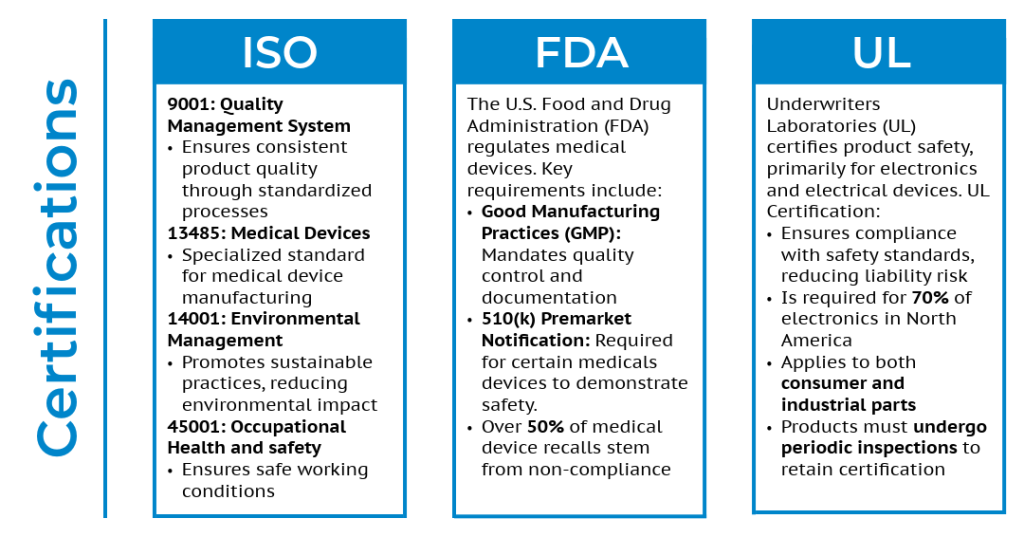
Achieving consistent compliance in the automotive aftermarket is no longer a task that can be managed through manual oversight or ad-hoc documentation. As the regulatory environment becomes more stringent, manufacturers must treat compliance as a core business function rather than a secondary operational hurdle. Building a proactive internal compliance framework is essential to mitigating risks, avoiding costly recalls, and maintaining market access.
2.1 Building a Proactive Internal Compliance Framework
2.1.1 Adopting IATF 16949 Standards for Consistent Manufacturing Quality
While IATF 16949 is fundamentally an automotive quality management standard, its emphasis on process consistency, risk management, and continuous improvement makes it an ideal backbone for regulatory compliance. By aligning production workflows with these rigorous global standards, aftermarket manufacturers create a repeatable system that documents every stage of part creation. This systematic approach ensures that products consistently meet performance benchmarks, significantly easing the burden of audits and verifying quality during [url=https://jasma.org/jasma-exhaust-system-durability-testing-standards-quality.html]JASMA exhaust system durability testing[/url].
2.1.2 Establishing Cross-Functional Teams for Regulatory Oversight
Regulatory compliance is a multidisciplinary challenge that touches engineering, procurement, legal, and marketing departments. A dedicated cross-functional team ensures that legislative requirements are understood at every level of the product development lifecycle. By breaking down silos, manufacturers can identify potential non-compliance issues—such as noise standard deviations or emission threshold risks—before a single unit hits the production floor.
2.1.3 Integrating Regulatory Checkpoints into the Product Development Lifecycle
Moving compliance "left" in the development cycle is the most effective way to avoid late-stage design changes. By implementing formal regulatory checkpoints at the concept, prototype, and pre-production stages, firms can ensure that every design iteration is mapped against relevant federal and state mandates. This proactive verification allows teams to pivot quickly if a design fails to meet evolving standards.
2.2 Adapting to Market Dynamics and Emerging Legislation
2.2.1 Addressing the Right to Repair Movement and Data Access Requirements
The Right to Repair movement is fundamentally changing how manufacturers interact with vehicle owners and software. As aftermarket components become more integrated with vehicle ECUs, manufacturers must ensure their products remain interoperable without violating anti-tampering provisions. Compliance today requires transparent documentation regarding how aftermarket parts communicate with onboard vehicle diagnostics.
2.2.2 Strategies for Monitoring Rapidly Changing Federal and State Mandates
Regulations governing automotive emissions compliance regulations are in a constant state of flux. To stay ahead, manufacturers must leverage automated tracking tools and engage with industry trade associations. Monitoring legislative dockets at both the federal level and through specific agencies like the California Air Resources Board (CARB) is critical for strategic product planning.
2.2.3 Developing Agile Response Frameworks for Regulatory Updates
When laws change, speed of implementation is a competitive advantage. Agile response frameworks involve pre-planned testing protocols and ready-to-deploy documentation templates. This allows manufacturers to update their technical files or adjust testing procedures without halting the production line, ensuring long-term continuity in a volatile regulatory climate.
2.3 Essential Frequently Asked Questions for Aftermarket Compliance
2.3.1 Clarifying the Impact of the Clean Air Act on Off-Road Performance Parts
The Clean Air Act’s anti-tampering provisions apply strictly to emission control systems on street-legal vehicles. While dedicated "race-only" parts may be exempt, the burden of proof rests on the manufacturer to demonstrate that these components cannot be reasonably installed on road-going vehicles. Improper marketing or documentation of these parts can lead to significant federal enforcement actions.
2.3.2 Understanding Penalties for NHTSA Reporting Failures
The National Highway Traffic Safety Administration (NHTSA) mandates rigorous reporting for any safety-related defects. Failure to submit timely recalls or provide accurate data regarding component failure rates can result in massive financial penalties and permanent damage to a brand's reputation. Transparency is not optional; it is a primary component of liability management.
2.3.3 Distinguishing Between Formal Pre-Approval and General Compliance Declarations
A General Compliance Declaration is an internal assertion of adherence, whereas Formal Pre-Approval—such as an Executive Order from CARB—is a verified authorization to sell a specific part. Relying on self-certification where formal pre-approval is required is a common cause of costly stop-sale orders in the aftermarket sector.
Achieving consistent automotive regulatory compliance in aftermarket manufacturing is no longer a peripheral concern; it is a fundamental pillar of operational longevity and brand reputation. As we have explored, the intersection of federal safety standards, rigorous emissions mandates, and evolving supply chain transparency creates a complex environment for manufacturers. Navigating this landscape requires more than just reactive fixes—it demands the proactive integration of robust management systems and a culture of accountability from the design phase through to final distribution.
By prioritizing documentation, staying ahead of legislative shifts like the right to repair, and ensuring adherence to stringent environmental protocols, companies can mitigate liability risks while fostering consumer trust. For those seeking to refine their internal standards, staying informed on current industry benchmarks, such as the evolving JASMA compliance verification process changes, is essential for maintaining a competitive edge. Ultimately, the manufacturers that treat compliance as a strategic asset rather than a regulatory hurdle are the ones best positioned to innovate and thrive in the modern automotive aftermarket. As regulations continue to tighten, maintaining transparency and engineering excellence remains your most reliable strategy for long-term success.