For automotive enthusiasts and vehicle owners, the landscape of vehicle modification is undergoing a significant transformation. A comprehensive regulatory shift in aftermarket emission testing is currently reshaping how performance parts are developed, installed, and inspected across the United States. As environmental standards tighten, the focus of enforcement agencies is moving away from traditional, isolated inspections toward a more integrated, digital oversight model. Understanding these changes is no longer optional; it is essential for anyone looking to maintain legal compliance while enjoying the benefits of upgraded vehicle performance.
In this guide, we will navigate the evolving complexities of modern compliance, from the transition toward continuous monitoring to the critical role of documentation in protecting your vehicle from registration blocks. Whether you are a daily driver or a fleet operator, staying ahead of these new exhaust emission testing protocols is the best way to safeguard your investment. We will break down the hierarchy of enforcement, identify the risks associated with non-compliant modifications, and provide actionable strategies to ensure your vehicle remains road-legal in an increasingly regulated environment.
1. Navigating the Regulatory Shift in Aftermarket Emission Testing and Compliance

1.1 Understanding the Transition from Static Testing to Continuous Monitoring
1.1.1 The decline of tailpipe-only testing in favor of On-Board Diagnostic (OBD) data polling
The traditional era of the "sniffer test"—where an inspector inserted a probe into the tailpipe to measure exhaust gas concentration—is rapidly fading. As modern engine management systems have become increasingly sophisticated, regulatory bodies have shifted their focus toward On-Board Diagnostic (OBD) data polling. Today, the primary indicator of a vehicle’s compliance is its ability to report "readiness monitors" directly from the Engine Control Unit (ECU). When a vehicle arrives for inspection, technicians now interface with the OBD port to verify that internal emissions systems are functioning as designed. This digital approach creates a definitive snapshot of health, making it much harder for non-compliant aftermarket modifications to pass unnoticed.
1.1.2 How real-time telematics and remote sensing are reshaping compliance cycles
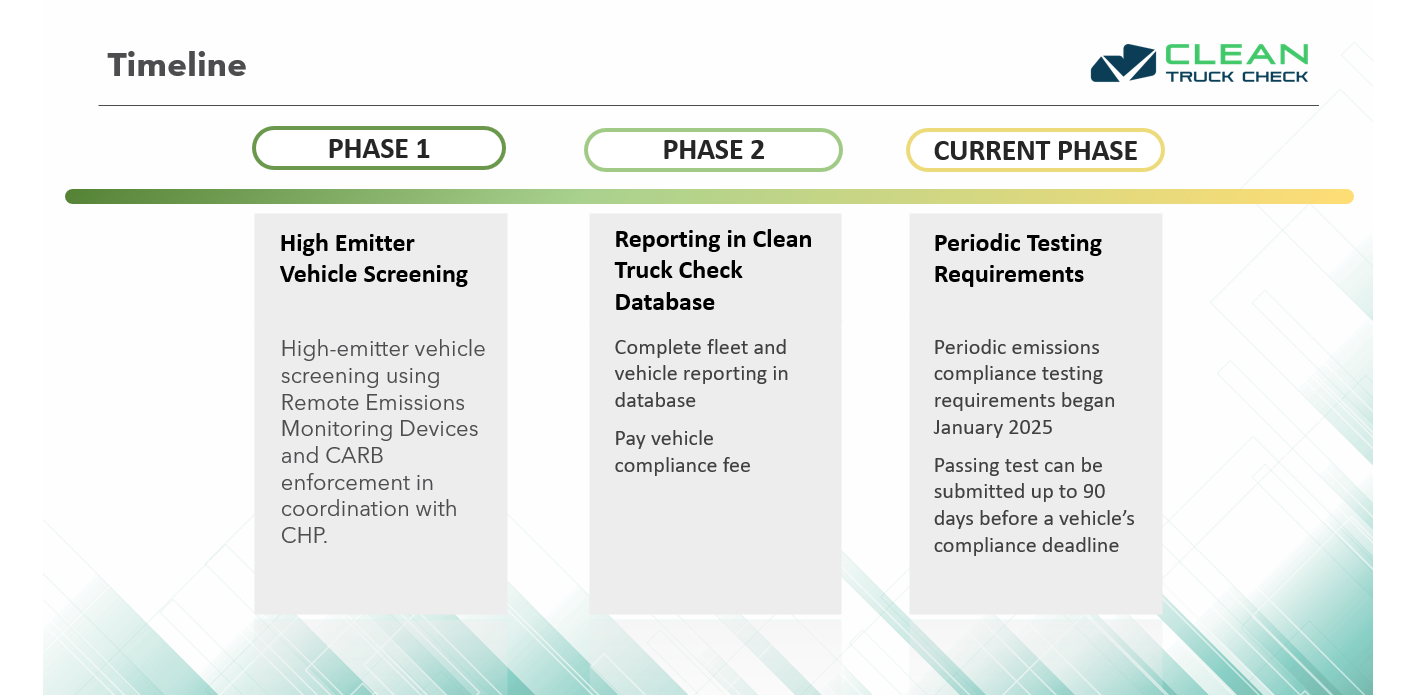
Beyond periodic inspections, the industry is seeing a move toward continuous monitoring through real-time telematics. Emerging remote sensing technology can now identify high-emitting vehicles as they drive past roadside sensors, effectively pulling them out of the standard compliance cycle. This proactive enforcement strategy means that vehicle owners can no longer rely on two-year windows between inspections to manage emissions health. For manufacturers and enthusiasts, this necessitates a deeper understanding of new exhaust emission testing protocols, as the tolerance for intermittent faults or "temporary" modifications that trip diagnostic codes is essentially zero.
1.2 The Hierarchy of Emission Authority and Enforcement
1.2.1 Federal EPA standards versus state-specific mandates under CARB
Navigating the regulatory landscape requires a clear distinction between federal guidelines and state-level mandates. While the Environmental Protection Agency (EPA) sets the baseline for federal clean air standards, the California Air Resources Board (CARB) has historically acted as the gold standard for stricter emissions oversight. Many other states have adopted these more rigorous CARB mandates, effectively expanding the reach of California-style regulations nationwide. This creates a complex patchwork where a part may be legal in one jurisdiction but considered a major liability in another.
1.2.2 Deciphering the role of the Bureau of Automotive Repair in regional enforcement
The Bureau of Automotive Repair (BAR) serves as the primary enforcement arm for regional compliance. BAR oversees the certification of smog check stations and ensures that technicians are properly trained to spot illegal modifications. Their role has expanded beyond simple oversight to include targeted investigations into aftermarket retail practices. If an aftermarket part is found to cause a vehicle to fail inspection or trigger a check-engine light, the BAR’s involvement can lead to mandatory repair orders or registration blocks for the vehicle owner, emphasizing why automotive regulatory compliance in aftermarket manufacturing is a critical safety net for the consumer.
1.3 Essential Documentation for Aftermarket Parts Manufacturers and Consumers
1.3.1 Defining CARB Executive Orders and their necessity for legal street use
For street-legal modifications, the CARB Executive Order (EO) is the most critical document. An EO serves as official verification that a specific aftermarket part has been tested and found not to increase emissions beyond the vehicle’s original certified configuration. Without this documentation, any exhaust or intake modification is technically classified as "off-road use only." Consumers must insist on viewing the specific EO number associated with their components before installation, as this is the only proof of compliance that inspectors will accept during an audit.
1.3.2 The relationship between Emissions Warranty Information Reporting and component liability
Emissions Warranty Information Reporting (EWIR) is another layer of accountability that connects manufacturers to their products. When an aftermarket component is installed, it can potentially void the original factory emissions warranty. However, manufacturers that adhere to strict testing standards often provide their own warranty documentation, which can protect the consumer if a part fails prematurely. Understanding these legal liabilities is vital, as the responsibility for a failed inspection often shifts from the vehicle owner to the manufacturer if the product was installed according to authorized guidelines.
1.4 Risk Mitigation for Fleet Operators and Vehicle Owners
1.4.1 Navigating the financial impact of registration blocks and mandatory recalls
The consequences of failing to meet modern emission standards are no longer limited to a simple re-test fee. Many states have implemented automated registration blocks, which prevent owners from renewing their license plates if their vehicle’s OBD system reports non-compliance. For fleet operators, this can mean significant downtime and financial loss. Furthermore, in cases where non-compliant parts are found to be widespread, regulators may issue mandatory recalls, forcing owners to revert to stock equipment at their own expense.
1.4.2 Strategies for identifying and avoiding high-risk aftermarket modifications that trigger diagnostic trouble codes
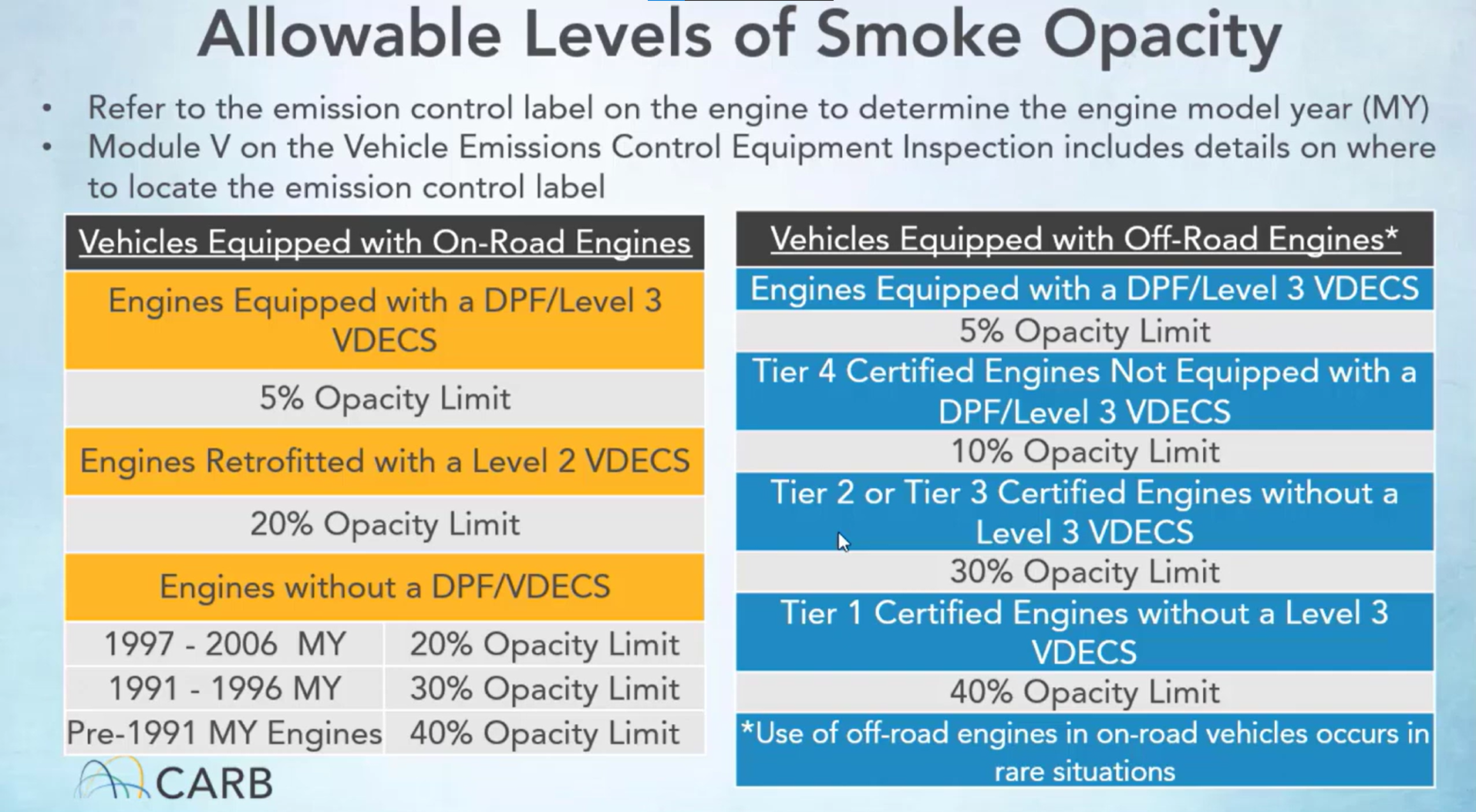
To stay ahead of the curve, owners must prioritize parts that are designed for compatibility with factory sensors. High-risk modifications—such as removing catalytic converters or installing unmapped turbo components—almost invariably trigger diagnostic trouble codes (DTCs). Effective risk mitigation involves vetting suppliers who provide JASMA certification policy updates to ensure the hardware is engineered to work within the vehicle's original logic parameters. By opting for components that maintain proper backpressure and sensor signals, owners can ensure their vehicles remain compliant while still enjoying the benefits of performance enhancements.
2. Operational Best Practices for Managing the Regulatory Shift in Aftermarket Emission Testing
2.1 Proactive Compliance Auditing for Light and Heavy Duty Fleets
2.1.1 Establishing internal schedules for diagnostic reviews and emission health checks
In an era of increasingly stringent automotive regulatory compliance in aftermarket manufacturing, fleet operators can no longer rely on sporadic inspection cycles. Transitioning to a proactive maintenance model is essential for both light and heavy-duty vehicles. By scheduling routine diagnostic reviews—distinct from state-mandated inspections—managers can identify potential issues before they trigger a check engine light or a failure during an OBD data poll. These internal health checks should focus on monitoring sensor trim values and catalytic converter efficiency, ensuring the vehicle's emissions control systems are performing within the manufacturer's original design parameters.
2.1.2 Vetting aftermarket suppliers based on rigorous certification and testing standards
The integrity of your fleet depends heavily on the components you install. When procuring parts, prioritize suppliers who provide transparent, third-party verified data. Understanding the nuances of JASMA certification policy updates can serve as a benchmark for evaluating supplier quality, even if your specific region follows different guidelines. By choosing manufacturers that adhere to strict testing protocols, you reduce the risk of integrating components that fail to communicate correctly with the vehicle's ECU, which often leads to costly diagnostic trouble codes and failed compliance screenings.
2.2 Mitigating Liability Through Proper Maintenance Documentation
2.2.1 Building a defensible paper trail for parts installation and service history
A comprehensive maintenance log is your first line of defense during a regulatory audit. Maintain a chronological record that includes part numbers, installation dates, and, crucially, copies of the relevant CARB Executive Orders for every modified component. If a vehicle undergoes a review, having a clean, accessible paper trail proves that all aftermarket modifications were performed with compliant hardware. This documentation should also note the specific professional shop or technician who performed the install, adding a layer of accountability that simplifies the resolution of potential compliance disputes.
2.2.2 Leveraging digital logs to demonstrate regulatory adherence during state inspections
Modern enforcement often relies on centralized databases. Maintaining digital maintenance logs that sync with fleet management software allows for seamless reporting. This technology makes it easier to verify that your vehicles are meeting new exhaust emission testing protocols by providing an immediate, verifiable history of emissions-related services. Digital logs also help prevent administrative oversights, such as missing an inspection deadline or failing to clear a maintenance code that could lead to an automated registration block.
2.3 Addressing Future Emission Standards and Technological Advancements
2.3.1 Anticipating the integration of advanced sensor-based tracking in future vehicle models
As vehicle technology evolves, expect to see more sophisticated, real-time telematics integrated into factory systems. These sensors will eventually make it impossible to mask non-compliant parts through software tuning. Staying ahead of this trend requires a mindset shift toward prioritizing hardware that integrates harmoniously with OEM diagnostic systems. For those managing performance vehicles, focusing on components designed for airflow optimization while maintaining factory-spec sensor readings is the most sustainable path forward.
2.3.2 Preparing for tightening requirements in non-CARB states adopting progressive emission protocols
Even in jurisdictions that have historically maintained more relaxed standards, the regulatory landscape is shifting. Many states are currently evaluating or adopting protocols that mirror CARB standards to keep pace with federal mandates. Business owners should prepare for these inevitable updates by standardizing their fleets to the highest current requirements. By investing in automotive regulatory compliance in aftermarket manufacturing, you future-proof your assets against regional policy changes that could otherwise mandate expensive retrofits or forced retirement of your vehicles.
2.4 Frequently Asked Questions Regarding Aftermarket Emission Compliance
2.4.1 Differentiating between emissions-compliant parts and off-road-only components
It is vital to distinguish between parts labeled for street use and those strictly intended for off-road or track environments. Street-legal parts generally possess an Executive Order (EO) number or a manufacturer's certification of compliance. Off-road-only components lack these, and installing them on a vehicle driven on public roads is a violation of federal emission laws. Always verify the legal status of a part before purchase to avoid significant penalties.
2.4.2 Remediation steps for vehicles failing inspections due to aftermarket part integration
If a vehicle fails a test, the first step is to pull the specific diagnostic trouble code to determine if the issue is a genuine mechanical fault or a communication error caused by the aftermarket part. If the part is the culprit, you must verify its compliance status. If it is non-compliant, you will need to revert to a factory-approved component or replace the aftermarket part with an EO-certified alternative. Once the appropriate hardware is installed, perform a drive cycle as specified by the vehicle manufacturer to reset the OBD monitors before attempting a re-test.
The regulatory shift in aftermarket emission testing represents a fundamental change in how we balance automotive performance with environmental responsibility. As legislative bodies move toward stricter continuous monitoring and real-time diagnostic reporting, the era of relying solely on periodic, static tailpipe inspections is drawing to a close. For enthusiasts and industry professionals alike, navigating this landscape requires more than just mechanical knowledge—it demands a commitment to regulatory transparency and a proactive approach to compliance documentation.
By prioritizing components that adhere to recognized standards, such as those discussed in our guide on automotive regulatory compliance in aftermarket manufacturing, vehicle owners can protect their investments while avoiding the pitfalls of mandatory recalls or registration blocks. Staying ahead of these shifts is the most effective way to ensure your vehicle remains road-legal without sacrificing the performance gains you desire. As testing protocols continue to evolve, keeping your service records organized and your diagnostic health in check will remain your best defense. We encourage you to consult with certified professionals to ensure every modification aligns with current regional mandates, keeping both your car and your conscience clear on the open road.