Modern vehicles have evolved from simple mechanical machines into sophisticated, interconnected hubs of technology. One of the most significant leaps in this evolution is the integration of advanced acoustic monitoring technology in modern vehicles. This innovation is not merely about enhancing the audio quality of a premium sound system; it represents a fundamental shift in how cars interact with their environment. From ensuring compliance with increasingly strict automotive exhaust noise regulation trends to providing critical safety features that protect both passengers and pedestrians, acoustic monitoring is becoming a backbone of automotive engineering. As regulatory bodies push for quieter cities and safer roads, understanding how these systems operate is essential for manufacturers, aftermarket enthusiasts, and everyday drivers alike. In this article, we will explore the engineering behind these acoustic systems, the impact of current noise pollution legislation, and how AI-driven predictive intelligence is set to define the future of sound management in the automotive landscape.

1. Mechanics and Engineering of Advanced Acoustic Monitoring Technology in Modern Vehicles
1.1 Foundational Hardware and Sensor Integration
1.1.1 Micro-Electro-Mechanical Systems (MEMS) Microphones and Exterior Transducers
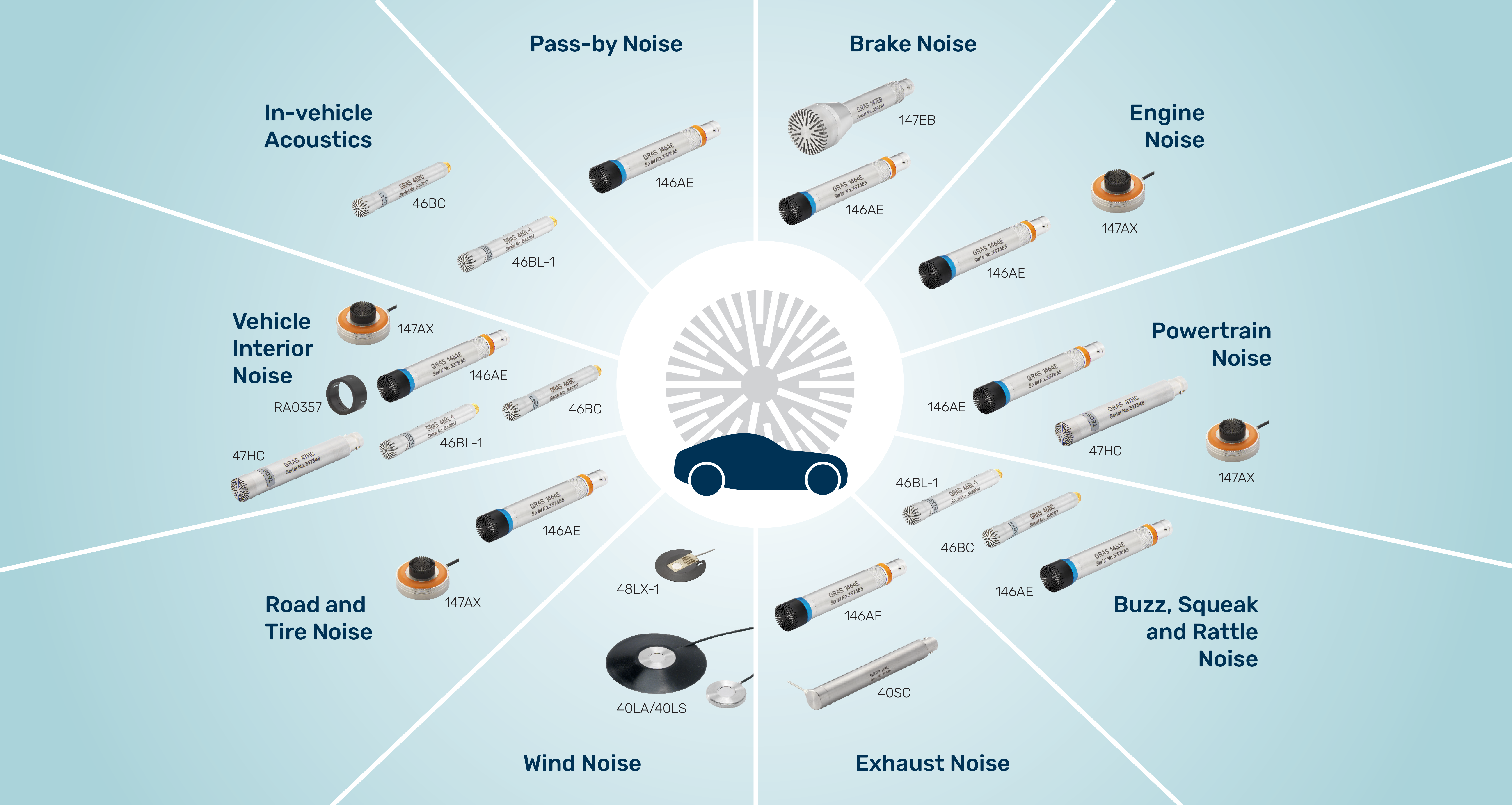
The backbone of modern acoustic monitoring lies in the deployment of high-sensitivity MEMS microphones. Unlike traditional electret microphones, MEMS technology offers superior thermal stability and miniaturized footprints, allowing engineers to embed sensors directly into chassis panels, wheel wells, and exhaust proximity zones. These exterior transducers act as the ears of the vehicle, capturing raw acoustic data across a wide frequency spectrum. By placing these sensors strategically, manufacturers can isolate mechanical vibrations from ambient road noise, providing a precise, real-time map of the vehicle’s sound signature.
1.1.2 High-Fidelity Signal Processing Units and Algorithm Integration
Raw acoustic data is only as valuable as the processing power behind it. Modern signal processing units utilize sophisticated digital signal processing (DSP) chips that analyze input from MEMS arrays in milliseconds. These systems run complex algorithms designed to categorize sounds—differentiating between the harmonic signature of a healthy combustion cycle and the erratic frequency spikes associated with component failure. This integration is critical for meeting automotive exhaust noise regulation trends, as it allows vehicles to monitor their own decibel output in real-time, ensuring compliance even as components age or wear.
1.1.3 Vibration-Dampening Materials and Acoustic Lamination Techniques
Hardware isn't limited to digital monitoring; physical sound management is equally vital. Advanced acoustic lamination techniques involve layering viscoelastic materials between metal panels to absorb structure-borne noise. When combined with smart sensors, these materials can be tuned to dampen specific resonant frequencies, effectively quieting the cabin without significantly increasing vehicle weight. This passive layer creates the necessary baseline of silence, allowing active monitoring systems to operate with higher accuracy and less background interference.
1.2 Active Sound Management Systems
1.2.1 Active Noise Cancellation (ANC) for Cabin Serenity
Active Noise Cancellation (ANC) has evolved from a luxury feature to a standard tool for acoustic comfort. By generating an anti-phase sound wave through the vehicle’s audio speakers, the system effectively cancels out low-frequency engine and tire drone. This creates a "silent" cabin environment, which not only improves passenger comfort but also lowers the threshold required for high-fidelity audio systems to perform optimally.
1.2.2 Engine Order Cancellation and Road Noise Mitigation
Engine order cancellation is a specialized branch of ANC that targets specific frequencies tied to the engine's RPM. By syncopating the anti-noise signals with the engine’s firing order, the system can neutralize intrusive harmonic vibrations at their source. Simultaneously, road noise mitigation systems process input from sensors near the suspension and tires to counteract the specific frequencies generated by tire-to-pavement contact, regardless of surface texture.
1.2.3 Creating Personalized Acoustic Zones for Passenger Comfort
Advanced acoustic engineering now allows for localized sound fields within the vehicle. By using directional speakers integrated into headrests and ceiling panels, passengers can experience different audio environments. This technology allows for personalized comfort, where one occupant can enjoy isolation from traffic noise while another listens to media, all managed by the central acoustic monitoring network to ensure overlapping waves do not negate the desired effects.
1.3 Challenges in Balancing Silence and Auditory Feedback
1.3.1 Filtering Environmental Wind Noise vs. Critical Mechanical Hazards
One of the primary engineering challenges is the signal-to-noise ratio in high-speed scenarios. As vehicle speeds increase, wind noise becomes a dominant acoustic factor that can mask the faint signatures of mechanical issues, such as a failing bearing or a loose heat shield. Developing algorithms capable of filtering out wide-band wind turbulence while identifying narrow-band mechanical warnings remains a high priority for automotive engineers.
1.3.2 Ensuring Emergency Siren Detection in Sound-Isolated Cabins
As vehicles become increasingly insulated, there is a risk of isolating drivers from essential external cues. Advanced monitoring technology must include "siren detection" modules that prioritize specific frequency ranges associated with emergency vehicles. When detected, the system can temporarily reduce the intensity of ANC or alert the driver via visual or haptic feedback, ensuring that the push for cabin serenity does not compromise public safety or regulatory requirements.
2. Safety Regulations and Future Innovations in Automotive Acoustic Systems

2.1 Enhancing Pedestrian Safety and Regulatory Compliance
As the automotive landscape shifts toward electrification, the reliance on mechanical noise for pedestrian awareness is rapidly disappearing. This transition necessitates the adoption of advanced acoustic monitoring technology in modern vehicles to ensure that quiet, low-emission engines do not pose a hidden threat to vulnerable road users.
2.1.1 The Role of Acoustic Vehicle Alerting Systems (AVAS) in Electric Vehicles
Acoustic Vehicle Alerting Systems (AVAS) have become a standard requirement for electric and hybrid vehicles traveling at low speeds. These systems generate synthesized sound profiles that mimic traditional engine noise to alert pedestrians of a vehicle's approach. By integrating exterior-facing transducers, manufacturers can now project sound with precision, ensuring that the warning signal is perceptible without contributing to overall urban noise pollution.
2.1.2 Meeting Global Standards for Blind and Visually Impaired Pedestrian Protection
Regulatory bodies worldwide have established rigorous mandates for sound levels and frequency ranges to protect the visually impaired. Engineers must balance these requirements with the need for a pleasant cabin environment. This involves sophisticated tuning to ensure that while the exterior sound effectively alerts those nearby, it does not create a nuisance for the driver or passengers inside the cabin.
2.1.3 The Evolution from Static Warning Sounds to Adaptive Frequency Alerts
Modern innovation is moving away from static, repetitive sounds toward adaptive frequency alerts. These systems utilize real-time data to adjust the pitch, volume, and modulation of the alert based on vehicle speed, ambient traffic noise, and the proximity of detected pedestrians. This dynamic approach ensures that the vehicle remains audible in busy city environments while minimizing unnecessary sound during quiet residential hours.
2.2 The Next Frontier of Predictive Acoustic Intelligence
The integration of artificial intelligence with acoustic sensors is transforming how vehicles interact with their surroundings, moving beyond simple noise management into the realm of predictive safety.
2.2.1 AI-Driven Environmental Awareness for Collision Avoidance
Advanced acoustic sensors now function as a secondary perception layer, working alongside cameras and LiDAR. By identifying the specific acoustic signatures of sirens, honking, or even the sound of sliding tires, the vehicle's AI can proactively prepare braking systems or suggest evasive maneuvers, enhancing overall situational awareness. Understanding how these systems integrate with broader automotive exhaust noise regulation trends is vital for manufacturers navigating the intersection of safety and compliance.
2.2.2 Acoustic Pattern Recognition for Autonomous Parking and Navigation
In autonomous driving, acoustic pattern recognition serves as a vital tool for environmental mapping. By analyzing the sound reflections within a parking structure or a narrow alleyway, the vehicle can verify obstacles that might be visually obstructed. This acoustic echo-location helps in precise navigation and obstacle avoidance where visual sensors might struggle due to lighting or environmental conditions.
2.2.3 Predictive Analytics for Real-Time Mechanical Fault Detection
Acoustic monitoring is increasingly being used for predictive maintenance. By constantly "listening" to the engine, transmission, and suspension systems, onboard algorithms can detect subtle shifts in harmonic vibrations that indicate wear or impending mechanical failure. This allows for proactive repairs before a fault causes a safety issue on the road, effectively turning the vehicle's acoustic system into a diagnostic tool that preserves both performance and reliability.
The integration of advanced acoustic monitoring technology in modern vehicles marks a significant pivot in how manufacturers and regulators address the intersection of performance, safety, and environmental responsibility. As we have explored, the evolution from basic sound dampening to sophisticated, AI-driven active management systems is not merely a luxury feature; it is a vital component of meeting modern noise pollution standards and enhancing the overall passenger experience. By leveraging MEMS sensors and real-time algorithmic processing, today's vehicles can balance the desire for auditory feedback with the necessity of cabin silence and external safety compliance.
As the industry continues to evolve, staying informed about the future of ICE vehicle sound regulations will be essential for enthusiasts, manufacturers, and aftermarket providers alike. The shift toward predictive acoustic intelligence and adaptive warning sounds ensures that the vehicles of tomorrow will be quieter and safer, even as they retain the mechanical character that enthusiasts value. For those navigating the complexities of modifications, understanding these technological trends is the best way to ensure long-term compliance and performance. We encourage you to keep a close watch on these regulatory landscapes, as the transition toward smarter, sound-aware automotive design is only beginning to reshape our daily driving experience.