For automotive enthusiasts, the visceral roar of an engine is more than just noise—it is the signature of performance and mechanical soul. However, the future of ICE vehicle sound regulations is shifting the landscape for both manufacturers and aftermarket tuners. As urban areas implement stricter acoustic requirements and global environmental mandates push for quieter operation, the traditional “sound of power” is facing unprecedented scrutiny. These changes are not merely about curbing noise pollution; they represent a fundamental evolution in how we define the character of the internal combustion engine.
In this guide, we explore how evolving legal frameworks are reshaping engine design, exhaust technology, and the enthusiast experience. You will learn how shifting global standards, such as those impacting the impact of noise pollution laws on aftermarket exhaust systems, are forcing a balance between performance, legal compliance, and the preservation of automotive identity. We also look ahead at how innovation in active valve systems and alternative fuels will dictate the next chapter of combustion performance.
1. Regulatory Frameworks and the Future of ICE Vehicle Sound Regulations

1.1 Current Legal Standards for Automotive Noise Emissions
1.1.1 Understanding FMVSS 141 and Federal Pass-By Noise Limits
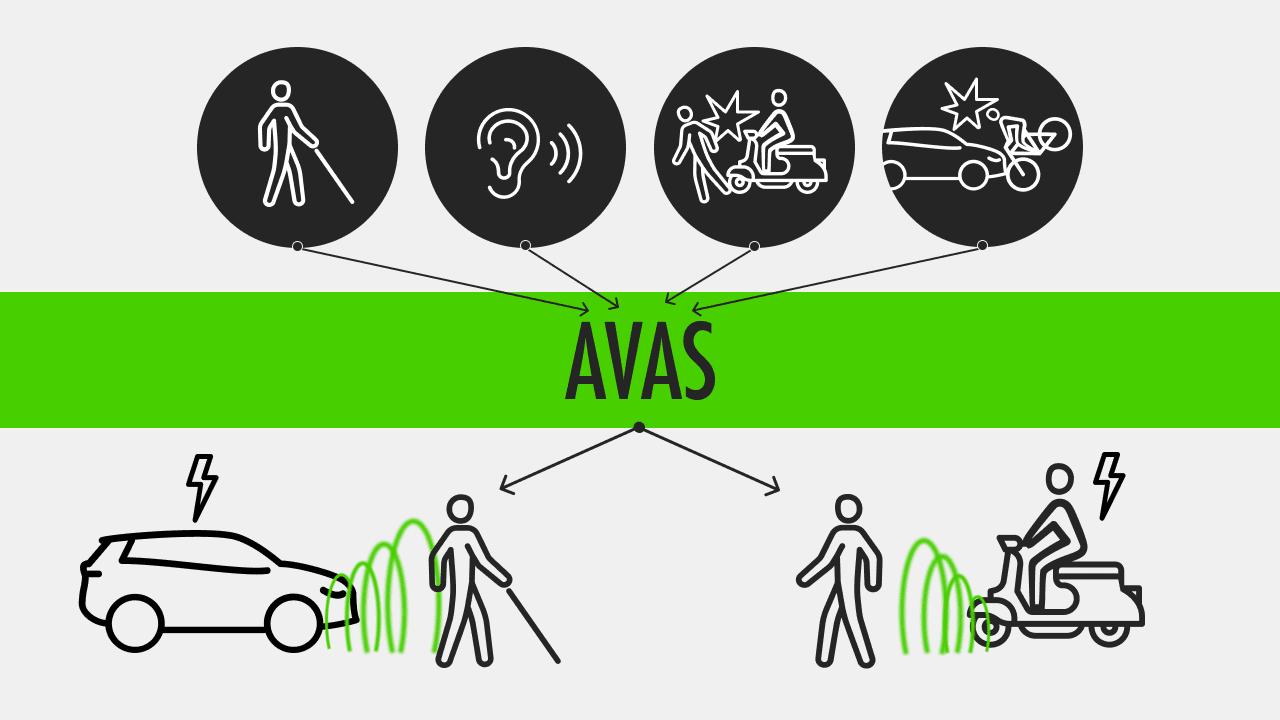
In the United States, the legal landscape surrounding vehicle acoustics is primarily governed by a mix of federal safety mandates and established testing protocols. While enthusiasts often focus on engine output, Federal Motor Vehicle Safety Standard (FMVSS) 141 serves as a critical baseline, primarily focusing on minimum sound requirements for electric and hybrid vehicles to ensure pedestrian safety. However, for internal combustion engine (ICE) vehicles, the focus shifts toward pass-by noise limits established by the Environmental Protection Agency (EPA). These regulations measure the decibel levels a vehicle emits during standardized acceleration sequences, ensuring that mass-market production vehicles remain within acceptable environmental thresholds. For those looking to understand the broader context of these rules, reviewing global automotive exhaust emission policy shifts and trends provides essential insight into how these domestic standards mirror international pressures.
1.1.2 The Impact of UNECE and International Standards on U.S. Manufacturing
U.S. automotive manufacturers increasingly align their engineering processes with United Nations Economic Commission for Europe (UNECE) standards, particularly R51.03. This harmonization simplifies global vehicle platforms, meaning that many cars sold stateside are built to satisfy the stringent decibel ceilings common in European and Asian markets. As global noise pollution laws become more sophisticated, the impact of these mandates on aftermarket exhaust design has been profound, forcing manufacturers to move away from purely “raw” sound profiles in favor of sophisticated acoustic engineering that meets international certification criteria.
1.2 The Shift Toward Acoustic Standardization
1.2.1 Balancing Pedestrian Safety Mandates with Engine Identity
The transition toward electrification has created a unique challenge: maintaining the “soul” of an ICE vehicle while complying with new sound mandates. Engineers are now tasked with the delicate balance of suppressing intrusive, high-frequency resonance while preserving the mid-range harmonics that define an engine’s character. This shift has necessitated a new approach to resonator and muffler design, where the goal is to filter out harsh decibels without creating a sterile, muted driving experience.
1.2.2 Anticipating Stricter Decibel Ceilings for Next-Generation ICE Engines
Future regulations are expected to move beyond simple pass-by testing. Industry observers anticipate the implementation of real-world drive-cycle monitoring, where vehicles must adhere to noise limits under varying load conditions, not just laboratory-controlled acceleration. This transition will likely force the aftermarket industry to adopt more rigorous testing protocols to ensure that high-performance components remain compliant with evolving legal standards.
1.3 Navigating Enforcement and Compliance
1.3.1 The Role of EPA and CARB in Acoustic Oversight
While the EPA oversees federal noise regulations, the California Air Resources Board (CARB) often drives the most aggressive enforcement strategies. Their oversight goes beyond mere emissions to include how exhaust modifications alter the acoustic footprint of a vehicle. For owners of modified vehicles, this means that compliance is no longer just about passing an emissions test; it involves ensuring that any performance hardware—such as high-flow mufflers or custom headers—does not push the vehicle’s acoustic signature beyond the legal threshold defined for its model year.
1.3.2 Distinguishing Between Federal Emissions Compliance and Local Noise Ordinances
It is vital for enthusiasts to recognize the distinction between federal regulatory compliance and local noise ordinances. A vehicle may be fully compliant with EPA standards yet still face citations under local municipal “fix-it” tickets or noise abatement laws. Understanding the difference between equipment legality and operational noise limits is the most effective way to navigate the future of the automotive performance landscape without compromising on vehicle identity or legal standing.
2. Technological Innovation and the Future of ICE Vehicle Sound Regulations in the Aftermarket

2.1 Engineering the Next Generation of Exhaust Systems
2.1.1 Advanced Active Valve Systems for Dynamic Sound Profiles
The future of ICE performance component markets relies heavily on the evolution of active valve technology. As regulations tighten, engineers are moving away from fixed-geometry exhausts toward sophisticated, computer-controlled valving. These systems allow a vehicle to remain whisper-quiet during low-load urban driving—satisfying strict decibel monitoring systems—while opening up to provide a resonant, performance-oriented tone under heavy throttle. By dynamically adjusting the exhaust path based on real-time data, manufacturers can ensure compliance without sacrificing the visceral feedback that enthusiasts demand.
2.1.2 Integrating Synthetic Enhancement with Mechanical Combustion Tones
When mechanical noise reduction becomes too restrictive to satisfy the character of a performance engine, the industry is increasingly looking at synthetic enhancement. This involves augmenting the natural engine note with interior or exterior speaker-based systems. While this may seem controversial to purists, it allows for the “signature sound” of an engine to be maintained even as physical muffler volume and flow restrictors increase to meet modern noise pollution laws. The goal is a hybrid experience where the mechanical combustion note remains the foundation, supplemented by precise audio cues that comply with federal standards.
2.2 The Intersection of Alternative Fuels and Acoustic Signatures
2.2.1 How Hydrogen Combustion Changes the Harmonic Spectrum
Hydrogen combustion represents a fascinating frontier for acoustic engineering. Because hydrogen burns much faster than traditional gasoline, the resulting pressure waves in the combustion chamber—and subsequently the exhaust pulses—are significantly different. This creates a higher, more staccato harmonic spectrum compared to the traditional low-frequency rumble of a gasoline engine. Developing exhaust systems for these engines requires a fundamental rethink of resonator design, as the acoustic frequency is shifted into a range that current mufflers were not designed to dampen.
2.2.2 E-fuels and Their Impact on Traditional Engine Resonance
E-fuels offer a lifeline for the traditional internal combustion engine, providing a near-carbon-neutral solution that works with current hardware. From an acoustic standpoint, e-fuels are largely chemically similar to premium gasoline, meaning the classic engine resonance is preserved. However, the regulatory focus remains on the total sound power level. As manufacturers pivot toward these fuels, the focus of aftermarket development is shifting toward high-flow catalytic converters that clean the exhaust gases without muffling the distinct mechanical character that enthusiasts associate with internal combustion. You can learn more about how high-flow catalytic converter performance metrics are changing to adapt to these new environmental requirements.
2.3 The Future of Automotive Enthusiast Culture
2.3.1 Adapting Aftermarket Modification Practices to Modern Sound Legislation
The culture of modification is maturing. Rather than pursuing the loudest possible exhaust, the modern enthusiast is focusing on “tuned” sound quality. Compliance with JASMA certification policy updates has become a badge of honor, signaling that a performance part has been engineered to meet stringent acoustic and environmental standards. This shift is essential for the long-term survival of the aftermarket sector, as it demonstrates a proactive effort to align with societal noise reduction goals.
2.3.2 Preservation of ICE Identity in a Rapidly Electrifying Landscape
As the automotive landscape electrifies, the “sound” of an ICE vehicle becomes its defining feature. Preservation efforts are now focused on modular exhaust designs that can be fine-tuned to be legally compliant for daily commuting while offering a unique, performance-oriented voice for track use. This modularity ensures that the emotional connection between driver and machine persists, even under the weight of stricter legislation.
2.3.3 Best Practices for Balancing Street-Legal Compliance with Performance Upgrades
Achieving the balance between performance and legality is no longer an afterthought. Enthusiasts are encouraged to invest in certified systems that prioritize flow dynamics and structural integrity. By selecting components that adhere to recognized acoustic standards, drivers can enjoy increased horsepower and improved throttle response without the risk of legal complications from excessive noise violations. The key is to prioritize systems that have undergone rigorous testing to ensure they stay within the legal noise ceilings while optimizing the engine’s harmonic output.
The landscape of automotive sound is clearly shifting, moving away from the unbridled acoustic freedom of the past toward a future defined by precision, responsibility, and technological integration. As we have explored, the future of ICE vehicle sound regulations is not necessarily the death knell for the combustion engine, but rather a catalyst for smarter engineering. By embracing advanced valve systems and adhering to evolving standards, the automotive community can continue to celebrate the unique character of internal combustion while respecting the necessity of noise pollution control.
For enthusiasts and aftermarket builders, the path forward requires a shift in perspective. Compliance is no longer an afterthought; it is a critical component of design. Whether you are looking to refine your vehicle’s exhaust note or ensure your next upgrade remains street-legal, staying informed on current automotive exhaust industry legislation updates is essential for preserving the hobby we love. By prioritizing quality, certification, and intentional engineering, you can balance the visceral experience of a high-performance exhaust with the modern standards expected on public roads. The future remains loud and proud, provided we listen to the rules as carefully as we listen to our engines.