The global automotive industry is undergoing its most significant transformation in a century, forcing a complete re-evaluation of legacy components. As manufacturers pivot toward battery-electric vehicle (BEV) platforms, the impact of electrification on exhaust manufacturing has become a focal point for Tier 1 and Tier 2 suppliers. Once a cornerstone of automotive performance, the traditional exhaust system is no longer the default requirement for modern vehicle architecture. This shift requires more than just a reduction in production volume; it demands a fundamental pivot in engineering focus, material application, and supply chain strategy.
In this article, we explore how the industry is adapting to a post-combustion landscape. You will learn about the strategic challenges facing legacy manufacturers, the technological innovations driving the adoption of new, lightweight materials, and how firms are repurposing precision metal-forming expertise for electric vehicle integration. Whether you are navigating the transition of your own production lines or monitoring the future of ICE performance component markets, understanding these trends is essential for maintaining a competitive edge in an increasingly electrified global automotive market.
1. Strategic Challenges and the Impact of Electrification on Exhaust Manufacturing
1.1 Analyzing the Decline of Traditional Combustion Components
1.1.1 Shrinking Global Market Share for Internal Combustion Engine Exhaust Systems
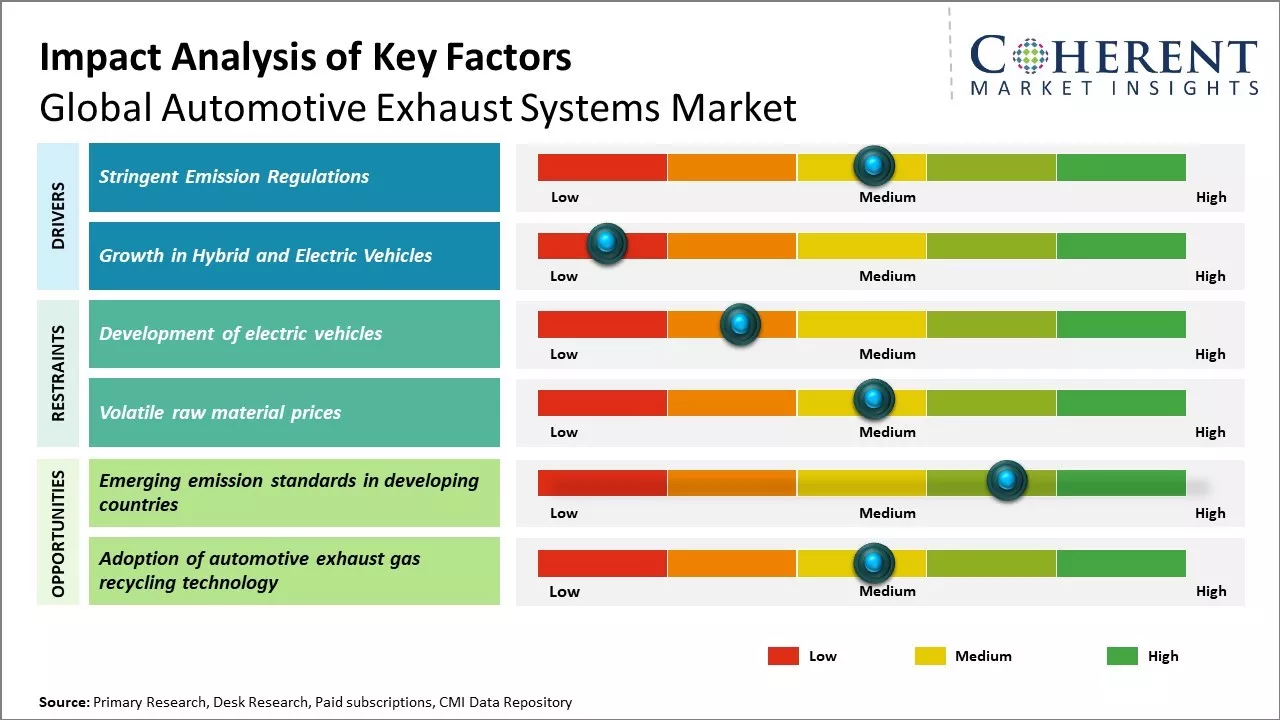
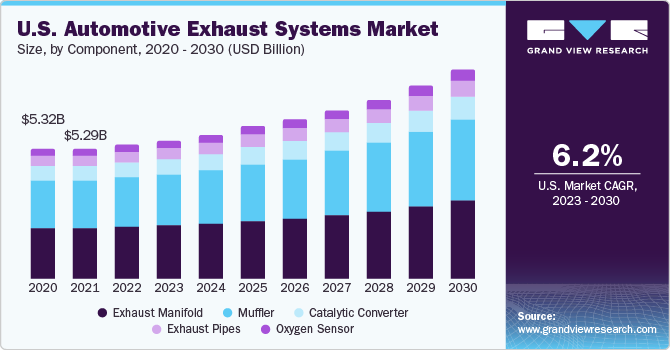
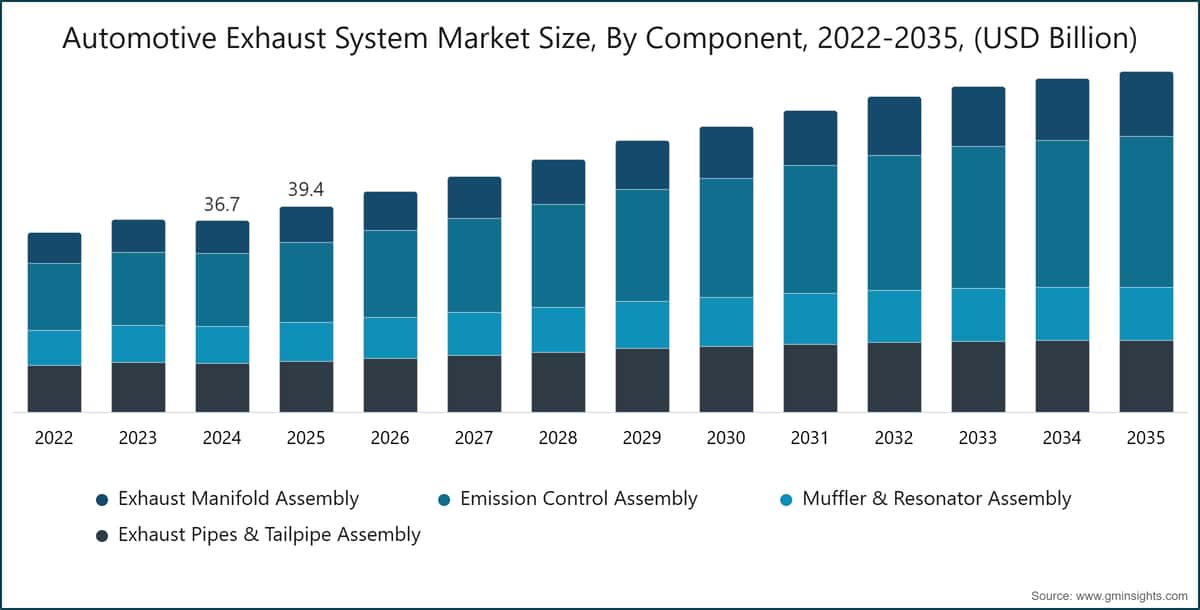
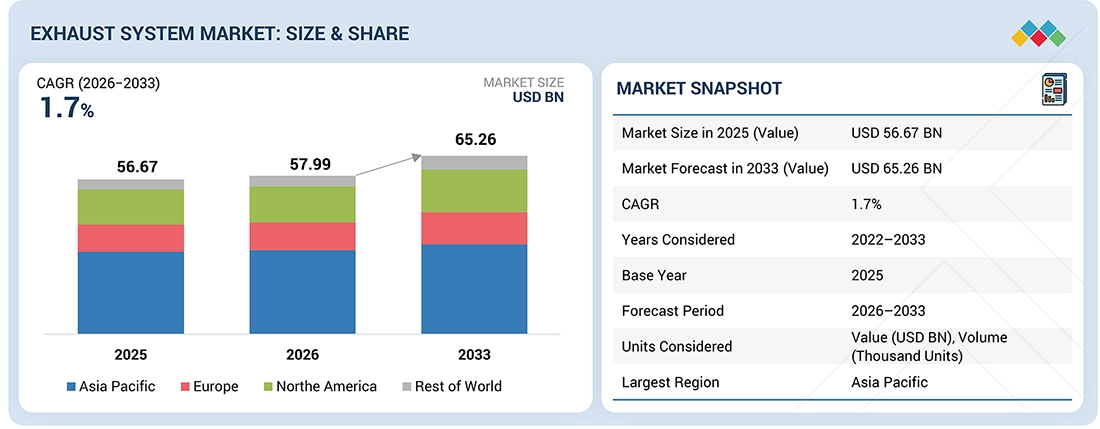
The automotive landscape is undergoing a fundamental transformation as manufacturers pivot toward battery-electric vehicle (BEV) platforms. This shift is driving a direct and measurable decline in the global demand for traditional internal combustion engine (ICE) exhaust systems. As OEMs phase out tailpipe technology to meet tightening fleet emission targets, Tier 1 suppliers that previously relied on high-volume production of mufflers, catalytic converters, and exhaust manifolds are facing an unprecedented contraction in their core business models.
1.1.2 Evaluating the Economic Risks for Legacy High-Volume Production Facilities
For many legacy production facilities, the transition creates a significant economic bottleneck. These plants were designed for economies of scale, relying on steady, high-volume orders of standardized stainless steel exhaust piping and stamping components. With the move toward electrification, these assets risk becoming stranded. Companies must now evaluate the high capital expenditure required to retool these lines or risk total obsolescence as their primary revenue stream evaporates.
1.1.3 Market Transitioning from Mass Commodity Production to Niche Aftermarket Demand
While the OEM space is shrinking, the aftermarket remains a critical stronghold. However, the nature of this market is changing from mass-market replacement parts to highly specialized, niche performance components. As ICE vehicles become collector items or enthusiast vehicles, demand will center on durability, sound tuning, and performance aesthetics. Manufacturers who survive this transition will be those who can pivot from commodity manufacturing to high-margin, small-batch production that caters to the evolving future of ICE performance component markets.
1.2 Navigating Supply Chain Disruptions and OEM Decarbonization Goals
1.2.1 Regulatory Pressures Driving the Shift Toward Zero-Emission Vehicles
Global decarbonization goals, such as those mandated by the European Union and various U.S. states, have accelerated the timeline for sunsetting combustion engines. This regulatory pressure forces exhaust manufacturers to rethink their sustainability strategy. It is no longer enough to produce durable parts; manufacturers must now prove the carbon footprint of their entire production chain. This has forced the industry to adopt new methods for supply chain sustainability in aftermarket exhaust production, ensuring that materials are ethically sourced and energy-intensive processes are optimized.
1.2.2 Impact of Reduced Part Complexity on Tier 2 and Tier 3 Component Suppliers
Tier 2 and Tier 3 suppliers, often responsible for the sub-components of an exhaust system—such as hangers, specialized flanges, and thermal shielding—are seeing a reduction in part complexity. EV drivelines do not require these components, which simplifies the assembly process but destabilizes the vendor ecosystem. Many smaller suppliers are struggling to find relevance in an electrified supply chain that prioritizes battery cooling plates over exhaust gas management.
1.3 Leveraging Legacy Technical Expertise for New Automotive Paradigms
1.3.1 Repurposing Precision Metal Forming and Welding Capabilities for Electric Vehicles
The expertise gained in decades of exhaust manufacturing is not inherently useless; it is simply being repurposed. Precision metal forming and complex robotic welding—hallmarks of high-end exhaust fabrication—are directly transferable to the production of EV structural components. For instance, the techniques used to shape complex, thin-walled stainless steel tubes are now being applied to frame reinforcements and chassis components that prioritize structural rigidity with minimal mass.
1.3.2 Transitioning Specialized Exhaust Coating Knowledge to Advanced Thermal Management Applications
The knowledge of heat mitigation is perhaps the most valuable carry-over. Exhaust manufacturers have spent years perfecting ceramic and metallic coatings to manage extreme thermal loads. Today, this expertise is being pivoted toward advanced thermal management for lithium-ion battery packs. Controlling heat is essential for EV battery safety and longevity, and legacy players are uniquely positioned to apply their proprietary coating formulations to cooling systems and fire-suppression barriers.
1.3.3 Adapting Industrial Infrastructure to Support Battery Enclosure and Cooling Plate Fabrication
Finally, industrial infrastructure is undergoing a massive retrofit. Many factories are converting assembly lines previously dedicated to exhaust flow testing into fabrication hubs for battery enclosures. By utilizing existing knowledge of fluid dynamics and leak-proof welding, these manufacturers are creating the robust, liquid-cooled housings required to keep EV batteries within their optimal operating temperatures, proving that the future of exhaust manufacturing lies in thermal control beyond the combustion cycle.
2. Technological Innovation and Future Trends in the Post-Combustion Landscape
2.1 Material Science Evolution for Lightweight EV Structural Components
As the automotive industry pivots away from traditional exhaust systems, the expertise gained in metallurgical engineering is being rapidly redirected. The focus has shifted from heat-resistant alloys to lightweight, high-strength materials essential for electric vehicle (EV) efficiency. Manufacturers are increasingly leveraging their knowledge of advancements in exhaust material composition to address the structural demands of battery-heavy platforms.
2.1.1 Scaling the Use of High-Performance Stainless Steel in Battery Support Structures
The precision forming of stainless steel, once reserved for complex exhaust manifolds, is now proving invaluable for battery support frameworks. Manufacturers are repurposing these fabrication lines to create crash-resistant battery enclosures, utilizing the inherent durability and corrosion resistance of high-grade stainless steel to ensure long-term structural integrity under the vehicle.
2.1.2 Implementing Lightweight Aluminum and Composite Alloys for Range Optimization
To maximize range, EVs require a drastic reduction in curb weight. Exhaust manufacturers are applying their deep understanding of tube bending and metal forming to transition into aluminum-based chassis components. By replacing heavy steel exhaust assemblies with lightweight aluminum cooling plates and structural conduits, suppliers are helping OEMs shave critical weight off the vehicle architecture.
2.1.3 Adopting Sustainable and Recycled Materials to Meet ESG Manufacturing Standards
Sustainability is no longer optional in modern manufacturing. Forward-thinking exhaust facilities are shifting toward closed-loop recycling programs. By utilizing recycled alloys for structural EV parts, suppliers not only lower their carbon footprint but also ensure compliance with tightening global Environmental, Social, and Governance (ESG) requirements that are increasingly influencing Tier 1 procurement contracts.
2.2 Engineering Solutions for Modern Thermal and Electromagnetic Requirements
The elimination of high-temperature exhaust gases does not mean thermal management has become less critical; it has simply changed in scope. Modern EV platforms require sophisticated systems to maintain optimal battery temperatures, a task that demands the same engineering rigor previously applied to heat mitigation.
2.2.1 Replacing Exhaust Heat Mitigation with Advanced Battery Temperature Regulation Systems
Manufacturers are adapting their expertise in heat shielding and thermal insulation to develop battery thermal management systems. This involves designing complex, liquid-cooled plate assemblies that manage the heat generated during rapid charging cycles and high-load operation, ensuring the longevity of the battery pack.
2.2.2 Developing EMI Shielding Solutions Using Traditional Exhaust Fabrication Techniques
Electromagnetic interference (EMI) is a unique challenge for EVs, where sensitive electronics reside near high-voltage cables. Legacy exhaust manufacturers are finding new life in creating custom-fit EMI shielding housings. The machinery used for forming exhaust heat shields is being retooled to produce precise metallic enclosures that mitigate interference and protect the vehicle’s digital architecture.
2.2.3 Utilizing Smart Factory Automation to Enhance Precision in Complex EV Component Assemblies
The move toward EV components requires higher tolerance levels and more complex geometry than traditional exhaust pipes. By integrating IoT-enabled smart factory automation, manufacturers are achieving the microscopic precision required for modern battery cooling manifolds, reducing scrap rates and ensuring that each component meets the rigorous performance demands of the current automotive market.
2.3 Identifying Growth Opportunities in Alternative Propulsion and Niche Sectors
While mass-market light vehicles are transitioning to full battery-electric powertrains, certain sectors require tailored propulsion solutions that keep traditional exhaust manufacturing technologies relevant.
2.3.1 The Role of Hybrid Exhaust Systems as a Long-Term Bridge Technology
Hybrid powertrains remain a vital bridge for consumers not yet ready for full electrification. These systems combine internal combustion engines with electric motors, requiring specialized exhaust designs that prioritize rapid catalyst light-off and noise reduction under start-stop operation. This niche continues to provide a steady, high-margin revenue stream for manufacturers capable of complex acoustic and emission tuning.
2.3.2 Manufacturing Potential for Heavy-Duty Hydrogen Combustion Engines
Hydrogen-fueled internal combustion engines present a promising frontier for heavy-duty applications. Because these engines produce different thermal and chemical byproducts compared to gasoline or diesel, they require specialized, high-durability exhaust systems. This sector allows manufacturers to apply their traditional expertise in fluid dynamics and material science to a clean-energy application that supports the decarbonization of the logistics industry.
2.3.3 Strategies for Regional Localization and Supply Chain Resilience in a Global EV Market
Global supply chain volatility has forced OEMs to favor localized production. Manufacturers who pivot to produce structural components and cooling systems locally can position themselves as strategic partners. By building regional centers of excellence that combine legacy fabrication skills with new EV component capabilities, companies can shorten lead times and insulate themselves from international shipping disruptions.
The impact of electrification on exhaust manufacturing marks one of the most significant industrial pivots in automotive history. As the market shifts away from internal combustion engines, legacy manufacturers face an urgent need to evolve. The future of this sector is not found in the decline of traditional systems, but in the intelligent repurposing of high-precision fabrication skills toward thermal management, battery protection, and lightweight structural components. While the volume of standard aftermarket parts may contract, the demand for specialized engineering and sustainable manufacturing practices will remain a critical pillar for those who adapt quickly to the electric vehicle era.
For businesses currently navigating this transition, the key to long-term viability lies in staying informed about evolving standards and emerging technologies. Understanding the complexities of advancements in exhaust material composition will be essential as these same metallurgical techniques are applied to the next generation of battery enclosures and cooling infrastructure. Companies that leverage their historical expertise in vibration, heat mitigation, and precision welding will find themselves uniquely positioned to lead in the new automotive landscape. By prioritizing innovation and remaining agile in the face of shifting regulatory and market demands, the exhaust manufacturing industry can successfully redefine its role in a zero-emission future.