
When upgrading your vehicle’s exhaust, the relationship between exhaust flow and engine efficiency is often misunderstood. Many enthusiasts focus solely on pipe diameter, but the true secret to balanced performance lies in understanding JASMA muffler back-pressure versus power output curves. While a performance-oriented exhaust is designed to expel gases more efficiently, a JASMA-certified system must carefully manage these flows to satisfy strict noise regulations without sacrificing the mid-range torque that drivers rely on daily.
Achieving this balance requires precise internal engineering that goes beyond simple "straight-through" designs. In this guide, we will explore how these certified components navigate the complexities of harmonic resonance, gas scavenging, and regulatory compliance. Whether you are looking to optimize your street build or understand how your current system impacts your engine’s power delivery, you will learn how to read performance data and make informed modifications. For those curious about the regulatory framework that makes these parts a staple in the JDM community, you can read more about JASMA exhaust sound level legal limits and certification to understand why these components are engineered for both power and street-legal peace of mind.
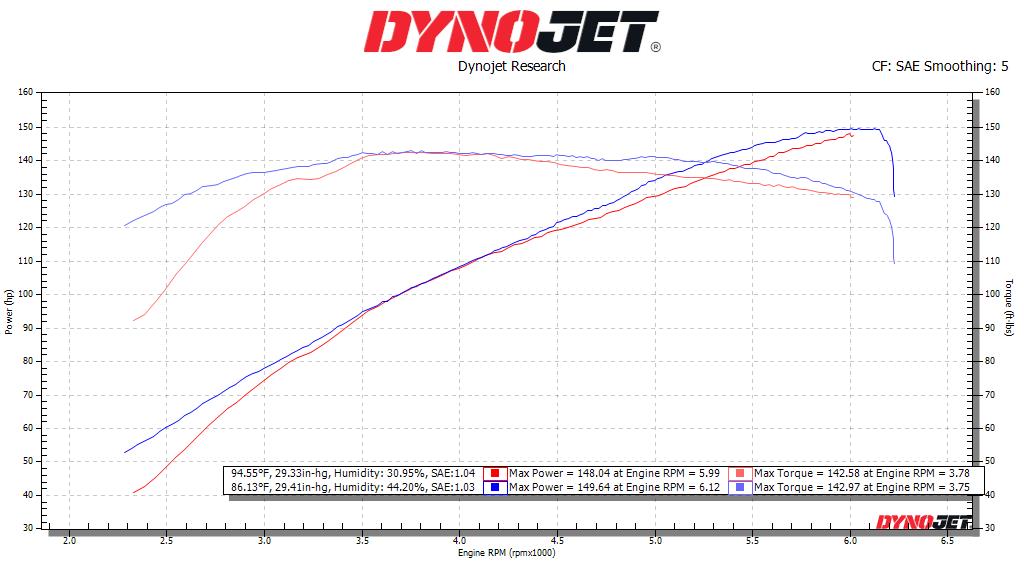
1. Engineering Dynamics of JASMA Muffler Back-Pressure Versus Power Output Curves
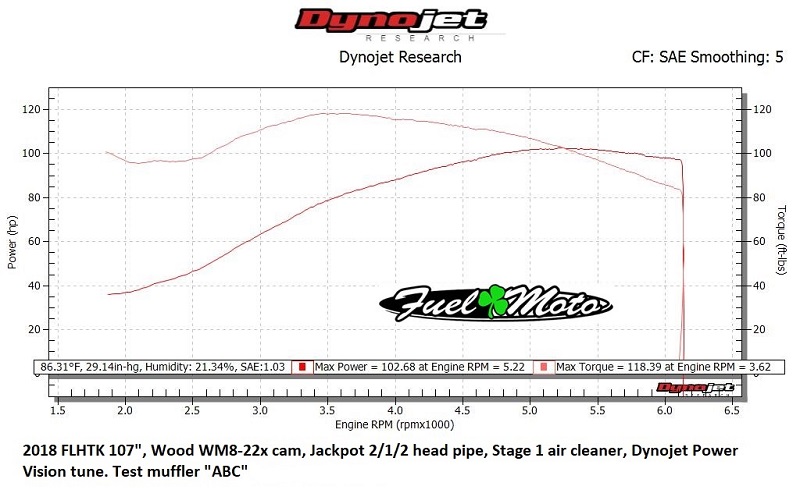
1.1 Deciphering JASMA Certification Standards
When analyzing JASMA muffler back-pressure versus power output curves, it is essential to first understand that JASMA certification is not merely about noise suppression. It is a rigorous quality and performance standard designed to ensure that aftermarket exhausts maintain a delicate balance between flow efficiency and legal compliance. Unlike generic aftermarket exhausts, JASMA-certified components are engineered to operate within strict regulatory frameworks, which dictate the internal volume and structural integrity of the muffler assembly.
1.1.1 Regulatory impact on internal muffler architecture
The internal architecture of a JASMA-compliant muffler is constrained by specific decibel limits. These regulations often force manufacturers to utilize complex chambering or specific sound-dampening materials that can influence flow. Because the JASMA exhaust noise level testing methodology requires a focus on both idle and high-RPM acoustic performance, designers must optimize internal baffles to reflect pressure waves without creating excessive localized turbulence that would negatively impact the power curve.
1.1.2 Distinguishing noise suppression from airflow restriction
A common misconception is that all back-pressure is detrimental. In reality, JASMA standards ensure that restriction is minimized while maintaining enough flow consistency to prevent the "drone" associated with free-flowing, straight-through pipes. By carefully managing the internal geometry, these mufflers achieve noise attenuation while allowing the engine to breathe, ensuring that the back-pressure curve remains predictable throughout the rev range rather than becoming a bottleneck at high RPM.
1.2 The Physics of Exhaust Scavenging and Pulse Tuning
Exhaust performance relies on the management of kinetic energy. As exhaust gases leave the combustion chamber, they travel in high-pressure pulses. Efficient exhaust design, which JASMA-certified products aim to achieve, uses these pulses to create a negative pressure wave—or a "scavenge" effect—that helps pull the next charge of air-fuel mixture into the cylinder.
1.2.1 How pressure waves facilitate cylinder evacuation
When the exhaust valve opens, a high-pressure pulse enters the manifold. A well-designed system, including the muffler, manages this pulse so it doesn't reflect back toward the engine prematurely. By maintaining optimized pipe diameters and muffler internals, JASMA-certified systems ensure that these pressure waves assist in drawing out residual exhaust gases, which directly increases volumetric efficiency.
1.2.2 Why exhaust velocity is critical for maintaining low-end torque
Exhaust velocity is the key to low-end torque. If the exhaust system is too large or lacks appropriate resistance, the gas velocity drops, and the scavenging effect is lost. This leads to a sluggish throttle response. JASMA-compliant designs prioritize a velocity-sensitive approach, ensuring the system maintains enough gas speed to keep the torque curve flat and responsive, particularly in the lower RPM ranges where most street driving occurs.
1.3 Balancing Harmonic Frequencies and Flow Efficiency
Acoustic resonance management is the final piece of the engineering puzzle. If a muffler is not tuned to cancel out specific harmonic frequencies, the resulting drone can be physically fatiguing and indicates inefficient energy dissipation.
1.3.1 Understanding how internal baffles manage acoustic resonance
Internal baffles are designed to disrupt sound waves and cause them to cancel each other out. A JASMA-certified muffler uses these baffles to target the specific frequencies that cause cabin drone. By managing these waves effectively, the muffler preserves the energy of the exhaust flow, preventing the chaotic turbulence that usually spikes back-pressure.
1.3.2 The relationship between gas velocity and scavenging efficiency
Ultimately, the efficiency of the entire system depends on the gas velocity remaining high enough to facilitate scavenging without exceeding the noise threshold. JASMA certification ensures the muffler acts as a tuned component rather than a generic restriction. This balance is critical, as it allows the engine to reach its full power potential while staying within environmental standards, proving that you do not need to sacrifice a smooth power curve for a compliant, street-legal exhaust system.
2. Optimizing Vehicle Performance with JASMA-Compliant Exhaust Systems
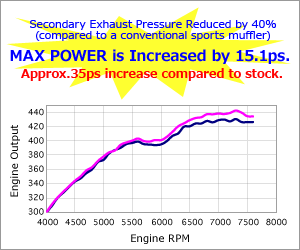
2.1 Matching Exhaust Diameter to Engine Displacement
Achieving the ideal balance in JASMA muffler back-pressure versus power output curves begins with selecting the correct exhaust diameter. For naturally aspirated engines, the objective is to maintain high gas velocity to promote efficient cylinder scavenging. If the piping is too large, the exhaust gas cools and slows down before reaching the muffler, resulting in a loss of low-end torque. Conversely, turbocharged applications generally benefit from a larger diameter to minimize restriction, allowing the turbocharger to spool more efficiently without excessive turbine back-pressure.
2.1.1 Calculations for naturally aspirated versus turbocharged requirements
Naturally aspirated engines require precise diameter calculations based on displacement and peak RPM to maintain the scavenging effect. A common rule of thumb is to size the piping based on the engine's power output rather than just displacement alone, ensuring the gas velocity remains within the optimal range for peak torque. In contrast, turbocharged engines require an exhaust flow path that minimizes back-pressure behind the turbine wheel. Because the turbocharger serves as a significant restriction point, JASMA-certified systems for these vehicles are engineered to balance noise suppression with the high-volume flow needed to prevent compressor surge and maintain consistent boost levels.
2.1.2 Risks of oversized piping on exhaust gas velocity and torque curves
Installing oversized exhaust piping is a common mistake that often shifts the power band too high in the RPM range. When the diameter is excessively large, the volume of the exhaust system becomes too great for the engine to fill at lower speeds. This drop in exhaust gas velocity leads to poor pulse tuning, as the reflected pressure waves do not return to the combustion chamber at the correct timing to assist in the intake stroke. The result is a noticeable "dead spot" in low-end power, which can make a vehicle feel sluggish during daily driving. Understanding the impact of exhaust gas velocity vs torque mapping is essential for achieving a balanced, responsive driving experience.
2.2 Impact of Flow Dynamics on Engine Calibration
Every change to the exhaust path, even when utilizing a JASMA-compliant component, alters the engine's breathing characteristics. Because JASMA systems are designed to balance acoustic performance with flow, they often differ in their internal architecture compared to unrestricted straight-pipe systems. Consequently, engine management systems may need adjustments to account for these changes in volumetric efficiency.
2.2.1 Necessary adjustments for fuel maps and ignition timing
When upgrading to a high-quality, JASMA-certified system, the change in flow dynamics may shift the air-fuel ratio, particularly in high-load scenarios. Modern ECU mapping can often adapt to minor changes, but significant improvements in exhaust flow may require a professional tune to optimize fuel delivery and ignition timing. This ensures that the engine can capitalize on the improved scavenging efficiency provided by the new exhaust architecture without risking detonation or poor fuel combustion.
2.2.2 Managing air-fuel ratio stability during high-load scenarios
Maintaining air-fuel ratio stability is critical for long-term engine health. A restrictive exhaust system can create excessive EGTs (exhaust gas temperatures), while an overly open system might cause lean conditions if the fuel map is not updated. By choosing a balanced JASMA system, enthusiasts can achieve a safer, more stable environment for their engines under hard driving conditions, as the calibrated back-pressure helps keep gas temperatures within factory-recommended windows.
2.3 Strategic Selection for Driving Applications
Selecting the right exhaust system requires a clear understanding of your vehicle's primary purpose. Daily drivers require a different balance of sound and flow compared to weekend track cars. JASMA certification ensures that you do not have to sacrifice quality or legal compliance for performance, as these systems are engineered to provide a refined, resonant sound that adheres to strict decibel limits while still allowing for optimized airflow.
2.3.1 Daily driving criteria versus circuit-specific performance demands
For daily driving, the focus is typically on eliminating drone and maintaining torque at common highway speeds. Circuit-specific demands, however, prioritize maximum flow at the top of the rev range. While it is tempting to pursue "race-only" systems, these often lack the resonance control found in JASMA designs. A well-engineered JASMA system often serves as the perfect bridge, offering improved throttle response for spirited driving without the harsh, antisocial noise levels associated with non-certified hardware.
2.3.2 Debunking common myths regarding bypass modifications and power loss
There is a prevalent myth that modifying or removing a muffler bypass will always result in increased power. In reality, the complex internal geometry of a JASMA muffler is specifically designed to manage back-pressure and sound waves, contributing to the engine's overall efficiency. Removing these features often disrupts the harmonic pulse tuning that the exhaust system relies on, leading to power loss rather than gains. Proper tuning always respects the intended flow design of the exhaust.
2.4 Frequently Asked Questions
2.4.1 Does removing a JASMA muffler inherently increase peak horsepower?
Not necessarily. While removing restrictions can increase flow, it often disrupts the scavenging effect of the exhaust system, which can cause a drop in mid-range torque and inconsistent power delivery. A JASMA-certified muffler is designed to optimize the balance between flow and back-pressure, which is often superior to a completely hollow system.
2.4.2 Why do oversized exhaust pipes often cause a loss of low-end torque?
Oversized piping decreases the velocity of exhaust gases, preventing the system from maintaining the necessary pressure pulses required for effective cylinder scavenging. At low RPMs, the engine struggles to overcome the lack of gas speed, which results in the characteristic loss of torque.
2.4.3 Are JASMA-certified designs inherently restrictive for forced induction?
No. JASMA certification focuses on both performance and acoustic output. Modern JASMA-compliant designs utilize high-flow internal architecture that can handle the increased volume of forced induction systems while keeping noise levels within legal, track-friendly, and street-legal limits.
2.4.4 How does calibrated back-pressure influence overall fuel economy?
Calibrated back-pressure helps maintain optimal engine efficiency across the rev range. By ensuring that the engine operates with the correct exhaust pulse timing, the system supports more complete fuel combustion, which can lead to better overall fuel economy compared to a poorly matched or excessively loud exhaust system.
Understanding the intricate relationship between JASMA muffler back-pressure versus power output curves is essential for any enthusiast looking to balance street-legal compliance with genuine engine performance. We have explored how the rigorous engineering behind these systems—designed to meet specific acoustic resonance and flow standards—shapes the way your engine delivers power across the RPM range. By respecting the physics of exhaust scavenging and gas velocity, you can effectively enhance your vehicle’s responsiveness without compromising the build quality or legal standing of your exhaust setup.
When selecting or maintaining your exhaust, remember that JASMA certification is not merely a regulatory hurdle; it is a testament to a system's ability to maintain efficient flow while managing noise pollution. Whether you are daily driving or preparing for track days, your choice of components should align with your engine's displacement and your specific performance goals. If you are concerned about long-term efficiency, understanding JASMA exhaust system aging effects will ensure your muffler continues to provide the intended power delivery throughout its lifespan. By prioritizing these engineering principles over simple aesthetics, you ensure a balanced, reliable, and high-performing machine that respects both the road and the track.
