
For enthusiasts of Japanese performance vehicles, the roar of a high-quality exhaust is part of the driving experience. However, ensuring that your aftermarket hardware meets specific noise and environmental regulations is essential for both legal street use and peace of mind. This is where JASMA plate serial number verification becomes a critical task. Whether you are prepping for a vehicle inspection, buying a used performance system, or simply confirming that your current setup is an authentic product, the identification plate serves as the definitive source of truth.
In this guide, we will walk you through the entire process of authenticating your hardware. You will learn how to locate the registration plaque, understand what the codes etched into the metal actually represent, and why these JASMA certified exhaust systems are vital for maintaining both performance and legal compliance. By the end of this article, you will have the confidence to handle JASMA muffler inspection requirements and ensure your vehicle remains fully compliant with industry standards.

1. Understanding JASMA Certification and the Physical Identification Process
1.1 The Role of the Japan Automotive Sports Muffler Association
The Japan Automotive Sports Muffler Association (JASMA) serves as a self-regulatory body dedicated to balancing high-performance automotive culture with environmental and noise-pollution responsibilities. By establishing strict benchmarks, the organization ensures that aftermarket exhaust systems do not exceed the decibel levels mandated by road safety and environmental authorities. When you engage in JASMA plate serial number verification, you are essentially confirming that a specific component has passed rigorous testing to align with these recognized safety protocols.
1.1.1 Regulatory standards for noise output and emissions
JASMA certification is not merely a brand badge; it is a testament to engineering compliance. Certified systems are tested to ensure they meet specific sound attenuation limits, preventing the excessive noise often associated with lower-quality aftermarket parts. These regulations are vital for maintaining the delicate balance between engine performance gains and public health standards regarding urban noise levels.
1.1.2 Distinction between JASMA-compliant parts and off-road racing exhausts
It is crucial to understand that not all high-performance mufflers carry this certification. Many racing-specific exhausts are designed exclusively for closed-circuit use, where noise restrictions are often waived. In contrast, JASMA-compliant parts are specifically engineered for street-legal performance. Distinguishing between these categories is essential for vehicle owners, as installing a non-certified, track-only system on a street vehicle can lead to legal complications during routine JASMA muffler inspection requirements or roadside checks.
1.2 Locating and Assessing the JASMA Identification Plate
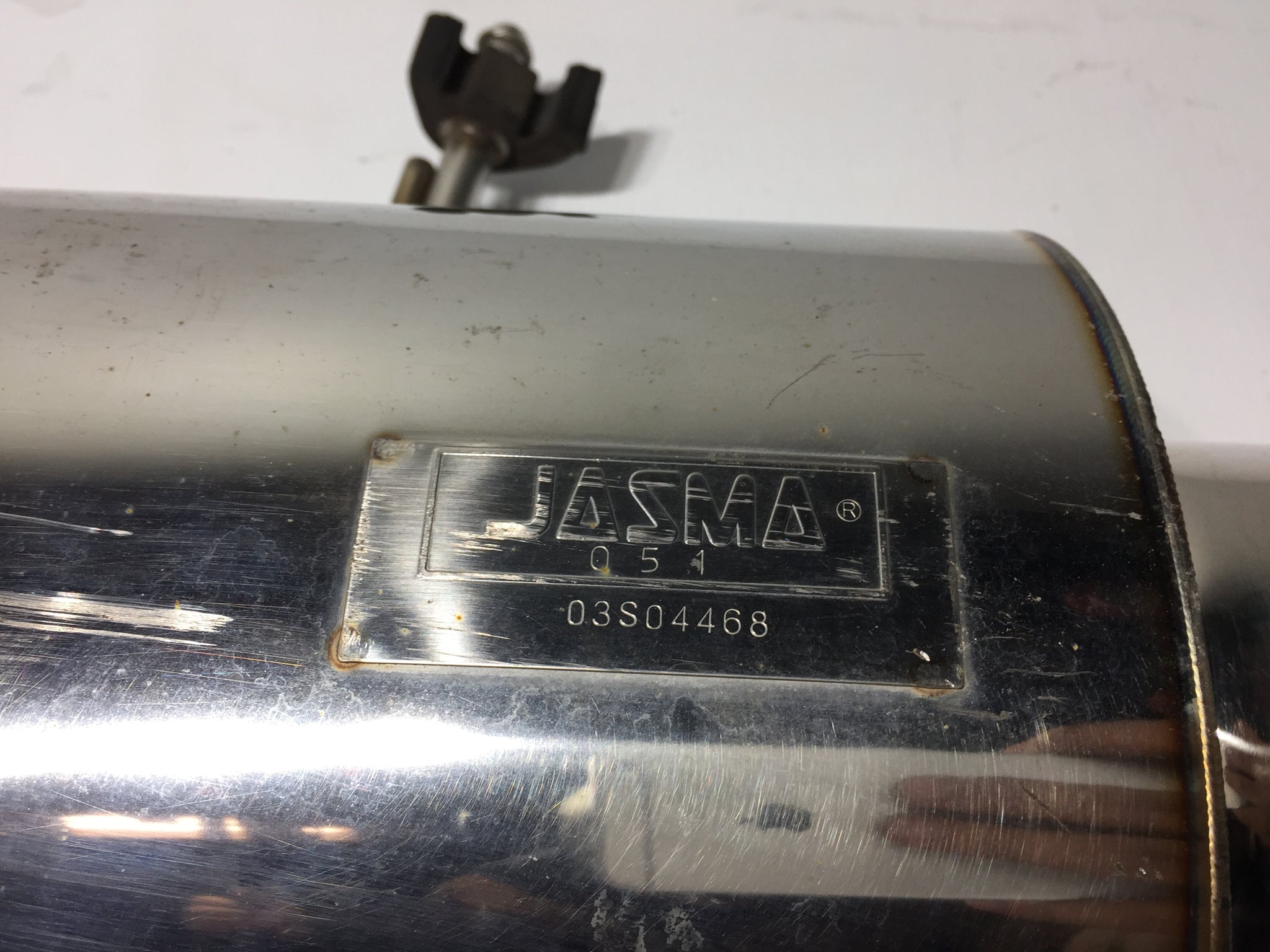
For any owner, the physical identification plate is the primary point of truth. This metal tag, typically welded or riveted directly onto the muffler canister or resonator, serves as the permanent record of the part’s certification status.
1.2.1 Standard placement locations on mufflers and resonators
Most manufacturers place the JASMA badge on the bottom or the visible side of the muffler body, usually near the inlet or outlet pipes. Because these areas are exposed to road debris, heat, and moisture, you may need to clean the surface thoroughly with a degreaser to uncover the stamped details.
1.2.2 Inspecting the physical integrity of the plate for tampering or corrosion
Before proceeding with verification, check the physical condition of the plaque. Authentic plates feature deep, uniform stamping. If you notice signs of grinding, welding over the plate, or illegible characters due to extreme rust, the authenticity of the component becomes difficult to prove. Tampering with this plaque is a significant red flag that may suggest the exhaust has been modified internally.
1.2.3 Reading the manufacturer code, model designation, and registration sequence
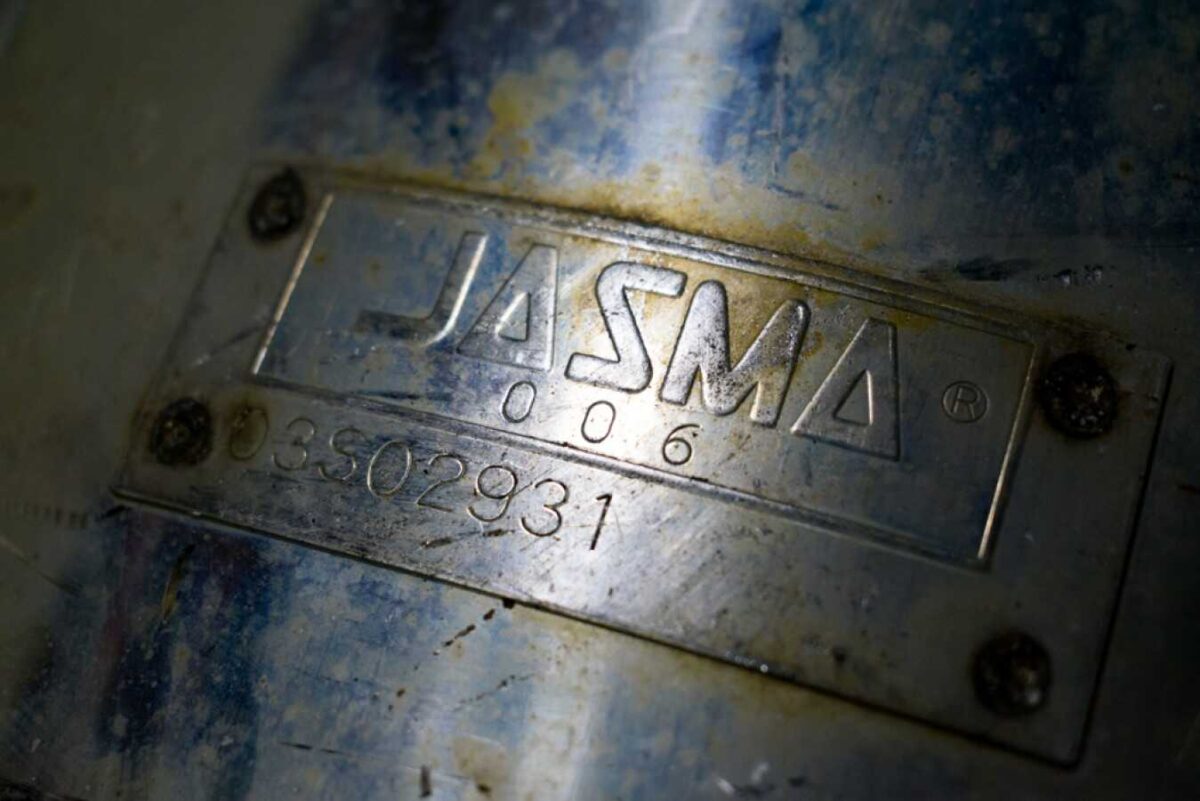
The plate typically displays three core pieces of information: the manufacturer identifier, the specific model designation for the vehicle application, and a unique registration sequence number. Each segment of this code is necessary for accurate cross-referencing against the official database. Taking a clear, high-resolution photo of these characters is the best way to ensure you have the correct data before you begin your search for authentication.
2. Performing JASMA Plate Serial Number Verification and Ensuring Authenticity
2.1 Conducting the Official Database Cross-Reference
Performing a JASMA plate serial number verification is the most reliable way to confirm that your exhaust system meets established performance and noise standards. To begin, locate the official registration portal provided by the Japan Automotive Sports Muffler Association. You will need the specific alphanumeric string etched onto the metal plaque, which typically includes the manufacturer code followed by a unique registration sequence.
When querying the database, enter the serial number exactly as it appears on the muffler. The system will then return the registered status of the component. A positive match confirms that the exhaust has undergone rigorous testing and complies with JASMA exhaust noise level standards. If your search returns an error or no match, do not assume the part is counterfeit immediately; it may simply be an older, legacy system that predates the modern digital database.
For these discontinued or vintage units, reach out to the original manufacturer’s customer service department. Manufacturers often maintain physical archives or legacy logs for products that are no longer in active production. Always keep a digital or physical copy of your verification results, as these serve as essential documentation during routine JASMA muffler inspection requirements or when preparing your vehicle for resale.
2.2 Identifying Counterfeit Exhaust Components
The aftermarket performance industry is unfortunately prone to the circulation of fraudulent parts. Counterfeit components lack the internal resonance tuning and material quality control of genuine items, which can lead to significant mechanical issues or failed safety inspections. Identifying a fake often starts with a close visual inspection of the plaque itself.
Look for inconsistencies in the engraving, such as uneven font spacing, blurry characters, or misaligned text. Authentic plates feature precise, clean etching, as they are produced according to strict quality assurance protocols. If the plaque appears cheaply stamped, glued on with adhesive, or shows signs of rusting in a pattern that suggests poor material quality, proceed with extreme caution.
Beyond the visual check, consider the risks of running unverified hardware. Installing a replica exhaust system can result in acoustic output that exceeds legal limits, leading to potential fines. Furthermore, poor-quality metalwork in fake mufflers can lead to thermal stress failures or premature corrosion, ultimately damaging the vehicle's broader exhaust system. If you suspect you have purchased a fraudulent part, contact the original manufacturer immediately to cross-reference the batch and model information. When documentation is incomplete or suspicious, it is always safer to consult with a professional tuner or an official inspection facility before finalizing your installation, as maintaining a valid, verifiable exhaust system is critical for both legal compliance and the long-term health of your engine.
Verifying your exhaust system’s authenticity is more than just a regulatory formality; it is a critical step in ensuring your vehicle remains compliant with performance and noise standards. By taking the time to confirm your JASMA plate serial number verification, you protect the long-term value of your vehicle while avoiding potential issues during roadside checks or official inspections. Authentic JASMA certified exhaust systems are engineered to strike the perfect balance between aggressive sound and legal limits, and confirming your hardware's legitimacy ensures you are getting exactly that performance.
If you discover that your identification plate is worn or difficult to read, do not hesitate to reach out directly to the manufacturer or authorized distributors to discuss potential documentation or replacement options. Always keep a digital record of your verification results and any relevant receipts, as these can prove invaluable during vehicle resale or when navigating updated global automotive aftermarket regulatory shifts. Ultimately, being proactive about your exhaust's credentials gives you peace of mind, knowing that your build is both high-performing and fully compliant with the rigorous quality standards established by the association.