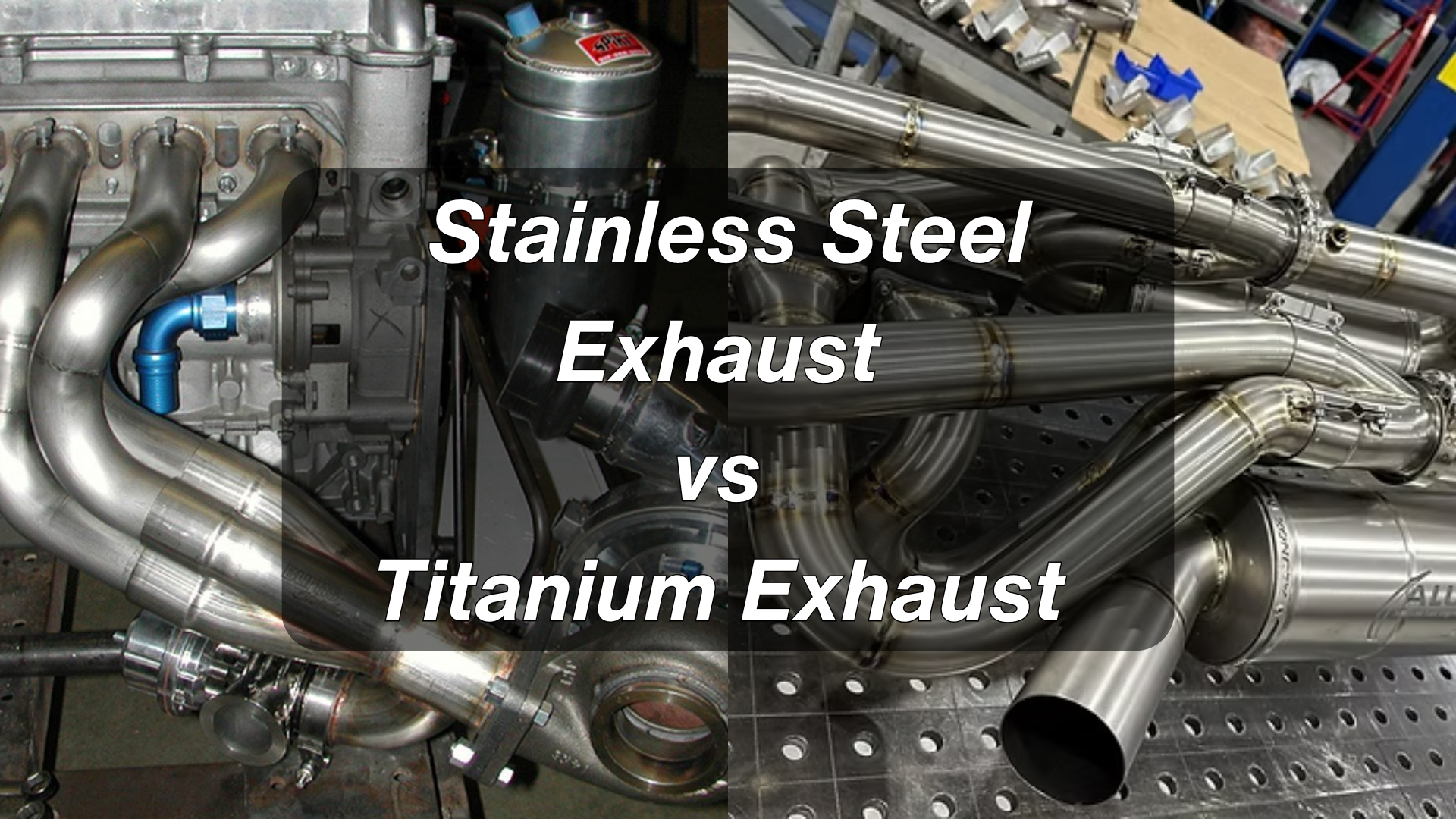
For enthusiasts looking to elevate their build, the choice between materials often comes down to a critical titanium vs stainless steel exhaust weight analysis. Whether you are prepping for a track day or fine-tuning a street machine, understanding the engineering trade-offs of these metals is essential for genuine performance gains. While stainless steel has long been the industry standard for durability and cost-effectiveness, the move toward titanium has redefined what is possible in sports car exhaust upgrades. This transition is about more than just shedding a few pounds; it involves a complex interplay of thermal management, structural integrity, and vehicle dynamics.
In this guide, we will break down the technical differences between these alloys, exploring how material density influences your vehicle’s center of gravity and overall responsiveness. You will learn how to quantify the weight savings, assess the long-term investment value of each material, and determine which exhaust solution best aligns with your specific high performance automotive goals.
1. Titanium vs Stainless Steel Exhaust Weight Analysis and Engineering Performance
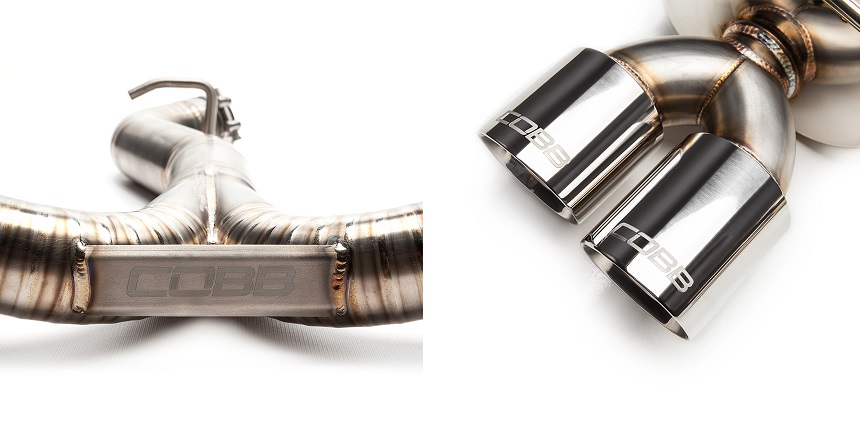
1.1 Material Properties and Density Comparisons
1.1.1 Structural integrity of T304 Stainless Steel versus Grade 2 and Grade 5 Titanium alloys
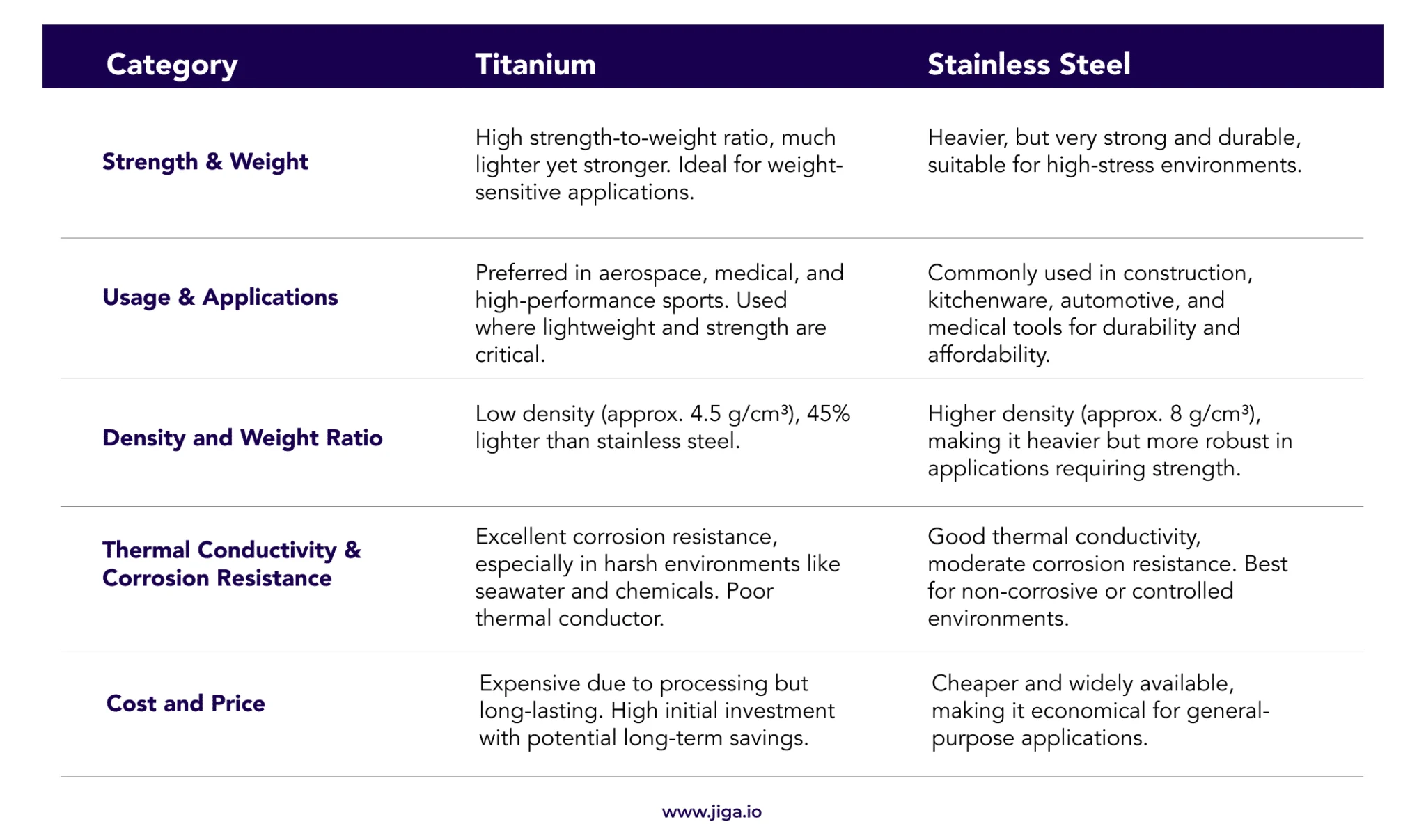
When selecting materials for high performance automotive exhaust systems, engineers must balance thermal resilience against structural mass. T304 stainless steel is the industry standard due to its excellent corrosion resistance and ability to withstand the intense thermal cycling of a combustion engine. However, titanium alloys offer a significant departure in material behavior. Grade 2 titanium, commercially pure, provides superior corrosion resistance but lower tensile strength. Conversely, Grade 5 titanium (Ti-6Al-4V) is a high-strength alloy that maintains structural integrity at elevated temperatures, allowing for thinner wall construction without sacrificing durability.
1.1.2 Understanding the strength-to-weight ratio in thin-wall tubing fabrication
The primary advantage of titanium in exhaust manufacturing is its exceptional strength-to-weight ratio. Because titanium alloys exhibit higher specific strength, fabricators can utilize thinner-gauge tubing compared to stainless steel while maintaining the same structural rigidity. While T304 typically requires thicker walls to prevent vibration-induced cracking or deformation under heat, titanium’s density—roughly 45% lower than that of steel—allows for a drastic reduction in raw material volume. This engineering choice is central to achieving the weight savings enthusiasts seek in sports car exhaust upgrades.
1.2 Quantifying Mass Reduction in Exhaust Systems
1.2.1 Real-world weight savings benchmarks for cat-back and axle-back replacements
In practice, replacing a complete stainless steel cat-back system with a high-grade titanium equivalent often results in weight savings between 30% and 50%. For a typical sports car, this translates to a reduction of 15 to 25 pounds. Axle-back systems, while smaller in scale, still provide noticeable mass benefits. These weight savings are not merely cosmetic; they represent a significant reduction in total vehicle curb weight, which benefits every aspect of dynamic performance, including turn-in response and braking efficiency.
1.2.2 Calculating the impact of exhaust mass on center of gravity and vehicle polar moment of inertia
Exhaust systems are typically positioned at the lowest and often furthest points of the chassis. Removing mass from these extremities—particularly the rear muffler section—lowers the vehicle’s center of gravity and reduces the polar moment of inertia. By minimizing the weight behind the rear axle, the car becomes more willing to rotate during cornering, as there is less pendulum effect pulling the chassis out of its intended line. This physical change effectively improves vehicle handling balance.
1.2.3 Differentiating between sprung and unsprung weight reduction in tailpipe sections
It is important to distinguish between sprung and unsprung weight when evaluating exhaust components. Most of the exhaust system is considered sprung weight, as it is supported by the vehicle’s suspension. However, tailpipe sections attached to the rear subframe contribute to the overall mass the suspension must manage. Reducing this weight helps the rear suspension react more quickly to road irregularities, improving tire contact and overall traction.
1.3 Thermal Dynamics and Acoustic Profiles
1.3.1 How material density and wall thickness influence exhaust note frequency and resonance
Material choice drastically alters the acoustic character of an exhaust note. Titanium’s thinner walls and distinct molecular density create a higher-pitched, more metallic resonance compared to the deeper, muffled tone typically associated with thicker T304 stainless steel. To understand how these changes interact with your vehicle’s specific frequency targets, it is helpful to reference technical resources on JASMA acoustic performance variance factors & sound guides, which explain how geometry and material properties dictate the final exhaust signature.
1.3.2 Heat dissipation rates and the effect of thermal expansion on exhaust hanger stress
Titanium conducts heat differently than stainless steel, which impacts performance exhaust thermal management. While titanium holds heat well, its thermal expansion rate differs from steel, requiring specialized engineering in hanger placement and flex section integration to prevent stress fractures. Proper thermal management is essential to ensuring that the exhaust system can expand and contract safely during track sessions without transferring unwanted vibration or strain to the engine mounts or chassis.
1.3.3 The physics behind titanium blue-burn patterns and oxidation resistance
The iconic blue and purple hues seen on high-performance titanium exhausts are the result of surface oxidation occurring at specific temperature thresholds. This color shift is purely aesthetic and does not indicate structural degradation; in fact, the oxide layer that forms on titanium provides a robust barrier against further corrosion. Unlike stainless steel, which may develop surface rust over years of exposure to road salt and moisture, titanium remains inert, ensuring the system maintains its aesthetic appeal and structural integrity throughout its service life.
2. Strategic Selection and Long-Term Ownership Considerations
2.1 Evaluating Performance Gains and Power-to-Weight Optimization
2.1.1 Dispelling myths regarding direct horsepower increases through material substitution
It is a common misconception in the high performance automotive community that switching to a titanium exhaust system provides a direct, measurable increase in horsepower on the dyno. In reality, the material itself does not create more power. Instead, performance gains from exhaust upgrades are primarily derived from optimized pipe diameter, mandrel-bent geometry, and the reduction of backpressure. While titanium allows for thinner wall construction without sacrificing structural integrity, any power bump you observe is likely the result of improved exhaust gas flow rather than the chemical composition of the metal.
2.1.2 Enhancing acceleration through effective mass-to-power ratio improvements
Where titanium truly shines is in its ability to improve your vehicle’s power-to-weight ratio. By stripping significant mass from the rear of the vehicle—often far behind the rear axle—you reduce the total curb weight, which directly translates to improved acceleration, sharper turn-in response, and more effective braking. This reduction in weight is particularly beneficial for track-focused builds where every pound counts toward shaving tenths of a second off your lap times. You can learn more about how weight impacts your setup in our JASMA exhaust weight reduction benefits & performance guide.
2.1.3 Impact of exhaust gas flow velocity and pipe geometry on engine tuning
Engine tuning remains the most critical factor in extracting power from any exhaust upgrade. Because titanium tubing is thinner than traditional stainless steel, the internal diameter is often slightly larger for the same outer dimension, which can influence exhaust gas velocity. If you are swapping to a lightweight system, you must ensure your ECU calibration accounts for potential changes in scavenging effects to maintain an optimal torque curve throughout the rev range.
2.2 Economic Value and Maintenance Requirements
2.2.1 Long-term durability analysis for daily drivers versus dedicated track vehicles
Stainless steel remains the benchmark for daily drivers due to its inherent resistance to road salt and debris. Conversely, while titanium is exceptionally corrosion-resistant, it is susceptible to surface oxidation and road grime buildup that can be difficult to clean. If your build is a dedicated track car, the investment in titanium is easily justified by the weight savings; however, for a street car that sees harsh winters, the maintenance requirements of keeping a titanium system pristine may outweigh the benefits for the average enthusiast.
2.2.2 Specialized welding, repair protocols, and the necessity of TIG shielding for titanium
Working with titanium is significantly more complex than standard T304 stainless. Titanium is highly reactive when heated and requires an inert environment to prevent embrittlement. Any repair or fabrication work demands precise TIG welding with comprehensive back-purging (shielding) to prevent oxidation on the inside of the weld. If you damage a titanium pipe, you cannot simply have any local exhaust shop patch it; you must find a fabricator with specific expertise in reactive metals to ensure the structural integrity of the system is maintained.
2.2.3 Cost-benefit assessment for enthusiast builds based on weight-savings goals
The cost-benefit analysis of titanium hinges on your specific goals. If you are competing in a class where weight reduction is the deciding factor, the high cost of titanium is a necessary expenditure. For the street enthusiast, the cost per pound saved is often high. Before committing, consider whether the budget would be better spent on other areas of the vehicle, such as suspension components or sticky tires, which may offer more immediate performance gains per dollar.
2.3 Choosing the Optimal Exhaust Material for Your Build
2.3.1 Best use cases for stainless steel in high-torque and high-vibration environments
Stainless steel is arguably the superior choice for high-torque applications where exhaust system vibration and thermal fatigue are constant concerns. Its thicker walls provide superior damping characteristics, which can help minimize unwanted drone and harmonic resonance that often plagues thinner, lightweight systems. If your build focuses on sustained high-load street driving or forced-induction setups that generate massive thermal cycling, stainless steel offers a predictable, long-lasting, and cost-effective solution.
2.3.2 Why titanium remains the gold standard for weight-critical motorsport applications
Titanium remains the undisputed gold standard for motorsport because it delivers performance benefits that no other common automotive material can match. Its superior strength-to-weight ratio allows for incredibly light, thin-walled systems that reduce the vehicle’s polar moment of inertia, making the car more tossable and responsive to driver inputs. For the serious builder looking to minimize mass while managing extreme exhaust temperatures, titanium is the ultimate professional-grade material choice.
Deciding between titanium and stainless steel ultimately comes down to your specific goals for your vehicle. If you are building a dedicated track machine where every pound saved translates to improved handling, reduced polar moment of inertia, and sharper cornering, the weight reduction benefits of titanium are undeniably superior. It remains the gold standard for high-performance automotive applications, offering a unique combination of strength and lightness that stainless steel simply cannot replicate.
However, for the majority of enthusiasts building a high-performance daily driver, T304 stainless steel offers a more practical balance of durability, cost-effectiveness, and acoustic refinement. While you may miss out on the extreme weight savings, you gain a system that is more forgiving in daily use, easier to repair, and highly resistant to the stresses of standard road conditions. Before making your final investment, it is worth reviewing your specific exhaust weight reduction benefits and performance goals to ensure the material aligns with both your budget and your driving habits. Regardless of the material you choose, prioritizing quality fabrication and proper installation is the most effective way to protect your investment and ensure your exhaust system delivers the performance longevity you expect. Whether you are chasing podium finishes or simply seeking a more refined driving experience, informed material selection is the foundation of every successful build.