
There is nothing more frustrating for an enthusiast than completing a performance exhaust upgrade only to find that the driving experience is ruined by relentless interior drone or rattling hardware. Mastering automotive exhaust vibration damping techniques is the difference between a refined, high-performance machine and a vehicle that feels structurally compromised. Excessive vibration doesn't just annoy the driver; it signals underlying mechanical stress that can lead to premature component failure, exhaust leaks, and even damage to the chassis mounting points. By understanding the relationship between engine pulse, pipe geometry, and harmonic resonance, you can systematically silence unwanted noise while improving the overall longevity of your system.
In this guide, we will explore the engineering principles behind structural oscillation and provide practical, hands-on solutions for managing your exhaust setup. Whether you are looking to mitigate cabin resonance or stabilize a custom build, you will learn how to apply professional-grade diagnostic methods and damping solutions to achieve a quiet, reliable ride. For those beginning their modifications, refer to our motorsport exhaust system installation guide to ensure your hardware is properly supported from day one.
1. Advanced Automotive Exhaust Vibration Damping Techniques and Diagnostics
1.1 Physics of Exhaust Resonance and Structural Oscillation
1.1.1 Distinguishing Between Engine Pulse and Cabin Drone
Understanding the difference between raw engine pulses and cabin drone is the first step in mastering automotive exhaust vibration damping techniques. Engine pulse is a high-frequency vibration directly tied to the firing order and RPM of the combustion cycle. In contrast, cabin drone is typically a lower-frequency resonant phenomenon that occurs when the exhaust system’s natural frequency aligns with the engine's operating range. When these frequencies synchronize, the energy is transmitted through the chassis, creating a persistent, booming noise that resonates within the cabin space.
1.1.2 The Impact of Exhaust Pipe Geometry on Harmonic Frequencies
The physical dimensions of your exhaust system dictate its acoustic signature. Pipe diameter, length, and wall thickness act as a resonator for sound waves. As exhaust gases travel through the system, they generate standing waves. If the pipe geometry is not carefully calculated, these waves can amplify specific harmonic frequencies, leading to structural instability. Longer pipes generally favor lower-frequency resonances, while shorter, wider systems may push the harmonic peaks higher into the audible range, necessitating precise sport muffler acoustic frequency tuning to mitigate unwanted vibration.
1.1.3 Identifying Causes of Mechanical Fatigue in Exhaust Components
Unchecked resonance is a primary contributor to early material failure. When components vibrate at their resonant frequency for extended periods, the resulting stress cycles exceed the material's yield strength, leading to crack propagation and bracket failure. Conducting a proper exhaust system thermal fatigue analysis helps owners understand how heat combined with high-frequency oscillation accelerates degradation, effectively turning minor vibrations into catastrophic mechanical failures over time.
1.2 Diagnostic Methodologies for Pinpointing Resonance
1.2.1 Visual Inspection Protocols for Hanger Stress and Chassis Contact
Begin your diagnostics by examining the entire exhaust path for "hard spots." Even the most robust systems will transmit vibration if they make physical contact with the vehicle's floor pan or subframe. Look for polished metal marks, which indicate areas of contact during thermal expansion. Ensure that hangers are not being pulled at extreme angles, as excessive tension limits their ability to absorb movement, effectively turning the exhaust into a structural link that transmits engine vibration directly to the body.
1.2.2 Utilizing Acoustic Monitoring and Vibration Analysis Sensors
Modern diagnostics often involve using simple smartphone-based spectrum analyzers to identify exactly which RPM range triggers the most significant cabin noise. By mounting a vibration sensor or using an acoustic app, you can correlate specific frequency spikes with engine load. This data allows you to isolate whether the noise is a localized structural rattle or a systemic issue caused by the entire exhaust length resonating against the chassis.
1.2.3 Differentiating Exhaust-Borne Vibration from Engine-Mount Failure
It is vital to distinguish between a loose exhaust and failing engine or transmission mounts. If the vibration is present while the vehicle is idling and in neutral, the source is likely engine-borne. However, if the vibration only appears under load or at specific cruising speeds when the exhaust gas velocity is high, the exhaust system is likely the culprit. Checking for excessive movement in the powertrain mounts is essential before blaming the exhaust system itself.
1.3 Engineering Solutions for Vibration Attenuation
1.3.1 Dynamic Mounting Systems and Advanced Hanger Geometry
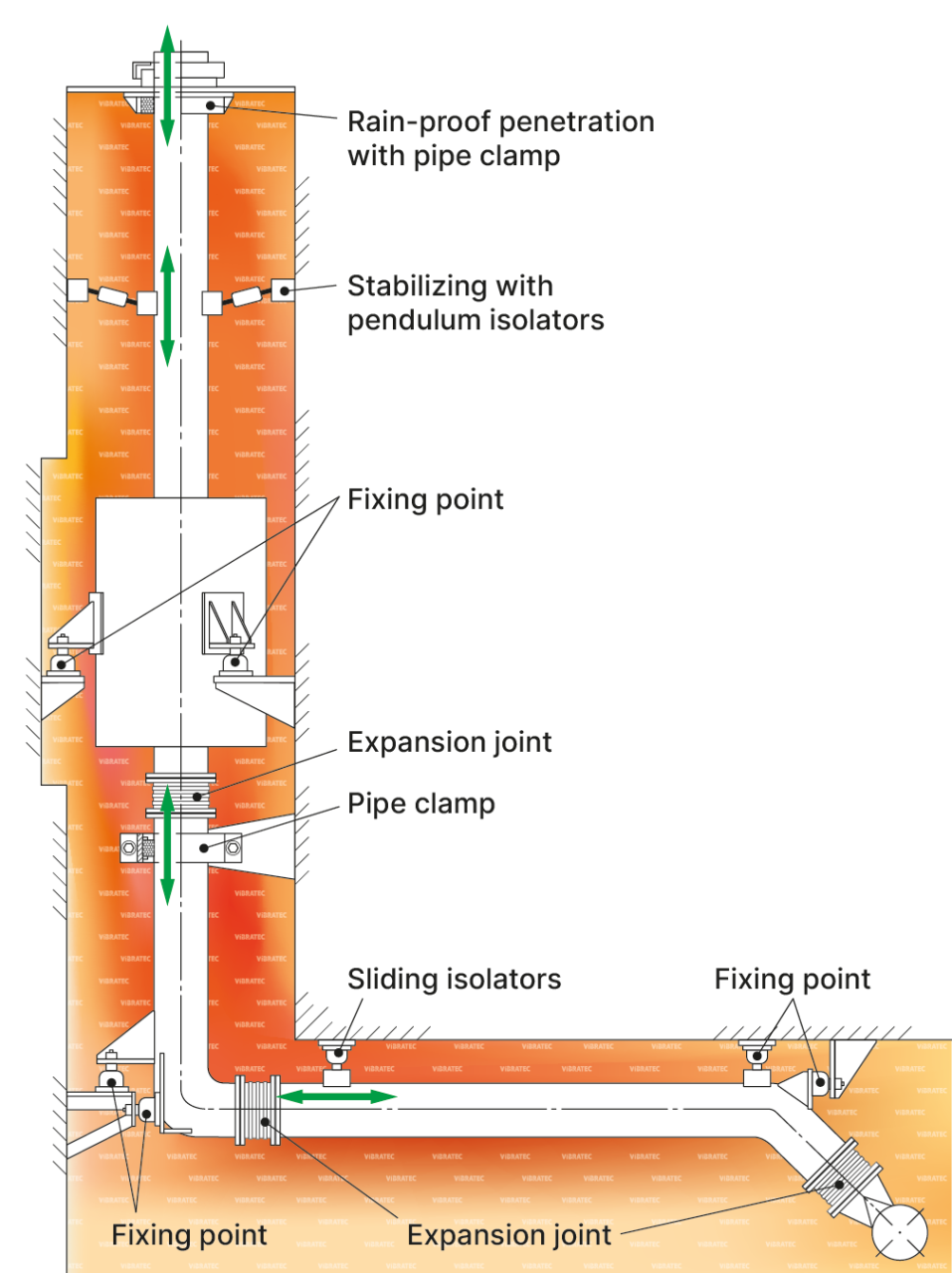
Moving beyond standard rubber bobbins, dynamic mounting systems use calculated durometer ratings to isolate the exhaust from the chassis. Advanced hanger geometry, often found in high-performance aftermarket kits, allows for multi-axial movement, which is critical for handling the lateral and longitudinal expansion of the pipes during high-temperature operation.
1.3.2 Selecting High-Temperature Viscoelastic Damping Materials
When external noise transfer is the primary concern, applying high-temperature viscoelastic damping materials to the chassis floor near the exhaust can effectively neutralize resonance. These materials convert vibrational energy into low-level heat, preventing the body panels from acting as a speaker diaphragm for the exhaust's underlying harmonic energy.
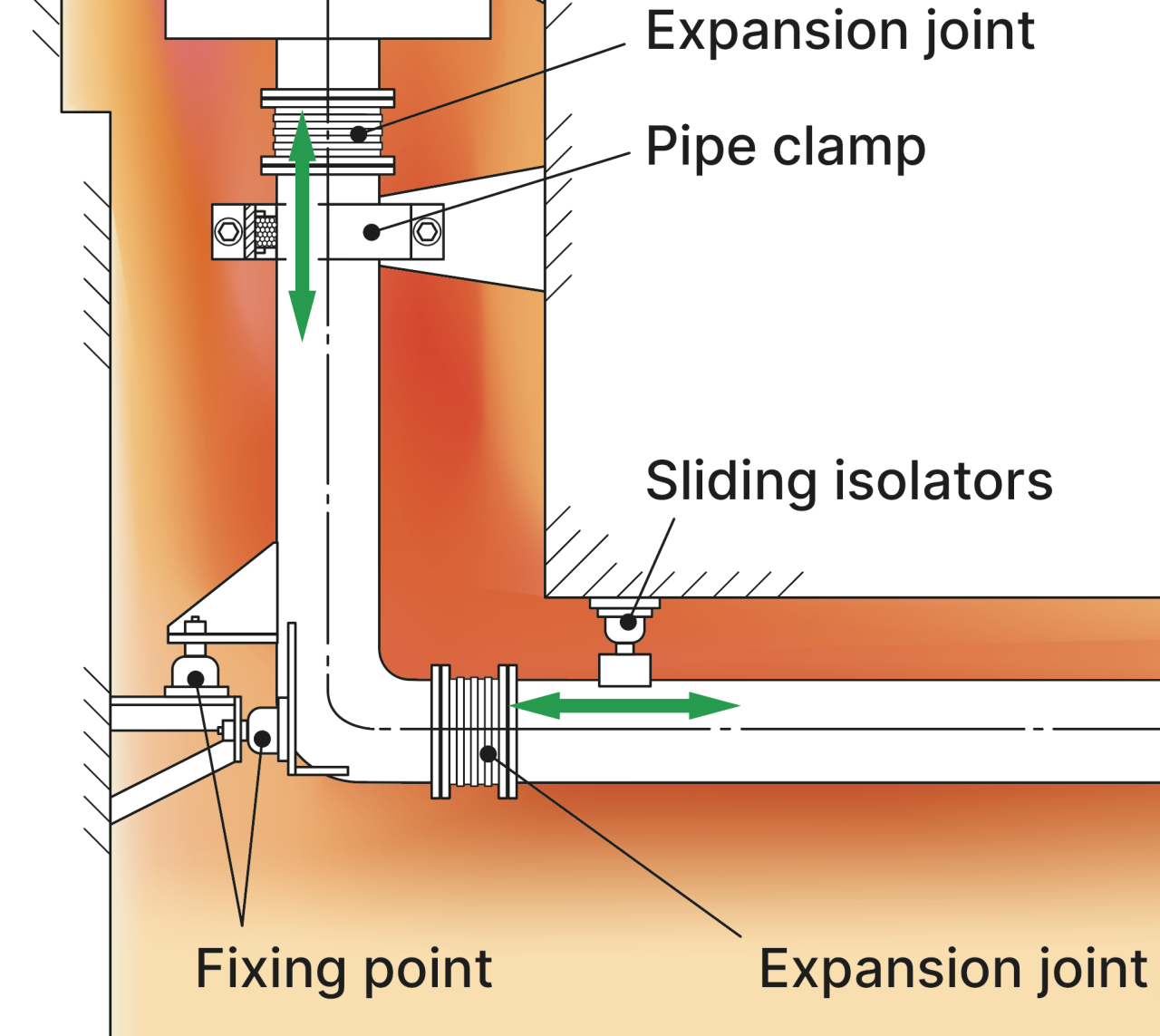
1.3.3 Implementing Flexible Couplers and Bellows for Movement Decoupling
Flexible couplers and stainless-steel bellows are the gold standard for decoupling the engine's movement from the rest of the exhaust. By installing these at the downpipe or manifold collector, you prevent the rigid transmission of engine vibrations, significantly reducing the mechanical stress placed on the rear mufflers and hangers.
1.3.4 Deploying Tuned Vibration Absorbers for Frequency Cancellation
For persistent drone, many tuners utilize tuned vibration absorbers—small, weighted pendulums attached to specific points on the exhaust piping. By matching the mass and stiffness of the absorber to the problematic frequency, you create a "counter-vibration" that cancels out the resonant energy before it reaches the mounting points, ensuring a smoother, quieter driving experience.
2. Precision Tuning Strategies for Exhaust Systems
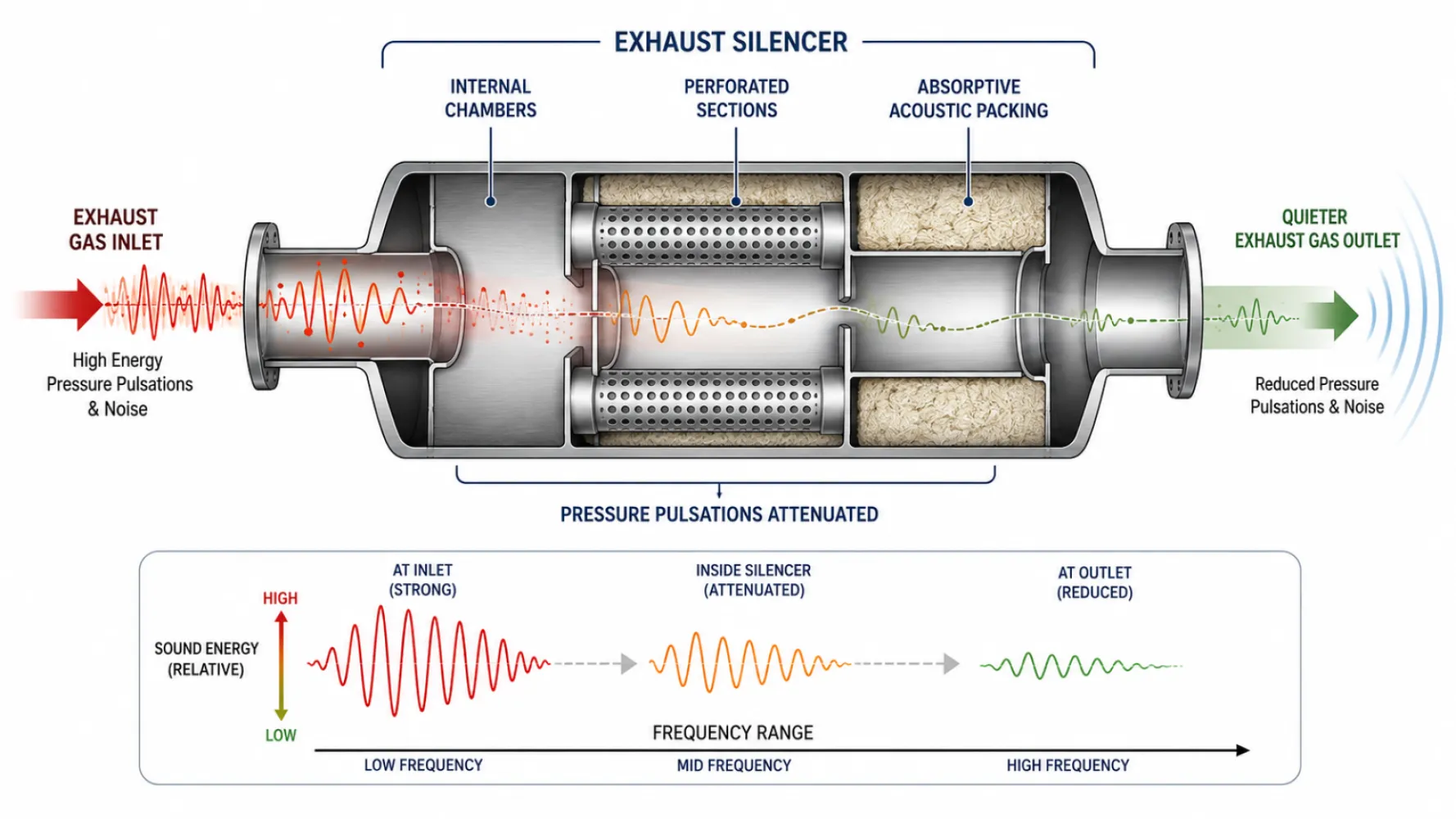
Achieving the perfect balance between performance and cabin comfort requires more than just installing high-quality components; it demands a deep understanding of exhaust acoustics and structural dynamics. By manipulating how gas pulses interact with the physical geometry of your pipes, you can effectively manage unwanted vibrations before they become a persistent headache.
2.1 Manipulating Acoustic Properties Through System Design
The acoustic signature of an exhaust system is determined by the behavior of pressure waves. When you alter pipe diameter or wall thickness, you are directly affecting how these waves propagate through the metal. Thinner-walled piping may save weight, but it is more susceptible to high-frequency resonance—often perceived as a thin, metallic buzzing—compared to thicker, reinforced piping which naturally dampens minor vibrations.
2.1.1 Effects of Pipe Diameter and Wall Thickness on Wave Propagation
Increasing pipe diameter generally lowers the pitch of the exhaust note, but it also alters the velocity of the gas flow. If the diameter is too large for the engine's displacement, you risk losing gas velocity, which can inadvertently create standing waves that lead to drone. Conversely, choosing the right wall thickness, particularly in stainless steel applications, acts as a passive filter for high-frequency harmonics, keeping the exhaust note deep and refined.
2.1.2 Principles of Helmholtz Resonators and Quarter-Wave Stub Pipes
To specifically target those annoying highway cruising drones, enthusiasts often turn to Helmholtz resonators or quarter-wave stub pipes. A Helmholtz resonator works like a tuned chamber that cancels out specific frequencies by reflecting sound waves back against themselves. Quarter-wave stubs, or J-pipes, are equally effective; by capping a section of pipe at a specific length, you can create an anti-phase wave that effectively neutralizes the primary drone frequency, providing a significant boost to acoustic comfort without sacrificing flow efficiency.
2.1.3 Calculating Optimal Pipe Lengths for Targeted Frequency Cancellation
Calculating these lengths requires knowing the engine's RPM at the peak drone frequency. Using the speed of sound and the engine's firing frequency, you can determine the exact length needed for a pipe to provide a 180-degree phase shift. Precision is key here; even a small variance can shift the cancellation frequency, so always measure twice and account for the physical space available under the chassis.
2.1.4 Balancing Backpressure Optimization with Acoustic Comfort
While performance gains often drive the desire for straight-through systems, managing backpressure is vital for both power and sound control. High-performance manifolds can influence scavenging, but if the downstream system is too restrictive or poorly tuned, vibration increases. By utilizing tools and techniques described in our turbocharger backpressure reduction strategies and tuning guide, you can optimize flow while maintaining a manageable acoustic profile.
2.2 Installation Best Practices and Post-Modification Troubleshooting
Even the most advanced exhaust system will fail if the installation is flawed. Improper mounting is the leading cause of persistent cabin vibration and component fatigue.
2.2.1 Verifying Clearance and Eliminating Metal-on-Metal Contact
Always perform a static check after installation. Ensure there is a minimum of 15-20mm of clearance between the exhaust piping and any chassis point, particularly near subframes. Even slight engine torque under load will shift the system; if it is too close, you will experience harsh vibrations transferred directly into the cabin.
2.2.2 Establishing Proper Torque Specifications for Mounting Hardware
Over-tightening hangers or flange bolts can lock out the system's ability to flex, which creates stress concentrations. Use heat-resistant, high-quality hardware and adhere to manufacturer torque specs to ensure the system remains secure without being rigid.
2.2.3 Mitigating NVH Issues in Aftermarket Straight Pipe Installations
Straight-pipe systems lack the internal baffling that naturally dampens pulses. If you are experiencing excessive Noise, Vibration, and Harshness (NVH), consider adding a high-quality flex section or a secondary resonator further down the line to break up the standing waves that straight pipes tend to amplify.
2.2.4 Comparing Professional Vibration Testing Tools for DIY Enthusiasts
For those looking to get clinical with their tuning, smartphone-based decibel meters and vibration frequency apps are great starting points. More advanced users may look into automotive-grade accelerometers that attach to the chassis or hangers, allowing you to log data points across the RPM range and pinpoint exactly where your exhaust resonance is peaking.
Mastering automotive exhaust vibration damping techniques is a critical step in bridging the gap between raw performance and a refined driving experience. By understanding the interplay between structural resonance, material fatigue, and acoustic frequency cancellation, you can protect your vehicle’s components from the damaging effects of oscillation while achieving a cleaner, more controlled sound profile. Whether you are addressing cabin drone or mitigating stress on mounting hardware, the key lies in a systematic approach that favors precision over brute force.
Effective vibration management isn't just about comfort; it is a vital component of long-term vehicle reliability. Neglecting these harmonics can lead to premature failure, making it essential to prioritize proper exhaust system thermal fatigue analysis during your build process. As you refine your setup, remember that consistency in hardware torque, attention to hanger geometry, and the strategic use of high-temperature damping materials will ensure your exhaust system performs optimally under load. If you are ready to take your project to the next level, start by auditing your current mounting points and resonance zones to see where subtle adjustments can yield significant improvements in both stability and acoustic quality. By focusing on these engineering fundamentals, you ensure that your exhaust system remains a durable, high-performing asset for years to come.