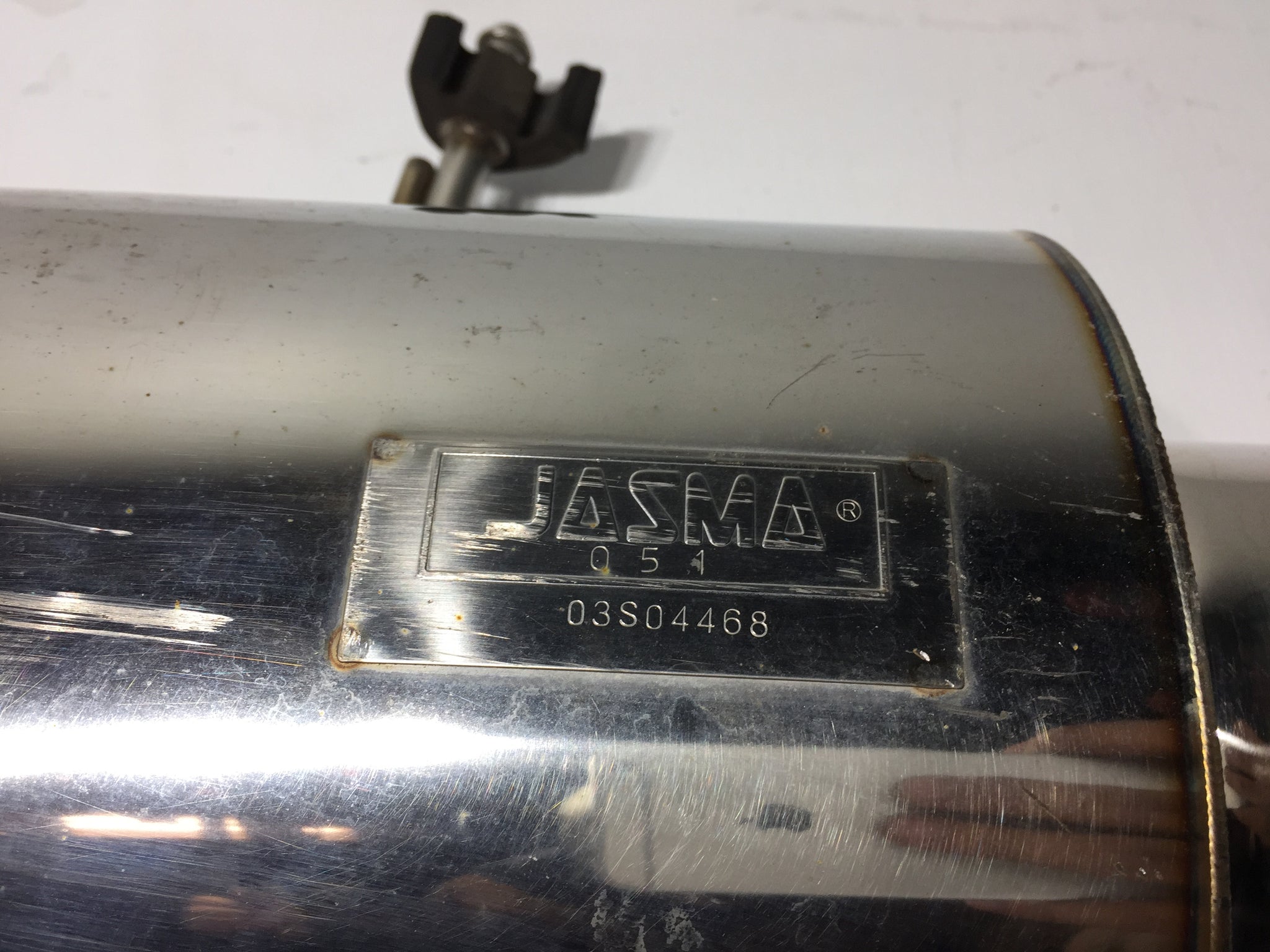
Your vehicle's exhaust system is a marvel of engineering, but for enthusiasts, that small metal tag attached to the muffler holds significant value. Whether you are prepping for a local car show or ensuring you pass a stringent vehicle inspection, maintaining the legibility of your identification plate is vital. This JASMA certification plaque restoration guide is designed to help you safely clean and preserve your hardware without compromising the critical laser-etched details that prove your exhaust's compliance.
Restoring a weathered plate requires a delicate touch; using the wrong chemicals or overly aggressive abrasive tools can permanently erase the serial number, rendering the tag useless for regulatory purposes. Throughout this guide, we will walk you through how to assess the condition of your plate, select the right non-corrosive cleaning agents, and perform a restoration that keeps your certification details crisp and readable. By following these professional-grade techniques, you can ensure your exhaust remains fully documented, preventing the need for an unnecessary JASMA certification plaque replacement while keeping your setup looking factory-fresh for years to come.
1. Comprehensive JASMA Certification Plaque Restoration Guide and Assessment

1.1 Understanding Material Composition and Damage Patterns
1.1.1 Identifying Alloy Types and Common Surface Finishes
Most JASMA certification plaques are manufactured from high-grade stainless steel or brushed aluminum to withstand the extreme thermal cycling inherent to exhaust systems. Understanding the specific material of your plaque is the first step in successful restoration. Stainless steel plates are generally more resilient and can handle slightly more aggressive cleaning agents, whereas aluminum plates often feature delicate anodized or clear-coated finishes that scratch easily. Before beginning, use a magnet to determine if the plate is magnetic (typically stainless steel) or non-magnetic (often aluminum). Identifying the finish—whether it is raw brushed metal, polished chrome, or a laser-etched dark coating—is vital to ensuring you do not strip away the factory aesthetic during your cleaning process.
1.1.2 Recognizing Signs of Oxidation, Pitting, and Chemical Staining
Exhaust components are constantly exposed to road salt, moisture, and high-heat carbon buildup, which accelerate plaque degradation. Surface tarnish often appears as a golden or rainbow-hued discoloration, which is typically a byproduct of intense heat and carbon accumulation. More severe damage, such as pitting, presents as tiny, dark crater-like indentations where the metal has been compromised by corrosive elements. Chemical staining occurs when road de-icing agents or harsh wheel cleaners react with the plaque's surface. Distinguishing between simple surface grime and deep pitting is essential, as deep corrosion often cannot be buffed out without professional intervention or the need for a JASMA certification plaque replacement.
1.2 Assessing Restoration Eligibility and Integrity
1.2.1 Distinguishing Between Surface Tarnish and Structural Corrosion
You can effectively assess your plaque's condition by running a fingernail over the surface. If the texture feels smooth despite the discoloration, the issue is likely just surface oxidation or baked-on carbon that can be removed with careful cleaning. If your nail catches in a depression or the metal feels rough and porous, you are dealing with structural corrosion or pitting. While oxidation is manageable at home, significant pitting indicates the metal has lost its integrity, and attempts to polish it further may lead to the permanent loss of the laser-etched serial numbers.
1.2.2 Determining When Professional Intervention is Required
If the serial number is already partially illegible or if the plaque shows signs of severe deep-tissue rust that has eaten through the stamped edges, it is best to stop. Excessive DIY polishing on a heavily corroded plate will often result in a "ghosted" or completely erased identification code. If your vehicle requires a mandatory inspection, remember that JASMA muffler inspection requirements often hinge on the legibility of these specific markings. If you cannot clearly read the serial number after a light cleaning, seeking professional metal restoration or a replacement is safer than risking a failed compliance check.
1.3 Essential Tools and Safety Preparations for DIY Restoration
1.3.1 Selecting Appropriate Microfiber Cloths and Non-Abrasive Cleaners
Using the wrong tools is the fastest way to ruin a certification plaque. Always opt for high-GSM (grams per square meter) microfiber cloths, which trap contaminants without scratching the surface. Avoid steel wool or heavy-duty scouring pads, as these will destroy the laser etching permanently. For cleaning, utilize a dedicated automotive metal polish that is marked as "non-abrasive." These products chemically lift tarnish rather than physically grinding away the top layer of metal, which is critical for preserving the depth of the serial number and certification logos.
1.3.2 Prioritizing Personal Protective Equipment and Ventilation
Restoration often involves cleaners that contain solvents or acids. Always wear nitrile gloves to protect your skin from chemical exposure and potential metal dust. Because these plaques are often cleaned while attached to the exhaust, ensure you are working in a well-ventilated area to avoid inhaling chemical fumes. If the muffler is recently used, allow the entire exhaust system to cool completely to room temperature before applying any liquid treatments, as heat can cause cleaners to flash-dry prematurely, leaving behind uneven streaks or chemical burns on the finish.
1.3.3 The Protocol for Inconspicuous Patch Testing Before Full Application
Never apply a new cleaning product or polish to the entire plaque at once. Start by applying a tiny amount of your chosen cleaner to a cotton swab or a small corner of your microfiber cloth. Test this on a discreet area, preferably near the edge of the plaque where the serial number is not stamped. Wait five minutes and observe if there is any discoloration or removal of the black filler ink often found in laser-etched characters. If the test area looks clean and the markings remain sharp, you can confidently proceed with the rest of the restoration process.
2. Technical Restoration Execution and Long-Term Preservation
2.1 The Step-by-Step Cleaning and Polishing Workflow
Restoring a JASMA certification plaque requires a methodical approach that prioritizes the preservation of the underlying metal and the critical serial number. Before beginning, ensure the exhaust system is completely cool to the touch.
2.1.1 Effective Methods for Removing Atmospheric Grime and Oils
Start by cleaning the surface of road debris, carbon buildup, and oil residue. Use a high-quality automotive degreaser diluted with water or a dedicated stainless steel cleaner. Apply the solution using a soft microfiber cloth, gently lifting surface contaminants rather than scrubbing. For stubborn, baked-on grime, a soft-bristled nylon brush can be used in small circular motions. Always rinse the plaque thoroughly with distilled water to prevent mineral spotting, and dry it immediately with a clean, lint-free towel.
2.1.2 Precision Techniques for Polishing Without Erasing Engraved Serial Numbers
When addressing oxidation or light pitting, choose a non-abrasive metal polish specifically designed for stainless steel or aluminum, depending on your muffler's construction. Apply a small amount of polish to a foam applicator or microfiber cloth—never directly to the plaque. Work in slow, linear motions following the grain of the metal. To protect the vital JASMA plate serial number verification, avoid aggressive circular polishing that can round off the crisp edges of the laser etching or stamping. If the serial number appears faint, focus your efforts on the surrounding area, using a cotton swab to navigate around the engraved characters to avoid mechanical wear.
2.1.3 Applying Protective Sealants and Microcrystalline Waxes for Longevity
Once the plaque is restored to your satisfaction, seal the surface to prevent future atmospheric oxidation. High-temperature synthetic sealants or microcrystalline waxes are ideal for this application, as they withstand the heat cycles inherent in exhaust systems. Apply a thin, even layer, allow it to cure according to the manufacturer's instructions, and gently buff it off. This creates a hydrophobic barrier against road salt and moisture.
2.2 Advanced Maintenance to Prevent Future Degradation
2.2.1 Establishing Seasonal Cleaning Routines for Harsh Environments
If you live in a region with heavy snowfall or high humidity, your exhaust hardware is prone to accelerated decay. Establish a routine that includes a thorough rinse of the undercarriage and the plaque during your regular wash cycle. During winter, ensure you remove road salts promptly to prevent chemical pitting.
2.2.2 Managing Exposure to Engine Heat, Moisture, and Road Chemicals
Consistent heat cycles can cause the metal to expand and contract, which may affect the adherence of protective waxes. Reapply your sealant every three to six months, or whenever you notice water beading on the surface begins to diminish. Keeping the area clean minimizes the risk of chemicals bonding to the metal.
2.3 Pitfalls to Avoid During the Maintenance Process
2.3.1 Risks Associated with Power Tools and Harsh Chemical Strippers
Never use power buffers or dremel tools for plaque restoration. The high friction and speed can generate excessive heat that discolors the metal and quickly obliterates fine engravings. Similarly, avoid industrial-strength acid-based cleaners, as these can permanently stain or etch the alloy finish.
2.3.2 Avoiding Abrasive Pads That Compromise Delicate Markings
Steel wool, scouring pads, and heavy-duty brushes should never touch the JASMA plaque. These materials are significantly harder than the plaque surface and will create deep scratches, compromising the legibility of the certification details.
2.3.3 Best Practices for Storing Removed or Spare JASMA Hardware
If you have a replacement plaque or have removed one for a specialized project, store it in an airtight bag with a silica gel packet. This prevents moisture-induced oxidation while the component is off the vehicle.
2.4 Frequently Asked Questions
2.4.1 Frequency Recommendations for Routine Maintenance
Perform a light cleaning during every major vehicle wash and a deep, protective wax application every 90 days to maintain optimal surface integrity.
2.4.2 Compatibility of Automotive Waxes on Certification Metals
Most high-quality carnauba or synthetic sealants are safe, provided they are rated for heat resistance. Always check the label to ensure they do not contain silicone or abrasive compounds.
2.4.3 Strategies for Restoring Illegible or Heavily Corroded Serial Numbers
If the serial number has faded due to physical wear, it cannot be "restored" through polishing. If the information is missing, it is best to consult with the manufacturer regarding official records or consider a formal replacement if the component is being prepared for a formal inspection.
2.4.4 Feasibility of Re-plating and Anodizing Damaged Finishes
While possible, professional re-plating often involves bead blasting or chemical stripping that may remove the original serial number markings. It is usually more practical to maintain the original finish or seek an authorized replacement plaque.
Restoring your JASMA certification plaque is more than just a cosmetic upgrade; it is a vital step in maintaining the long-term legitimacy and resale value of your exhaust system. By following the systematic cleaning and protection protocols outlined in this guide, you can successfully remove years of road grime and oxidation while keeping those critical serial numbers perfectly legible for future inspections. Remember that the integrity of the laser etching is paramount, so always prioritize gentle, non-abrasive methods over heavy-duty chemical or mechanical intervention.
If you find that your plaque is too weathered to be salvaged, or if the serial number has become illegible despite your best efforts, it may be time to look into a JASMA certification plaque replacement. Maintaining a clear, readable certification plate ensures you stay within regulatory requirements and avoid unnecessary friction during vehicle inspections. With a little patience and the right care, you can preserve the performance pedigree of your exhaust system for years to come. If you are unsure about the status of your hardware, always consult the latest guidelines regarding JASMA muffler inspection requirements to ensure your vehicle remains fully compliant and ready for the road.