
If you are an enthusiast of Japanese Domestic Market (JDM) vehicles, you have likely encountered the distinct metal plaque riveted to aftermarket mufflers, but performing an accurate JASMA exhaust identification tag decoding can be surprisingly nuanced. Whether you are verifying the authenticity of a high-performance system for a build or ensuring your vehicle meets specific street-legal noise requirements, understanding these tags is vital. The Japan Automotive Muffler Association (JASMA) serves as the gold standard for quality and sound regulation, providing peace of mind that a component is engineered to meet rigorous safety and acoustic criteria.
In this guide, we will walk you through the anatomy of these certification plates, how to decipher the manufacturer codes, and the steps required to verify your specific serial number. You will also learn how to maintain these tags for the long term and identify red flags that might indicate a counterfeit component. By mastering these details, you can confidently navigate the aftermarket landscape and ensure your vehicle remains compliant with both regulatory standards and your personal performance expectations.
For further assistance with official records, you can refer to our JASMA Certification Document Retrieval: Guide & Verification page to cross-reference your findings against official databases.
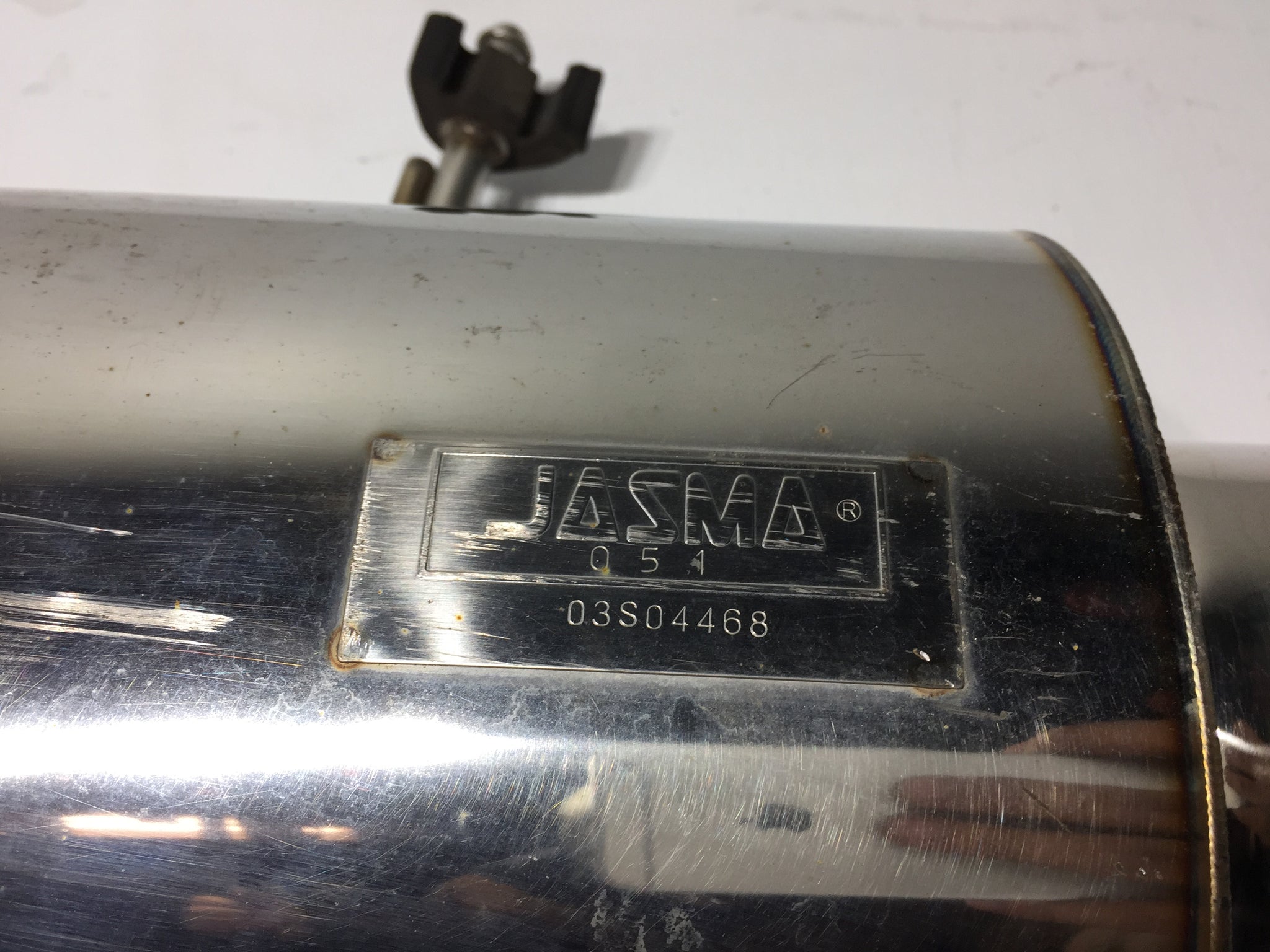
1. JASMA Exhaust Identification Tag Decoding and Manufacturer Verification

For enthusiasts of Japanese Domestic Market (JDM) vehicles, the metal plate welded onto an exhaust canister is more than just a piece of hardware; it is a mark of legal compliance and quality assurance. JASMA exhaust identification tag decoding is the essential first step in ensuring your vehicle's aftermarket setup meets specific sound and safety standards. These plates provide a verifiable link to the manufacturer’s original testing data, confirming that the muffler is not a counterfeit or an unregulated "race-only" component.
1.1 Understanding the Anatomy of a JASMA Metal Plate
A standard JASMA identification tag is typically a stamped or laser-etched stainless steel plate permanently affixed to the muffler body. These plates follow a standardized layout designed for easy inspection by regulatory bodies and automotive authorities. Understanding the specific alphanumeric strings on these tags is critical for anyone performing JASMA plate serial number verification.
1.1.1 Interpreting the Manufacturer Code and Sequential Certification Numbers
The code on your exhaust is usually broken down into two distinct sections. The first segment identifies the specific manufacturer registered with the Japan Automotive Sports Muffler Association. This is followed by a unique sequential certification number assigned to that specific exhaust model design. By looking at these figures, you can determine if the system was manufactured by a top-tier brand and when the certification was initially registered, which is vital for older, classic JDM builds.
1.1.2 Distinguishing Between Compliance Stamps and Product Serial Numbers
It is important not to confuse the JASMA certification number with the manufacturer's internal batch serial number. The JASMA tag specifically refers to the approval of the sound and performance specifications, whereas a product serial number relates to the factory production line. If you are struggling to verify the authenticity of your part, you can check our JASMA Plate Serial Number Verification: A Complete Guide to distinguish between these two sets of numbers correctly.
1.2 Step-by-Step Methodology for Locating and Deciphering Tags
Most JASMA tags are located on the underside of the muffler canister or near the exhaust tip, where they are visible during a standard vehicle inspection. If your tag is covered in road grime, carbon buildup, or surface rust, do not panic. Many collectors deal with obscured plates that can be restored with the right approach.
1.2.1 Techniques for Cleaning and Restoring Rusted or Obscured Identification Plates
To restore a damaged plaque, avoid using heavy abrasives that might erase the stamped lettering. Instead, use a mild metal polish and a soft microfiber cloth to remove surface oxidation. If the engraving is filled with debris, a soft-bristled brass brush can gently clear the channels without marring the finish. For more advanced cases, consider utilizing specialized restoration methods that protect the integrity of the original metal stamp.
1.2.2 Strategies for Cross-Referencing Unknown Codes via the Official JASMA Database
Once the characters are legible, the final step involves matching them against the master registry. The official database is the primary source of truth for all JASMA certified exhaust systems. If you have a partial code, cross-reference it with historical records to see if the manufacturer has since been rebranded or discontinued, which is common for smaller aftermarket firms from the 1990s and early 2000s.
1.3 Essential Reference List for Top Tier JDM Exhaust Manufacturers
Knowing which manufacturers are standard-bearers helps in quickly identifying the pedigree of a used exhaust system. While hundreds of companies have sought certification over the decades, a handful of names consistently appear on the most highly sought-after parts.
1.3.1 Identifying Major Brands Including Fujitsubo HKS and Trust GReddy
Fujitsubo, HKS, and Trust (GReddy) represent the gold standard of JDM engineering. These manufacturers have long maintained strict adherence to JASMA noise level standards, ensuring that their systems provide a distinct, deep tone without exceeding local decibel caps. When you encounter a plate from these brands, it is almost certainly a legitimate, street-legal unit.
1.3.2 Identifying Niche or Discontinued Manufacturers Through Historical Records
The aftermarket scene is littered with smaller, boutique Japanese exhaust tuners that may no longer exist. If your tag bears a name you do not recognize, do not assume it is fake. Many high-quality, niche manufacturers obtained JASMA certification during the peak of the JDM era. Consulting vintage automotive catalogs or specialized JDM forums can often shed light on these obscure brands, confirming their original status as certified, high-performance components.
2. Legal Compliance and Authenticity Standards for JASMA Certified Exhausts
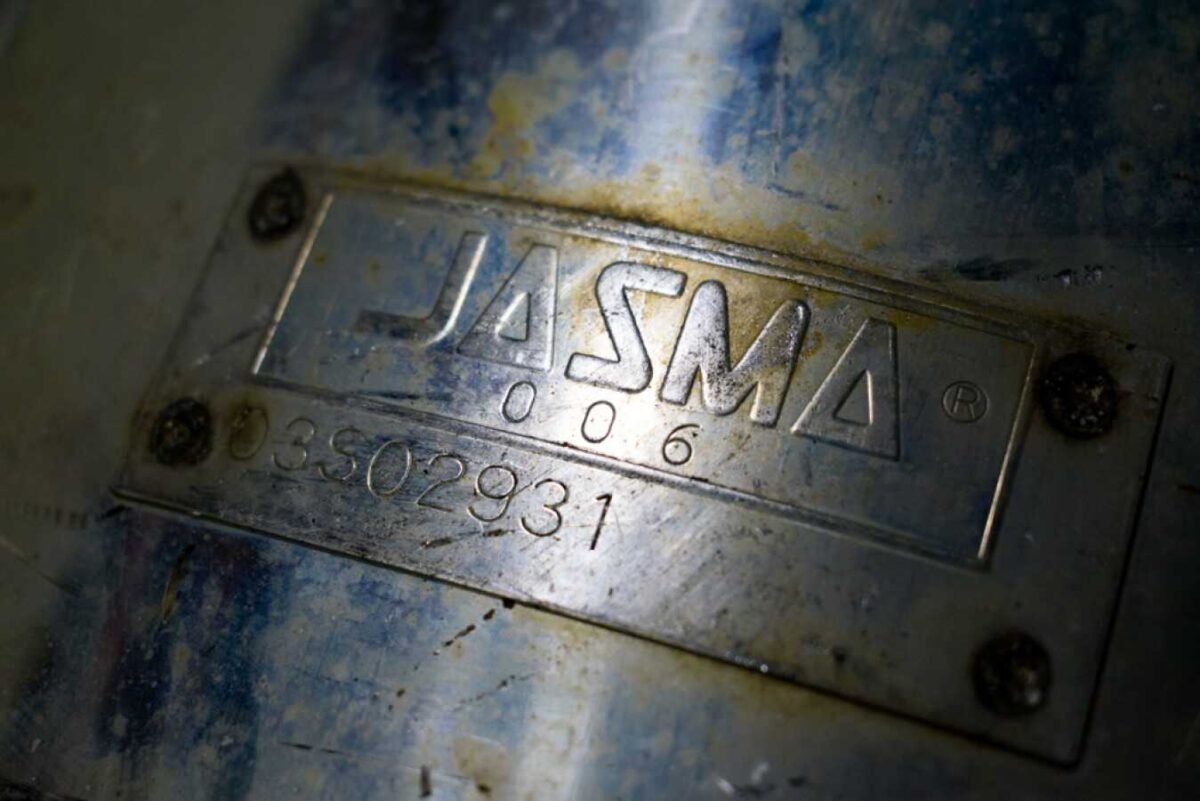
2.1 Assessing the Physical Integrity of the JASMA Tag
The JASMA plate is more than just a decorative feature; it is a legal document etched in metal. Ensuring the physical integrity of this tag is the first step in confirming that your component meets the rigorous JASMA exhaust noise level standards. Because these plates are exposed to extreme heat, road salt, and debris, they often suffer from oxidation or physical damage. However, a heavily corroded plate does not automatically mean the exhaust is invalid—provided the essential serial information remains legible.
2.1.1 Common Red Flags Identifying Counterfeit or Replica Exhaust Components
The aftermarket industry is unfortunately rife with replica components that mimic the aesthetic of high-end Japanese exhaust systems without adhering to strict quality controls. A major red flag is the presence of a "JASMA" stamp that appears printed, stickered, or laser-etched with inconsistent depth. Authentic plates use deep, high-precision stamping or engraving that interacts with the metal surface consistently. If the plate is made of low-grade aluminum that feels flimsy, or if the rivet holes appear hand-drilled rather than factory-punched, proceed with caution. Genuine JASMA certified exhaust systems feature plates with uniform depth in the lettering, ensuring they survive the thermal expansion and contraction cycles of a performance exhaust.
2.1.2 Evaluating Engraving Depth and Material Quality to Determine Authenticity
Authentic tags are designed to last the lifetime of the vehicle. When examining the plaque, check for the characteristic contrast between the recessed characters and the surrounding metal. Counterfeiters often use shallow acid-etching or thin metal stock that bends easily. You should be able to feel the depth of the serial numbers with your fingernail. If you find yourself struggling to identify the legitimacy of your unit, consulting a JASMA Plate Serial Number Verification: A Complete Guide can help you cross-reference the physical manufacturing marks against documented production runs.
2.2 Navigating US Street Legality and Performance Expectations
While JASMA certification is a voluntary industry standard in Japan focused on noise attenuation, its relevance in the U.S. is often misunderstood. In many U.S. jurisdictions, "street legal" status is determined by state-specific exhaust noise ordinances and emissions regulations rather than foreign certification plaques.
2.2.1 Balancing Decibel Limitations with Expected Horsepower Gains
Performance enthusiasts often worry that a JASMA-certified muffler will stifle their engine's potential. In reality, these systems are engineered to provide a sophisticated balance. They optimize exhaust gas velocity and backpressure to improve power delivery while using advanced baffling to ensure the decibel output remains within the mandated range. This engineering allows for a deeper, more refined exhaust note that avoids the raspy, drone-heavy frequencies typical of lower-quality, uncertified aftermarket systems.
2.2.2 Clarifying the Legal Status of JASMA Certified Mufflers During State Inspections
In the United States, a JASMA plate acts as an indicator of build quality, but it does not serve as a replacement for federal or state emissions compliance. During state inspections, officials look for the presence of catalytic converters and the absence of excessive noise. Because JASMA systems are designed to comply with strict Japanese road laws, they are often quieter than other performance exhausts, which generally helps owners pass local sound pressure tests. However, always ensure your entire exhaust configuration, including headers and mid-pipes, conforms to local regulations to avoid complications during technical inspections.
2.3 The Impact of JASMA Certification on Resale Value and Marketability
Exhaust systems are significant investments, and collectors of JDM (Japanese Domestic Market) vehicles place a high premium on components that retain their original certification documentation.
2.3.1 Why Collectors Prioritize Exhausts with Fully Legible Original Tags
For the collector, a JASMA tag serves as a provenance marker. It confirms the exhaust is an original, production-spec item from a reputable manufacturer rather than a modified or "Frankenstein" system. A system with a clean, identifiable tag signals that the exhaust has been treated with care, preserving the vehicle's historical and aesthetic integrity.
2.3.2 Distinguishing Between JASMA Approved Systems and Competition-Only Race Exhausts
It is vital to distinguish between a street-intended, JASMA-compliant system and a "competition-only" exhaust. Competition exhausts are designed for maximum airflow with little to no regard for noise pollution; they often lack tags entirely or feature "not for street use" labels. By keeping your JASMA tag intact and legible, you clarify that your vehicle retains a sophisticated, road-ready setup, which significantly enhances its appeal to prospective buyers who prioritize streetability and quality engineering.
Mastering JASMA exhaust identification tag decoding is more than just a technical exercise; it is an essential practice for any enthusiast looking to maintain the integrity, legality, and value of their vehicle. By understanding how to read these plaques, you gain the ability to verify that your exhaust system meets specific noise and quality standards, effectively separating genuine certified components from replicas or competition-only hardware. Whether you are performing routine maintenance or conducting a deep dive into your vehicle’s history, these identification plates serve as the definitive record of your exhaust’s pedigree.
If you find that your identification tag is missing, damaged, or obscured by time, remember that proactive care—such as gentle cleaning or referring to official manufacturer databases—is the best way to protect your investment. Maintaining these records not only helps with potential state inspections but also safeguards your car's resale value, as collectors and savvy buyers prioritize vehicles with fully documented and verified modifications. To ensure you stay informed on the latest standards and verification protocols, feel free to visit our comprehensive guide on JASMA plate serial number verification. By keeping your documentation up to date, you can enjoy the enhanced performance and distinct sound profile of your JDM exhaust with total peace of mind.