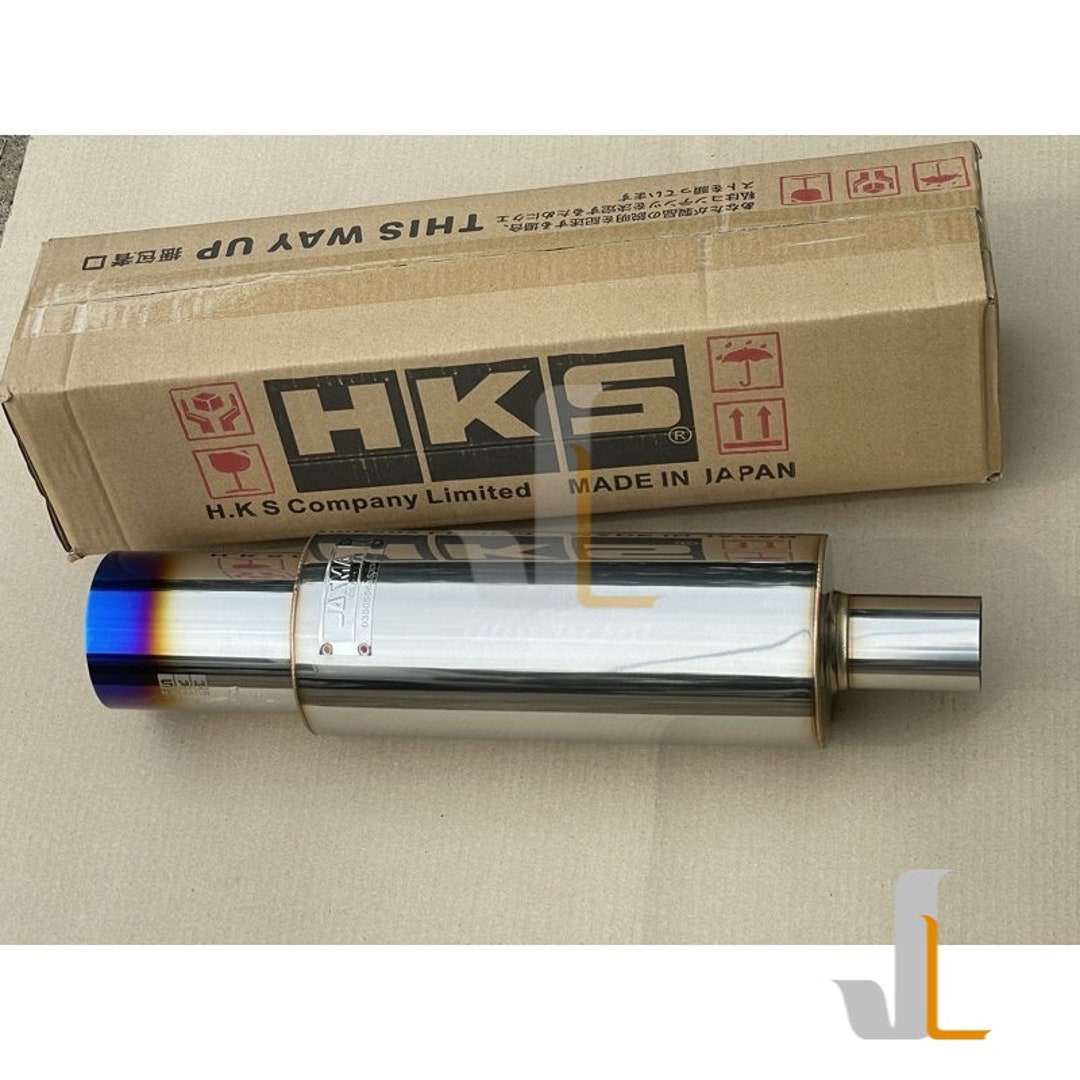
For enthusiasts of Japanese domestic market vehicles, the sight of a JASMA badge on an aftermarket exhaust is often seen as a mark of quality and engineering excellence. However, if you are driving on public roads in the United States, understanding JASMA exhaust sound level legal limits is essential to avoid unwanted attention from law enforcement. While these systems are rigorously tested in Japan to ensure they meet specific noise and performance criteria, it is a common misconception that this certification automatically equates to street legality under American traffic laws. Navigating the complex landscape of federal guidelines and state-specific noise ordinances can be challenging for any car owner.
In this guide, we will break down what the JASMA standard actually represents, why it does not bypass U.S. emissions or noise requirements, and how to stay compliant with local regulations. Whether you are dealing with a routine inspection or simply want to ensure your vehicle remains within acceptable decibel thresholds, our JASMA muffler inspection requirements guide provides the clarity you need to enjoy your performance upgrades with peace of mind.

1. Understanding JASMA Exhaust Sound Level Legal Limits and Regulatory Status
1.1 Deciphering the JASMA Standard and Its Performance Intent
1.1.1 Defining the Japan Automotive Sports Muffler Association
The Japan Automotive Sports Muffler Association (JASMA) is a non-profit organization established in Japan to standardize the quality and sound output of aftermarket exhaust systems. Unlike generic performance mufflers that prioritize raw power without regard for noise pollution, JASMA-certified products are engineered to balance enhanced airflow with strict volume constraints. The association creates a self-regulatory framework that ensures aftermarket mufflers remain within socially acceptable noise ranges while still providing the sporty exhaust note enthusiasts desire.
1.1.2 The technical criteria behind JASMA certification badges
A JASMA badge is not merely a decorative emblem; it signifies that the exhaust system has undergone rigorous testing to verify its acoustic performance. These units must meet specific decibel caps established by the Japanese Ministry of Land, Infrastructure, Transport, and Tourism. To maintain this certification, manufacturers must ensure their products demonstrate durability and consistent sound suppression over their operational lifespan. Understanding the JASMA exhaust noise level standards is essential for owners, as it defines the technical baseline for these components.
1.1.3 Distinguishing JASMA-certified systems from race-only components
It is vital to recognize that JASMA certification is explicitly designed for street-legal usage. Race-only components, by contrast, are often straight-through designs without internal baffles or resonators, intended solely for track environments where noise restrictions are either absent or governed by different bodies. A JASMA-certified exhaust incorporates complex internal chambers or high-quality packing materials to reduce decibel levels, distinguishing them from track-focused systems that prioritize weight reduction and maximum exhaust scavenging over environmental noise compliance.
1.2 The Regulatory Divide Between Japan and the United States
1.2.1 Why JASMA certification does not grant street legality in the U.S.
While a JASMA badge proves a product meets high standards in Japan, it holds no legal standing in the United States. Federal and state laws in the U.S. do not recognize foreign aftermarket certifications. Consequently, installing a JASMA-certified muffler does not grant an automatic exemption from local noise ordinances or vehicle equipment laws. Owners must ensure their modifications comply with state-specific regulations, regardless of the quality or certification status of the imported part.
1.2.2 Federal Clean Air Act requirements regarding exhaust modification
Under the federal Clean Air Act, it is illegal to tamper with or remove emissions control equipment. While a cat-back exhaust system is generally considered an aftermarket modification that typically does not interfere with emissions hardware, the legal landscape is complex. If an exhaust modification alters the vehicle’s ability to pass an OBDII scan or modifies the catalytic converter’s functionality, it violates federal law. JASMA systems must be installed in a way that respects these federal emissions parameters to avoid non-compliance.
1.2.3 Differences between federal emissions compliance and state noise ordinances
Emissions compliance and noise ordinances operate under different jurisdictions. Federal laws primarily govern emissions, while state and local municipalities manage noise levels. A vehicle may be fully emissions-compliant but still face citations if the exhaust exceeds the local decibel limit. Because JASMA standards are based on Japanese laws, they do not necessarily align with the specific measurement methods or noise caps enforced by individual U.S. states.
1.3 Analyzing Decibel Thresholds in American Jurisdictions
1.3.1 Common state noise limits and the California 95 dB benchmark
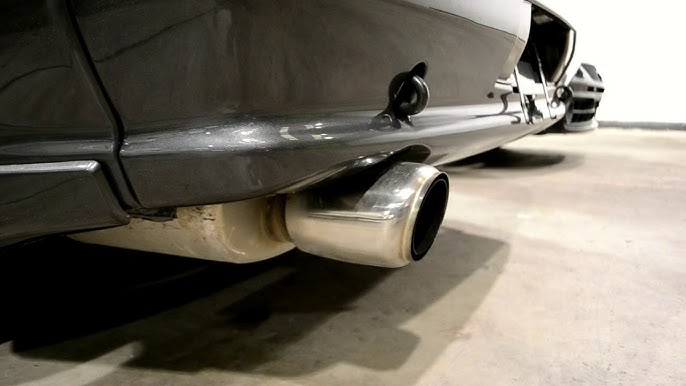
Noise limits vary drastically across the United States. For instance, California is well-known for its strict 95-decibel limit for aftermarket exhaust systems. Other states may rely on subjective standards, such as whether an exhaust is "excessively loud" or emits a "notably annoying" noise. Because JASMA systems are often designed to be relatively quiet, they are more likely to fall under these caps than aggressive, uncertified racing exhausts, but they are not guaranteed to be compliant in all jurisdictions.
1.3.2 How law enforcement utilizes stationary versus moving sound testing
Law enforcement agencies typically utilize two methods for noise enforcement. Stationary testing involves measuring decibels while the engine is revving in neutral, often at a set percentage of the engine's redline. Moving or drive-by testing measures sound as the vehicle passes a microphone. Because JASMA-certified mufflers are designed with consistent backpressure and sound wave cancellation, they often perform well during these tests. However, if the exhaust packing has degraded, even a certified unit can fail these objective tests.
1.3.3 The legal risks of fix-it tickets and exhaust-related citations
The primary risk for enthusiasts with aftermarket exhausts is the "fix-it" ticket, which requires the owner to revert the vehicle to stock condition and have it signed off by an authorized inspection station. In some cases, fines can be significant, or the vehicle may be prohibited from being driven until the modification is removed. Proving that an exhaust is "street legal" often requires documentation or official testing, and an officer may issue a citation regardless of the presence of a JASMA plate if they deem the vehicle too loud.
2. Managing JASMA Exhaust Performance and Long-Term Compliance
2.1 Real-World Sound Output and Vehicle Variables
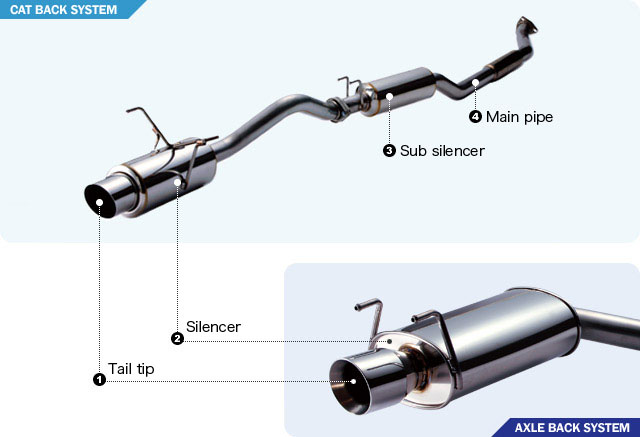
Even if you have installed a system that meets original JASMA exhaust noise level standards, external factors will inevitably change how your vehicle sounds over time. Mufflers function by using internal packing material—usually fiberglass or steel wool—to absorb sound waves. As the exhaust cycles through heat and pressure, this packing gradually degrades or burns off, causing the muffler to lose its sound-dampening efficiency. This is why a system that was whisper-quiet when new might start to sound aggressive after several years of hard driving.
Furthermore, engine displacement and intake configurations play a significant role in resonance. A high-compression engine or an open-element intake will fundamentally change the exhaust note, potentially pushing your decibel output higher than what the manufacturer intended. You can verify your current status by conducting DIY sound checks using SAE J1169 testing standards, which involve measuring noise levels at a consistent distance and angle from the exhaust tip while the engine is held at a specific RPM. Keeping a record of these tests can be helpful if you ever need to provide evidence of compliance during a roadside inspection.
2.2 Maintenance and Best Practices for Aftermarket Exhausts
To keep your system within legal limits, you must treat your exhaust as a wear-and-tear component rather than a "set it and forget it" part. Periodic muffler repacking is the most effective way to restore the original acoustic profile. If you notice a metallic rasp or an increase in volume during highway cruising, your packing has likely deteriorated. If the decibel level consistently exceeds local thresholds, you may be required to reinstall stock components, especially if you are preparing for a specific vehicle registration inspection.
Understanding the JASMA muffler inspection requirements is key to avoiding unnecessary fines. Knowing when your exhaust has outlived its acoustic dampening capability allows you to proactively service the unit before it becomes a legal liability.
2.3 Navigating Enforcement and Insurance Considerations
Interactions with law enforcement regarding imported parts can be tricky. Officers generally rely on visual cues, such as the presence of a certification badge, but they also prioritize subjective noise complaints. Always keep documentation related to your exhaust system in the glovebox; while a JASMA plate doesn't guarantee immunity from local noise ordinances, it demonstrates a commitment to engineering standards rather than reckless modification. Additionally, be aware that significantly altering your exhaust can impact vehicle registration in certain states. It is also wise to check with your insurance provider, as some policies may consider major exhaust modifications as "performance enhancements" that could potentially void specific coverage if not disclosed.
2.4 Frequently Asked Questions About JASMA Compliance
Many owners wonder if a JASMA badge is sufficient for state highway patrol inspections. The short answer is no; most U.S. jurisdictions operate under their own local noise codes, and an international certification badge does not override federal or state law. While JASMA exhausts are often engineered to be more refined than generic, "off-the-shelf" aftermarket systems, they are not inherently quieter in every application. Finally, remember that the serial numbers on your JASMA plates serve as a unique identifier that allows inspectors to trace the specific testing data for that muffler, which can be useful if a dispute regarding the component’s origin arises.
Navigating the complexities of JASMA exhaust sound level legal limits requires a balanced approach between your passion for performance and an understanding of local regulations. While JASMA certification represents a gold standard in Japanese engineering for noise control and build quality, it is vital to remember that these badges do not supersede the specific noise ordinances or federal emissions mandates found within the United States. Achieving a street-legal setup involves more than just selecting a high-quality component; it demands consistent maintenance, such as periodic repacking of your muffler to ensure you remain within decibel thresholds.
Ultimately, your responsibility as a car enthusiast is to stay informed about how your modifications interact with both your vehicle’s health and the law. By utilizing the proper resources, including JASMA plate serial number verification, you can ensure your system is authentic and performing as intended. Regular self-checks and a proactive approach to equipment upkeep will not only keep your vehicle compliant during inspections but also ensure you enjoy your performance upgrades without the stress of unnecessary citations. Keep your exhaust system well-maintained, stay aware of your state’s specific noise laws, and continue to prioritize both automotive excellence and legal mindfulness on the road.