Achieving the perfect exhaust note is a pursuit that balances raw engine power with acoustic refinement, and the performance muffler sound absorption coefficient sits at the heart of this engineering challenge. Whether you are aiming to eliminate interior cabin drone or searching for a deep, aggressive growl under heavy acceleration, understanding how your muffler materials interact with exhaust sound waves is essential. The absorption coefficient is more than just a technical metric; it is the fundamental indicator of how effectively your muffler converts sound energy into heat, dictating the overall tonal quality of your vehicle.
In this guide, we break down the physics behind acoustic dampening and explain how internal design choices impact your car's sound profile. You will learn why packing density matters, how different fiber materials perform under extreme heat, and how to balance flow dynamics for optimal horsepower. By mastering these acoustic principles, you can make informed decisions when upgrading or tuning your exhaust system for a more sophisticated driving experience.
1. Principles of Performance Muffler Sound Absorption Coefficient and Acoustic Physics

1.1 Understanding the Sound Absorption Coefficient Alpha
1.1.1 Defining the 0 to 1 Scale of Acoustic Energy Conversion
The performance muffler sound absorption coefficient, often denoted as alpha (α), serves as the primary metric for how effectively a material converts acoustic energy into thermal energy. On this scale, a coefficient of 0 indicates that all sound energy is reflected back into the exhaust stream, while a value of 1.0 represents total absorption. In the context of automotive exhaust systems, no material reaches a perfect 1.0; instead, high-quality packing materials strive for values between 0.6 and 0.9 across targeted frequency ranges. This conversion is the fundamental process that prevents harsh, metallic sound waves from escaping the tailpipe, ultimately dictating the refinement of the exhaust note.
1.1.2 Thermal Transformation of Sound Waves within Packing
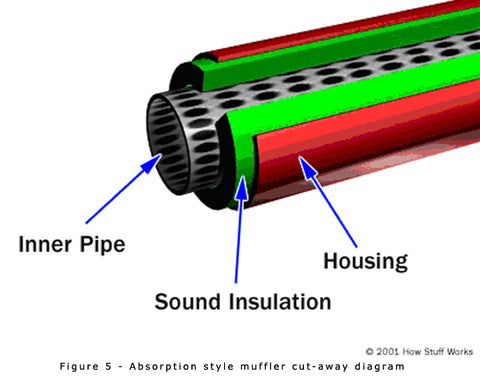
Sound is a pressure wave that travels through exhaust gas. When these waves strike the packing material inside a muffler, they cause the individual fibers to oscillate. This movement creates friction against the gas molecules, effectively converting the kinetic energy of the sound pressure into minute amounts of heat. Because exhaust systems generate immense temperatures, the chosen packing must maintain its structural integrity while facilitating this thermal conversion process.
1.2 Frequency-Dependent Absorption Dynamics
1.2.1 Challenges of Low-Frequency Drone at Idle
Low-frequency noise, often perceived as an irritating cabin drone, remains the most difficult spectrum to manage. These long-wavelength sound waves possess high energy and typically pass through standard glass-wool packing with minimal resistance. Managing these frequencies often requires sophisticated resonator acoustic wave interference techniques to cancel out specific harmonics before they reach the rear muffler.
1.2.2 Managing High-Frequency Waveforms at High RPM
High-frequency sounds, characterized by a raspier tone at high engine speeds, are significantly easier to dampen. These shorter waves interact readily with dense packing fibers, where they are trapped and dissipated. By tuning the muffler's internal volume and packing density, engineers can effectively strip away the "tinny" high-frequency noise while preserving the deeper, more aggressive engine growl desired by performance enthusiasts.
1.3 Comparative Analysis of Packing Materials
1.3.1 Material Density and Temperature Tolerance Profiles
The efficacy of a muffler relies heavily on the packing's ability to withstand extreme thermal cycling. Material density must be calibrated precisely; if the packing is too loose, the gas flow will create voids, leading to premature acoustic failure. If it is too dense, the exhaust gas velocity may be impeded. High-performance units often feature multi-layered packing to balance heat resistance with sound attenuation.
1.3.2 Glass-wool vs. Basalt and Synthetic Fiber Efficacy
While traditional glass-wool is cost-effective, it often degrades rapidly under high-heat, high-vibration conditions. Basalt-based fibers offer superior temperature tolerance and acoustic stability, making them a preferred choice for high-output engines. Synthetic fibers are also gaining traction for their ability to maintain consistent absorption coefficients even after thousands of miles of operation, resisting the structural breakdown common in cheaper, organic-based alternatives.
1.3.3 Evaluating Packing Degradation and Lifespan
Over time, constant pressure pulsations cause packing to migrate, settle, or burn away. Once the material thins, the absorption coefficient drops, resulting in a significantly louder and often raspier exhaust note. Regular inspection of the muffler internal volume is essential to ensure that the acoustic dampening remains within the designed parameters for both performance and noise compliance.
1.4 Engineering the Muffler Environment
1.4.1 Impact of Perforated Tube Diameter on Absorption
The internal high-performance muffler internal perforation patterns define how much exhaust gas—and sound—is exposed to the packing. Larger perforation holes allow more sound waves to reach the absorption material, increasing overall dampening but potentially weakening the tube's structural integrity. The spacing and pattern of these holes must be optimized to maximize acoustic energy transfer without causing excessive turbulence.
1.4.2 Geometry and Air Gap Dimensions
The air gap between the perforated core and the outer muffler casing acts as a resonant chamber. The size of this gap determines which specific frequencies are prioritized for cancellation. By adjusting this space, engineers can fine-tune the sound profile, ensuring that the exhaust note remains sophisticated rather than chaotic, even under heavy load conditions.
1.4.3 Gas Velocity and Backpressure Trade-offs
Every performance muffler design involves a delicate balance between noise suppression and flow efficiency. Maximizing absorption requires internal complexity, which can inadvertently create backpressure. Achieving an ideal performance muffler sound absorption coefficient requires a design that forces sound waves into the packing while allowing the main exhaust gas column to pass through with minimal restriction, ensuring that horsepower gains are not sacrificed for silence.
2. Evaluating Muffler Performance Through Measurement and Practical Application
2.1 Metrics and Testing Methodologies
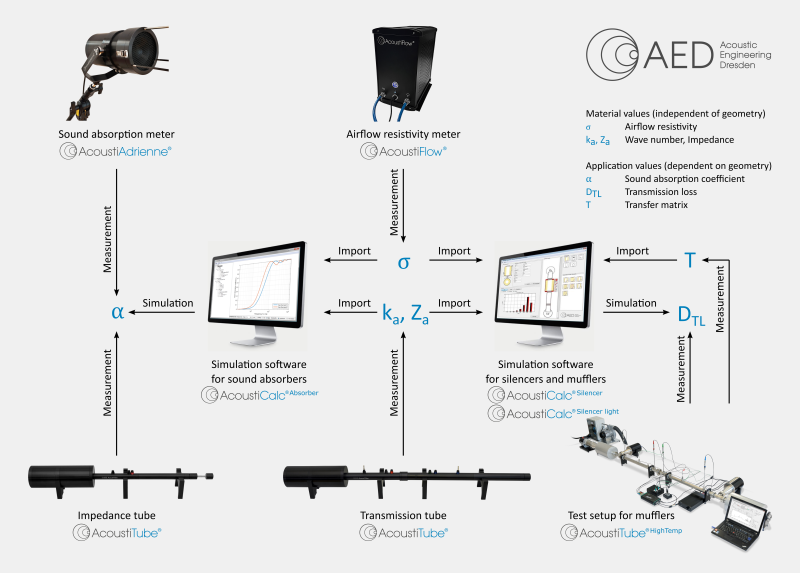
Quantifying the effectiveness of a muffler requires moving beyond subjective volume assessments. To truly understand the performance muffler sound absorption coefficient, engineers must distinguish between sound transmission loss and actual absorption. Transmission loss refers to the muffler’s ability to prevent sound from exiting the system, typically through reflection or destructive interference. In contrast, absorption is the physical conversion of acoustic energy into heat as sound waves penetrate the porous internal packing materials.
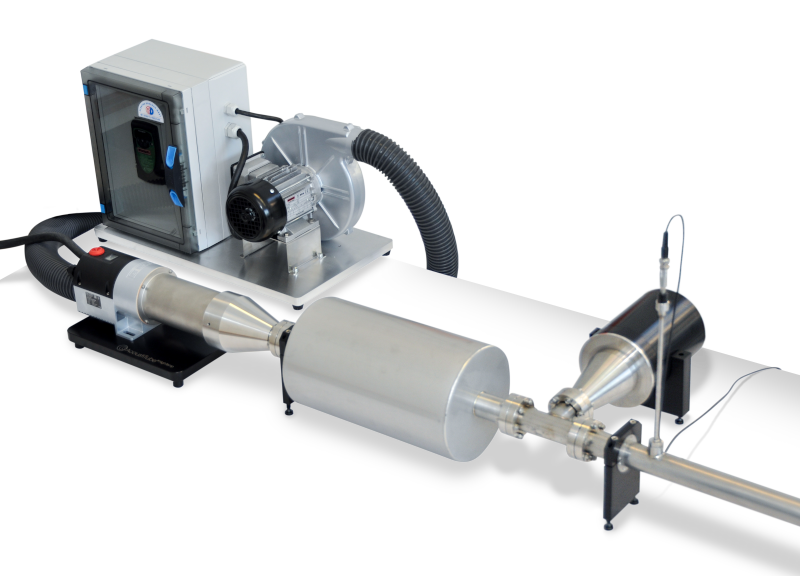
To measure these characteristics, manufacturers utilize impedance tube testing. By placing a sample of the internal packing material within a specialized tube and subjecting it to controlled sound waves, they can map the frequency response analysis of the material. This bench data provides a granular view of how effectively the muffler dampens specific acoustic frequencies before the assembly is even welded shut. Correlating this lab data to real-world decibel levels is the final hurdle, as high-speed exhaust gas pulses, varying temperatures, and pipe vibrations create a complex acoustic environment that bench testing cannot fully replicate. A muffler that performs perfectly in a static test may behave differently under the intense heat and pressure fluctuations of a high-revving engine.
2.2 Balancing Acoustic Tone and Exhaust Efficiency
Designing a high-performance exhaust is a delicate balancing act between achieving a refined acoustic note and maintaining optimal engine output. The goal is to design for the desired exhaust note while minimizing the "drone" typically associated with straight-through designs. This often involves applying resonator acoustic wave interference to cancel out specific, intrusive low-frequency nodes that plague the cabin at highway cruising speeds.
Simultaneously, engineers must ensure that these noise-reduction strategies do not compromise flow dynamics. Excessive internal baffling can increase backpressure, which negatively impacts engine scavenging and horsepower. Performance enthusiasts often look for internal designs that prioritize a straight-through path for high-velocity gases while using strategic packing densities to absorb high-frequency noise. By optimizing the perforation diameter of the internal core, designers can ensure that the exhaust gas flows with minimal resistance while the packing material remains effective at mitigating harsh metallic frequencies.
2.3 Maintenance and Selection for Performance Enthusiasts
Even the most advanced muffler design will eventually show signs of wear. Packing material breakdown is a common issue, often signaled by a gradual increase in exhaust volume and a "raspy" or tinny tone that wasn't present when the unit was new. This degradation happens as the high-temperature pulses of the engine slowly erode the internal fibers. Recognizing these signs early is key to maintaining your vehicle's intended sound profile.
When selecting a new unit, enthusiasts must choose between chambered and straight-through designs. Chambered mufflers rely on reflection and expansion to control noise, whereas straight-through models depend entirely on absorption coefficients. If you opt for a high-performance straight-through setup, you should be prepared for the realities of long-term maintenance. Many premium performance mufflers now feature modular designs that allow for DIY muffler repacking, ensuring you can restore the factory-specified sound levels without needing to replace the entire exhaust system. Following these maintenance practices preserves both the performance and the acoustic integrity of your setup over the life of the vehicle.
Understanding the performance muffler sound absorption coefficient is more than just a technical exercise; it is the cornerstone of building an exhaust system that balances raw power with acoustic refinement. By grasping how sound waves are converted into thermal energy through specific packing materials, you move from guesswork to precision tuning. Whether you are aiming to eliminate interior cabin drone or optimize your exhaust gas velocity for better performance, the relationship between internal perforation patterns, material density, and gas flow is what separates a generic setup from a high-performance build.
As you refine your vehicle’s sound profile, remember that every component plays a role in the final output. Consistent maintenance, such as monitoring packing degradation and ensuring your system meets JASMA exhaust sound level legal limits, ensures your car remains both potent and compliant. If you are ready to take your project to the next level, start by evaluating your current muffler's internal geometry and consider whether an upgrade could better align your exhaust note with your engine's true potential. Precision in design leads to performance on the road, so choose your materials wisely and tune with intent.