
When you invest in a performance exhaust, you expect a blend of increased power, a refined exhaust note, and long-term reliability. However, not all aftermarket systems are built to withstand the rigors of daily driving and aggressive spirited use. This is where JASMA exhaust system durability testing becomes a vital benchmark for automotive enthusiasts. Unlike generic aftermarket components, systems that carry the Japan Automotive Sports Muffler Association (JASMA) certification have undergone rigorous evaluation to ensure they meet stringent structural and acoustic standards. By prioritizing engineering integrity, these systems bridge the gap between high-performance output and legal, long-term road compliance. In this guide, we will explore the technical protocols behind these durability tests, why they are essential for your vehicle’s lifespan, and how you can verify that your hardware is truly certified to last. Whether you are looking to maintain your current system or authenticate a new purchase, understanding these standards is key to protecting your investment.
1. Engineering and Protocols of JASMA Exhaust System Durability Testing
1.1 Understanding the JASMA Certification Framework
1.1.1 Defining the Japan Automotive Sports Muffler Association standards
The JASMA certification represents a gold standard in the automotive aftermarket, ensuring that performance exhaust systems meet rigorous Japanese government regulations. Rather than being a simple badge of approval, JASMA exhaust system durability testing is a comprehensive evaluation process that confirms a muffler’s longevity and noise compliance. These standards are designed to bridge the gap between high-performance aspirations and the necessity for quiet, street-legal operation, ensuring that your vehicle remains compliant with strict sound density requirements even after years of aggressive use.
1.1.2 Distinguishing between street-legal compliance and racing-only hardware
It is vital to recognize that JASMA-certified products are engineered specifically for public road use. While racing-only exhaust hardware often prioritizes absolute weight reduction or unrestricted flow at the expense of decibel levels and material longevity, JASMA systems are subjected to strict street-legal compliance testing. This distinction is crucial for enthusiasts; certified systems must prove they can withstand the rigors of daily driving—including harsh weather and constant thermal stress—without drifting outside of mandated noise thresholds. Learn more about the specifics of JASMA exhaust noise level standards to better understand how these systems maintain balance between performance and legality.
1.2 Structural Integrity and Material Resilience
1.2.1 Advanced thermal cycling and vibration stress analysis
Durability testing for these systems goes well beyond basic visual inspections. Manufacturers utilize thermal cycling chambers that mimic the intense expansion and contraction cycles an exhaust endures during repeated heating from the engine and cooling in ambient temperatures. Vibration stress analysis is simultaneously applied to ensure that internal baffles, mounting points, and welds do not develop fatigue cracks. This rigorous testing ensures that the structural integrity remains uncompromised even under the high-frequency vibrations common in tuned engines.
1.2.2 Corrosion resistance testing for high-grade SUS304 stainless steel and titanium
Because the exhaust system is constantly exposed to road salt, moisture, and extreme heat, material selection is non-negotiable. Certified JASMA components typically utilize high-grade SUS304 stainless steel or aerospace-grade titanium. Testing protocols require these materials to undergo accelerated salt-spray aging tests to ensure they resist surface oxidation and intergranular corrosion. This commitment to metallurgical quality is why genuine JASMA systems exhibit a significantly longer service life compared to generic aftermarket alternatives.
1.3 Long-term Acoustic Performance and Internal Packing
1.3.1 Mechanisms used to prevent sound attenuation degradation
One of the most significant challenges in exhaust design is maintaining JASMA exhaust sound attenuation technology over time. As internal packing materials—typically composed of glass wool or stainless steel wool—break down due to heat and exhaust gas velocity, a muffler can become progressively louder, eventually failing noise compliance tests. Certified systems utilize high-density, heat-resistant packing and proprietary baffle layouts designed to minimize gas bypass, ensuring the system retains its intended acoustic signature throughout its operational life.
1.3.2 Why certified systems maintain volume standards throughout their lifecycle
The durability testing process explicitly measures the change in decibel levels after the exhaust has been subjected to endurance cycles. By quantifying exactly how much internal packing settles over thousands of miles, engineers can design the chamber volume to remain within legal limits permanently. This foresight prevents the common issue of aftermarket mufflers "opening up" or becoming raspy and excessively loud as they age, providing owners with consistent, reliable performance that satisfies both the enthusiast’s ear and local noise ordinances.
2. Verification, Maintenance, and Real-World Application of JASMA Systems
2.1 Authenticating Genuine Components for Long-Term Reliability
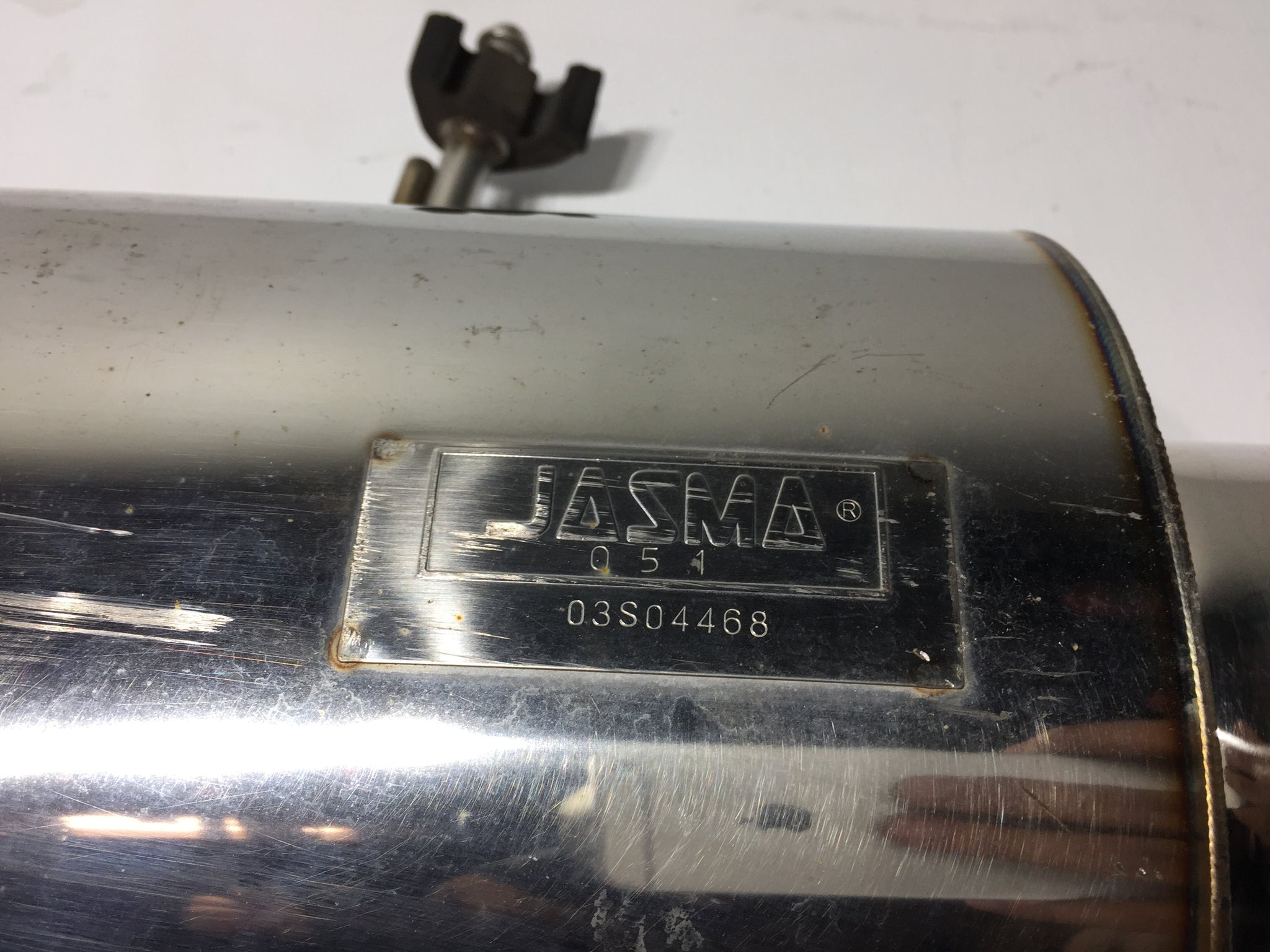
2.1.1 How to locate and interpret the official JASMA plate and serial numbers
Authenticating your equipment is the first step in ensuring you have received the benefits of rigorous JASMA exhaust system durability testing. Every certified muffler features a laser-engraved or welded metal plaque, usually positioned on the canister. This plate is not merely a branding element; it is a regulatory identifier. You can perform a JASMA plate serial number verification to cross-reference your specific unit against official databases. Ensure the serial number is legible and that the plaque shows no signs of tampering, as a damaged or altered plate can complicate vehicle inspections.
2.1.2 Risks of using counterfeit systems that lack certified durability testing
Counterfeit exhausts are often manufactured using inferior alloys that fail to withstand the high-temperature environment of an internal combustion engine. Unlike certified products, these "look-alike" systems skip the vibration and thermal stress analyses required by the Japan Automotive Sports Muffler Association. This oversight frequently leads to premature cracks, weld failures, or internal baffle collapse. Beyond the mechanical risks, counterfeit systems often produce excessive noise levels that may lead to legal penalties or failure to pass mandatory emissions and sound ordinances.
2.2 Best Practices for Maximizing Exhaust System Longevity
2.2.1 Routine inspection checklists for oxidation and structural fatigue
Even the highest-grade stainless steel requires periodic attention. We recommend a seasonal inspection checklist, particularly for vehicles driven in regions where road salt or high humidity is common. Look for signs of "tea staining" or surface oxidation, and pay close attention to hanger mounting points, which are prone to stress fractures from road vibrations. Checking the integrity of flange gaskets and clamps ensures that exhaust gas pressure remains contained, preventing leaks that could compromise your engine’s performance.
2.2.2 Professional cleaning techniques for stainless steel and titanium surfaces
Proper maintenance significantly extends the life of your investment. For stainless steel, use non-abrasive cleaners and soft microfiber cloths to remove road grime and carbon buildup. Titanium surfaces require a more delicate approach; ensure you use specialized cleaners to avoid damaging the distinct heat-anodized finish. For a detailed breakdown of how to maintain these materials, refer to our comprehensive guide on JASMA exhaust maintenance and cleaning tips for longevity.
2.3 Comparative Context and Performance Expectations
2.3.1 JASMA standards versus global benchmarks like E-Mark and SAE
While the E-Mark (European) and SAE (Society of Automotive Engineers) standards focus heavily on standardized noise emissions and safety, JASMA certification adds a unique layer of focus regarding the balance between street-legal compliance and aftermarket performance. JASMA mandates strict internal sound attenuation protocols that allow for a deeper, more refined exhaust note without exceeding legal limits, providing a distinct engineering edge over generic global benchmarks.
2.3.2 How durability testing ensures consistent power delivery during aggressive driving
Durability testing verifies that the exhaust system maintains its structural geometry under sustained high-load conditions. By ensuring that internal packing remains stable and flow channels do not deform due to heat saturation, the system guarantees that your vehicle retains its engineered backpressure levels. This consistency is vital for maintaining engine health and power delivery, especially during track sessions or spirited driving where the exhaust system faces extreme heat cycles.
2.4 Frequently Asked Questions Regarding Certified Exhaust Systems
2.4.1 Legal implications of modifying or repairing a certified muffler
Modifying a certified exhaust—such as removing internal baffles or resizing piping—effectively voids its JASMA certification. Once the internal structure is altered, the system no longer complies with the noise and durability benchmarks it was originally tested against. If your muffler requires repair, always seek certified professional services to ensure the fix maintains the original performance specifications.
2.4.2 Impact of ECU tuning on the structural durability of the exhaust flow
Significant ECU tuning that alters ignition timing or air-fuel ratios can increase exhaust gas temperatures (EGTs) beyond factory specifications. While a JASMA-certified system is built to handle high performance, persistent operation at extremely high EGTs can accelerate material fatigue. If you plan to tune your engine, ensure your exhaust system is inspected regularly to monitor how these elevated thermal loads affect the longevity of your internal packing and welds.
Investing in a high-quality exhaust system is about more than just unlocking extra horsepower; it is about long-term reliability and peace of mind. By prioritizing JASMA exhaust system durability testing, manufacturers ensure that their components can withstand the harsh realities of daily driving, from extreme thermal cycling to the corrosive environment of road salt and moisture. When you choose a certified system, you are benefiting from rigorous engineering standards designed to maintain acoustic performance and structural integrity far longer than uncertified aftermarket alternatives.
Ultimately, verifying your system’s authenticity through the correct channels is the best way to protect your investment. Whether you are performing routine cleaning to prevent surface oxidation or inspecting your hangers for signs of fatigue, consistent maintenance will reward you with years of trouble-free operation. To ensure your hardware remains in peak condition, you can refer to our JASMA exhaust maintenance and cleaning tips for longevity to get the most out of your performance setup. By respecting the standards that define genuine JASMA products, you ensure that your vehicle remains compliant, efficient, and ready for the road ahead.