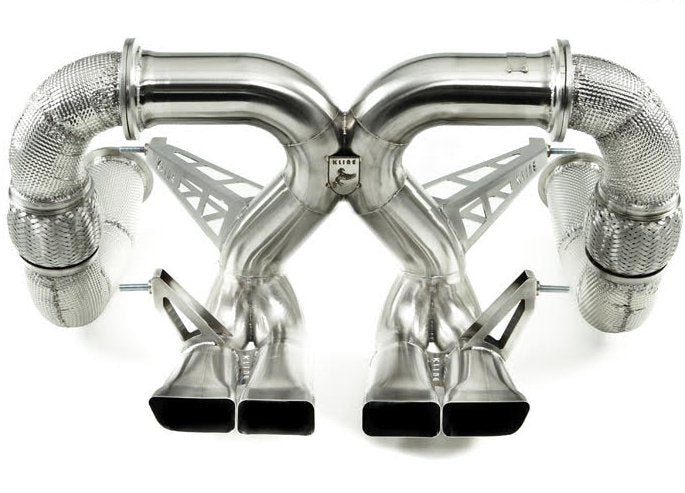
For automotive enthusiasts and performance tuners, the landscape of exhaust engineering is undergoing a period of rapid transformation. Emerging trends in sports exhaust technology are being driven by a confluence of stringent global emissions regulations, a shift toward advanced materials, and the need for more sophisticated acoustic management. No longer is an exhaust system merely a conduit for spent gases; it has become a highly integrated component that balances engine efficiency with environmental compliance. As automakers move toward hybrid powertrains and alternative fuels, the aftermarket sector is evolving to keep pace with these changes. Whether you are looking to optimize flow or navigate the complex intersection of performance and local noise ordinances, understanding these technical shifts is essential. In this guide, we explore the cutting-edge innovations, material science, and regulatory frameworks that are defining the next generation of performance exhaust systems for the modern enthusiast.
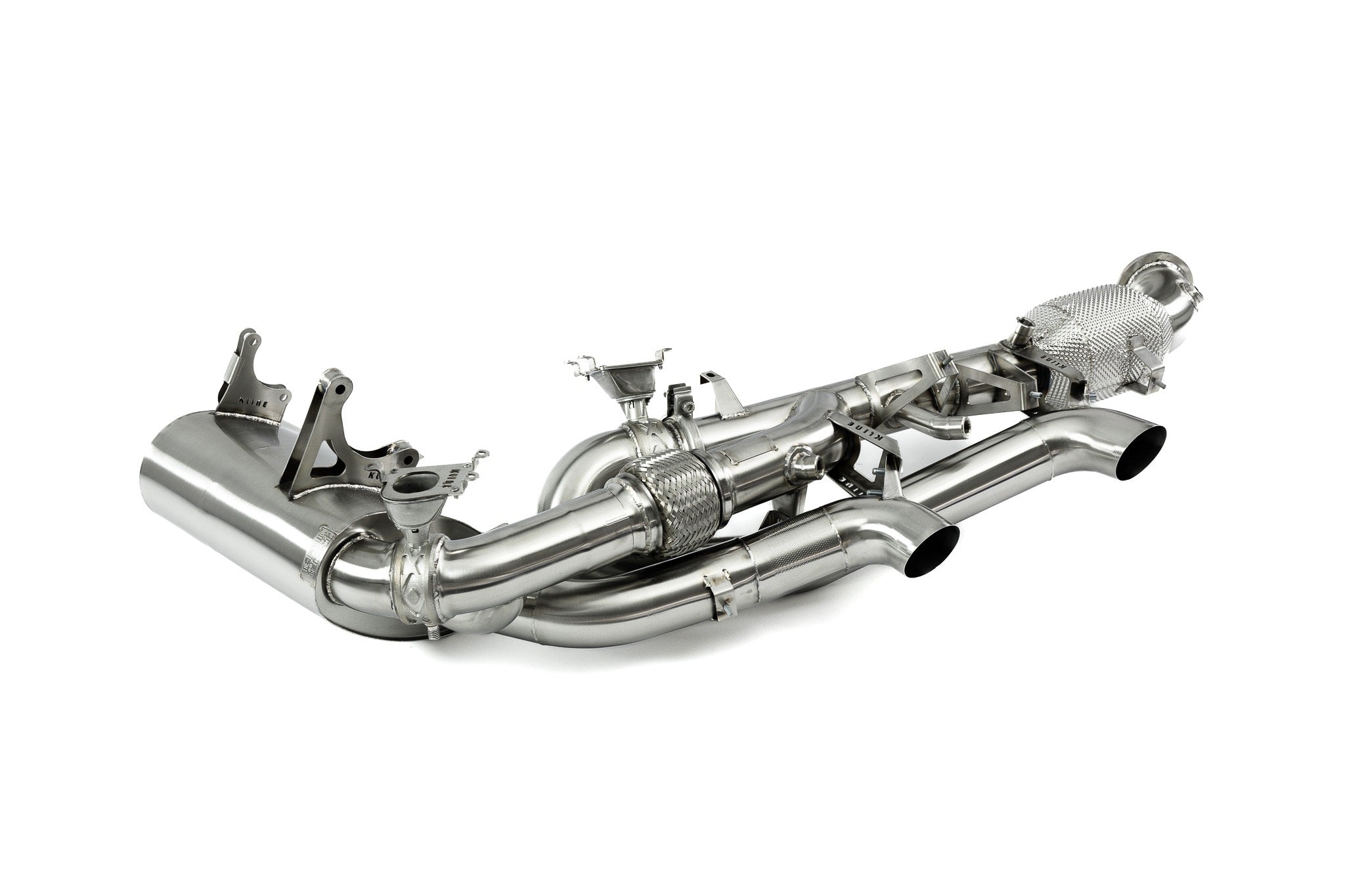
1. Engineering Innovations and Material Science in Emerging Trends in Sports Exhaust Technology
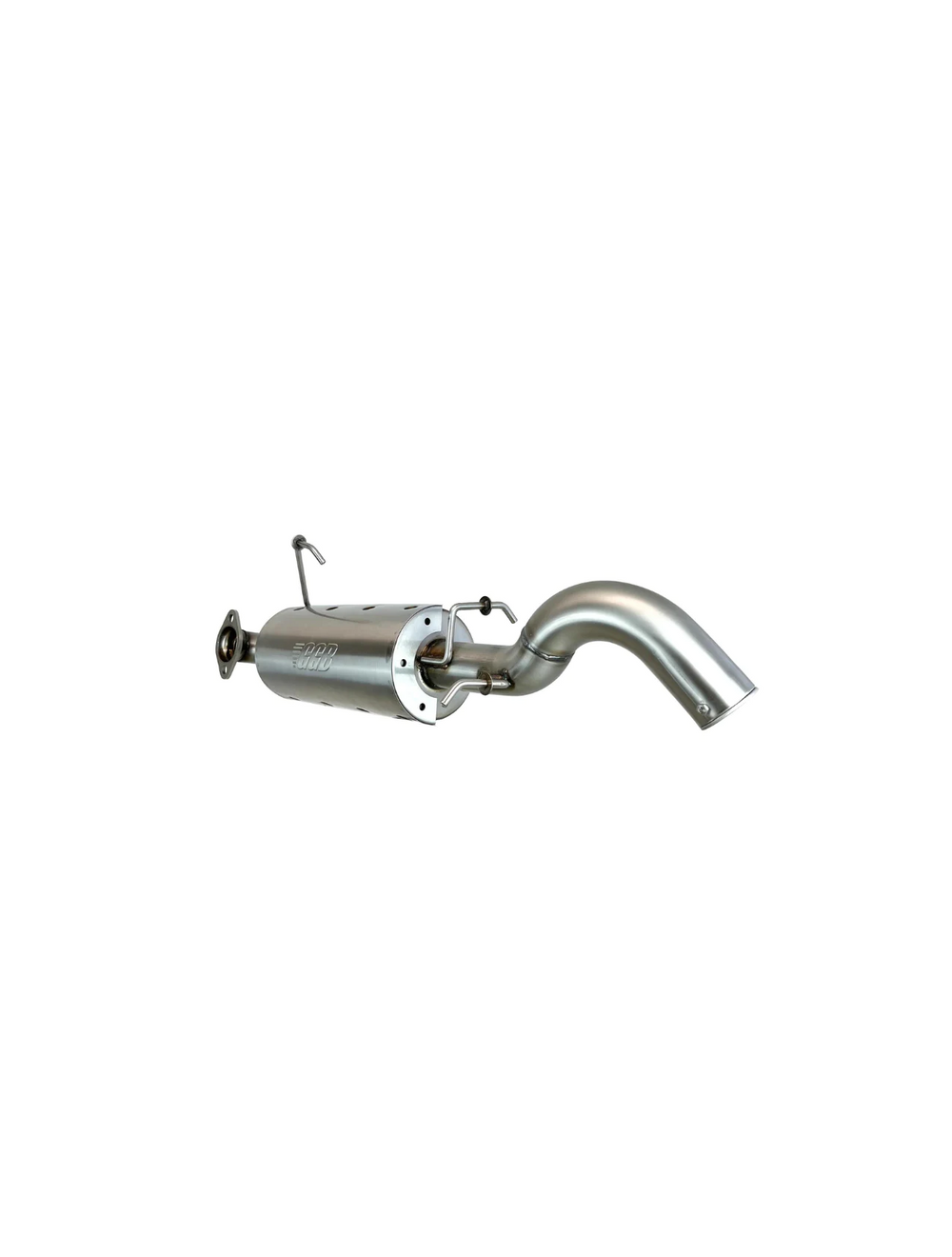
1.1 Advanced Materials and Heat Management Strategies
1.1.1 Benefits of Inconel and Titanium over Stainless Steel
The quest for performance has pushed manufacturers to move beyond traditional stainless steel. While stainless steel remains the industry standard due to its cost-effectiveness, emerging trends in sports exhaust technology highlight the rise of high-performance alloys like Inconel and titanium. Inconel, a nickel-chromium superalloy, is favored in top-tier motorsports for its incredible resistance to extreme heat—often exceeding 1,000 degrees Celsius—without losing structural integrity. Titanium, by contrast, is prized for its extreme weight reduction capabilities, allowing engineers to shed significant mass from the vehicle's rear. By replacing heavy steel components with these advanced materials, tuners can achieve better thermal management and improved durability under high-stress conditions.
1.1.2 Thermal Insulation and Ceramic Coating Applications
Modern exhaust engineering is as much about heat containment as it is about flow. High-temperature ceramic coatings have become essential in preventing radiant heat from bleeding into the engine bay and surrounding chassis components. By applying specialized thermal barriers, engineers can maintain higher exhaust gas temperatures, which keeps the gas velocity high and helps scavenge cylinders more effectively. For those looking to optimize their setup, understanding the benefits of performance exhaust thermal management is critical for protecting sensitive vehicle systems and improving overall power delivery.
1.2 Computational Design and Manufacturing Breakthroughs
1.2.1 Computational Fluid Dynamics for Gas Velocity Optimization
The shift toward digital prototyping has revolutionized how mufflers and collectors are designed. Computational Fluid Dynamics (CFD) allows engineers to simulate exhaust gas pulses in a virtual environment, identifying turbulence and bottlenecks before a single piece of metal is cut. This data-driven approach ensures that gas velocity is maintained throughout the entire exhaust track, optimizing scavenging effects and minimizing parasitic backpressure. By refining internal transitions and geometry through simulation, today’s systems offer a degree of precision that manual fabrication simply cannot match.
1.2.2 Additive Manufacturing and 3D Printing for Complex Internal Geometries
Additive manufacturing, specifically 3D printing of metallic components, is enabling the creation of internal geometries that were previously impossible to cast or weld. Engineers can now print complex, organic shapes for muffler baffles and resonators that manipulate sound waves and gas flow with surgical precision. This technology is instrumental in balancing performance gains with the strict noise pollution laws currently reshaping the aftermarket exhaust landscape.
1.3 Impact on Vehicle Dynamics
1.3.1 Reducing Unsprung Weight and Improving Chassis Balance
Weight reduction is a cornerstone of vehicle dynamics, and the exhaust system is often one of the heaviest replaceable components. By utilizing lightweight materials and compact, high-efficiency designs, manufacturers are successfully reducing unsprung weight. This reduction translates to improved suspension responsiveness and a more neutral chassis balance, particularly during rapid cornering and transitions where vehicle weight distribution is critical.
1.3.2 Structural Integrity Under High-Temperature Cycling
Performance exhausts endure constant cycles of extreme heating and cooling, which can lead to fatigue and cracking over time. Emerging trends emphasize the use of engineered expansion joints and advanced welding techniques to accommodate thermal expansion. This ensures that the system maintains its structural integrity and acoustic profile, even when pushed to the limit on the track or aggressive street driving, ultimately extending the service life of the exhaust assembly.
2. Integrating Technology and Compliance in Emerging Trends in Sports Exhaust Technology
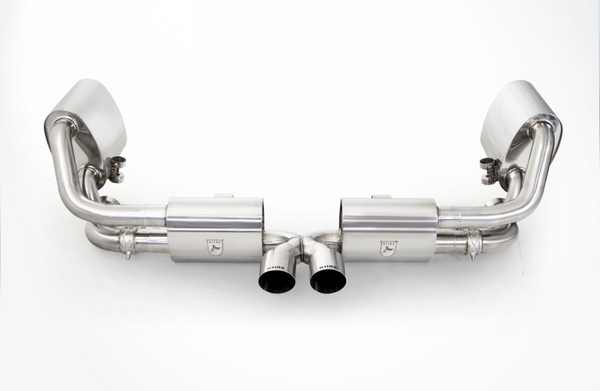
2.1 Active Exhaust Systems and Electronic Control
2.1.1 Variable Valve Technology and Real-Time Acoustic Mapping
The modern performance exhaust is no longer a static piece of metal; it is an intelligent, reactive component of the vehicle. Variable valve technology allows systems to adjust gas flow dynamically, providing a "best of both worlds" scenario for enthusiasts. At low RPMs, the exhaust path is restricted to increase backpressure and maintain sound levels within legal limits. Under hard acceleration, the valves bypass restrictive chambers, opening a direct path to maximize engine scavenging. Sophisticated real-time acoustic mapping now ensures that the exhaust note remains harmonically rich rather than simply loud, allowing manufacturers to tailor the auditory feedback to specific drive modes.
2.1.2 ECU Integration and Drive-Mode Compatibility
Modern exhaust systems are now deeply integrated with the vehicle’s ECU. By tapping into the CAN bus, aftermarket controllers can synchronize exhaust valve positions with engine load, throttle input, and selected drive settings. This means a car can be whispering-quiet for cold-start neighborhood exits, yet deliver an aggressive, high-flow profile the moment the driver selects "Sport" or "Track" mode. This seamless integration has moved performance tuning away from purely mechanical adjustments toward sophisticated software-driven calibration.
2.2 Sustainability and Regulatory Adaptation
2.2.1 Managing Particulate Filters and High-Flow Catalytic Converters
The impact of noise pollution laws on aftermarket exhaust systems has forced engineers to prioritize emissions integrity alongside flow optimization. Modern systems must account for the integration of gasoline particulate filters (GPFs) and high-flow catalytic converters. Rather than removing these essential emissions components—which is increasingly illegal—the industry is focusing on high-flow substrate designs that minimize flow resistance without triggering engine check lights. Understanding these evolving requirements is critical for any high-performance build, as detailed in our guide on automotive aftermarket regulatory compliance trends & updates.
2.2.2 Performance Exhaust Engineering for Hybrid and Synthetic Fuel Powertrains
As the industry pivots toward hybrid powertrains and synthetic e-fuels, exhaust engineering is undergoing a fundamental shift. Hybrid engines, which cycle on and off frequently, create unique thermal management challenges for catalytic converters. Meanwhile, synthetic fuels require different air-fuel ratio calibrations that affect exhaust gas temperatures. Future performance systems are being designed to handle these unique chemical and thermal profiles, ensuring that power delivery remains consistent even as combustion technology evolves.
2.3 The Future of the Aftermarket and OEM Ecosystem
2.3.1 Modular Systems for Component-Based Performance Tuning
The future of the aftermarket lies in modularity. Instead of replacing an entire exhaust system, manufacturers are moving toward component-based kits that allow for easier upgrades and repairs. This approach provides a sustainable path for long-term performance, as users can replace specific sections—like a resonator or a muffler canister—to tune their exhaust characteristics without needing a complete system overhaul.
2.3.2 Balancing Legal Noise Standards with Enthusiast Performance Demands
Engineering for the street remains a delicate balance. As global regulators tighten decibel limits, the industry is relying on advanced silencer technology to maintain the deep, resonant notes that enthusiasts crave while strictly adhering to international standards. This commitment to compliance, often guided by rigorous internal quality checks, ensures that high-performance exhaust modifications remain a viable, legal option for the future of the automotive enthusiast community.
The landscape of automotive performance is shifting rapidly, and these emerging trends in sports exhaust technology highlight a pivotal era for enthusiasts and engineers alike. As we have explored, the future of exhaust systems is no longer defined solely by raw flow or aggressive decibels. Instead, it is being shaped by a sophisticated convergence of advanced material science, computational design, and an increasing commitment to regulatory harmony. From the adoption of aerospace-grade materials like Inconel to the integration of intelligent, valve-controlled systems, the focus has shifted toward precision, efficiency, and compliance.
For the modern enthusiast, staying ahead of these changes is essential to maintaining both vehicle performance and road legality. Whether you are balancing noise pollution constraints or optimizing for new powertrain architectures, understanding the technical evolution of your hardware is key. By prioritizing systems that adhere to rigorous benchmarks, such as the JASMA compliance standards, you ensure that your vehicle remains at the forefront of performance without compromising environmental or community responsibility. As the industry continues to evolve, the bridge between raw enthusiast power and responsible engineering will remain the cornerstone of the sports exhaust market.