
For enthusiasts looking to unlock their vehicle's true performance, understanding the impact of noise pollution laws on aftermarket exhaust systems is more critical than ever. As municipalities across the U.S. tighten restrictions on vehicle sound levels, the days of installing indiscriminate "loud" modifications are fading. Today, upgrading your car requires a delicate balance between achieving the desired acoustic tone and remaining compliant with evolving state and federal standards. Navigating these regulations can feel overwhelming, but it is essential for avoiding hefty fines and unwanted attention from law enforcement.
In this guide, we will break down the complex landscape of exhaust compliance, from the technical realities of decibel testing to the legal risks associated with common modifications. Whether you are aiming to improve flow dynamics or simply seeking a more aggressive note, you will learn how to select hardware that meets current legal thresholds. By prioritizing aftermarket exhaust regulations and engineering standards, you can enjoy a high-performance build that satisfies both your driving ambitions and local noise ordinances.

1. The Evolution and Legal Framework of Noise Pollution Laws and Aftermarket Exhaust Systems
1.1 Understanding the Legal Thresholds for Vehicle Sound
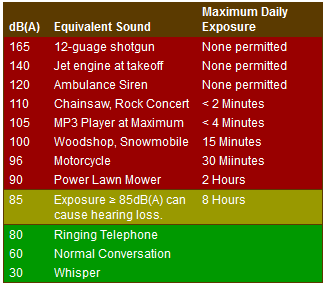
The regulatory landscape for automotive noise is undergoing a significant shift as municipalities prioritize residential tranquility and environmental health. Understanding the impact of noise pollution laws on aftermarket exhaust starts with recognizing that vehicle sound is no longer a matter of personal preference but a strictly regulated performance metric.
1.1.1 How Authorities Measure Decibel Levels in Real-World Scenarios
Law enforcement agencies utilize standardized decibel (dB) meters to measure sound levels, typically during a stationary rev test or while a vehicle is in motion. Unlike laboratory testing, real-world enforcement often accounts for ambient noise floors. Officers look for specific peak thresholds, which vary significantly by state and local jurisdiction. If a vehicle exceeds these limits, it is flagged, regardless of the quality of the exhaust note.
1.1.2 Federal versus State Regulatory Jurisdictions and the Clean Air Act
While the Clean Air Act provides a federal foundation for automotive emissions compliance regulations, noise pollution is primarily managed at the state and local levels. This creates a patchwork of rules where an exhaust system legal in one county may trigger a violation in another. These laws often overlap with environmental mandates, as modifications intended to increase flow and sound often compromise the factory-installed emissions control devices necessary for federal compliance.
1.1.3 The Difference Between Equipment-Based Violations and Performance-Based Sound Monitoring
Authorities distinguish between equipment-based violations—such as the absence of a muffler—and performance-based monitoring, where the exhaust exceeds a legal decibel ceiling. Equipment-based citations are binary; the component is either present or it is not. Conversely, performance-based violations require subjective or electronic evidence that the modified system is creating "excessive" or "unreasonable" noise, often tied to JASMA exhaust sound level legal limits & certification guide.
1.2 The Anatomy of Prohibited Exhaust Modifications
Modifying an exhaust system for better aesthetics or flow often leads car enthusiasts into legal gray areas. Manufacturers and shops must now pay closer attention to these trends as authorities crack down on non-compliant hardware.
1.2.1 Identifying Illegal Components Including Muffler Deletes and Straight Pipes
Muffler deletes and straight pipes are frequently cited as the most common violations. Because these modifications remove the internal baffling necessary to dissipate acoustic energy, they almost always push a vehicle beyond legal noise thresholds. These parts are generally classified as off-road only and are strictly prohibited for street use under current automotive aftermarket regulatory compliance trends.
1.2.2 The Risks and Consequences of Catalytic Converter Bypasses
Bypassing the catalytic converter is a severe violation that carries both noise and environmental penalties. Beyond the audible increase in exhaust volume, removing this component triggers a non-compliance status regarding federal emissions, often leading to heavy fines. These modifications are easily identified during routine roadside inspections by the absence of the converter or the presence of test pipes.
1.2.3 Understanding Secondary Liability for Installation Shops and Performance Mechanics
The pressure is mounting not just for drivers, but for the industry itself. Performance shops face increasing scrutiny regarding secondary liability when they install equipment that violates local noise or emissions laws. Providing professional guidance on what constitutes a street-legal upgrade is now a critical part of a mechanic's responsibility to protect both the customer and the business from potential litigation.
1.3 Navigating Financial and Legal Repercussions
The cost of non-compliance extends well beyond the price of the aftermarket part itself. Failing to adhere to local ordinances can result in immediate financial burdens and long-term administrative headaches.
1.3.1 Breakdown of Fines and Court Costs for Noise Ordinance Violations
Fines for noise ordinance violations can scale rapidly based on the number of prior offenses. A first-time citation often carries a standard monetary fine, but subsequent infractions may involve escalated court costs and mandatory appearances, turning a simple exhaust upgrade into a costly legal dispute.
1.3.2 The Fix-It Ticket Process and Requirements for Vehicle Re-inspection
Many jurisdictions issue "fix-it" tickets, requiring the owner to return the vehicle to stock or install a compliant, muffled system. The process typically necessitates a professional re-inspection, where the vehicle must be verified against state-specific decibel limits before the citation is cleared from the owner’s record.
1.3.3 Long-Term Impacts Including Police Scrutiny and Potential Vehicle Impoundment
Repeated violations often lead to a "habitual offender" status, which may invite increased police scrutiny every time the vehicle is on the road. In extreme cases, where a vehicle is deemed unsafe or persistently non-compliant with local laws, authorities reserve the right to impound the vehicle, creating a significant and often permanent impact on the owner's ability to operate their modified car on public streets.
2. Achieving Optimal Performance While Maintaining Compliance with Aftermarket Exhaust Regulations
2.1 Strategies for Selecting Street-Legal Exhaust Upgrades
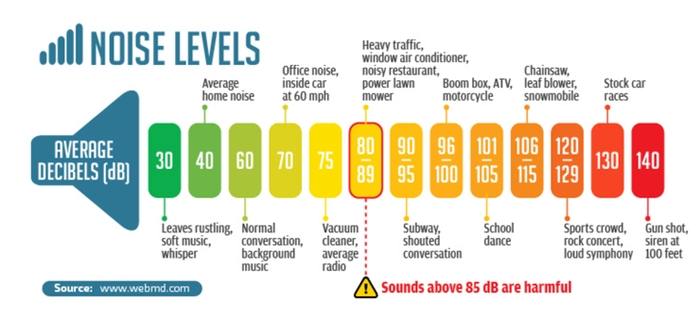
Balancing the desire for an aggressive engine note with the tightening automotive aftermarket regulatory compliance trends requires a strategic approach to component selection. Enthusiasts no longer need to choose between performance and legality; the modern market offers sophisticated hardware designed to satisfy both track-day cravings and local noise ordinances.
2.1.1 Identifying CARB-Compliant and DOT-Approved Performance Systems
The most reliable path to avoiding a citation is prioritizing parts with clear regulatory certification. Look for systems explicitly labeled as CARB-compliant or EPA-certified. These components have undergone rigorous testing to ensure they do not interfere with factory emission hardware, such as catalytic converters. Choosing these parts provides a legal safety net, as manufacturers provide documentation that proves the system meets federal and state requirements for both decibel output and emission standards.
2.1.2 Evaluating the Efficacy of Active Exhaust Technology and Valved Systems
Active exhaust technology has become a game-changer for daily drivers. By utilizing electronic valves, these systems can restrict exhaust flow—and thus sound volume—during low-speed city driving, while opening up for maximum flow and an aggressive tone during spirited driving or track sessions. This "best of both worlds" approach ensures you stay under the radar in noise-sensitive residential areas while still enjoying the performance benefits of a high-flow exhaust architecture.
2.1.3 Integrating Resonators to Manage Sound Frequency Without Sacrificing Horsepower
If you have already installed a performance system that is slightly too loud, adding a high-quality resonator is a highly effective, non-intrusive solution. Unlike mufflers that may restrict flow and reduce power, a well-engineered resonator specifically targets harsh, high-frequency "drone" sounds. By smoothing out these frequencies, you can significantly lower the perceived volume of your exhaust without negatively impacting flow dynamics or engine performance. For more detailed technical insights on sound management, explore JASMA Exhaust Sound Attenuation Technology: How It Works.
2.2 Practical Methods for Compliance Management and Dispute Resolution
Understanding how authorities measure sound is half the battle in maintaining compliance. Enforcement officers typically utilize standardized decibel meters, yet their readings can be influenced by environmental factors or placement, which is where careful documentation and communication come into play.
2.2.1 How to Utilize Decibel Meters to Test Your Own Vehicle Setup
Proactive testing is the best defense against unforeseen violations. You can purchase a handheld decibel meter and perform your own "drive-by" or stationary tests, mirroring the procedures used by local law enforcement. By recording your findings in controlled conditions, you establish a baseline for your vehicle's noise profile, allowing you to identify if a particular component is pushing you over local legal limits before you face a roadside inspection.
2.2.2 Best Practices for Documentation and Professional Verification Following a Citation
If you receive a noise-related citation, documentation is your strongest ally. Keep a file in your vehicle containing the installation receipt, the manufacturer's compliance certification, and any printed materials detailing the exhaust system's specifications. If you are required to have the vehicle re-inspected, having a professional mechanic verify that the system is properly installed and functioning within legal parameters can expedite the "fix-it" ticket dismissal process.
2.2.3 Communicating Effectively with Law Enforcement During Traffic Stops
Maintaining a respectful and composed demeanor during a traffic stop is crucial. If questioned about exhaust volume, clearly explain that the system is an aftermarket upgrade designed for performance and adheres to established compliance standards. Avoid being defensive; instead, offer to show your documentation. Often, demonstrating that you have proactively sought out street-legal, certified equipment shows an intent to follow the law, which can lead to a more favorable interaction with the officer.
2.3 Addressing Common Consumer Inquiries Regarding Exhaust Compliance
Navigating the nuances of exhaust law involves clarifying common misconceptions regarding vehicle modifications.
2.3.1 Distinguishing Between Street-Legal Systems and Track-Only Equipment
The most important distinction a performance enthusiast can make is between "street-legal" and "track-only" components. Track-only systems—such as straight pipes or race-spec mufflers—are engineered for maximum power without regard for noise pollution laws or catalytic converter requirements. These components are strictly illegal for road use, and installing them will almost certainly result in heavy fines and compliance failure during emissions testing.
2.3.2 The Impact of Exhaust Modifications on Automotive Insurance Premiums
While an exhaust modification itself rarely triggers an automatic rate hike, the potential for "illegal" modifications can lead to issues with insurance providers. If an aftermarket modification is deemed non-compliant or illegal, some policies may include clauses that void coverage in the event of an accident. It is always wise to inform your insurance agent about performance upgrades to ensure your policy remains active and accurate.
2.3.3 Comparing Modern Combustion Engine Noise Laws with Electric Vehicle Sound Generators
The landscape of noise regulation is shifting alongside the rise of electric vehicles (EVs). While combustion engines face strict ceilings on maximum decibels, many jurisdictions are now requiring EVs to emit artificial sounds to improve pedestrian safety. This creates a unique regulatory dichotomy: one segment of the market is being silenced to reduce pollution, while another is being mandated to create sound, highlighting how legislation continues to evolve to manage the sensory impact of automotive technology.
Navigating the complex landscape of the impact of noise pollution laws on aftermarket exhaust systems requires a delicate balance between automotive passion and legal responsibility. As regulatory bodies continue to tighten standards around decibel limits and emissions, the automotive aftermarket is shifting toward smarter, more refined engineering. Compliance is no longer just about avoiding a ticket; it is about respecting community standards while still enjoying the performance and sound profiles that define your vehicle's character.
Whether you are considering a performance muffler upgrade or a full cat-back system, the key to long-term satisfaction lies in selecting hardware that prioritizes engineering quality and street legality. By choosing components that adhere to established performance benchmarks, you can avoid the financial and legal headaches associated with non-compliant, overly aggressive modifications. Before making your next purchase, we recommend reviewing our latest aftermarket exhaust regulations and JASMA standards guide to ensure your setup remains both powerful and compliant. Ultimately, by staying informed on evolving testing protocols and investing in high-quality, street-legal technology, you ensure that the performance enthusiast culture continues to thrive alongside the communities we all share.