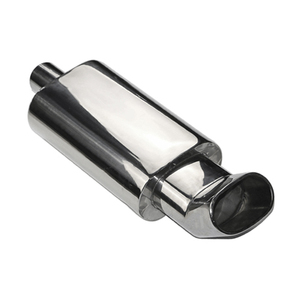
For automotive enthusiasts and performance tuners, navigating the balance between aggressive exhaust notes and regulatory compliance is a constant challenge. Central to this pursuit is JASMA muffler sound pressure analysis, a rigorous testing protocol designed to ensure that high-performance aftermarket exhausts do not violate noise pollution regulations. Whether you are looking to optimize your vehicle's power delivery or simply ensure your custom setup remains street-legal, understanding how your muffler interacts with sound pressure standards is essential.
In this guide, we break down the complexities of JASMA certification, from the technical physics governing sound attenuation to the standardized testing methodologies used to verify compliance. You will learn how internal muffler architecture impacts acoustic output, how to interpret sound pressure graphs, and what steps you can take to maintain your exhaust system’s integrity over time. By aligning your setup with recognized JASMA exhaust sound level legal limits, you can enjoy improved engine performance while adhering to the safety and noise ordinances that protect our roads and communities.
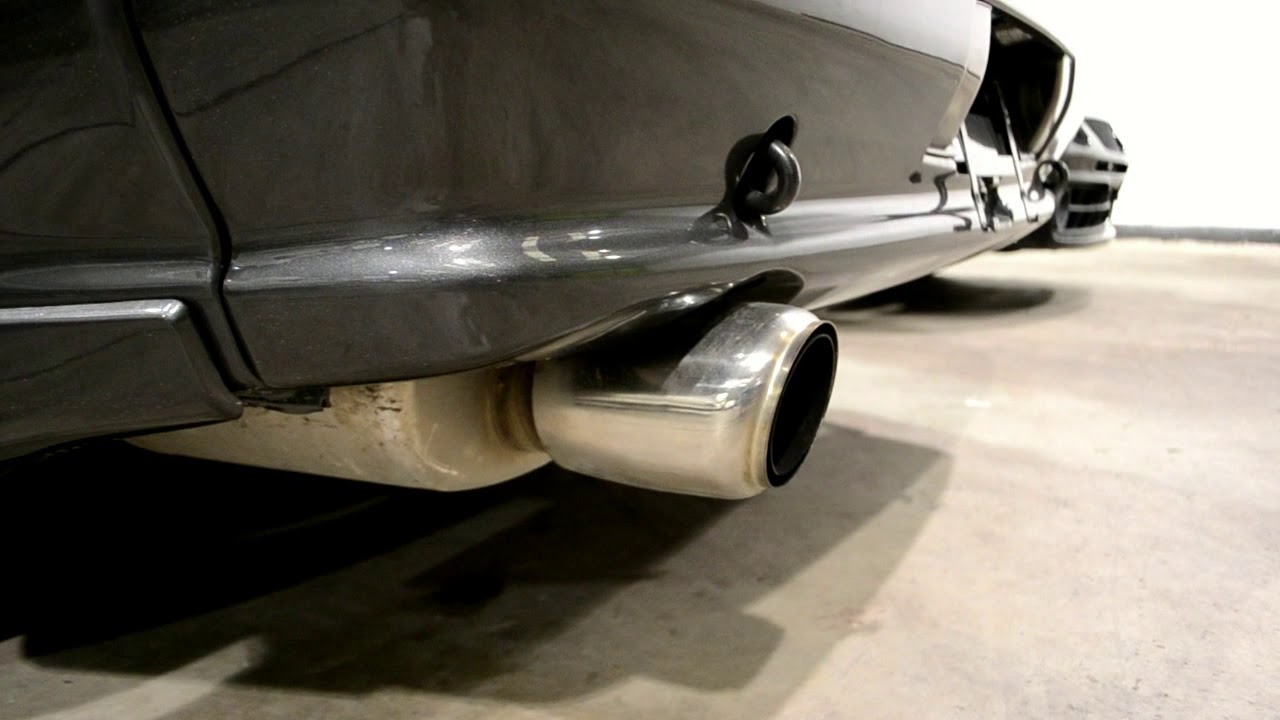
1. JASMA Muffler Sound Pressure Analysis: Protocols and Acoustic Standards

1.1 Understanding the JASMA Certification Framework
1.1.1 The history and purpose of the Japan Automotive Sports Muffler Association
The Japan Automotive Sports Muffler Association (JASMA) was established to bridge the gap between high-performance exhaust engineering and public road safety. By setting rigorous industry benchmarks, the association ensures that manufacturers do not sacrifice environmental responsibility for power. Their core purpose is to regulate aftermarket components, preventing the proliferation of excessively loud or poorly constructed mufflers that contribute to noise pollution.
1.1.2 Deciphering the JASMA plate and regulatory significance
The presence of a physical JASMA certification plaque on an exhaust system serves as a badge of compliance. This plate is not merely decorative; it contains a unique serial number tied to the specific vehicle application and test results. Verifying this metadata confirms that the system has undergone official sound pressure level (SPL) validation and meets the association's stringent criteria for street legality.
1.1.3 Comparison between JASMA standards and US aftermarket exhaust regulations
While JASMA provides a structured, centralized testing protocol common in Japanese markets, U.S. regulations are often fragmented by state-specific noise ordinances and localized vehicle inspection requirements. Unlike the standardized JASMA approach, which focuses on specific decibel thresholds for sports cars, U.S. laws often rely on subjective "excessive noise" enforcement. Understanding how to align JASMA exhaust sound level legal limits with domestic requirements is essential for enthusiasts seeking to balance performance with regulatory compliance.
1.2 The Physics of Exhaust Noise and Sound Pressure
1.2.1 Defining dBA, frequency ranges, and sound pressure levels in automotive applications
Sound pressure level, typically measured in dBA (A-weighted decibels), quantifies how much acoustic energy is exerted by an exhaust system. In automotive applications, dBA is crucial because it filters out low-frequency sounds that the human ear is less sensitive to, providing a more accurate representation of how an exhaust note is perceived in a real-world environment.
1.2.2 The impact of internal muffler architecture on acoustic output
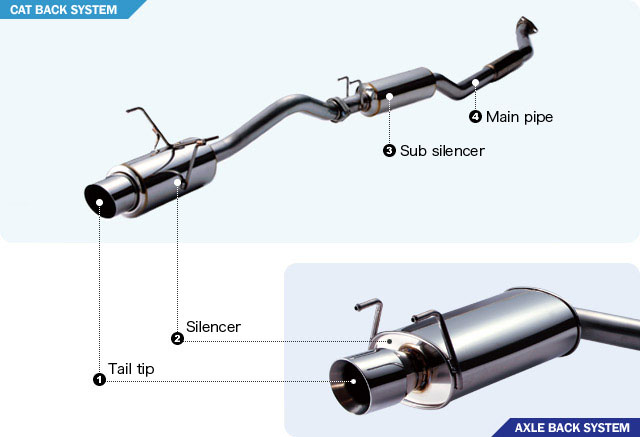
Internal muffler design—including chamber geometry, perforated tube diameter, and the density of sound-deadening packing—directly dictates acoustic output. High-performance systems use these elements to cancel out specific sound waves through phase interference, reducing high-decibel "drone" while maintaining the desired engine tone.
1.2.3 Stationary versus drive-by noise testing environments
JASMA sound pressure analysis distinguishes between stationary testing, where the vehicle is revved in neutral, and dynamic drive-by testing. Stationary tests measure idle and partial throttle noise to ensure immediate compliance, whereas drive-by tests account for load-based acoustic changes and tire-road noise interaction.
1.3 Standardized Testing Methodologies for Accurate Results
1.3.1 Proper positioning of sound level meters for repeatable data
For data to be considered valid, the microphone must be positioned at a standardized distance and angle from the tailpipe exit—typically 0.5 meters at a 45-degree angle. This consistency minimizes environmental variables and ensures that the readings reflect the muffler's actual performance rather than exterior reflections or background noise.
1.3.2 Essential equipment requirements for professional acoustic measurement
Reliable testing requires a Class 1 or Class 2 sound level meter calibrated for low-frequency response. Professionals also utilize windscreens and tripod mounts to eliminate vibration interference, ensuring the capture of high-fidelity data that satisfies both engineering verification and official inspection standards.
1.3.3 Aligning JASMA testing procedures with SAE J2825 metrics
When assessing JASMA-compliant systems in the U.S., many technicians bridge the gap by aligning testing protocols with SAE J2825. This standard provides a comprehensive methodology for measuring stationary exhaust sound, offering a technical baseline that mirrors the precision of JASMA testing, thereby helping tuners verify their systems against both domestic and international benchmarks.
2. Managing Performance and Compliance for JASMA-Certified Systems
2.1 Engineering Balance Between Power and Acoustic Compliance
Achieving a harmonious balance between performance gains and strict acoustic regulations is the primary objective of JASMA engineering. When designing a high-performance exhaust, manufacturers must maximize exhaust gas velocity while strictly adhering to sound pressure limits. This delicate equilibrium is achieved through sophisticated flow dynamics, where internal architecture is tuned to favor specific resonance frequencies that do not exceed the defined decibel thresholds during critical engine load intervals.
2.1.1 How packing material and baffle design influence noise reduction
The internal composition of the muffler is the most critical factor in controlling sound pressure. High-quality fibrous packing materials, such as long-strand basalt or stainless steel wool, are utilized to absorb high-frequency sound waves. Complementing this, precision-engineered baffle plates create chambers that force pressure pulses to collide and cancel each other out through destructive interference. This JASMA exhaust sound attenuation technology ensures that power-robbing backpressure is minimized without sacrificing the acoustic comfort required for street legality.
2.1.2 Interpreting sound pressure graphs and engine order frequency data
Engineers analyze sound pressure graphs to identify "peaks" in noise levels across the RPM range. By mapping engine order frequencies—the vibrations generated by the firing order—designers can adjust pipe diameter and chamber volume to shift these noise spikes away from the standard testing RPMs. This allows the system to remain whisper-quiet during cruise conditions while opening up for performance under heavy throttle.
2.1.3 Troubleshooting excessive noise caused by long-term packing degradation
Over time, the constant thermal cycling and high-velocity exhaust gases eventually degrade the internal packing material. When this material loses its density or shifts, you will notice a distinct increase in sound pressure and a raspier, hollow tone. In such cases, the muffler is no longer operating within its certified parameters. Regular inspections are necessary to ensure the internal baffles remain intact, as internal component failure can lead to non-compliance during a roadside noise test.
2.2 Legal Compliance and Practical Maintenance
Maintaining legal compliance goes beyond just buying a certified part; it involves ongoing stewardship of the exhaust system. State-specific noise ordinances often mirror the rigorous standards set by JASMA, meaning that even a certified system can become a liability if it falls into disrepair.
2.2.1 Navigating state-specific noise ordinances and inspection requirements
In the U.S., automotive exhaust regulations vary significantly by state. While JASMA certification provides a solid foundation for compliance, local authorities may conduct sound level testing based on specific SAE J2825 metrics. Always keep your certification documentation handy to demonstrate that your component was engineered to meet globally recognized acoustic standards, which can often streamline the inspection process for aftermarket parts.
2.2.2 Conducting DIY preliminary sound pressure testing and documentation
You can perform a baseline test using a calibrated digital sound level meter. Position the meter at a 45-degree angle to the tailpipe, approximately 20 inches from the outlet, while the engine is at idle and during a brief, controlled rev. Maintaining a log of these readings over time helps you establish a performance baseline, allowing you to catch early signs of packing failure before they result in a noise citation.
2.2.3 Best practices for maintaining muffler integrity to stay within legal limits
Regular maintenance is the most effective strategy for preserving your exhaust's legality. Periodically inspect the muffler shell for structural cracks, corrosion, or leaks at the flanges, as these can drastically alter the exhaust note. Furthermore, avoid aggressive "burble" tunes or anti-lag systems that subject the muffler internals to excessive heat and pressure, as these can accelerate the degradation of sound-deadening materials.
2.3 Frequently Asked Questions Regarding JASMA Sound Pressure
Understanding the nuances of JASMA compliance helps enthusiasts make informed decisions about their vehicle modifications.
2.3.1 Typical decibel thresholds for JASMA-approved components
While specific limits can depend on the vehicle class, JASMA-approved mufflers are generally engineered to stay below the 93–96 dB(A) range under standard testing conditions. This ensures that the system provides a sporty, aggressive tone without exceeding the noise pollution limits common in residential areas and public roadways.
2.3.2 Compatibility between JASMA certification and U.S. vehicle inspections
Most U.S. emission stations focus on tailpipe emissions and ECU readiness monitors rather than sound output. However, police-enforced noise ordinances are a different matter. Having a JASMA-certified part is a strong indicator of quality and compliance, but it does not grant universal immunity from local law enforcement if the exhaust has been modified or damaged.
2.3.3 Lifecycle expectations for sound pressure levels in aging mufflers
A well-maintained JASMA exhaust can perform within its design specifications for many years. However, high-mileage vehicles may eventually experience "packing blow-out." If your system begins to exceed its original sound signature by more than 3-5 decibels, it is usually a sign that the internal absorbent materials require professional servicing or the unit requires replacement to maintain legal compliance.
Mastering JASMA muffler sound pressure analysis is more than just a technical exercise; it is the cornerstone of maintaining a vehicle that respects both performance boundaries and community noise standards. By understanding the rigorous protocols behind JASMA certification, enthusiasts can ensure their modifications remain street-legal while enjoying the sophisticated engineering that goes into every certified system. Whether you are verifying a serial number on an existing exhaust or troubleshooting the acoustic degradation of aged packing material, the principles outlined here provide a roadmap for long-term compliance and mechanical integrity.
Ultimately, high-performance exhaust systems do not have to come at the cost of legal headaches or neighborhood noise pollution. Regularly monitoring your sound output using established testing methodologies—and keeping an eye on the physical condition of your muffler—is the best way to safeguard your investment. For those looking to dive deeper into the latest regulatory shifts, staying informed through resources like our aftermarket exhaust regulations and JASMA standards guide will help you navigate the evolving landscape of automotive modifications. By prioritizing precision in your sound pressure management, you ensure that your vehicle remains a benchmark of quality and engineering excellence on the road.