
If you are looking to unlock hidden horsepower or improve your vehicle’s throttle response, you have likely encountered the concept of a high-flow catalytic converter. These components are designed to minimize the restrictive bottleneck often found in factory exhaust systems, but understanding the actual performance benefits requires more than just replacing a part. Mastering high-flow catalytic converter performance metrics involves a deep dive into how your exhaust system handles pressure, heat, and gas velocity. Without this technical knowledge, you risk choosing a unit that creates more problems than it solves, such as tripped check engine lights or poor low-end torque delivery.
In this guide, we break down the complex physics of exhaust flow dynamics and help you navigate the essential specifications required to balance efficiency with engine output. Whether you are fine-tuning a street machine or optimizing a track-ready build, we will clarify how to achieve better performance exhaust flow dynamics while maintaining the functional integrity of your vehicle's emissions system.
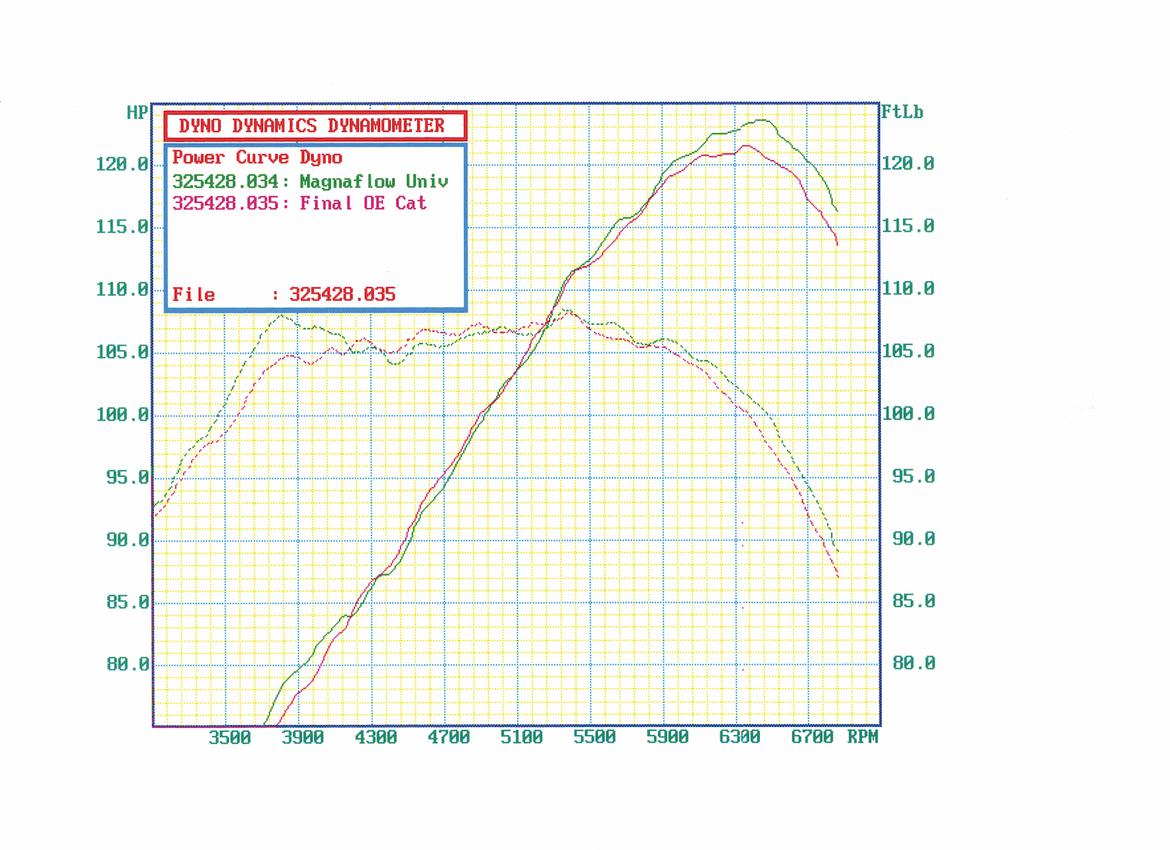
1. Understanding High-Flow Catalytic Converter Performance Metrics and Technical Specifications
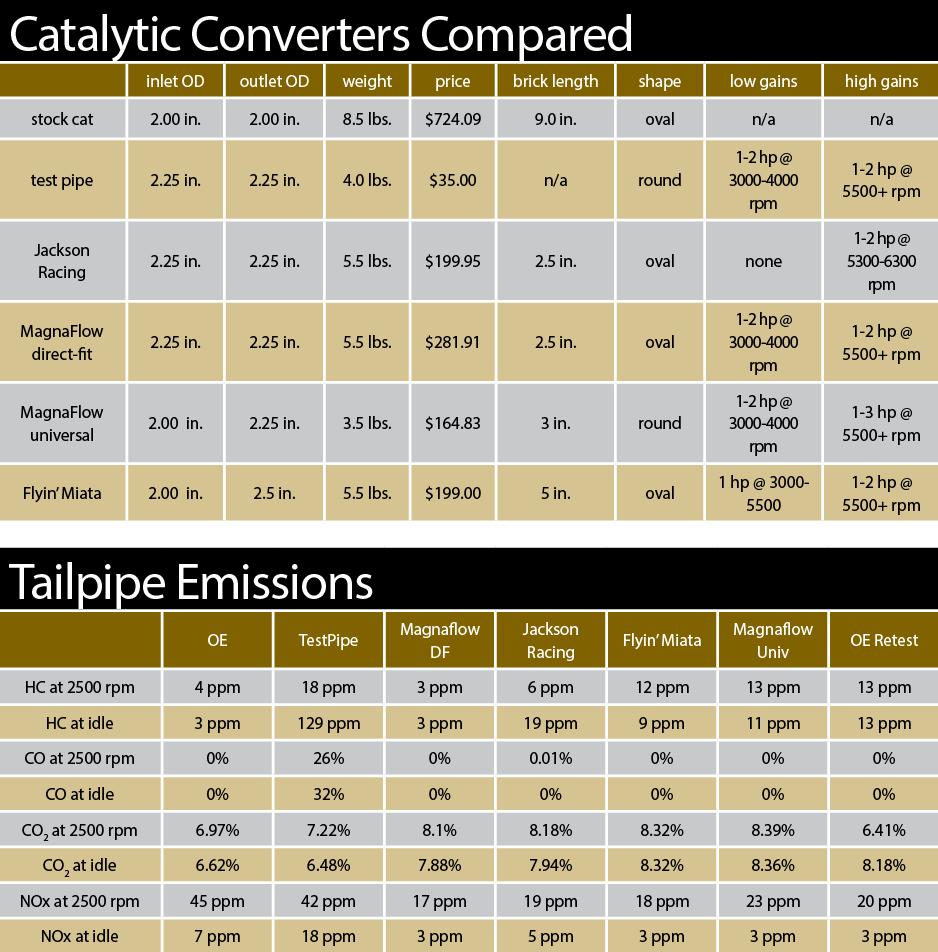
For automotive enthusiasts and tuners, selecting the right hardware is about more than just swapping parts; it requires a deep dive into high-flow catalytic converter performance metrics. These components are designed to minimize the restrictive nature of factory emissions equipment while maintaining enough chemical activity to satisfy environmental standards. Understanding how these units function under load is essential for anyone looking to optimize their vehicle's output.
1.1 Core Mechanics of Exhaust Flow Dynamics
1.1.1 The Relationship Between Exhaust Gas Velocity and Backpressure Reduction
The primary goal of a high-flow converter is to lower backpressure, which allows the engine to expel exhaust gases more efficiently. By reducing the resistance encountered by the combustion byproduct, you enable higher exhaust gas velocity vs torque mapping performance. When gas velocity remains high, the engine can effectively scavenge the cylinders, leading to a noticeable improvement in throttle response and low-end torque delivery. However, it is a delicate balance; reduce backpressure too far without proper tuning, and you may lose the pressure waves necessary for optimal cylinder filling.
1.1.2 Evaluating Substrate Cell Density and CPSI in Performance Units
The performance of a catalytic converter is largely dictated by its substrate, often measured in Cells Per Square Inch (CPSI). Factory units typically feature a high CPSI count, which creates significant surface area for chemical reactions but also acts as a bottleneck. High-flow variants utilize a lower CPSI, such as 200 or 300 cells, to provide larger channels for exhaust gases to pass through. This reduced density is the key to maintaining a free-flowing exhaust path, though it requires a more efficient internal wash-coat to ensure emissions remain within acceptable levels.
1.1.3 Physical Geometry and Converter Volume Constraints
Beyond the internal substrate, the physical housing plays a major role. A larger converter volume allows for a greater substrate surface area, which helps in compensating for lower cell density. Integrating these units requires careful consideration of high performance automotive: optimizing exhaust flow to ensure the transition from the header or downpipe into the converter is smooth. If the housing geometry causes turbulence, the gains from a high-flow design can be quickly negated by air flow stagnation.
1.2 Essential Quantitative Metrics for High-Flow Systems
1.2.1 Measuring CFM Capacity and Airflow Efficiency
Cubic Feet per Minute (CFM) is the gold standard for measuring how much air a converter can move. High-flow models are bench-tested to ensure that their flow capacity aligns with the engine's displacement and potential power output. A converter that is too restrictive will choke a high-horsepower engine, whereas one that is too large may fail to reach the operating temperatures required for effective catalytic conversion.
1.2.2 Analyzing Thermal Management and Heat Soak Characteristics
Performance converters must withstand extreme heat. Because these units handle higher volumes of hot exhaust gases, understanding exhaust system thermal fatigue analysis is crucial. Metallic substrates are often preferred in performance applications because they are more resistant to the thermal shock and vibration that can cause traditional ceramic cores to crumble or melt under sustained high-load conditions.
1.2.3 Balancing Precious Metal Wash-Coat Loading with Flow Throughput
The "active" part of a converter is the wash-coat of precious metals like platinum, palladium, and rhodium. Increasing the flow throughput usually means less surface area, so manufacturers must increase the concentration of these metals to maintain efficiency. This trade-off is what differentiates budget-tier performance cats from premium, race-engineered units that offer both high flow and consistent emissions control.
1.2.4 The Trade-off Between Conversion Efficiency and Exhaust Throughput
Ultimately, there is an inherent tension between throughput and chemical conversion. A high-flow converter will never be as efficient at scrubbing NOx and hydrocarbons as an OEM unit. By understanding these metrics, you can make an informed decision that balances your need for improved engine breathing with the realities of converter longevity and environmental responsibility.
2. Real-World Application, Integration, and Regulatory Compliance
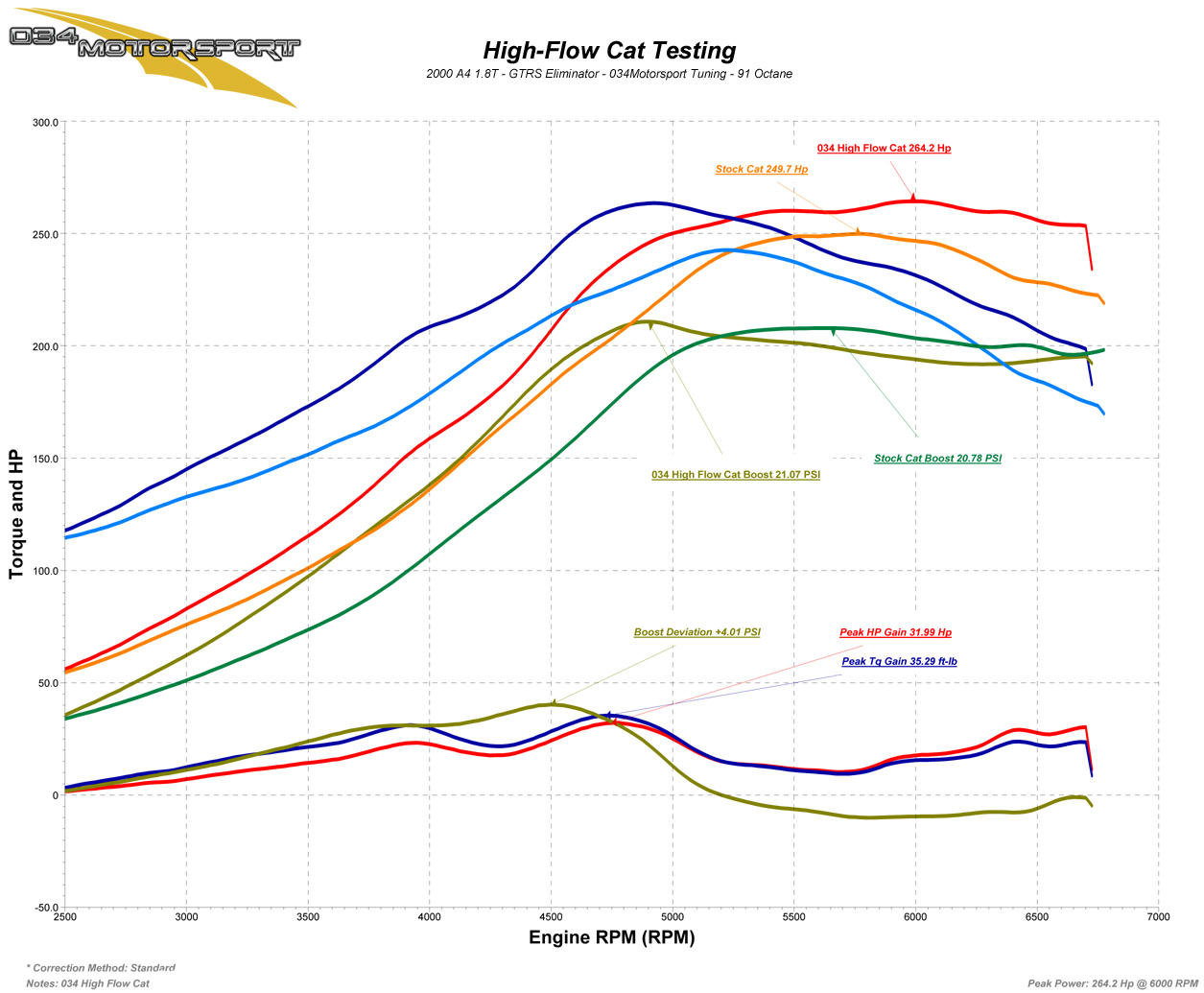
2.1 Implementation Factors for Enhanced Engine Performance
2.1.1 Realistic Expectations for Horsepower and Throttle Response Gains
While high-flow catalytic converters are a popular performance upgrade, it is vital to temper expectations. Installing a high-flow unit does not magically unlock massive horsepower gains on a stock engine. Instead, these components are most effective when part of a holistic tuning package. You can expect improved throttle response and a smoother power curve, especially in the mid-to-high RPM range where exhaust gas velocity vs torque mapping is most critical. By reducing the physical resistance to exhaust gases, the engine spends less energy pushing spent air out, allowing for more efficient power delivery.
2.1.2 Managing O2 Sensor Calibration and Avoiding Check Engine Light Triggers
The most common hurdle during installation is the dreaded "Check Engine Light" (CEL). Modern OBD-II systems are incredibly sensitive to the oxygen storage capacity of your catalytic converter. A high-flow unit, by design, has a less restrictive substrate that may not process gases as thoroughly as the factory catalyst. This can trick the rear O2 sensor into sensing an "inefficiency" error. To resolve this, you may require a software recalibration or, in some cases, a high-quality sensor spacer to pull the sensor slightly out of the direct exhaust stream.
2.1.3 Acoustic Changes and Exhaust Note Modification
Changing your converter will fundamentally alter your exhaust note. Because you are reducing backpressure and changing the interior geometry of the exhaust path, the sound waves travel more freely. Expect a slightly louder, more aggressive tone, often with a raspy characteristic depending on your muffler setup. For those sensitive to cabin drone, it is worth researching [Performance Exhaust Thermal Management: Tech & Benefits](https://jasma.org/performance-exhaust-thermal-management-tech-benefits.html) to understand how better heat insulation can actually help dampen unwanted resonances.
2.1.4 Material Durability Differences Between Ceramic and Metallic Substrates
When selecting your hardware, you will face a choice between traditional ceramic substrates and modern metallic ones. Ceramic is cost-effective but prone to cracking under high thermal shock or physical impact. Conversely, metallic substrates are significantly more robust, handling higher vibration levels and faster heating cycles without failing. If you track your vehicle, the durability of a metallic substrate is usually a mandatory investment to prevent internal break-up.
2.2 Strategic Selection and Maintenance Procedures
2.2.1 Navigating Emissions Legalities and EPA Compliance Standards
Before purchasing any high-flow component, verify its compliance with local and federal regulations. Many performance-oriented converters are intended for off-road or race-use only and do not meet the stringent emission standards required for street-legal vehicles. Installing a non-compliant part can lead to failed emissions inspections and potential legal penalties. Always prioritize parts that feature recognized certifications.
2.2.2 Matching Converter Flow Capacity to Engine Displacement
Bigger is not always better. Selecting a converter that is too large for your engine displacement can actually hinder performance by slowing down exhaust gas velocity, which negatively impacts low-end torque. Conversely, a unit that is too small will create unnecessary backpressure at high RPMs. Consult the manufacturer’s flow specifications—measured in CFM—and ensure it aligns with your engine’s peak volumetric efficiency requirements.
2.2.3 Best Practices for Installation Positioning and Weld Integrity
Proper placement is critical. The converter must be installed in a location that allows it to reach its "light-off" temperature quickly while remaining protected from road debris and water splashing, which can cause severe thermal shock. When welding, ensure you use high-quality materials to prevent leaks, as an exhaust leak before or after the converter will throw off your sensor readings and potentially cause unmetered air to enter the system.
2.2.4 Diagnostic Indicators of Converter Clogging and Performance Degradation
Keep an ear out for subtle changes in your car's behavior. A failing or clogged converter often presents as a noticeable drop in top-end power, a sulfur-like smell from the exhaust, or a rattling sound under the vehicle indicating that the substrate has broken apart. If your exhaust gas temperatures spike unexpectedly or you notice your fuel economy plummeting, it is time to inspect your converter for flow degradation before it causes more expensive engine damage.
Optimizing your vehicle’s exhaust system through high-flow catalytic converter performance metrics is a balancing act that requires a deep understanding of both physics and regulatory compliance. By focusing on variables like substrate cell density, CFM capacity, and exhaust gas velocity, you can achieve noticeable gains in throttle response and overall engine efficiency without compromising the structural integrity of your build. Remember, however, that these hardware modifications must be paired with proper tuning and high-quality installation to avoid long-term issues like thermal fatigue or sensor malfunctions.
When selecting components, always prioritize parts that align with your engine’s displacement and intended use, whether that is track-focused performance or daily driving. Understanding the performance exhaust flow dynamics of your specific setup ensures that your hardware upgrades provide tangible benefits rather than unexpected mechanical hurdles. As emissions standards and aftermarket regulations continue to evolve, staying informed on compliant installation practices remains the most reliable way to protect your engine investment. If you are uncertain about how a specific high-flow component will affect your vehicle’s long-term health or legal status, consulting with a professional tuner or an emissions-certified specialist is always the safest path forward. Balancing power with longevity is the true hallmark of an expert-level exhaust build.