
Keeping up with the latest automotive regulations can feel like a moving target, especially as local and federal agencies tighten their grip on vehicle emissions. If you have recently received a notification for a smog check or are simply concerned about your vehicle's environmental footprint, you have likely encountered mentions of new exhaust emission testing protocols. These updates represent a significant shift in how we approach automotive emissions compliance regulations, moving away from simple tailpipe snapshots toward more holistic data analysis. For vehicle owners, fleet managers, and automotive enthusiasts, understanding these changes is essential to avoid unexpected inspection failures and costly repairs.
In this guide, we will break down the transition toward dynamic testing, the role of modern diagnostic technology, and what these standards mean for the future of internal combustion engines. Whether you are dealing with a factory-stock setup or a modified vehicle, knowing how to navigate these evolving requirements will help you maintain your vehicle’s performance while staying safely within the bounds of the law.
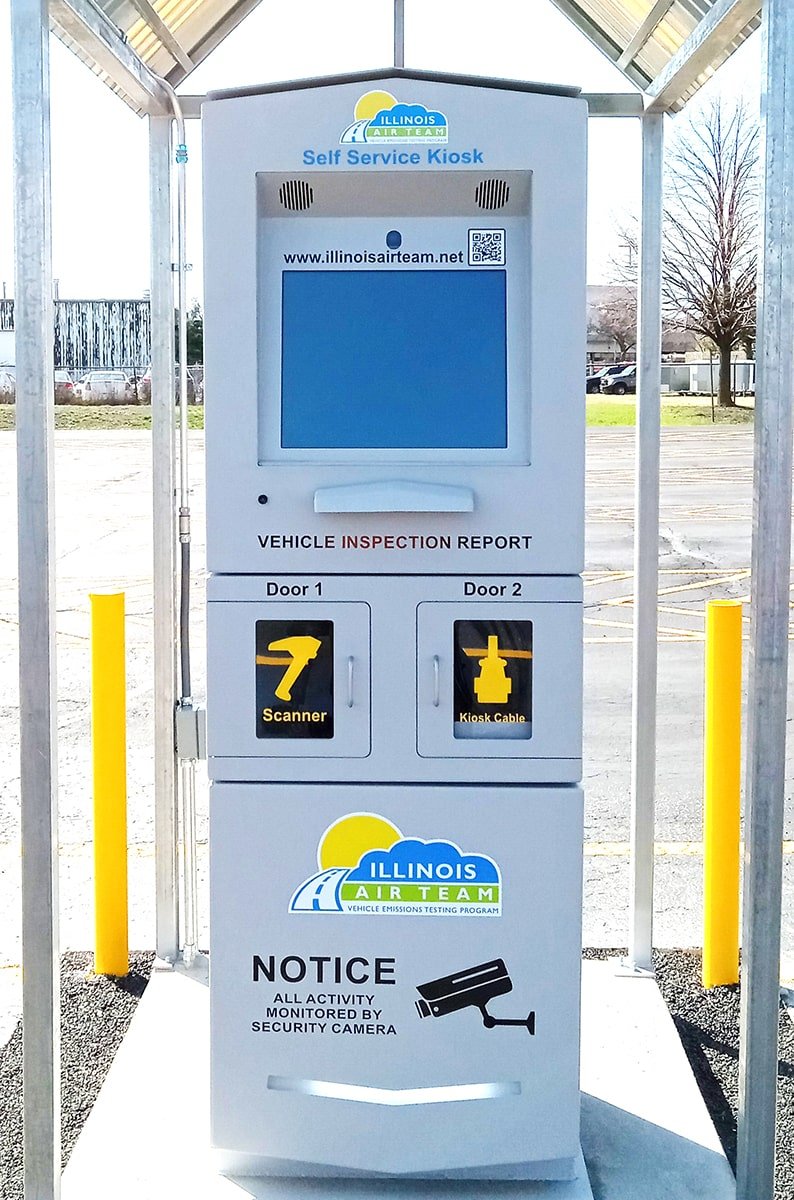
1. Navigating New Exhaust Emission Testing Protocols and Compliance Requirements
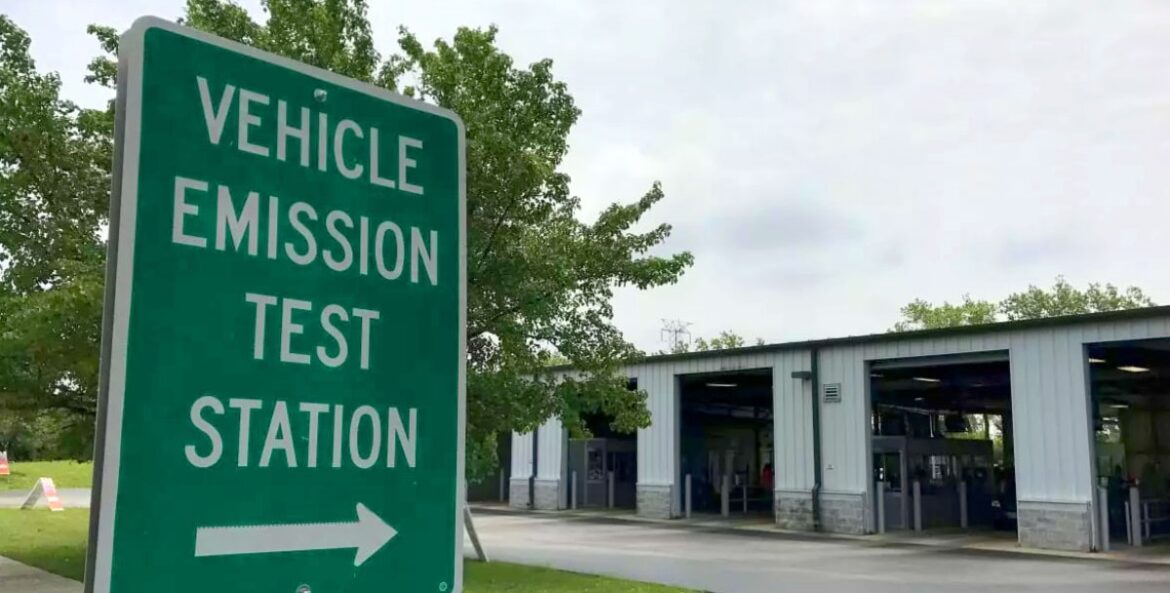
Staying informed about automotive emissions compliance regulations is no longer just for fleet managers; it is a necessity for the modern vehicle owner. As governments push for stricter environmental standards, the methods used to measure vehicle health have shifted significantly. Navigating these changes requires a solid understanding of how both hardware and software interact to meet federal and local mandates.
1.1 The Evolution of Regulatory Standards and Testing Methodologies
1.1.1 Transitioning from Static Idle Tests to Dynamic Data Integration
The era of the "tailpipe sniffer" test, where a vehicle simply idles while a probe measures exhaust gases, is rapidly fading. Modern protocols have transitioned toward dynamic data integration. This means that testing facilities are increasingly relying on real-time data retrieved directly from your vehicle’s engine computer. By analyzing how the engine performs under simulated load conditions, inspectors can get a much clearer picture of how a vehicle behaves on the road compared to a stationary test.
1.1.2 Real World Driving Emissions Versus Laboratory Benchmarks
There is a growing disparity between controlled laboratory benchmarks and real-world driving emissions. Authorities are closing this gap by requiring testing that accounts for diverse driving patterns, stop-and-go traffic, and temperature fluctuations. This shift ensures that vehicles maintain clean exhaust profiles throughout their entire operating range, not just under the ideal conditions found in a test lab.
1.2 Technical Components of Modern Diagnostic Verification
1.2.1 Advanced On Board Diagnostics and Electronic Control Unit Integrity
At the heart of current compliance is the On-Board Diagnostics (OBD) system. Inspectors now prioritize Electronic Control Unit (ECU) integrity, looking for signs that sensors have been bypassed or software has been altered to mask emissions issues. Ensuring your vehicle remains in its factory-spec state is the most reliable way to pass these stringent diagnostics. If you are modifying your setup for performance, understanding JASMA compliance verification process changes is essential to ensure your exhaust system modifications align with updated legal requirements.
1.2.2 The Role of Remote Sensing Technology in Roadside Compliance
Beyond traditional inspections, the future of ICE vehicle sound regulations and emissions monitoring includes remote sensing. Roadside sensors are now capable of analyzing exhaust plumes as vehicles drive past, allowing authorities to flag high-emitting vehicles without requiring a formal shop visit. This adds a layer of accountability that encourages ongoing maintenance rather than just periodic compliance.
1.3 Navigating Federal EPA Mandates and State Level Implementation
1.3.1 Identifying VIN Specific Requirements Through Local Portals
Emissions laws are rarely one-size-fits-all. Because mandates vary significantly by state—and sometimes by county—it is crucial to use your local government’s VIN-specific lookup tools. These portals provide the most accurate information regarding which specific tests your vehicle must undergo, ensuring you do not waste time or money on unnecessary inspections.
1.3.2 Understanding Legal Consequences of Tampering With Emission Systems
Federal law is clear regarding the modification of emission control devices. Tampering with catalytic converters, O2 sensors, or EGR systems can lead to severe fines and immediate inspection failure. Beyond the legal risks, these systems are finely tuned; removing or altering them often results in decreased fuel economy and long-term damage to the engine’s internal components.
2. Preparing for Inspections and Long Term Vehicle Maintenance
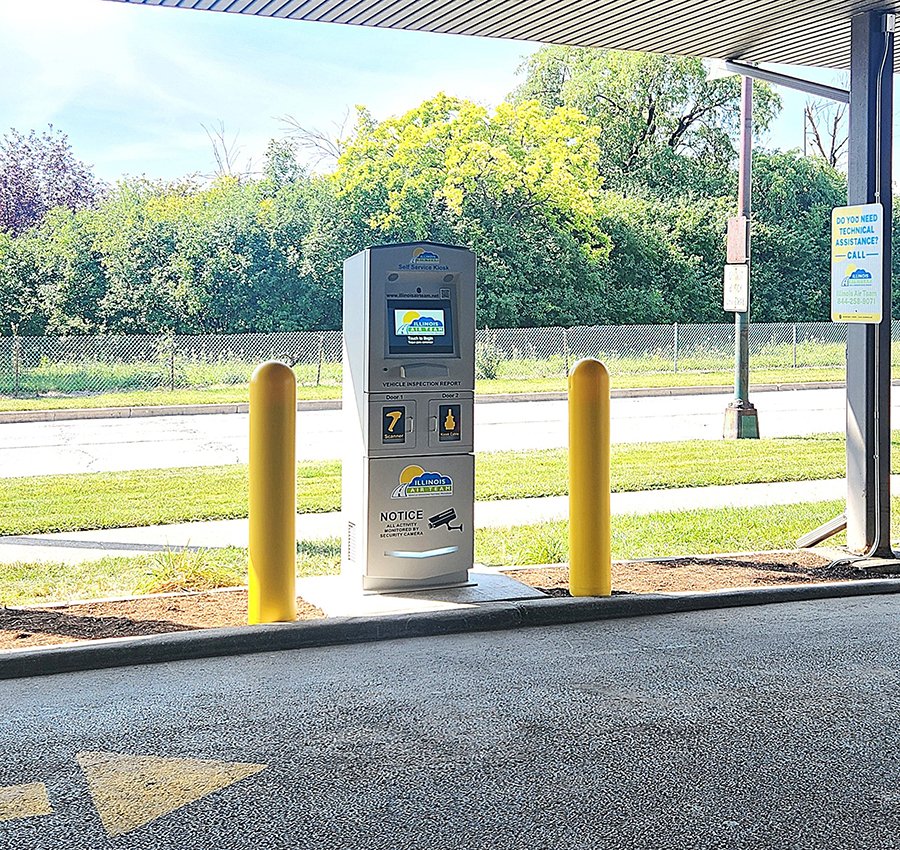
Staying ahead of the curve is the most effective way to avoid the stress and expense of a failed emissions inspection. As states adopt more rigorous testing protocols, vehicle owners and fleet managers must move beyond a "reactive" mindset and embrace a proactive approach to vehicle health.
2.1 Practical Steps for Owners and Fleet Managers to Ensure Passing Results
2.1.1 Addressing Common Trigger Points Like Check Engine Lights and Sensor Failures
The most common cause for inspection failure is a triggered Check Engine Light (CEL). Modern testing protocols prioritize the integrity of the vehicle’s On-Board Diagnostic (OBD) system. If your CEL is illuminated, your vehicle will almost certainly be rejected before physical testing begins. Address these warnings immediately by identifying the diagnostic trouble code (DTC). Often, a simple O2 sensor failure or a loose gas cap can trigger a code that prevents your vehicle from passing its readiness monitors, even if the engine appears to be running smoothly.
2.1.2 The Critical Importance of OEM Certified Replacement Parts
When repairs are necessary, the quality of replacement components is paramount. Using non-compliant or inferior parts often leads to recurring diagnostic errors. It is essential to prioritize OEM (Original Equipment Manufacturer) certified components, especially when addressing emission-critical parts like catalytic converters. Using verified parts ensures that your vehicle maintains the manufacturer’s intended emission profile and sensor feedback loops. For those looking to optimize their exhaust systems while remaining within legal parameters, referencing exhaust gas purification efficiency standards for JASMA parts can serve as a guide for selecting high-quality, compliant hardware.
2.2 Strategies for Predictive Maintenance and Future Proofing
2.2.1 Recommended Intervals for Catalytic Converter and O2 Sensor Health Checks
Predictive maintenance involves monitoring components before they reach the point of failure. While manufacturers suggest various service intervals, standard practice for emission-sensitive vehicles includes testing O2 sensor voltage output every 60,000 miles. Catalytic converters should be inspected for thermal fatigue or physical damage during routine oil changes to prevent "hidden" emission failures that don't immediately trigger a dashboard light but will show up on a dynamometer or tailpipe sniff test.
2.2.2 Adapting to Hybrid and Plug In Electric Vehicle Testing Trends
As the automotive landscape shifts, emission testing is evolving to include hybrid and plug-in electric vehicle (PHEV) architectures. While these vehicles generally produce fewer tailpipe emissions, regulations are now focusing on the battery health and the secondary emission systems of the internal combustion components within hybrids. Owners should monitor these systems via manufacturer-provided diagnostic software to ensure their hybrid powertrains remain fully compliant with regional standards.
2.3 Addressing Inspection Failures and Common Owner Inquiries
2.3.1 Standard Procedures Following an Emission Test Failure
Receiving a "fail" result can be frustrating, but it is not the end of the road. Most jurisdictions provide a detailed report specifying exactly which monitor failed—such as the EVAP system or catalytic efficiency. Use this report to target your repair efforts. Once the repair is complete, you must drive the vehicle through a specific "drive cycle" to reset the electronic readiness monitors before returning for a re-test.
2.3.2 Assessing Exemptions for Classic and Specialty Vehicles
Classic and specialty vehicles are often subject to different rules. Many states offer exemptions based on vehicle age or limited annual mileage. However, documentation requirements for these exemptions have become stricter, often requiring specialized registration or affidavits. Always check your state’s specific portal to confirm if your vehicle qualifies for a classic exemption.
2.3.3 Evaluating the Utility of Personal OBD II Scanners for Compliance Monitoring
Investing in a high-quality OBD II scanner is a wise decision for any vehicle owner. These tools allow you to check your vehicle's readiness status at home, long before you visit an official inspection station. By monitoring these status flags yourself, you can avoid the inconvenience of a failed test and ensure that your engine management system is in perfect alignment with modern automotive emissions compliance regulations.
Navigating the shifting landscape of new exhaust emission testing protocols can feel daunting, but staying informed is the most effective way to ensure your vehicle remains compliant and road-ready. As we have explored, the transition toward dynamic data integration and advanced diagnostic monitoring represents a broader industry shift toward cleaner air and standardized performance. By prioritizing the health of your vehicle’s electronic control unit and ensuring the use of certified components, you can avoid the common pitfalls that lead to inspection failures.
Understanding these regulations is not just about passing an annual check; it is about maintaining the longevity and efficiency of your internal combustion engine. Whether you are managing a fleet or simply maintaining your personal daily driver, proactively checking your diagnostic systems and adhering to maintenance intervals will save you both time and money in the long run. For those interested in the finer details of how these systems perform under pressure, you can review our exhaust gas purification efficiency standards to better understand how modern hardware meets these rigorous benchmarks. As the future of automotive regulations continues to evolve, staying proactive remains your best defense against unexpected compliance issues.