
For automotive enthusiasts and performance tuning professionals, maintaining proper documentation for aftermarket components is essential. If you have recently purchased a vehicle equipped with a specialized exhaust system or are preparing for a regulatory inspection, effective JASMA certification document retrieval is often a critical hurdle. Whether you are dealing with a pre-owned vehicle or managing a fleet, knowing how to verify your components against official manufacturer data ensures you stay within the legal framework of JASMA exhaust noise level standards. While many users encounter challenges with aging paperwork, the process does not have to be an exercise in frustration. In this guide, we will walk you through the most reliable strategies for locating your documentation, the importance of JASMA plate serial number verification, and the steps you should take if you need to address a missing certification plaque. By following these professional protocols, you can ensure your exhaust system remains compliant and fully traceable throughout its operational lifespan.
1. JASMA Certification Document Retrieval Strategies and Best Practices
Effective management of your automotive records begins with understanding the core framework of the Japan Automotive Sports Muffler Association (JASMA). Efficient JASMA certification document retrieval requires a structured approach to identifying, verifying, and maintaining your exhaust system's legal documentation. Whether you are managing a single vehicle or an entire fleet, these strategies ensure that you remain compliant with noise level regulations and technical standards.
1.1 Core Components and Regulatory Framework
1.1.1 Essential Documentation Types for JASMA Compliance
To remain fully compliant, you must secure the original certification certificate provided by the manufacturer. This document serves as the primary evidence that your exhaust system meets specific safety and environmental criteria. Alongside the certificate, keep records of the initial laboratory testing data and conformity of production reports. Ensuring these documents are stored in a format that preserves the original formatting is critical for audit readiness.
1.1.2 Understanding Traceability Requirements in Certification
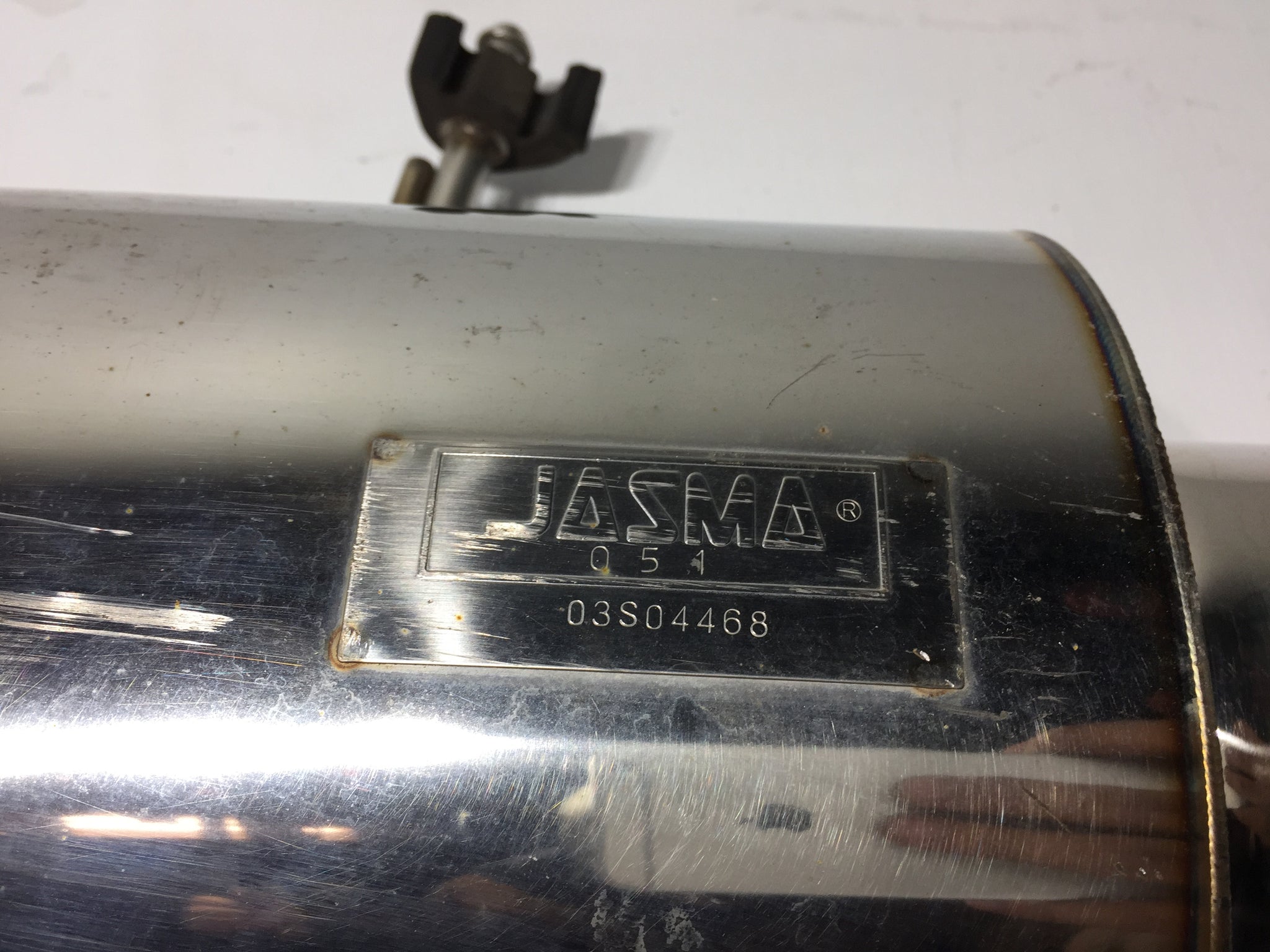
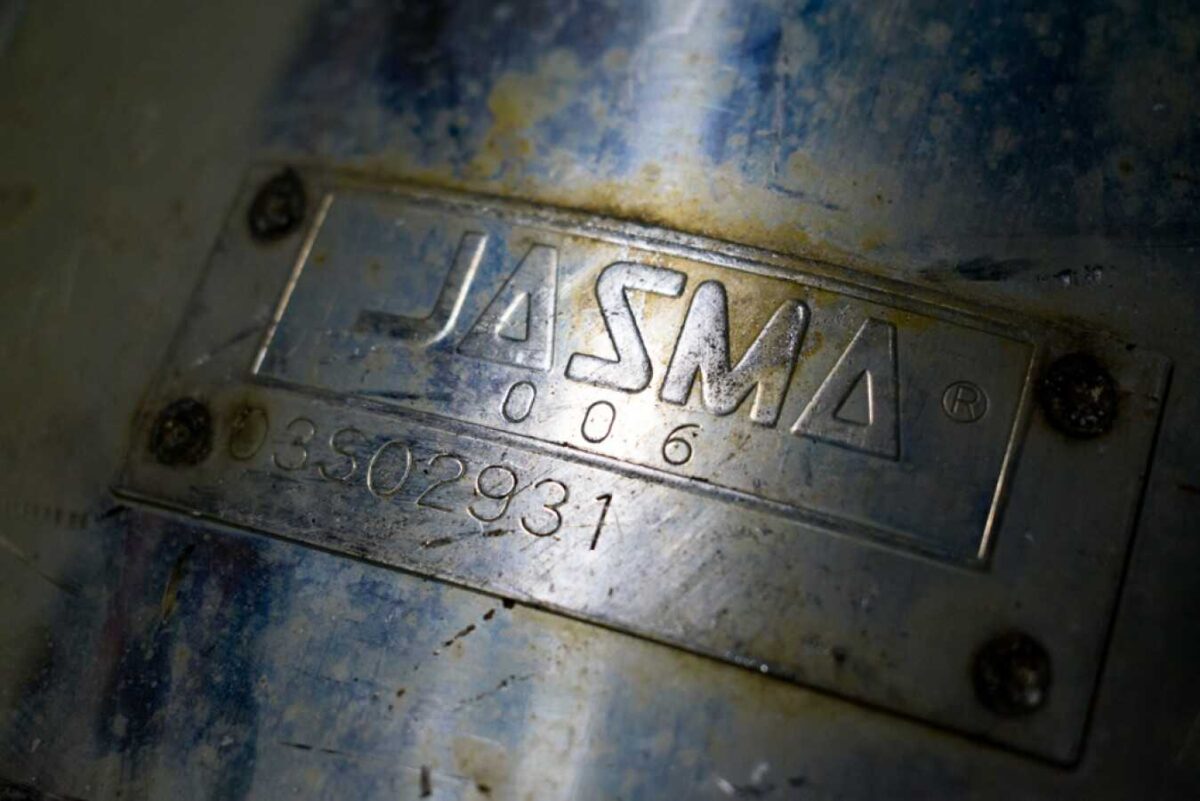
Traceability is the backbone of JASMA standards. Every document must map directly to a specific product batch and serial number. This process begins with an accurate JASMA plate serial number verification, which acts as the unique identifier for your hardware. Without this verified link, certification documents become disconnected from the physical asset, potentially rendering your compliance status void during inspections.
1.1.3 The Role of Digital Signatures and Authenticity Proofs
Modern retrieval strategies rely heavily on cryptographic validation. Official certification records often include digital signatures or watermarks that prevent unauthorized tampering. When retrieving these files, ensure they are downloaded from verified manufacturer portals to maintain the integrity of the authenticity proof, as altered documents are frequently rejected during regulatory reviews.
1.2 Effective Retrieval Methodologies
1.2.1 Establishing Standardized Naming Conventions for Compliance Assets
Organization is the best defense against lost documentation. Implement a naming convention that includes the manufacturer name, product series, and the specific JASMA serial number. A file labeled “JASMA_Certification_[Manufacturer]_[SerialNumber]” is infinitely easier to locate than generic file names. This standardization allows for rapid retrieval during maintenance cycles or unexpected compliance checks.
1.2.2 Centralized Repository Management and Access Control
Avoid storing compliance records across multiple personal devices or cloud accounts. Establish a single, centralized repository—such as a secure cloud drive or a dedicated document management system—to serve as the "source of truth." Implement access controls so that only authorized personnel can update, delete, or modify these sensitive records, protecting the audit trail from human error.
1.2.3 Differentiating Between Historical Records and Current Versioning
Regulatory standards evolve, and what was compliant five years ago may require updated documentation today. Clearly distinguish between historical records, which prove the legacy of the part, and current versioning, which confirms active adherence to the latest JASMA exhaust noise level standards. Always archive older versions to provide a complete lifecycle history while keeping the active certificate at the forefront.
1.2.4 Utilizing Automated Retrieval Tools for Efficiency
If you manage multiple exhausts, manual searches become unsustainable. Leverage automated document retrieval tools or database scripts that link your serial numbers directly to the manufacturer’s repository. These systems can trigger alerts when a document needs renewal or if a newer version of the compliance paperwork is released, drastically reducing administrative overhead.
1.3 Advanced Lifecycle and Maintenance Protocols
1.3.1 Automating Document Workflows for Recertification Cycles
Certification is rarely a "set it and forget it" process. Automate your workflow by scheduling periodic reminders for recertification checks. By integrating calendar alerts with your central repository, you ensure that every exhaust system remains within its valid regulatory window, preventing gaps that could lead to legal penalties.
1.3.2 Managing Stakeholder Permission Levels for Audit Security
Different stakeholders require different levels of access. Auditors may only need read-only access to specific folders, while lead mechanics might need to upload new test results. By assigning granular permission levels, you minimize the risk of accidental data deletion while maintaining transparency for third-party examiners.
1.3.3 Strategies for Maintaining Live Traceability Matrices
A live traceability matrix is a living document that connects your physical inventory to your digital records. As you add or remove exhaust parts, update this matrix immediately to reflect the current status of your compliance evidence. This practice provides a real-time snapshot of your entire inventory’s regulatory health.
1.3.4 Best Practices for Handling Legacy Data Gaps
If you discover missing records for older equipment, treat it as an immediate priority. Start by contacting the original manufacturer to request archived documentation. If the part is obsolete and records are unavailable, you may need to undergo professional testing to establish new baseline data. Do not attempt to fabricate documentation, as this undermines the entire certification process and creates significant legal risk.
2. Verification Protocols and Audit Readiness for JASMA Certification
2.1 Validating Retrieved Documentation
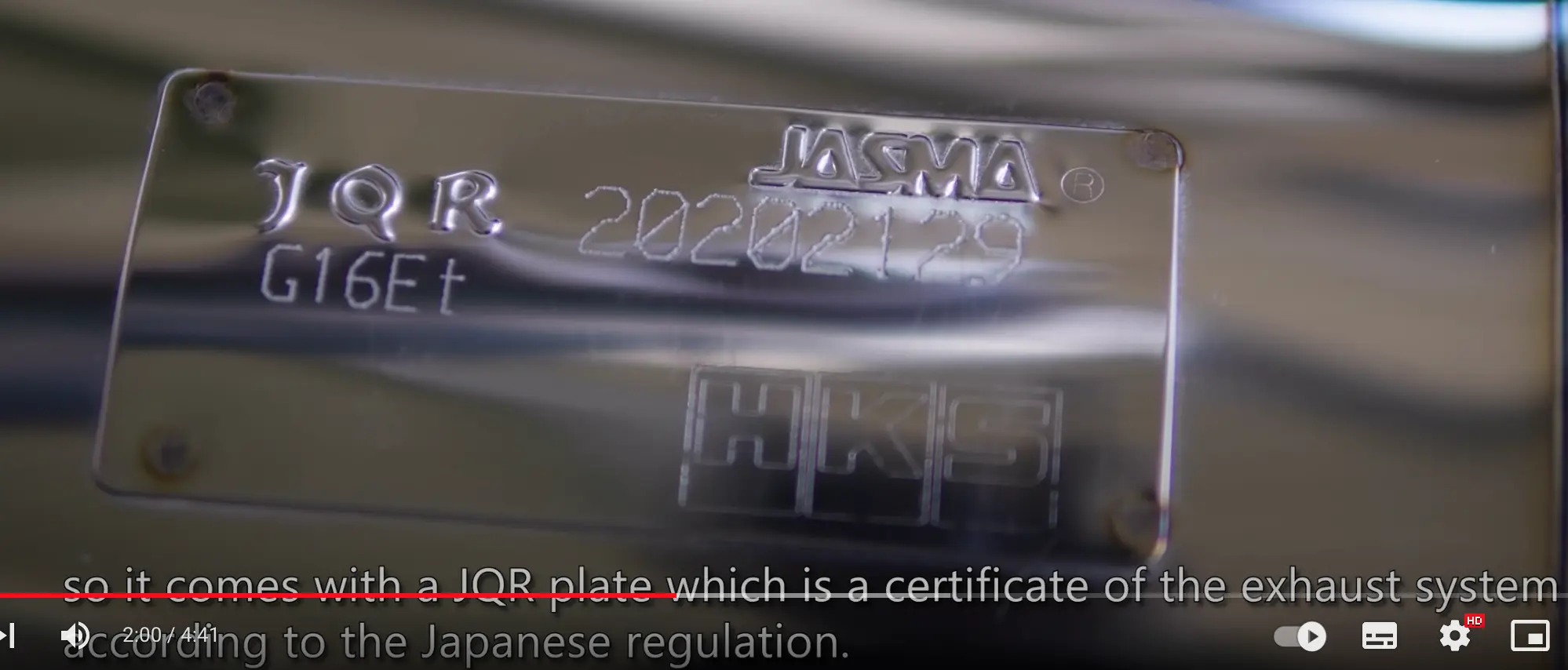
Once you have secured your records, the next critical step is ensuring the information is legally sound. Validating retrieved documentation involves more than just checking that a file exists; it requires confirming that the data accurately reflects the specific hardware installed on your vehicle. This begins by cross-referencing your JASMA plate serial number verification findings against the official digital copies to ensure the physical plaque matches the regulatory paperwork.
2.1.1 Authenticity Verification Procedures for Technical Artifacts
Authenticity hinges on identifying original watermarks, digital stamps, or manufacturer-specific seals that indicate the document is a genuine certification record. Always verify that the document includes the date of issuance and the specific test facility credentials, as these are primary indicators of a document's legitimacy during a technical inspection.
2.1.2 Mapping Evidence to Regulatory Compliance Standards
You must ensure that your documentation explicitly references current noise and emission standards. A certificate is only as strong as the data supporting it; therefore, check that the test results on your document align with the specific JASMA exhaust sound level legal limits applicable to your vehicle model and year.
2.1.3 Linking Code Results and Test Data to Official Records
Internal databases often contain raw test data that must be mapped to official certification numbers. Ensure that the test batch ID on your digital records corresponds directly to the serialized parts produced. This link provides a clear audit trail that inspectors prioritize when evaluating the compliance of modified exhaust systems.
2.2 Overcoming Common Compliance Obstacles
Maintaining compliance is an ongoing effort, especially when dealing with legacy parts or fragmented storage systems. Addressing these obstacles early prevents costly delays during official vehicle inspections.
2.2.1 Solutions for Eliminating Data Silos in Storage Systems
Data silos occur when certification documents are scattered across disparate email threads, physical filing cabinets, and local folders. Consolidating these into a singular, indexed repository is essential. Implementing a naming convention based on serial numbers or chassis codes allows for near-instant retrieval during busy maintenance cycles.
2.2.2 Rapid Recovery Techniques for Unannounced Compliance Audits
In the event of an unannounced audit, having a prepared "compliance pack" is vital. This digital binder should contain your registration, the verified JASMA certificate, and a summary of sound testing reports. Keeping this saved locally on a mobile device or as a cloud-synced document ensures that you can produce necessary proof without panic.
2.2.3 Mitigation Strategies for Missing or Incomplete Certification Records
If you discover your records are incomplete, the best strategy is to contact the original manufacturer for a replacement or use the serial number to request a re-issue of the documentation. While a JASMA certification plaque replacement may be necessary if the physical plate is damaged, official digital records usually suffice for most standard verification needs if obtained directly from an authorized source.
2.3 Frequently Asked Questions
2.3.1 Key Differences Between Validation and Verification in JASMA
Validation ensures you are looking at the correct requirements for your specific part, while verification confirms that your actual, physical component meets those requirements through documented evidence.
2.3.2 Determining Optimal Audit Intervals for Document Accuracy
Conduct a document audit whenever you perform major engine tuning or every two years to coincide with standard vehicle registration cycles, ensuring all records remain current and accessible.
2.3.3 Assessing Risks of Incomplete Evidence During Audits
Incomplete evidence often leads to failed inspections or potential fines. If your records are missing critical test data, your exhaust system may be flagged as non-compliant regardless of its actual performance.
2.3.4 Implementing Automation Within Existing Management Tools
Utilize simple digital asset management software or even tagged cloud storage to automate the expiration alerts for your compliance documents, ensuring you are never caught off guard by an outdated certificate.
2.3.5 Defining Roles and Responsibilities for Document Maintenance
For shops and individual owners alike, designate a single point of contact responsible for updating the compliance matrix. This ensures that when a new certification is issued, the old documentation is archived and the new records are correctly indexed.
Securing and maintaining your JASMA certification document retrieval records is more than just a bureaucratic necessity; it is a vital step in ensuring your vehicle remains fully compliant with automotive standards. By following the verification protocols and organization strategies outlined in this guide, you can confidently manage your documentation, whether you are preparing for a routine inspection or addressing a missing plaque. Remember that effective record-keeping not only safeguards your investment but also ensures you are up to date with the latest automotive regulatory compliance in aftermarket manufacturing.
As you move forward, prioritize establishing a centralized repository for your certification assets to eliminate data silos and simplify future audits. If you encounter hurdles such as lost records or unclear serial numbers, refer back to our verification procedures to restore your compliance status efficiently. Staying organized today prevents significant headaches tomorrow. If you have any further questions regarding your specific exhaust system’s status or need help navigating unique compliance scenarios, we encourage you to consult our official resource library or reach out to authorized support channels to keep your vehicle performing at its peak while meeting all legal requirements.