When upgrading your vehicle’s exhaust, understanding JASMA muffler heat dissipation properties is essential for both street-legal compliance and long-term engine performance. Many enthusiasts focus solely on sound or aesthetic appeal, yet the internal thermal management of a muffler plays a critical role in maintaining consistent backpressure and protecting nearby chassis components from heat damage. JASMA-certified systems are engineered with specific material profiles and internal geometries designed to manage high-temperature exhaust gases effectively while ensuring structural longevity.
In this guide, we will break down the engineering behind how these mufflers handle extreme thermal loads. You will learn how material selection, such as specific stainless steel grades, influences heat transfer and why the internal baffle architecture is vital for both sound attenuation and cooling efficiency. We will also explore the practical benefits of these design choices, including how they support overall JASMA exhaust weight reduction benefits by allowing for optimized material thickness. Whether you are a daily driver or a track enthusiast, understanding these thermal dynamics will help you make an informed decision for your vehicle’s exhaust setup.
1. Engineering Principles Behind JASMA Muffler Heat Dissipation Properties

Understanding the thermal management of a high-performance exhaust starts with the relationship between material selection and the physics of heat transfer. JASMA muffler heat dissipation properties are not merely a byproduct of design; they are the result of calculated engineering choices that prioritize structural longevity and gas flow efficiency.
1.1 Thermal Dynamics of Exhaust Flow and Material Selection
Exhaust systems operate in extreme conditions, where gas temperatures can fluctuate rapidly based on engine load. Selecting the right alloy is essential for managing these cycles effectively.
1.1.1 Conductivity of Austenitic Stainless Steel in Exhaust Systems
Most JASMA-certified mufflers utilize austenitic stainless steel, such as 304-grade, due to its excellent heat resistance and corrosion-mitigating properties. This material provides the necessary durability to handle the high thermal stress of combustion gases while maintaining enough thermal conductivity to prevent localized hotspots that could warp the canister over time.
1.1.2 Thermal Emissivity Comparisons Between Titanium and Steel Alloys
When comparing materials for weight reduction, titanium stands out for its high strength-to-weight ratio and distinct thermal emissivity. Titanium dissipates heat faster than traditional steel alloys, which can be an advantage for track-focused builds. However, the thickness and construction of these materials are always balanced to ensure the exhaust maintains the acoustic integrity required for certification.
1.1.3 Radiative Heat Loss Mechanisms in Muffler Canister Design
The muffler canister acts as a primary heat exchanger. By optimizing the surface area and the proximity of internal components to the exterior casing, engineers can increase radiative heat loss. This keeps the internal gas temperatures within an optimal window, reducing the risk of heat soak that often plagues restrictive factory systems.
1.2 The JASMA Compliance Framework and Internal Architecture
Compliance with JASMA standards involves a rigorous evaluation of how a muffler manages both sound and temperature. The internal architecture must facilitate smooth gas flow while meeting strict noise attenuation targets.
1.2.1 How Baffling and Chamber Design Influence Thermal Retention
Complex baffle arrangements may increase sound absorption, but they can also trap heat if not properly ventilated. Effective designs use a flow-through philosophy that encourages gas expansion and cooling, ensuring that thermal energy is evenly distributed across the muffler’s internal chambers.
1.2.2 Balancing Internal Flow Velocity with Gas Cooling Rates
Maintaining high exhaust gas velocity is key to preventing moisture buildup and carbon deposits. By carefully controlling the cooling rate through variable diameter piping and strategic chamber volume, manufacturers ensure the engine maintains peak performance without compromising the muffler's material lifespan.
1.2.3 Impact of JASMA Certification on Silencer Packing Density
The packing material used for sound dampening must be thermally stable. Proper JASMA exhaust system durability testing ensures that the packing density remains consistent despite the high-temperature expansion and contraction of the canister, preventing the premature breakdown of sound-deadening fibers.
1.3 Long-term Thermal Stability and Structural Integrity
The longevity of an exhaust system depends on its ability to withstand constant thermal cycling. Over time, poorly managed heat leads to material fatigue and structural failure.
1.3.1 Effects of Thermal Cycling on Internal Sound-Dampening Materials
Rapid heating and cooling cycles can cause internal packing to settle or degrade. High-quality systems use specialized materials that resist fragmentation, ensuring that the exhaust sound profile remains consistent even after years of street use, as detailed in our guide on JASMA exhaust system durability testing.
1.3.2 Preventing Carbon Buildup to Maintain Optimal Heat Transfer
Carbon buildup acts as an insulator, which can lead to localized overheating. Smooth internal surfaces and proper flow velocity design minimize this accumulation, allowing the muffler to transfer heat out of the system more efficiently.
1.3.3 Identifying Early Signs of Thermal Fatigue in Exhaust Welds
The welds are typically the first areas to show signs of stress. Discoloration, cracking, or surface oxidation near the mounting flanges often indicate that the exhaust is experiencing thermal loads beyond its designed threshold. Regular inspection of these joints is vital for maintaining the safety and compliance of your performance exhaust.
2. Maximizing Performance Through Exhaust Thermal Management
2.1 Understanding the Relationship Between Backpressure and Engine Output
Achieving the perfect balance between engine output and exhaust flow requires a deep understanding of backpressure. While many enthusiasts assume that a wide-open pipe is always superior, controlled backpressure is often necessary to maintain exhaust gas velocity. Effective thermal management within the exhaust system prevents gas stagnation, ensuring that the pressure waves effectively scavenge spent gases from the combustion chamber.
2.1.1 Managing Exhaust Gas Temperature for Efficient Turbine Spool
For turbocharged vehicles, maintaining specific exhaust gas temperatures (EGTs) is vital for efficient turbine spooling. By utilizing materials with optimized thermal properties, JASMA-certified systems ensure that heat is retained just long enough to maintain gas velocity before dissipating it in the muffler canister. This precise thermal control reduces turbo lag and improves transient throttle response.
2.1.2 The Effect of Heat Soak on High-RPM Power Consistency
Heat soak occurs when the exhaust system retains excessive thermal energy, leading to elevated intake temperatures and reduced power consistency during spirited driving. A well-engineered muffler design manages this by promoting consistent heat radiation. When an exhaust system effectively sheds heat, it prevents the radiating energy from affecting surrounding components, allowing the engine to maintain peak power through the high-RPM range without thermal degradation.
2.1.3 Why JASMA Standards Prioritize Mid-Range Torque Efficiency
JASMA standards are crafted to ensure that aftermarket systems do not sacrifice drivability for peak power. By prioritizing mid-range torque, these systems often utilize internal chamber designs that manage gas pulses at lower frequencies. This focus on efficiency ensures that the vehicle remains responsive in daily driving conditions, bridging the gap between race-inspired performance and street-legal comfort. For more context on these design choices, see our guide on performance exhaust flow dynamics.
2.2 Strategic Applications for Street and Track Environments
2.2.1 Comparing JASMA-Certified Systems with Straight-Through Performance Pipes
While straight-through pipes minimize backpressure, they often lack the thermal management and acoustic control found in certified mufflers. JASMA systems provide a more sophisticated approach by incorporating internal packing that acts as both a sound dampener and a heat sink. This allows for a refined exhaust note without the harsh drone associated with unrestricted racing setups.
2.2.2 Assessing Heat Dissipation Needs for Daily Drivers versus Modified Engines
Daily drivers benefit from materials that resist corrosion and handle frequent heating and cooling cycles, whereas modified engines often generate higher EGTs that demand greater heat dissipation. Understanding your specific application is key; a system designed for a track-focused car may not provide the necessary longevity for a daily commuter if the heat dissipation profile doesn't align with the engine's thermal output.
2.2.3 When to Transition from Street-Legal Mufflers to High-Horsepower Setups
The transition to a high-horsepower setup often requires a complete rethink of thermal management. Once an engine is modified to push significantly more exhaust volume, the stock-style canister may become a bottleneck, both in terms of flow and heat capacity. Upgrading to a specialized performance exhaust is recommended when the current system exhibits signs of thermal fatigue or when backpressure levels begin to negatively impact turbine health.
2.3 Optimization Tips for Exhaust Maintenance and Longevity
2.3.1 Best Practices for Cleaning Muffler Internals to Improve Flow
Over time, carbon buildup inside the muffler can restrict flow and trap excess heat, which alters the muffler’s designed thermal properties. Regular inspection and, if applicable, cleaning of the muffler tips and internal pathways help maintain the efficiency of the heat dissipation process. Avoiding harsh chemical cleaners is essential to preserving the integrity of the specialized packing materials.
2.3.2 Monitoring External Temperatures to Detect Potential Exhaust Leaks
Unexpected temperature spikes on the exterior of your exhaust piping can be a primary indicator of a leak or a failing gasket. Because hot exhaust gases can damage surrounding undercarriage components, monitoring these temperature zones is a simple but effective way to ensure your system remains within safe operating parameters.
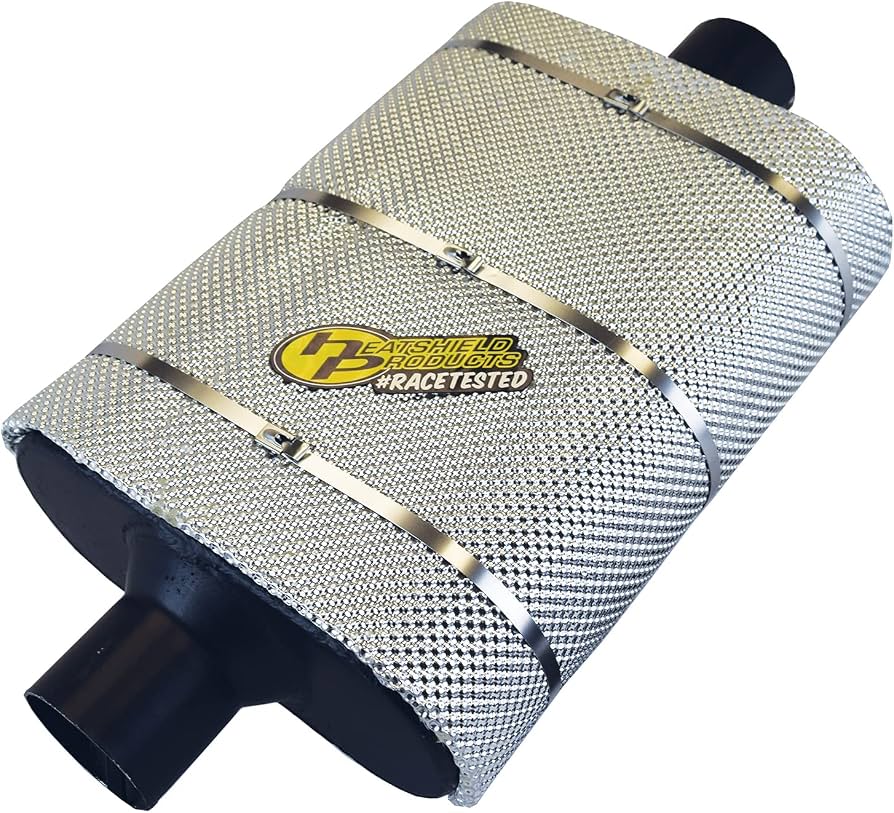
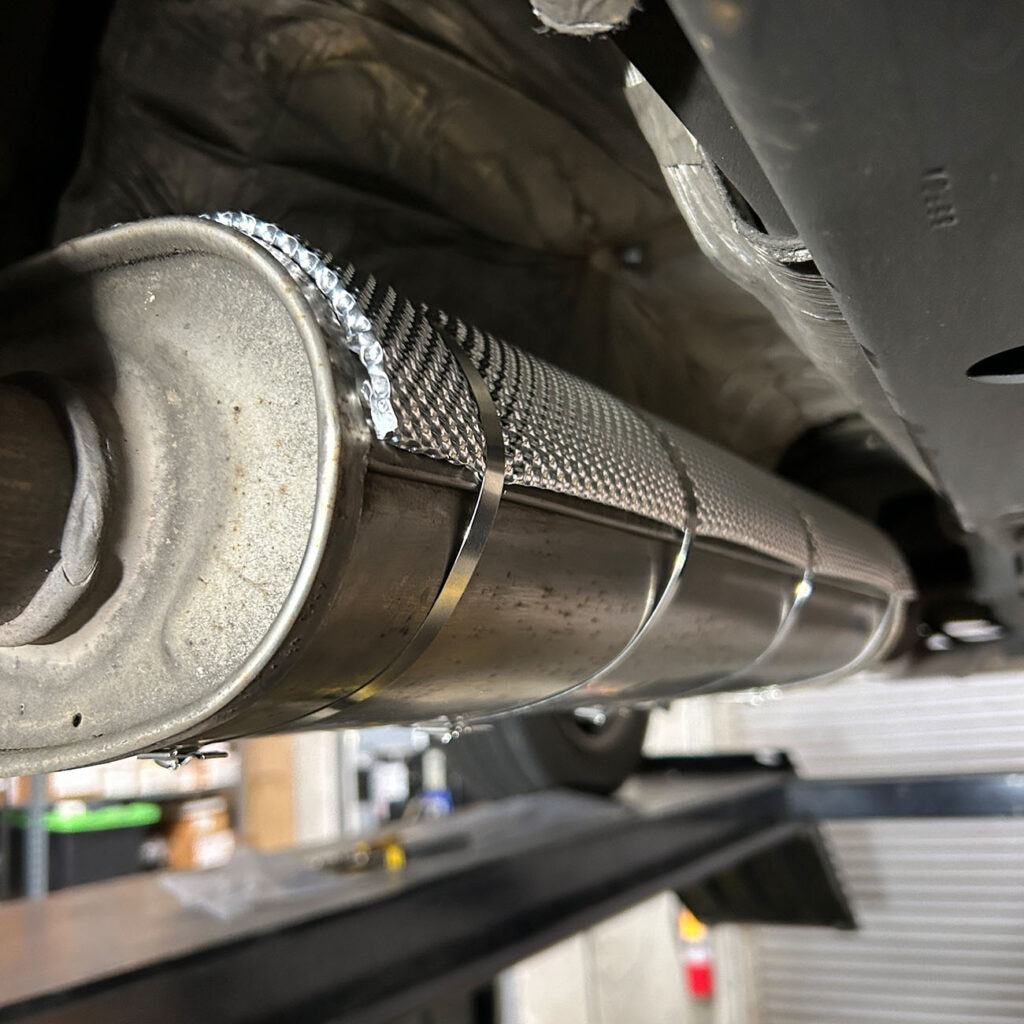
2.3.3 Evaluating the Need for Thermal Wrapping in Restricted Spaces
In tightly packaged engine bays, thermal wraps are often used to contain heat. However, wrapping must be approached with caution. While it keeps exhaust temperatures high for faster flow, it can also accelerate the material fatigue of the piping itself. Before opting for a wrap, verify that your exhaust system is constructed from high-grade materials capable of withstanding the increased thermal stress.
Understanding the JASMA muffler heat dissipation properties is essential for any enthusiast looking to balance high-performance gains with long-term reliability. Throughout this guide, we have explored how deliberate material selection, such as austenitic stainless steel and specialized titanium alloys, works in harmony with internal canister architecture to manage thermal loads efficiently. By prioritizing consistent heat transfer and structural resilience, JASMA-certified systems ensure that your vehicle performs optimally under varying conditions, from spirited street driving to rigorous track sessions.
When you choose a system backed by these standards, you are investing in more than just a sound upgrade; you are securing an exhaust solution engineered to mitigate thermal fatigue and maintain engine efficiency over the long haul. Remember that proper maintenance, such as monitoring your exhaust components for early signs of wear and keeping your system free of carbon buildup, is the best way to protect your investment. For those looking to deepen their understanding of how these components influence vehicle behavior, we recommend reviewing our comprehensive guide on JASMA acoustic performance variance factors and sound guides. By aligning your maintenance routine with these engineering principles, you ensure your exhaust system remains a reliable, high-performing asset for your vehicle for years to come.