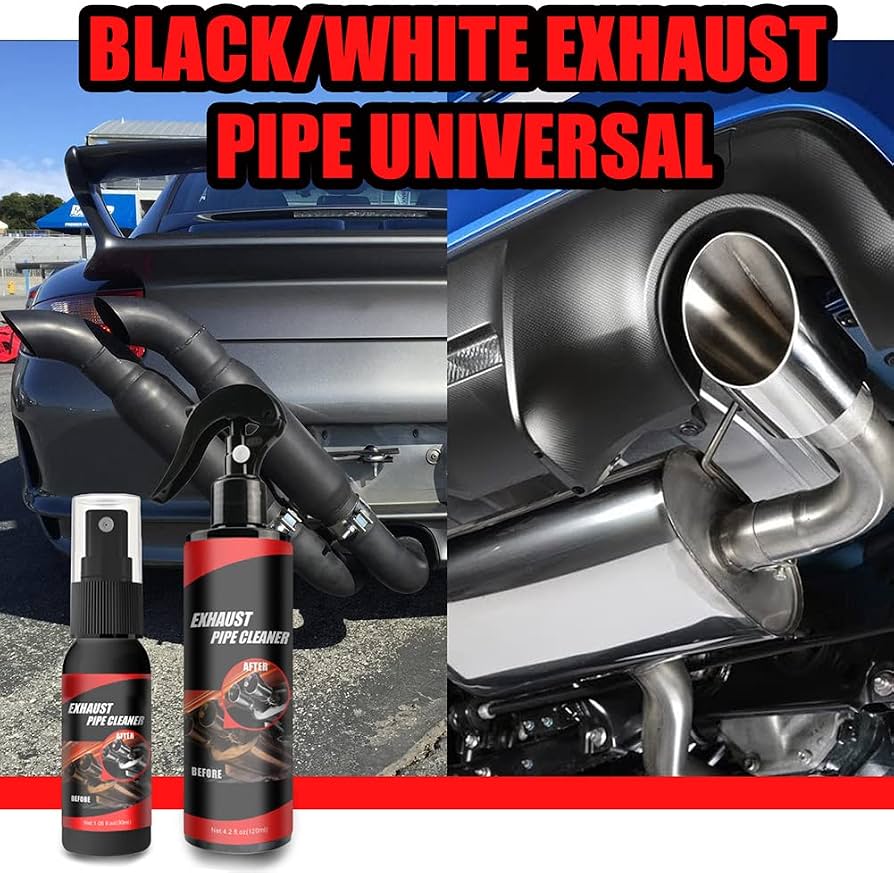
Investing in a high-quality exhaust system is a significant commitment for any enthusiast, and ensuring its longevity is just as important as the initial installation. Implementing consistent JASMA exhaust system rust prevention techniques is essential to protect your investment from the harsh realities of road debris, moisture, and thermal stress. Because these precision-engineered components often utilize specialized alloys to balance performance with weight reduction, they require a more thoughtful approach to care than standard factory parts. Whether you are dealing with everyday commuting or seasonal climate challenges, understanding how to mitigate oxidation is key to maintaining both the aesthetic appeal and structural integrity of your setup. In this guide, we will walk you through the science of exhaust degradation and provide actionable maintenance protocols to keep your system in peak condition. You will learn how to identify potential issues early, the best methods for surface restoration, and expert-recommended strategies to extend the lifespan of your certified hardware.
1. Advanced JASMA Exhaust System Rust Prevention Techniques and Materials Science
1.1 Understanding the Degradation Processes of Performance Exhausts
1.1.1 The Chemistry of Internal Condensation and Acidic Buildup
Performance exhaust systems, particularly those engineered to meet strict standards, rely on precise alloy compositions that balance weight and thermal resilience. However, the internal environment is inherently hostile. As hot exhaust gases cool during engine shutdown, water vapor condenses inside the muffler and piping. This condensation often captures combustion byproducts—specifically sulfur and nitrogen oxides—creating a mildly acidic solution. Over time, this acidic cocktail collects in the low points of the system, accelerating internal corrosion. Understanding these JASMA muffler heat dissipation properties is critical, as the material's ability to shed heat influences how quickly this condensation evaporates once the engine reaches operating temperature.
1.1.2 External Oxidation Factors: Road Salt, Humidity, and Thermal Cycling
Externally, your exhaust faces a relentless barrage of environmental stressors. In regions where road salt or de-icing agents are utilized, chloride ions aggressively attack the protective chromium-oxide layer inherent in high-quality stainless steel. Humidity acts as a catalyst, while frequent thermal cycling—the expansion and contraction caused by heating up during spirited driving and cooling down afterward—can cause microscopic stress fractures in the metal. These fissures act as entry points for contaminants, leading to localized oxidation that can penetrate deeper into the material than surface-level spotting.
1.2 Distinguishing Surface Oxidation from Structural Integrity Loss
1.2.1 Visual Inspection Indicators for Stainless Steel Discoloration
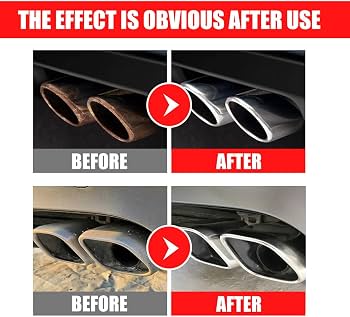
Not all discoloration on an exhaust system signals failure. High-performance alloys often transition from silver to gold or light blue due to intense heat exposure; this is generally a cosmetic hallmark of proper operation rather than a sign of degradation. In contrast, true oxidation appears as reddish-brown flaking or a rough, porous texture. If you notice a "tea-staining" effect that cannot be removed with a mild abrasive, it indicates that the surface passivity has been compromised.
1.2.2 Detecting Compromised Hangers, Flanges, and Welds
The most vulnerable points in any system are the heat-affected zones near welds and the mechanical junctions at flanges. Welds involve altering the chemical composition of the steel at the joint, making them more susceptible to corrosion than the base piping. Regularly inspect hangers for signs of thinning or "necking" caused by rust. A compromised hanger can lead to increased vibration, which puts secondary stress on the system and accelerates fatigue at the mounting points.
1.3 Essential Surface Protection Strategies for High-Heat Components
1.3.1 Professional Ceramic Coating Benefits for Heat Dissipation and Rust Mitigation
Applying a professional-grade ceramic coating is perhaps the most effective defensive measure for high-performance exhaust systems. These coatings provide a thermal barrier that reduces the amount of heat radiating into the surrounding chassis while keeping the exhaust gas velocity high. From an anti-corrosion standpoint, the coating encapsulates the metal, preventing moisture and road grime from ever making direct contact with the alloy, thereby neutralizing the most common catalysts for oxidation.
1.3.2 Selecting High-Temperature Paints and Primers for DIY Maintenance
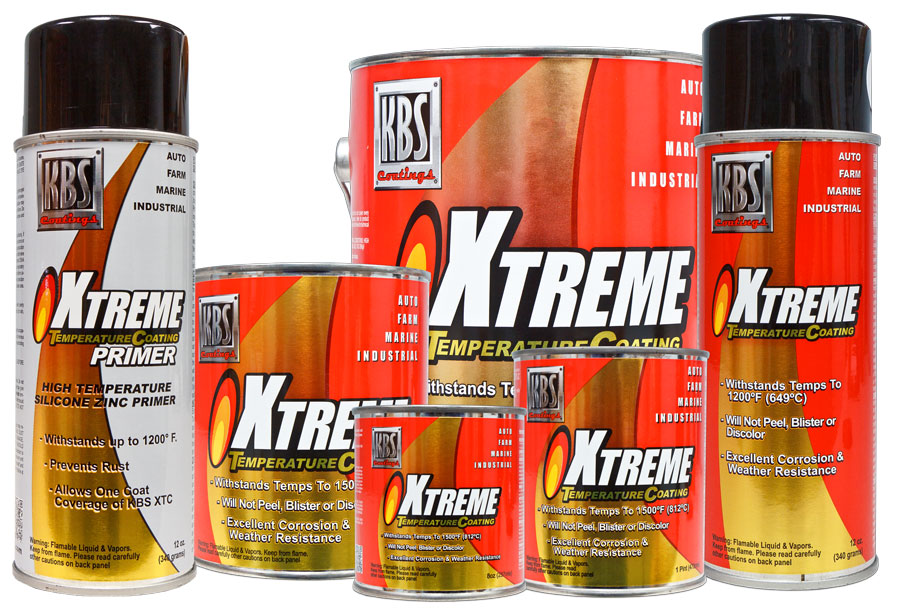
If a professional coating is not feasible, specialized high-temperature exhaust paints offer a practical alternative for the DIY enthusiast. When selecting a product, ensure it is rated for at least 1,200 to 2,000 degrees Fahrenheit. Proper surface preparation is non-negotiable; the metal must be stripped of all existing contaminants and oils using a degreaser before application. Thin, even coats are superior to thick, heavy layers, as they are less prone to cracking during the initial heat-curing cycle.
1.3.3 The Role of Passivation in Restoring Stainless Steel Protective Layers
Passivation is a chemical treatment process that removes free iron from the surface of the stainless steel, effectively "resetting" the chromium-oxide layer that gives the metal its corrosion resistance. Over time, physical abrasion and harsh environmental conditions strip this layer away. By using a citric or nitric acid-based passivation solution, you can chemically reactivate the surface, providing a robust, long-term shield that maintains the structural integrity and aesthetic appeal of your JASMA-certified components.
2. Proactive Maintenance Routines for JASMA-Certified Systems
2.1 Driving Habits and Seasonal Care Protocols
2.1.1 Mitigating Internal Corrosion Through Optimal Engine Operating Temperatures
Internal corrosion is an often-overlooked threat to JASMA-certified exhaust systems. When an engine does not reach its full operating temperature—typically during frequent short trips or "cold start" commutes—water vapor produced by the combustion process condenses inside the muffler and piping. Over time, this acidic buildup attacks the metal from the inside out. To mitigate this, ensure your vehicle reaches normal operating temperatures periodically by taking longer drives. This allows the exhaust gases to heat the metal components sufficiently, evaporating the moisture before it can settle and cause long-term damage.
2.1.2 Effective Undercarriage Cleaning Methods for Salt and Debris Removal
Your JASMA exhaust system is exposed to harsh elements, particularly if you live in coastal regions or areas with snowy winters. Road salt, grime, and mud hold moisture against the surface of the metal, creating a perfect environment for oxidation. Regular undercarriage washes are essential. Use a low-pressure spray or a dedicated undercarriage cleaner to gently flush away salt and debris from the exhaust piping, resonators, and hangers. Avoid high-pressure washers directly on delicate welds, as this can force water into crevice areas where it may linger and accelerate decay.
2.1.3 Seasonal Maintenance Checklists for Harsh Winter Environments
Preparing your vehicle for winter is critical for maintaining the high-performance alloys typical in JASMA-certified parts. Before the first frost, perform a thorough inspection of your entire exhaust line. Check for any signs of surface oxidation and clear out any debris trapped near the mufflers. For those in heavy snow zones, applying a high-temperature wax or a dedicated anti-corrosion spray to the exterior of the piping provides a sacrificial barrier against road salt. If you notice your JASMA exhaust maintenance and cleaning tips consistently, you will find that a clean system is significantly more resistant to the harsh chemical reactions caused by winter de-icing agents.
2.2 Step-by-Step Execution of Exhaust Surface Treatment
2.2.1 Deep Cleaning, Degreasing, and Chemical Preparation Procedures
Before applying any protective product, the exhaust surface must be surgically clean. Start by using an automotive-grade degreaser to remove road oils, brake dust, and grease. Once degreased, use a specialized stainless steel cleaner or a mild acidic solution to neutralize surface contaminants. This chemical preparation is vital because any trapped residue will prevent coatings from bonding properly, leading to flaking or uneven protection.
2.2.2 Mechanical Abrasion Techniques for Removing Light Surface Oxidation
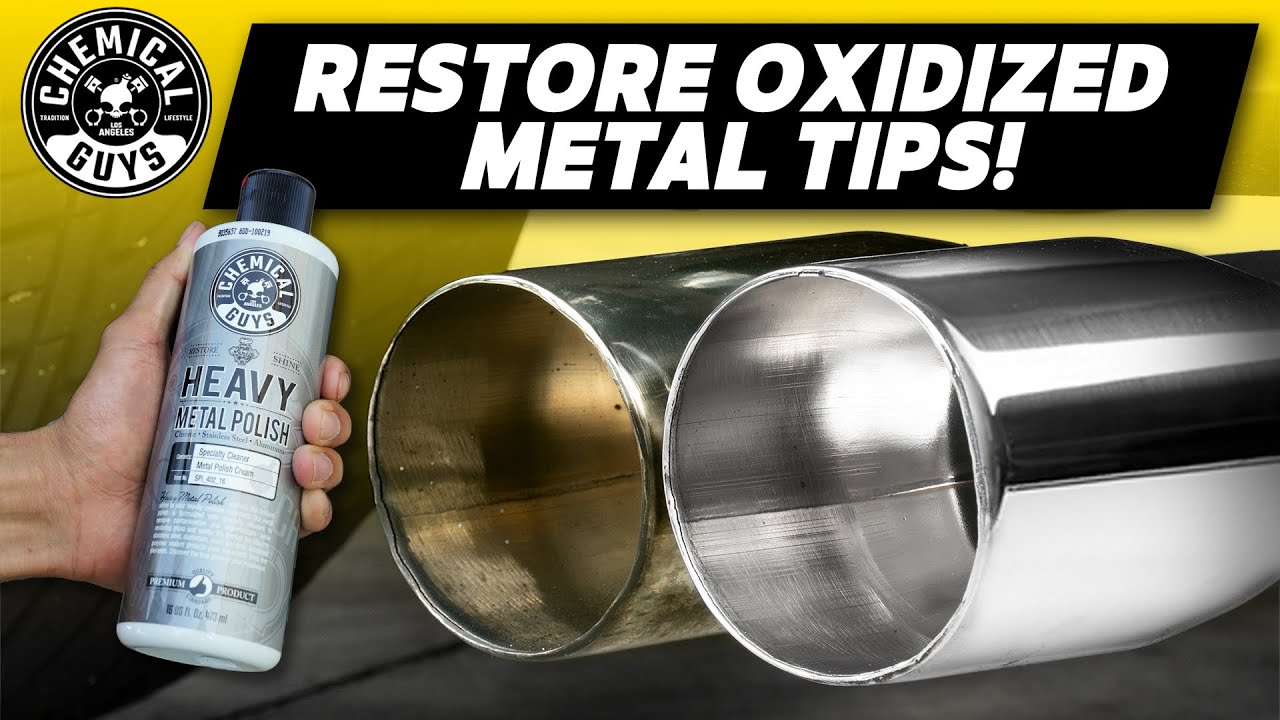
If you spot early signs of browning or light surface rust, gentle mechanical abrasion is your best solution. Use a fine-grade (0000) steel wool or a non-abrasive scouring pad to buff the affected area. Always work in the direction of the metal grain to avoid creating unnecessary scratches. This process not only removes the unsightly oxidation but also prepares the metal surface to form a new, stable passive layer, which is essential for preserving the material integrity of your high-performance exhaust.
2.2.3 Applying Heat-Resistant Protective Coatings and Ensuring Proper Curing
Once the surface is prepped, apply a high-temperature exhaust coating or spray. These products are engineered specifically to withstand the extreme thermal cycling that JASMA systems endure. Ensure the product is applied in thin, even layers to prevent runs or pooling. Most importantly, follow the manufacturer's instructions for curing; this often requires running the engine for a specific duration or at specific temperatures to allow the coating to harden and effectively seal the metal against oxygen and moisture.
2.3 Frequently Asked Questions Regarding Exhaust Longevity
2.3.1 Explaining the Difference Between Cosmetic Staining and Destructive Rust
It is important to distinguish between surface discoloration and deep, structural rust. High-performance stainless steel often experiences "heat tinting," where the metal turns golden, blue, or purple due to extreme temperature exposure. This is purely cosmetic and does not compromise the exhaust. Conversely, destructive rust appears as rough, flaky, or pitting orange-brown layers. If you can scrape the surface and find pitted metal underneath, your exhaust integrity is at risk.
2.3.2 Determining the Frequency of Protective Coating Reapplication
The frequency of reapplication depends heavily on your driving environment. In temperate climates with little road salt, a protective sealant might last six to twelve months. However, if you drive in high-humidity areas or frequently traverse salted roads, you should inspect your exhaust every three months and touch up any exposed areas to ensure constant protection.
2.3.3 Evaluating the Efficacy of Vehicle Undercoating for Exhaust Protection
While general vehicle undercoatings are excellent for chassis protection, they are typically not designed for the extreme temperatures of an exhaust system. Most standard undercoating materials will melt or smoke when applied to pipes. Only use specialized, high-heat ceramic coatings formulated specifically for automotive exhaust components to ensure safety and long-term material preservation.
Maintaining your JASMA exhaust system is an investment in both the performance and the longevity of your vehicle. By understanding the material science behind these high-performance components and adhering to a consistent, proactive care routine, you can effectively mitigate the risks of oxidation and structural degradation. From regular undercarriage cleaning to the strategic application of heat-resistant coatings, these JASMA exhaust system rust prevention techniques ensure that your system continues to deliver the precise acoustic and flow characteristics it was engineered for.
Remember that early intervention is the most effective form of maintenance. Differentiating between harmless cosmetic surface staining and the more serious onset of structural corrosion allows you to address issues before they compromise your exhaust's integrity or performance. For those looking to keep their setup in showroom condition, our detailed JASMA exhaust maintenance and cleaning tips for longevity provide the practical steps needed to protect your hardware throughout the year. With a bit of vigilance and the right approach to seasonal care, you can enjoy the full potential of your JASMA-certified exhaust for many years to come.