
For hybrid vehicle owners looking to enhance performance while maintaining environmental and acoustic responsibility, understanding JASMA certification testing for hybrid vehicles is essential. As hybrid architectures become increasingly sophisticated, the challenge of balancing combustion-engine power with electric-motor efficiency requires a specialized approach to exhaust system design. Whether you are aiming for improved throttle response or a refined exhaust note, the process for obtaining or verifying JASMA certification ensures that your aftermarket modifications align with rigorous quality benchmarks. By adhering to these standards, enthusiasts can bridge the gap between performance tuning and street-legal compliance.
In this guide, we explore the intricate testing protocols designed for hybrid-specific exhaust components. You will learn how these standards address the unique acoustic signatures of hybrid engines, the environmental necessity of maintaining high exhaust gas purification efficiency standards, and the importance of structural durability in advanced vehicle systems. We will also clarify how these international benchmarks intersect with local regulations, providing the insights you need to make informed, compliant upgrades.

1. Understanding JASMA Certification Testing for Hybrid Vehicles and Regulatory Frameworks
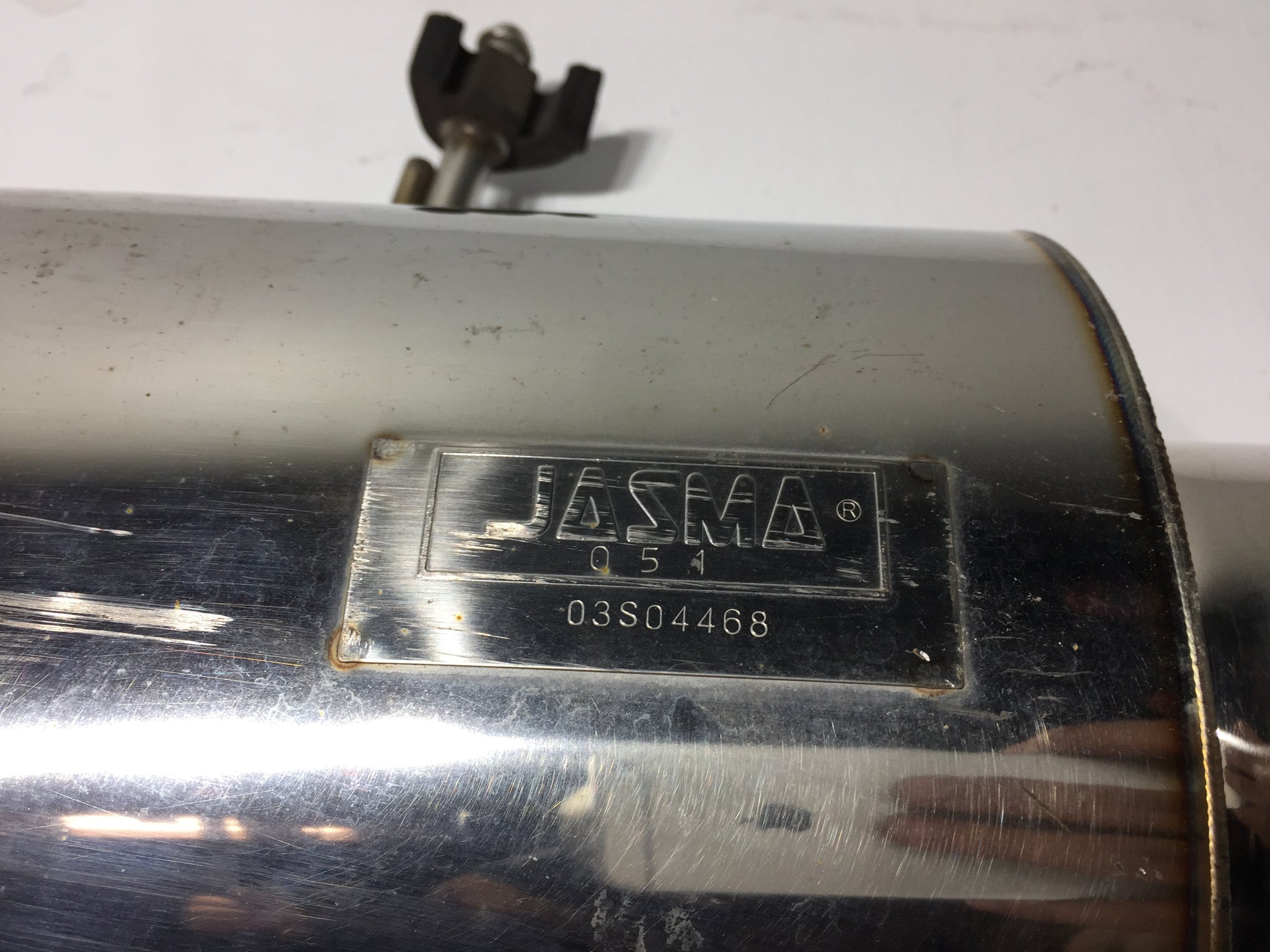
The landscape of automotive performance has shifted dramatically with the widespread adoption of hybrid power units. As enthusiasts seek to improve the sound and efficiency of their vehicles, understanding JASMA certification testing for hybrid vehicles has become essential. Unlike traditional internal combustion engines, hybrids present a unique set of variables that require a specialized approach to exhaust certification and compliance.
1.1 The Evolution of JASMA Standards for Modern Hybrid Architectures
1.1.1 Distinguishing Traditional Internal Combustion Testing from Hybrid-Specific Protocols
Traditional certification protocols focus heavily on static engine RPM and steady-state exhaust pressure. However, hybrid systems—which frequently switch between electric motor propulsion and internal combustion—demand a more dynamic testing methodology. JASMA standards have evolved to account for these transition periods, ensuring that the exhaust system remains compliant even when the gasoline engine engages abruptly under load. This requires testing that mimics real-world driving cycles rather than simple laboratory simulations.
1.1.2 The Impact of Variable Engine Loads on Acoustic and Emissions Benchmarking
In a hybrid vehicle, the engine rarely operates at a constant load. Because the electric motor assists during acceleration, the exhaust gas temperature and flow velocity fluctuate significantly compared to a purely mechanical drivetrain. Maintaining exhaust gas purification efficiency standards during these fluctuations is critical. JASMA certification ensures that aftermarket components are engineered to manage these spikes, preventing spikes in noise or emissions that could occur if the exhaust system was designed only for high-RPM operation.
1.2 Navigating the Intersection of JASMA Certification and U.S. Emissions Laws
1.2.1 How JASMA Compliance Relates to EPA and CARB Regulatory Expectations
While JASMA is a Japanese standard, its commitment to rigorous testing often aligns with international best practices for exhaust quality. In the U.S., owners must still ensure that any modification adheres to EPA and CARB requirements regarding catalytic converters and emissions hardware. Understanding how JASMA legal compliance for modified engines interfaces with local statutes is vital for any tuner looking to balance performance with legal street use.
1.2.2 The Risk of Warranty Voiding and Potential Legal Violations for Non-Certified Modifications
Installing uncertified exhaust components on a hybrid can lead to more than just a failed inspection. Due to the integration of complex electrical systems, non-certified parts can trigger check-engine lights or cause thermal issues that manufacturers may use to void hybrid battery or powertrain warranties. Certification provides a paper trail of quality, protecting both the vehicle's integrity and the owner’s legal standing.
1.3 Technical Validation Requirements for Hybrid Exhaust Systems
1.3.1 Proximity Noise Testing Protocols During Silent EV Transitions
One of the most challenging aspects of testing is measuring noise when the vehicle switches from EV mode to combustion mode. JASMA protocols now include specific proximity noise tests that evaluate the transition point, ensuring the exhaust does not produce an illegal or intrusive burst of sound as the engine starts unexpectedly.
1.3.2 Assessing Backpressure and Flow Dynamics without Compromising Fuel Efficiency
For hybrid owners, efficiency is a primary concern. The testing process focuses on optimizing flow dynamics to ensure that backpressure is reduced for better performance without causing the engine to work harder than necessary. This balance is key to preserving the fuel economy that defines hybrid ownership.
1.3.3 Thermal Cycling Durability Standards for High-Voltage Hybrid Component Integration
Hybrid exhaust systems are subjected to unconventional thermal stress. Because the engine often cycles on and off, the exhaust components experience frequent heating and cooling. JASMA’s JASMA exhaust system durability testing protocols verify that materials can withstand this constant thermal cycling without cracking or losing structural integrity, ensuring long-term reliability for the hybrid drivetrain.
2. Best Practices for Compliance, Selection, and Future Trends in Hybrid Performance
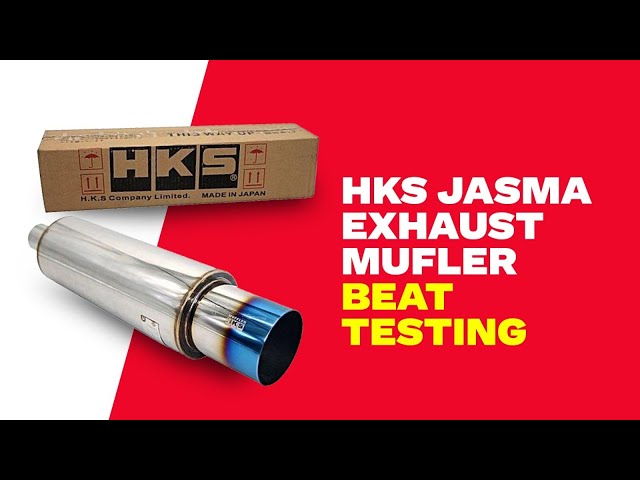
2.1 Operational Strategies for Manufacturers and Automotive Modifiers
Achieving compliance in the niche of hybrid performance requires a departure from traditional tuning mentalities. For manufacturers and modifiers, the focus must shift toward systems that respect the unique duty cycles of a hybrid powertrain, where the internal combustion engine may cycle on and off abruptly. Establishing a standard for JASMA exhaust system durability testing is not merely a box-ticking exercise; it is a fundamental requirement to ensure that aftermarket components do not prematurely fail due to the rapid thermal fluctuations inherent in hybrid operation.
2.1.1 Selecting Heat-Resistant Materials for Long-Term Hybrid Component Integrity
Hybrid exhaust systems encounter unique thermal stress because the engine often operates in short, intense bursts followed by periods of complete cooling. To prevent cracks and structural fatigue, prioritize high-grade stainless steel or titanium alloys known for their thermal stability. These materials are essential for maintaining the integrity of the exhaust path, ensuring that weight savings and flow optimization do not come at the cost of long-term durability.
2.1.2 Preparing Prototypes for the Rigorous JASMA Inspection Phase
When preparing prototypes for certification, accuracy is paramount. Modifiers should conduct preliminary acoustic testing in environments that mimic real-world hybrid transitions, particularly the transition from silent electric drive to the sudden combustion engine engagement. By ensuring the prototype meets JASMA exhaust noise level standards under these specific conditions before formal inspection, developers significantly increase their likelihood of success.
2.1.3 Maintaining Comprehensive Documentation for Regulatory Transparency
Documentation is the backbone of JASMA certification. Every prototype must be accompanied by detailed logs of emission performance, acoustic measurements, and material specifications. Maintaining a clear paper trail of your development process provides the necessary evidence to prove that your modifications adhere to both environmental and safety standards, ultimately facilitating smoother interactions with regulatory bodies.
2.2 Future Directions for Hybrid Performance Certification
2.2.1 Adapting Testing Methodologies for the Rise of Plug-in Hybrid Electric Vehicles
As plug-in hybrid electric vehicles (PHEVs) gain market share, testing protocols must evolve. Current standards are being updated to address longer periods of EV-only operation followed by high-demand combustion usage. Future certification will likely emphasize exhaust gas purification efficiency standards that remain effective even when the catalyst has cooled down during extended electric-only stints.
2.2.2 The Integration of Battery-Exhaust Management Systems in Performance Tuning
We are entering an era where performance tuning involves a symbiotic relationship between battery thermal management and exhaust flow. Advanced tuning now looks at how exhaust backpressure impacts overall engine load, which in turn affects battery discharge rates. Future JASMA certification will likely incorporate these interdependencies to ensure that performance parts enhance, rather than hinder, the efficiency of the entire hybrid system.
2.3 Addressing Common Inquiries Regarding Hybrid Exhaust Upgrades
2.3.1 EPA Recognition of JASMA Standards in the United States
It is important to clarify that while JASMA certification is a mark of high quality and engineering excellence, it does not automatically confer EPA or CARB approval. U.S. vehicle owners must ensure that any JASMA-certified part also complies with local JASMA legal compliance for modified engines and federal emissions laws. Always verify that the component is labeled for use on your specific vehicle application.
2.3.2 Distinguishing JASMA Certification from Local Aftermarket Noise Regulations
JASMA standards often focus on a specific frequency and volume profile designed to be non-intrusive. Local U.S. noise ordinances may differ, focusing on raw decibel limits measured at the curb. Therefore, a JASMA-certified part provides a "gold standard" for engineering, but owners should cross-reference this with their specific state and municipal noise laws.
2.3.3 Sourcing Reliable Databases for Verified JASMA-Certified Hybrid Parts
To avoid counterfeit parts, always use official manufacturer databases or recognized distributor portals. These sources provide the most accurate information regarding serial number verification and valid certification documentation. Relying on verified channels ensures the component you are installing truly meets the high benchmarks set by JASMA.
Navigating the complex landscape of JASMA certification testing for hybrid vehicles is essential for any automotive enthusiast or manufacturer looking to balance performance gains with regulatory compliance. As we have explored, the unique intersection of electric and internal combustion systems requires a specialized approach to acoustic tuning and emissions management. By prioritizing components that meet these rigorous international standards, you ensure that your vehicle remains both environmentally responsible and legally compliant, avoiding the risks associated with non-certified, poorly engineered modifications.
Whether you are a developer refining a prototype or a driver selecting an aftermarket system, remember that the true value of JASMA certification lies in the peace of mind that comes from verified durability and performance. Staying informed about shifting environmental regulations and the ongoing evolution of hybrid technology is the best way to protect your investment and your vehicle’s warranty status. For those ready to move forward, we recommend reviewing our JASMA compliance verification process changes to ensure you have the most current information before finalizing your upgrade. By committing to these high-standard practices, you contribute to a future where high-performance automotive tuning and sustainable engineering coexist seamlessly on the road.