
For many automotive enthusiasts, the perfect exhaust note is the hallmark of a well-tuned vehicle. However, balancing aggressive performance with community standards is increasingly challenging. Understanding the complex landscape of noise control standards for modified vehicles is no longer just a recommendation; it is a necessity for anyone looking to avoid hefty fines or mandatory vehicle impoundments. As local jurisdictions tighten their decibel limits, the pressure on owners to maintain street-legal modifications has never been higher.
In this guide, we will break down the regulatory framework governing exhaust systems, helping you navigate the distinction between federal emissions requirements and state-level noise ordinances. You will learn how to identify compliant aftermarket hardware, the importance of proper documentation, and how to stay ahead of the latest new exhaust emission testing protocols. By prioritizing a well-engineered, compliant build, you can enjoy your vehicle’s enhanced performance without falling afoul of the law or disrupting your local neighborhood.

1. Understanding Legal Requirements and Noise Control Standards for Modified Vehicles
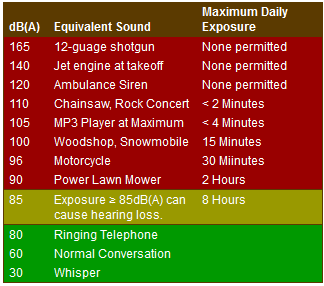
For many car enthusiasts, modifying an exhaust system is the first step toward personalizing a vehicle’s performance and auditory character. However, balancing passion with regulatory compliance is essential to avoid fines or forced rectifications. Understanding noise control standards for modified vehicles requires a nuanced grasp of both federal mandates and local ordinances that govern how loud a vehicle is permitted to be on public roads.
1.1 Navigating the Regulatory Framework for Exhaust Systems
1.1.1 Distinguishing Federal EPA Emissions Requirements from State Noise Ordinances
It is a common misconception that federal law covers all aspects of exhaust modification. In reality, the Environmental Protection Agency (EPA) primarily regulates emissions components, such as catalytic converters, to ensure air quality standards are maintained. Conversely, noise pollution is almost exclusively governed by state and municipal laws. While the EPA may prohibit tampering with emissions control devices, state ordinances dictate the decibel (dB) limits you must adhere to while driving.
1.1.2 Identifying State-Specific Decibel Thresholds and Testing Methodologies
Decibel limits vary significantly across the U.S. Some states employ a strict "no-modification" policy regarding exhaust volume, while others set specific caps—often ranging between 85 and 95 decibels. Compliance requires more than just a quiet muffler; it demands familiarity with how your state measures sound. Agencies may use different weighting scales, such as the A-weighted decibel (dBA), which is designed to mimic the sensitivity of the human ear.
1.1.3 The Difference Between Stationary Sound Levels and Drive-By Enforcement
Enforcement strategies typically fall into two categories: stationary and drive-by testing. Stationary tests are conducted while the vehicle is idling or revving in neutral at a specific distance from the microphone. In contrast, drive-by enforcement—often monitored by automated roadside equipment—measures the vehicle’s output under load. Understanding these methodologies is critical, as a vehicle that passes a stationary idle test may still be flagged during dynamic driving conditions.
1.2 Essential Components of a Street-Legal Exhaust Build
1.2.1 The Critical Role of Catalytic Converters in Sound Dampening and Emissions Compliance
The catalytic converter serves as a primary tool for both chemical conversion and sound attenuation. Removing this component often results in a harsh, rasping exhaust note that is well above legal limits. For those looking to stay compliant, opting for a high-flow catalytic converter allows for performance gains without compromising environmental mandates or excessive noise levels.
1.2.2 Understanding Muffler and Resonator Design for Decibel Suppression
Effective noise control relies on the strategic use of resonators and mufflers. Resonators are specifically engineered to cancel out high-frequency drone, while mufflers provide the bulk of decibel suppression through internal baffling or packing materials. Exploring the impact of noise pollution laws on aftermarket exhaust design helps owners select components that keep the vehicle within legal boundaries without stifling the engine's power potential.
1.2.3 Differentiating Between Certified Aftermarket Parts and Off-Road Only Components
Not all aftermarket parts are created equal. Manufacturers often label products as "for off-road use only," signaling that they have not undergone the rigorous testing required for street legality. Always look for components that carry recognized certifications, as these parts are designed to meet specific noise and safety benchmarks.
1.3 Best Practices for Documenting Modifications
1.3.1 Retaining Proof of Purchase and Manufacturer Certification Labels
Should you be pulled over for a suspected noise violation, having documentation is your best defense. Keep receipts and certification labels that verify your exhaust components are compliant with current regulations. Many reputable manufacturers provide documentation that explicitly states their products meet specific national or state noise standards.
1.3.2 Maintaining Professional Installation Records for Inspection Purposes
Professional installation not only ensures the system is mounted safely but also provides a record of compliance. Keep invoices from certified shops, as these records serve as proof that the exhaust system was installed according to industry-standard safety practices, reducing the likelihood of leaks that could cause excessive noise.
1.3.3 When to Seek Engineering Approval for Major Exhaust Modifications
For custom or one-off exhaust fabrication, general off-the-shelf certification may not apply. In such cases, seeking professional engineering approval or a post-installation sound certification from a testing facility can protect you from future citations. This proactive step is particularly important for vehicles that have undergone significant engine or forced-induction upgrades.
2. Addressing Performance Upgrades, Common Infringements, and Enforcement Actions
2.1 Identifying Common Legal Pitfalls in Exhaust Tuning
Modifying your vehicle for better performance is a rewarding hobby, but it frequently leads enthusiasts into legal grey areas regarding noise control standards for modified vehicles. The most common trap involves confusing "off-road use only" components with street-legal alternatives. While aftermarket parts may boast significant power gains, they often lack the necessary sound dampening architecture required to meet local decibel ordinances.
2.1.1 The Legal Implications of Electronic Cutout Valves and Variable Exhaust Systems
Electronic cutout valves are a popular way to bypass mufflers for a raw, aggressive tone at the track. However, using these devices on public roads is a frequent cause for citations. Even if your system has a "quiet mode," many jurisdictions focus on the potential for modification. If a valve allows the driver to exceed legal noise limits at the press of a button, law enforcement may view the entire system as non-compliant.
2.1.2 Risks Associated with De-catted Systems and Removing Emissions Hardware
Removing catalytic converters not only increases exhaust volume to illegal levels but also triggers major violations of federal emissions laws. Removing or tampering with emissions hardware, such as secondary O2 sensors or resonators, often compromises your ability to pass new exhaust emission testing protocols. These modifications are easily detected during visual inspections and often lead to mandatory vehicle impoundment or heavy fines.
2.1.3 Managing Secondary Noise Sources Like Intake Systems and Forced Induction Blow-Off Valves
Exhaust noise is only part of the equation. High-flow intake systems and vent-to-atmosphere blow-off valves add a significant amount of induction noise. When combined with an aftermarket exhaust, these secondary sources can push your vehicle’s total sound output over the state-mandated decibel limit, even if your muffler is compliant.
2.2 Responding to Roadside Inspections and Noise Violation Notices
2.2.1 Decoding the Severity of a Defect Notice or Compliance Order
A defect notice serves as an official warning that your vehicle’s sound output has exceeded local thresholds. These notices typically demand a "fix-it" resolution, requiring you to provide proof that the vehicle has been returned to a street-legal configuration within a set timeframe. Ignoring these notices often escalates the issue to license suspension or increased fines.
2.2.2 The Step-by-Step Rectification Process for Non-Compliant Vehicles
Rectification begins with reverting your exhaust setup to a configuration that aligns with the manufacturer’s original specs or a certified aftermarket equivalent. This may involve reinstalling catalytic converters, replacing deleted resonators, or upgrading to a muffler that provides sufficient decibel suppression to meet impact of noise pollution laws on aftermarket exhaust requirements.
2.2.3 Procedures for Scheduling Official Re-inspections at Certified Testing Facilities
Once the repairs are complete, you must often visit a certified testing facility. These facilities utilize calibrated microphones to perform stationary decibel tests, ensuring your vehicle now operates within the legal envelope. Always retain the technician’s report, as this serves as your primary evidence when clearing the citation at a local precinct.
2.2.4 Understanding Your Rights and Options When Contesting a Noise Citation
If you believe the citation was issued in error—perhaps due to an incorrectly calibrated roadside noise meter—you have the right to contest it in court. Presenting documentation that your exhaust system is certified and operates within federal standards can be a strong defense. Having professional, third-party test results is often the deciding factor in successful appeals.
2.3 Frequently Asked Questions Regarding Exhaust Compliance
2.3.1 Clarifying Legality for Track-Only Vehicles Versus Daily Drivers
There is a distinct legal firewall between track-only vehicles and daily drivers. A vehicle modified for the circuit must remain on a trailer when transported. If you drive a track-prepped car on public streets, it is subject to the same strict noise control standards as a factory-spec commuter vehicle.
2.3.2 Assessing Potential Liability When Purchasing Second-Hand Modified Vehicles
Buying a used modified vehicle carries hidden risks. If the previous owner removed emissions equipment or installed non-compliant bypass systems, you inherit the legal liability. Always perform a thorough pre-purchase inspection of the undercarriage to ensure all catalytic converters are present and that mufflers bear legitimate certification stamps.
2.3.3 How to Research Specific Decibel Limits by Local Jurisdiction
Noise ordinances are rarely uniform; they vary by state, county, and even municipality. Visit your local department of transportation website or check state statutes regarding vehicle equipment. Look specifically for decibel testing methodologies, as some regions utilize stationary idle tests while others rely on drive-by measurement standards.
Navigating the complex landscape of noise control standards for modified vehicles requires a balanced approach that respects both your passion for performance and the legal requirements of your local jurisdiction. By prioritizing high-quality, certified components—such as those aligned with JASMA exhaust sound level legal limits—you can enjoy a refined driving experience without the stress of frequent compliance notices or roadside citations. Remember that true performance is not merely measured in decibels, but in the longevity and reliability of your build.
As regulations continue to evolve, staying informed about your state’s specific testing methodologies and equipment requirements remains your best defense against non-compliance. Investing in proper documentation, professional installations, and street-legal hardware not only protects your vehicle from impoundment or mandatory testing orders but also ensures that the enthusiast community maintains a positive reputation within the broader automotive ecosystem. If you are unsure about the current standing of your modifications, consider reaching out to a local certified testing facility for a preliminary sound check. By taking these proactive steps, you can confidently hit the road knowing your vehicle meets the necessary standards for both the street and the track.