
For enthusiasts and professional tuners, maintaining the integrity of an exhaust system often centers on the legitimacy of its documentation. When a system is damaged or the identification tag becomes unreadable, JASMA certification plaque laser engraving becomes a critical step in restoring the legal and technical status of the vehicle. A properly engraved plaque is more than just a decorative badge; it serves as the definitive proof of compliance for environmental and noise-level regulations during vehicle inspections. Because these components are exposed to extreme thermal cycling and road debris, the engraving process must meet high industrial standards to ensure longevity and readability.
In this guide, we will walk you through the essential technical requirements for recreating these markings, the importance of material selection, and the professional-grade processes necessary to ensure your plaque maintains its JASMA certification mark authenticity. Whether you are dealing with a restoration project or addressing a lost tag, understanding these standards is essential for ensuring your exhaust system remains fully compliant with automotive regulations.
1. Technical Requirements and Material Standards for JASMA Certification Plaque Laser Engraving
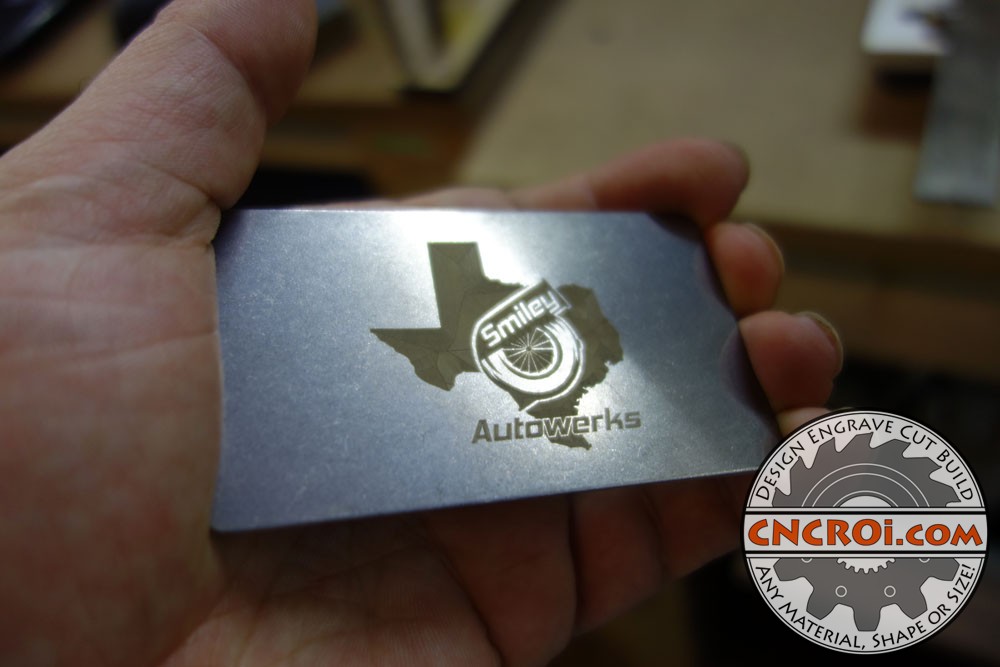
Achieving a professional-grade JASMA certification plaque laser engraving requires strict adherence to technical specifications. Because these plates serve as official identification for exhaust systems, the marking must be permanent, legible, and resistant to extreme environmental stressors. Whether you are dealing with a restoration project or a necessary JASMA certification plaque replacement, understanding the underlying material science and laser physics is the first step toward maintaining regulatory compliance.
1.1 Understanding JASMA Exhaust Compliance and Legal Mandates
JASMA compliance is not merely an aesthetic choice; it is a legal requirement for many modified vehicle inspections. Official certification plates demonstrate that an exhaust system meets specific noise and emission standards. If the identifying marks are illegible or missing, the system may fail inspection, necessitating a correct, standardized replication of the original manufacturer data.
1.1.1 Decoding Required Serial Numbers and Certification Codes
Every authentic JASMA plate relies on a unique identifier. Proper JASMA plate serial number verification is essential before any engraving begins. The plate must contain the specific JASMA logo, the assigned serial number, and the certification code that corresponds to the system’s noise attenuation properties. When re-engraving or restoring these details, one must ensure the font size, spacing, and character depth strictly mirror the original documentation provided by the manufacturer.
1.1.2 Legal Importance of Permanent Marking for Automotive Inspections
Automotive inspectors prioritize the permanence of certification marks. Unlike adhesive labels, laser-engraved data on metal provides the necessary durability to withstand years of road vibration, grime, and heat. Failure to ensure that your markings are etched at an appropriate depth can lead to legal complications during regulatory reviews. For a deeper understanding of how these identifiers interact with regional laws, refer to this JASMA exhaust identification tag decoding guide.
1.2 Optimal Material Selection for High-Heat Exhaust Environments
The substrate used for the certification plaque is just as critical as the engraving process itself. The plate must be composed of materials capable of maintaining structural integrity near high-flow exhaust components.
1.2.1 Stainless Steel Versus Titanium Performance Characteristics
Most JASMA plaques are fabricated from high-grade stainless steel (typically 304 or 316) or titanium. Stainless steel is favored for its exceptional resistance to corrosion and its ability to accept deep, high-contrast laser marking. Titanium offers superior weight savings and heat resistance but requires a different laser frequency to ensure the engraving remains sharp and does not introduce surface brittleness through excessive heat penetration.
1.2.2 Surface Preparation Techniques for Professional Grade Adhesion
Before engraving, the surface must be free of oils, grease, or oxides. Even microscopic residues can cause the laser to reflect unevenly, resulting in inconsistent marking. A high-quality finish is achieved by degreasing the metal with industrial-grade solvents and ensuring the plaque is perfectly flat. If the plaque has surface scratches or deep pitting, polishing the area prior to engraving is necessary to ensure the laser beam maintains a uniform focal point across the entire design.
1.3 Essential Laser Technology for Metal Marking
The technology used to apply the serial information dictates both the aesthetic quality and the longevity of the mark.
1.3.1 Why Fiber Lasers Surpass CO2 Systems for Metallic Plaques
Fiber lasers are the industry standard for metal marking because they operate at a wavelength that is highly absorbed by metallic surfaces. Unlike CO2 lasers, which are designed for organic materials and plastics, fiber lasers can produce high-contrast, permanent marks on steel and titanium. They offer the precision required for complex JASMA logo geometry and microscopic serial text without damaging the surrounding material.
1.3.2 Selecting Between Laser Annealing and Deep Engraving Processes
The choice between laser annealing and deep engraving depends on the required durability. Annealing creates a dark, oxidation-based mark on the surface of the metal without removing material. This is ideal for medical or aesthetic applications. However, for exhaust plaques exposed to harsh road conditions, deep engraving—where the laser physically ablates the metal—is preferred. Deep engraving ensures that even if the surface is slightly scuffed or subjected to high-pressure washing, the serial data remains etched into the structure of the plaque.
2. Execution and Quality Assurance of JASMA Certification Plaque Laser Engraving
2.1 Digital Design and Vector File Optimization
Precision begins at the workstation, long before the laser fires. To achieve a professional-grade JASMA certification plaque laser engraving, you must start with high-resolution vector files. Raster images, such as JPEGs or PNGs, are insufficient because they lack the mathematical pathways required by laser software to produce crisp, clean lines. Always use formats like .AI, .EPS, or .DXF to ensure that the JASMA logo and certification text remain scalable and sharp.
2.1.1 Creating Legible Font Standards for Regulatory Review
Legibility is not merely an aesthetic choice; it is a regulatory requirement for vehicle inspections. Authorities must be able to read serial numbers and certification codes at a glance. Use clean, sans-serif fonts—similar to industry-standard technical markings—to ensure maximum clarity. Avoid decorative or overly stylized typefaces that may blur during the high-heat engraving process. Maintaining consistent character spacing and stroke width ensures that your data stands up to the scrutiny of both field inspectors and digital verification systems.
2.1.2 Managing Vectorized JASMA Logos and Serial Data
When preparing your files, keep the JASMA logo and the variable serial data as distinct layers within your design software. This allows you to manage power settings independently for different parts of the design. For example, you may want a lighter mark for the logo to avoid warping the thin metal of the plaque, while requiring a deeper, higher-contrast setting for the unique serial numbers to ensure they remain permanent despite road debris or thermal expansion. Proper layering ensures the final output meets the exact JASMA plate serial number verification standards.
2.2 The Professional Laser Engraving Workflow
Once your design is optimized, the physical engraving process requires careful calibration. Achieving a durable, compliant mark depends on how well you synchronize the laser hardware with the substrate material.
2.2.1 Precise Mounting and Calibration for Consistent Depth
The distance between the laser lens and the plaque surface—the focal length—is critical. Even a minor deviation can cause the laser to lose focus, leading to a shallow or uneven engraving. Use a jig or a magnetic fixture to hold the plaque perfectly flat and stationary. If the surface is curved or improperly mounted, the edges of your characters may appear blurry or faded, which can lead to compliance rejection during an inspection.
2.2.2 Establishing Laser Power and Frequency Parameters
Fiber lasers are superior for this application because they allow for precise control over pulse frequency and power. Higher power generally increases engraving depth, but it can also lead to excessive heat buildup and warping. Start with a low-power, high-frequency test pass on a scrap piece of identical material to dial in the settings. You are looking for a clean, high-contrast finish that penetrates the surface oxide layer without compromising the structural integrity of the metal plaque.
2.2.3 Post-Processing and Passivation for Corrosion Resistance
Laser engraving inevitably disturbs the protective chromium oxide layer on stainless steel. To prevent rust, you must perform post-processing. Gently clean the area with an ultrasonic bath or a soft-bristled brush and an approved solvent to remove residual soot. For optimal results, apply a passivation solution to the engraved area; this process restores the chemical resistance of the steel, ensuring that your certification marks do not corrode when exposed to the harsh, high-heat environment of an exhaust system.
2.3 Quality Control and Verification Procedures
Before installing the plaque on your exhaust, perform a rigorous quality check to ensure the mark is permanent and compliant.
2.3.1 Inspecting for Contrast Uniformity and Structural Integrity
Examine the engraving under consistent lighting. The characters should show uniform contrast, with no fading or "ghosting" effects. Use a magnifying glass to check for micro-cracks or deep pitting, which can act as stress risers and lead to premature failure of the plate. The goal is a sharp, legible mark that is flush with or slightly recessed into the material, ensuring it remains readable for the life of the vehicle.
2.3.2 Troubleshooting Common Engraving Errors and Misalignments
If you encounter double-imaging or misalignment, check your belt tension and motor settings. Misalignment is often caused by vibrations during the engraving cycle or a loose mounting fixture. If the contrast is too low, you may need to increase the power or slow the marking speed. By documenting your process and parameters, you can ensure that every plaque you produce adheres to the strict quality expectations required for automotive certification.
Proper JASMA certification plaque laser engraving is more than a simple aesthetic choice; it is a critical requirement for maintaining vehicle legality and ensuring your exhaust system meets rigorous quality standards. By focusing on the correct material selection, high-precision fiber laser technology, and strict adherence to serial number verification, you can ensure that your certification remains valid and readable for the duration of the exhaust system's service life. Remember that the integrity of the engraving directly impacts your ability to pass inspections, making attention to detail throughout the design and execution process essential.
For those managing damaged or aging components, understanding the JASMA plate replacement procedure is the most effective way to restore compliance without compromising the authenticity of your vehicle's documentation. Whether you are performing a restoration or ensuring a new installation is street-legal, treating the plaque as a primary piece of safety and regulatory hardware will serve you well. If you have any doubts regarding the specific coding or the legal mandates for your region, always cross-reference your data with official certification files to avoid potential issues during future emissions or noise control inspections.