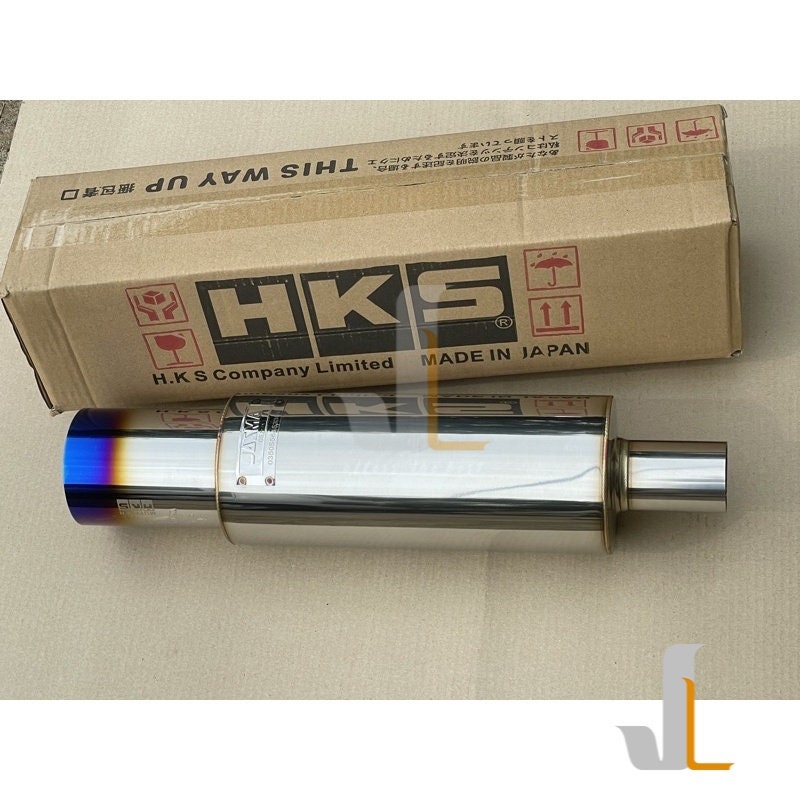
For automotive enthusiasts, achieving that perfect balance of performance and street legality often leads to questions about the JASMA certification process for custom-built mufflers. While the Japan Automotive Sports Muffler Association (JASMA) is widely recognized for setting the gold standard in aftermarket exhaust quality, navigating the requirements for certification can be challenging for those modifying their own vehicles. Whether you are aiming to refine your engine's acoustic profile or optimize exhaust flow, understanding the distinction between mass-produced certified systems and unique, one-off fabrications is essential.
In this guide, we break down the reality of these standards, clarify why official certification is typically limited to large-scale production, and offer actionable advice for DIY enthusiasts. You will learn how to align your custom exhaust project with high-level engineering principles, ensure your build remains within noise ordinances, and master the documentation necessary to maintain compliance during routine inspections. For a deeper look at how these rules affect your vehicle's road status, you can explore our detailed guide on JASMA standard compliance vs vehicle inspection to ensure your setup is ready for the road.
1. Understanding the JASMA Certification Process for Custom-Built Mufflers and Performance Systems
1.1 What is JASMA and Why Does It Matter
1.1.1 Historical context of the Japan Automotive Sports Muffler Association
The Japan Automotive Sports Muffler Association, commonly known as JASMA, was established to bridge the gap between automotive enthusiasm and public responsibility. In the 1990s, the rise of extreme modifications led to stringent crackdowns on noise pollution in Japan. JASMA was formed by leading manufacturers to develop standardized testing that allowed sports mufflers to remain street-legal without sacrificing the performance characteristics that enthusiasts demand.
1.1.2 Distinguishing between JASMA-certified products and generic aftermarket parts
While generic aftermarket parts focus primarily on cost and aggressive tone, JASMA-certified components are engineered to adhere to a strict regulatory framework. A certified exhaust undergoes rigorous laboratory testing to ensure that performance gains do not come at the expense of environmental or acoustic standards. Unlike generic mufflers, which may fluctuate in quality, JASMA-certified systems offer a verifiable promise of design integrity.
1.1.3 The importance of the JASMA tag for quality and authenticity
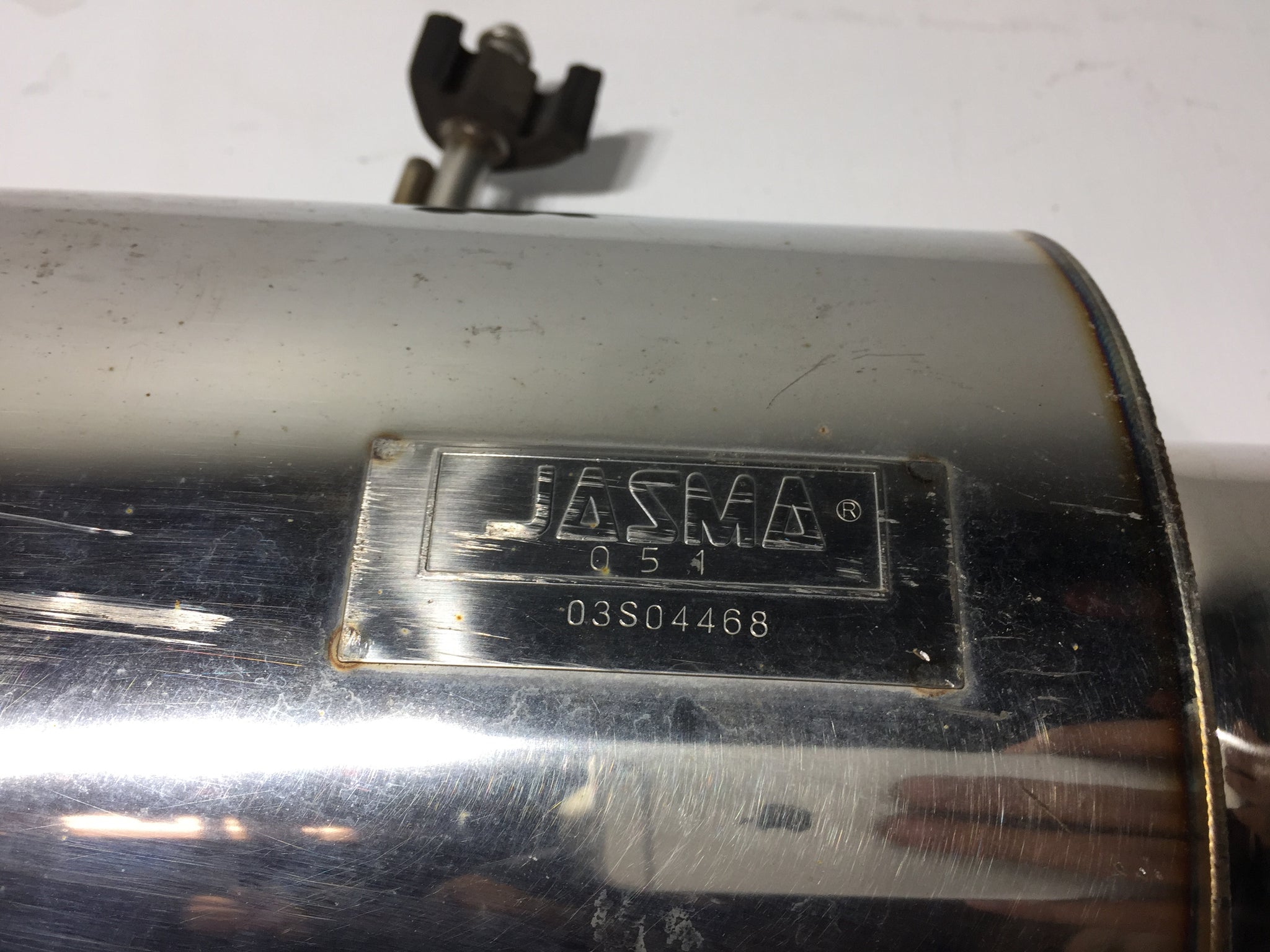
The presence of a physical JASMA plate on an exhaust system acts as a seal of legitimacy. This tag confirms that the muffler has passed the [JASMA plate serial number verification](https://jasma.org/jasma-plate-serial-number-verification-a-complete-guide.html), ensuring the unit is officially recognized for road use. For owners, this tag simplifies the administrative burden during vehicle inspections, as it serves as primary evidence of compliance with established noise and emission benchmarks.
1.2 Core Criteria for JASMA Standards
1.2.1 Noise output thresholds and decibel measurement protocols
JASMA standards are defined by specific decibel limits recorded during controlled acceleration tests. These protocols measure sound output at both stationary idle and under load to ensure that the exhaust tone remains within the legal threshold. Unlike subjective noise evaluations, these protocols use calibrated equipment to capture exact sound pressure levels, ensuring that modified vehicles do not disturb the peace while still providing a distinct, sporty exhaust note.
1.2.2 Engineering requirements for structural integrity and material durability
Certification is not just about sound; it is about longevity. JASMA requires manufacturers to use high-quality materials, such as SUS304 stainless steel or titanium, capable of withstanding extreme thermal cycling. The structural integrity must be maintained throughout the lifespan of the exhaust to prevent premature rust, vibration-induced cracks, or the degradation of internal sound-dampening materials.
1.2.3 Emissions compliance and the impact of exhaust flow on catalytic efficiency
An exhaust system cannot earn JASMA certification if it negatively alters the vehicle's emissions output. The internal design of a certified muffler must balance optimized exhaust flow with the necessity of maintaining catalytic converter efficiency. This ensures that the engine's backpressure remains within factory-intended parameters, preventing the "check engine" lights or emissions failures often associated with poorly engineered, restrictive or overly free-flowing custom pipes.
1.3 Balancing Performance and Legal Compliance
1.3.1 Engineering trade-offs between unrestricted airflow and sound suppression
The primary challenge in JASMA design is the delicate balance between minimizing backpressure and managing acoustic resonance. A completely unrestricted pipe yields high power but often results in illegal noise levels and an unpleasant, droning tone. JASMA engineers use computational fluid dynamics to design mufflers that promote smooth gas exit velocities while incorporating internal geometries that effectively cancel out harsh frequencies.
1.3.2 The role of internal chambers, baffles, and resonators in meeting JASMA specs
To meet these standards, mufflers utilize a complex architecture of internal chambers and precisely tuned baffles. These components work by reflecting sound waves back against themselves to cause destructive interference, which effectively lowers the decibel level without creating significant airflow resistance. By integrating high-quality packing materials and strategically placed resonators, a JASMA-certified exhaust can achieve a deep, resonant sound that complies with strict urban noise regulations while still providing the performance-oriented throttle response drivers expect.
2. The Reality of Applying JASMA Standards to Custom Exhaust Projects

2.1 Limitations and Certification Barriers for One-Off Builds
Understanding the jasma certification process for custom-built mufflers requires a clear distinction between mass-produced systems and bespoke fabrication. The JASMA certification framework is designed exclusively for mass-produced automotive exhaust systems that undergo rigorous, standardized testing. This ensures that every unit sold under a specific serial number meets the exact performance and decibel requirements documented during the initial certification phase.
Because the process demands repeatability, there is effectively no pathway to obtain official JASMA certification for a one-off, custom-built muffler. Certification involves destructive testing, long-term durability analysis, and precise acoustic measurement of a production-ready design. A handmade, individual component cannot satisfy these institutional requirements, as it lacks the standardized manufacturing controls necessary for formal validation.
For DIY enthusiasts, this means any custom exhaust system will remain uncertified in the eyes of the association. While you may achieve a high-quality build, you must understand the legal implications of DIY fabrication versus certified components. Using uncertified parts may affect your vehicle's status during mandatory checkups, as inspectors look for specific markings that authenticate the system's compliance with national safety and noise standards. For more context on how these requirements intersect with your vehicle's status, review the JASMA standard compliance vs vehicle inspection guide.
2.2 Implementing JASMA-Level Engineering in Custom Fabrication
Even without an official plate, you can still apply high-level engineering principles to your custom exhaust build to approximate the quality of certified systems. The goal is to balance unrestricted airflow with effective sound suppression, similar to how professional manufacturers approach design.
When fabricating, focus on robust sound-deadening techniques. Professional mufflers utilize specific internal chamber designs and high-quality packing materials to cancel out harsh frequencies without creating excessive backpressure. By incorporating dedicated resonators and appropriately sized baffles, you can mitigate drone and maintain a legal noise profile.
Material selection is equally critical for structural integrity. Utilizing premium SUS304 stainless steel or titanium provides the necessary thermal resistance and vibration damping required for long-term reliability. These materials not only extend the lifespan of your custom build but also help maintain consistent acoustic properties over time.
For those building in regions with strict local ordinances, keep detailed logs of your fabrication process. Documenting your design, including wall thickness, piping diameter, and the types of resonators used, can be invaluable if you are ever asked to demonstrate that your vehicle meets local noise pollution regulations.
2.3 Maintenance and Lifecycle Management for Performance Exhausts
Custom-built exhaust systems require proactive maintenance to remain within acceptable noise thresholds. Over time, heat and exhaust gas velocity can degrade the internal sound-absorbing packing materials within a muffler. This degradation often leads to a phenomenon known as decibel creep, where the system gradually becomes louder as the internal dampening material burns out or shifts.
You should inspect your welded components at least once a year, or whenever you notice a change in the exhaust note. Check for structural fatigue, specifically around weld points and mounting hangers, which are common failure points in custom setups. If you observe signs of excessive vibration or exhaust leaks, address them immediately to prevent further damage to the system's internal structure.
Regularly cleaning the exterior and monitoring the condition of the internal packing will help maintain the performance characteristics you engineered into the build. By treating your custom system with the same rigor as a factory-certified exhaust, you ensure both legal compliance and peak performance for the life of your vehicle.
Navigating the complex landscape of automotive modifications requires a clear distinction between mass-produced, laboratory-tested hardware and bespoke fabrication. While the JASMA certification process for custom-built mufflers remains unreachable for one-off projects due to the rigorous, fleet-specific testing protocols required, this does not mean your custom build must disregard acoustic and environmental responsibility. By adopting professional engineering standards—such as utilizing high-grade SUS304 stainless steel, implementing effective sound-suppression internals, and maintaining detailed records of your fabrication—you can build a system that reflects the spirit of JASMA quality.
Always remember that legal compliance is dynamic. Even if your custom setup is expertly crafted, it must still adhere to local noise ordinances and emissions regulations during standard vehicle inspections. If you are aiming for the highest level of reliability and legal peace of mind, exploring JASMA standard compliance vs vehicle inspection: what to know is an essential step to ensure your vehicle remains road-legal. By prioritizing durability and acoustic engineering in your custom exhaust projects, you ensure that your performance gains do not come at the cost of legal standing or long-term vehicle health.