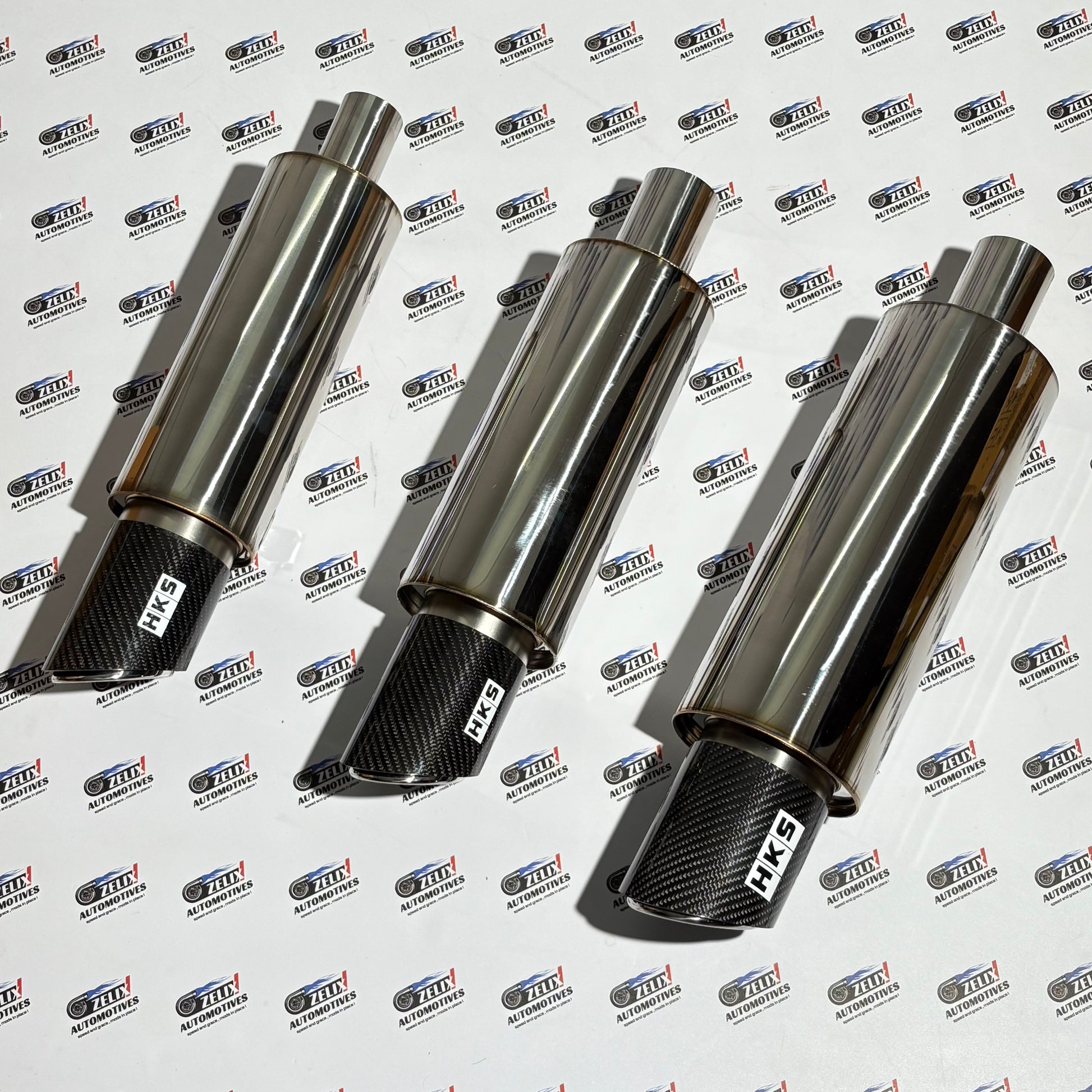
For enthusiasts of Japanese Domestic Market (JDM) vehicles, the allure of a high-performance exhaust system is undeniable. Many owners seek out components bearing the Japan Automotive Sports Muffler Association (JASMA) badge, often believing it acts as a universal "get out of jail free" card for street legality. However, navigating the legal implications of modified JASMA exhaust internals is a complex task that goes far beyond simply having the right label on your muffler. While these systems are engineered to meet strict noise standards in Japan, altering their internal architecture—such as removing baffles or stripping acoustic packing—can immediately void that certification and potentially trigger severe regulatory consequences in the United States.
In this guide, we will explore why standard compliance in one country does not equate to blanket immunity under American state and federal law. Understanding how these modifications impact your vehicle's emissions profile, insurance eligibility, and overall compliance is essential for any owner looking to balance performance with long-term road legality. We will clarify the intersection between JDM hardware and JASMA regulatory compliance for imported vehicles to help you make informed decisions about your build.

1. Understanding the Legal Implications of Modified JASMA Exhaust Internals and Federal Regulatory Frameworks
1.1 Deciphering the JASMA Standard and U.S. Compliance
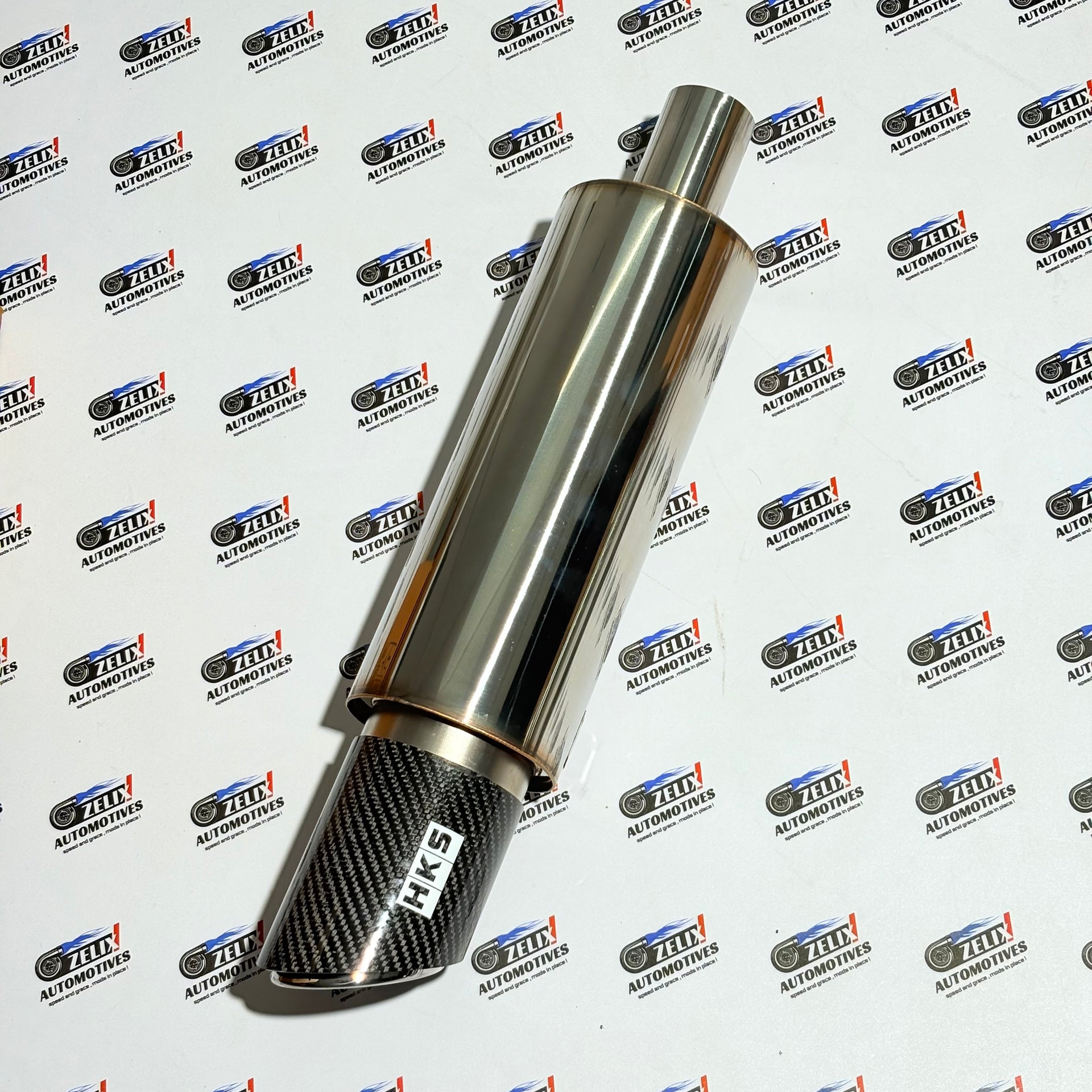
The Japan Automotive Sports Muffler Association (JASMA) certification is a gold standard in Japan, designed to ensure that aftermarket exhausts provide performance benefits while adhering to strict noise level standards. However, it is a common misconception that a JASMA stamp implies automatic road-legality in the United States. In reality, the JASMA certification is a voluntary industry standard tailored to the Japanese landscape, not a federal homologation process for the American market.
Because the U.S. lacks a direct regulatory equivalent to the JASMA system, aftermarket exhaust regulations remain a complex web of overlapping authorities. When an exhaust is imported, it must still satisfy the requirements of the Environmental Protection Agency (EPA) and the Department of Transportation (DOT), which often prioritize emission integrity and standardized sound decibel limits over Japanese-specific design certifications. Consequently, relying solely on the JASMA plate for compliance in the U.S. is legally insufficient.
1.2 The Mechanics of Modification and Resulting Legal Vulnerabilities
The core legal risk arises when enthusiasts attempt to "unlock" sound or performance by modifying the internals of a JASMA-certified muffler. Common alterations, such as baffle removal or the mechanical depletion of sound-dampening packing, fundamentally change the exhaust's acoustic signature. These structural changes often push the vehicle well beyond the legal noise ordinances enforced by local municipalities, leading to immediate roadside exposure.
Beyond noise, the internal structure of a muffler is vital to the broader emissions system. By modifying the internal flow dynamics, owners risk disrupting the back-pressure tuning required for the catalytic converter to operate at peak efficiency. This can lead to incomplete combustion, increased hydrocarbon output, and, in many cases, a failure of the vehicle's secondary oxygen sensors. As explained in our guide on JASMA muffler back-pressure vs. power output, tampering with these internal flow characteristics often results in more than just a loud exhaust; it can trigger a check engine light and render the vehicle non-compliant with state-level emission standards.
1.3 Navigating Federal and State Enforcement
Federal law, specifically under the Clean Air Act, prohibits the tampering of emission control systems. Modifying the internal components of an exhaust—if it leads to a reduction in catalytic converter efficiency—technically violates these anti-tampering provisions. While federal enforcement rarely targets individual passenger vehicles, state-level authorities frequently utilize roadside sound testing to identify non-compliant hardware.
The consequences for operating a vehicle with illegally modified internals can be severe, ranging from mandatory "fix-it" tickets that require a return to stock components, to significant fines and registration holds. In jurisdictions with rigorous inspection protocols, failing a sound or emission test can prevent the renewal of your vehicle registration. It is essential for owners to understand that a JASMA certification mark authenticity provides no legal protection if the internal configuration has been altered to produce noise levels that exceed state statutes.
2. Assessing Liability, Insurance, and Practical Compliance Strategies for Exhaust Systems
2.1 Insurance Implications and Secondary Liability Risks
Modifying the internal structure of a JASMA-certified exhaust system introduces significant financial and legal exposure that extends well beyond mere traffic citations. Most insurance carriers stipulate that vehicles must be operated in a road-legal condition; structural alterations that bypass emissions hardware or exceed local decibel limits can be construed as a violation of your policy terms. If you are involved in an accident, claims adjusters often perform a visual inspection of the vehicle. Discovering unauthorized modifications—especially those that appear to have been tampered with—can provide the insurer with grounds to deny a claim, citing the operation of an unroadworthy or illegally modified vehicle.
The risks are compounded by the issue of secondary liability. In the event of a collision, if it can be proven that the modification of your exhaust contributed to the circumstances of the incident—such as by increasing noise levels that prevented emergency sirens from being heard or by causing a performance deviation that affected vehicle control—you may face personal injury liability. This is particularly relevant if the vehicle is used on public roads where strict automotive exhaust noise regulation trends and compliance standards are enforced. Operating a vehicle that is demonstrably non-compliant with federal or state safety statutes shifts the burden of proof onto the owner, potentially leaving you personally liable for damages that would otherwise be covered by your insurance policy.
2.2 Practical Alternatives to Internal Exhaust Modification
For enthusiasts seeking to balance performance and sound without violating the law, there are several professional alternatives to destructive internal modifications. The most effective approach involves the use of adjustable valve systems, often referred to as variable exhaust valves. These systems allow drivers to toggle between a quiet, street-legal mode and a more aggressive performance profile. By maintaining the integrity of the muffler’s internal chambers, you ensure that the system operates within its designed back-pressure parameters while remaining compliant with local ordinances.
Another strategy is to invest in certified performance upgrades that are specifically engineered to improve flow without compromising emission integrity. Many aftermarket manufacturers now produce systems that optimize exhaust gas velocity using advanced fluid dynamics rather than relying on the removal of baffles or packing materials. If you own an imported vehicle, maintaining proper documentation is vital. Always retain records from the original manufacturer or authorized importers that detail the exhaust specifications. In the case of JDM engine swaps, ensure your setup meets JASMA compliance requirements for JDM engine swaps to simplify the verification process during routine inspections or in the event of a regulatory inquiry.
2.3 Evaluating the Long-Term Cost-Benefit of Performance Tuning
Before proceeding with any structural changes to your exhaust, it is essential to weigh the marginal performance gains against the risk of severe legal consequences, such as vehicle impoundment or registration revocation. While a modified internal design might offer a slight reduction in back-pressure, the cost of potential litigation or recurring fines often outweighs the performance benefits. Professional exhaust consultations are highly recommended; experts can often achieve the desired sound or flow profile through external tuning or high-flow catalytic converters that do not require violating the muffler's internal architecture.
Furthermore, consider the impact on your vehicle's long-term value. A vehicle with tampered or illegally modified exhaust components is frequently viewed as a liability by potential buyers, significantly diminishing its resale appeal. Most collectors and enthusiasts prioritize vehicles that remain compliant with original certification standards. By opting for reversible, high-quality performance upgrades rather than destructive internal modifications, you preserve the mechanical integrity of your vehicle while ensuring it remains an asset rather than a legal target. Prioritizing compliance today prevents costly mechanical and legal complications in the future.
Ultimately, the appeal of modifying exhaust internals to achieve a more aggressive sound or improved flow often blinds enthusiasts to the significant legal risks involved. While the JASMA certification mark represents a commitment to high-quality engineering and noise compliance, tampering with those internals effectively voids the system’s original status. In the United States, this renders the equipment non-compliant with both state noise ordinances and federal anti-tampering provisions, potentially exposing vehicle owners to costly citations, registration holds, or even denied insurance claims following an incident.
Before you consider structural alterations, it is essential to weigh these long-term liabilities against the marginal performance or aesthetic gains. If your goal is to optimize your vehicle's setup, explore high-flow muffler internal design options that prioritize engineering integrity rather than simple modification. By adhering to established compliance standards, you not only protect yourself from unnecessary legal scrutiny but also preserve the resale value and mechanical longevity of your build. Always prioritize informed, professional guidance over irreversible modifications to ensure your exhaust remains as compliant as it is efficient.