
For decades, the automotive exhaust industry has been defined by power, flow, and durability. However, the modern manufacturing landscape is shifting rapidly as stakeholders demand greater accountability regarding environmental impact. Today, sustainability metrics in exhaust manufacturing are becoming as critical as traditional performance benchmarks like backpressure or material fatigue. From the initial sourcing of raw alloys to the final assembly of complex exhaust systems, manufacturers are now tasked with quantifying their ecological footprint with unprecedented precision.
This guide explores the essential frameworks for measuring and reducing the environmental impact of exhaust fabrication. Whether you are navigating the complexities of the impact of decarbonization on exhaust manufacturing or seeking to modernize your facility's energy efficiency, we provide a roadmap for integrating sustainable practices into your production cycle. You will learn how to leverage data-driven KPIs, optimize material circularity, and maintain high performance while meeting the evolving regulatory standards that shape our industry’s future.
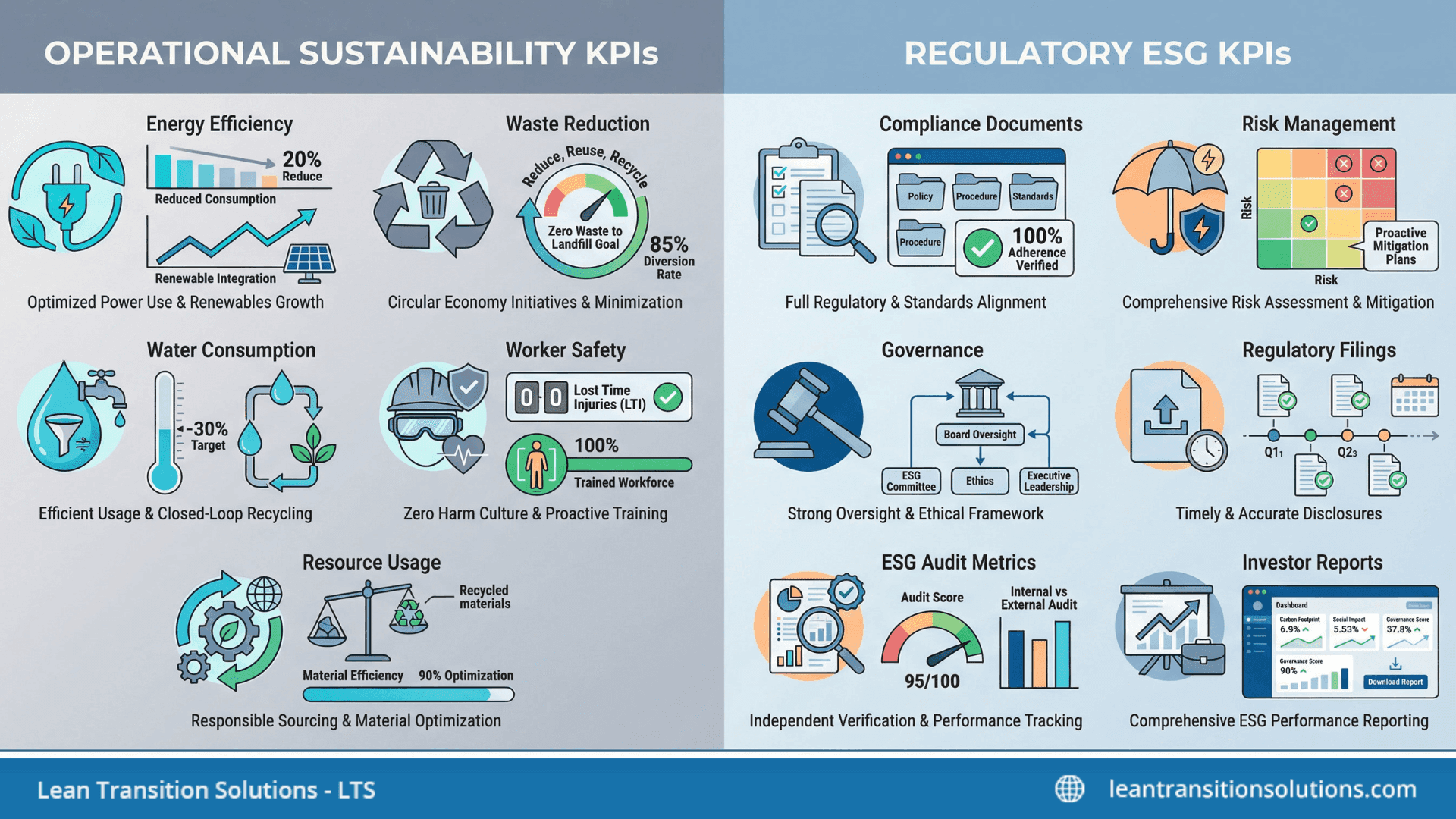
1. Measuring and Analyzing Sustainability Metrics in Exhaust Manufacturing
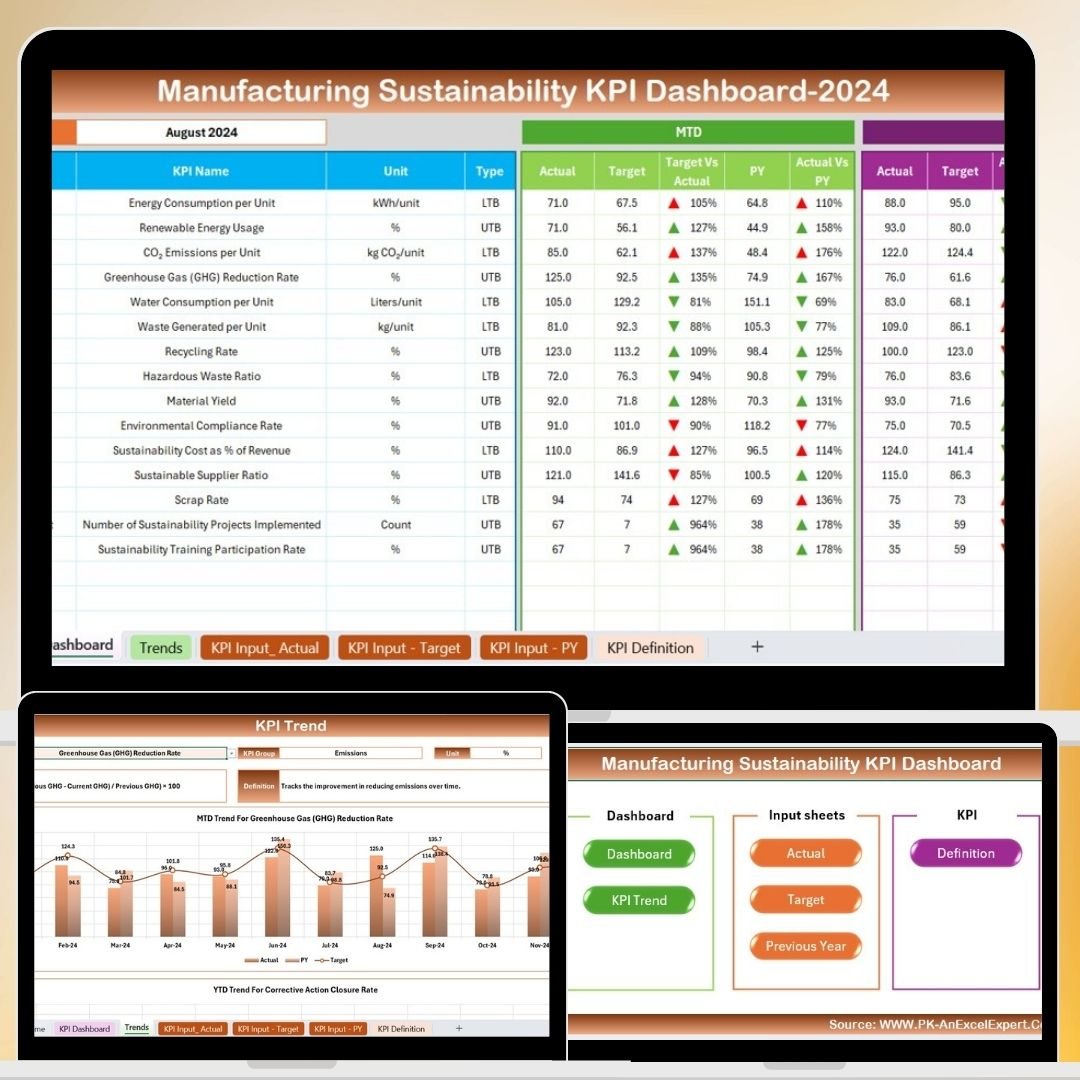
To effectively transition toward greener operations, manufacturers must move beyond vague environmental goals and adopt rigorous, data-driven sustainability metrics in exhaust manufacturing. By quantifying the environmental impact of every stage—from raw material extraction to the final assembly of performance systems—companies can identify critical areas for waste reduction and energy optimization. This systematic approach allows for a transparent assessment of how industrial metal processing influences the overall carbon footprint.
1.1 Key Performance Indicators for Industrial Metal Processing
1.1.1 Calculating Carbon Footprint Across Scope 1, 2, and 3 Emissions
Understanding a facility’s total carbon footprint requires a comprehensive look at three distinct emission categories. Scope 1 encompasses direct emissions from on-site manufacturing activities, such as fuel combustion in furnaces. Scope 2 accounts for indirect emissions from purchased electricity used to power heavy machinery. Scope 3, often the most complex to track, includes indirect emissions from the supply chain, such as the logistics involved in procuring raw alloys. For a deeper look at how these factors scale across the industry, refer to our analysis on the carbon footprint analysis of automotive exhaust production.
1.1.2 Tracking Energy Intensity per Unit Produced in Welding and Forming
Energy intensity is a vital metric that measures the energy consumed to manufacture a single exhaust component. Welding and mandrel bending are energy-intensive processes; by tracking kilowatt-hours (kWh) per unit, manufacturers can pinpoint inefficiencies in equipment calibration or shift scheduling. Lowering energy intensity not only reduces overhead costs but also directly mitigates the environmental impact of the production line.
1.1.3 Evaluating Material Circularity and Recycled Content Ratios
Material selection is central to sustainability. Measuring the ratio of recycled stainless steel or titanium versus virgin material provides a clear indicator of circularity. High-performance aftermarket exhaust systems often rely on specialized alloys; tracking the percentage of recycled content ensures that durability is maintained without relying solely on raw resource extraction.
1.2 Establishing Robust Data Collection Frameworks
1.2.1 Utilizing IoT Sensors for Real-Time Resource Monitoring
The integration of Internet of Things (IoT) sensors on the factory floor allows for granular, real-time tracking of resource usage. These sensors can monitor power fluctuations during peak welding cycles or detect compressed air leaks, providing actionable data that manual reporting often misses. This visibility is essential for maintaining consistent sustainability benchmarks.
1.2.2 Integrating ERP Software with Environmental Management Systems
Enterprise Resource Planning (ERP) software, when linked with Environmental Management Systems (EMS), creates a centralized hub for sustainability data. This integration allows production managers to correlate manufacturing throughput with environmental performance indicators. By automating data collection, firms can generate accurate reports for stakeholders and regulatory bodies while maintaining lean operational standards.
1.3 Validating Environmental Claims with Life Cycle Assessments
1.3.1 Cradle-to-Grave Analysis of Stainless Steel and Titanium Exhausts
A Life Cycle Assessment (LCA) provides a scientific basis for environmental claims by evaluating the product from raw material acquisition (cradle) to end-of-life disposal or recycling (grave). Comparing the environmental load of stainless steel versus lightweight titanium allows designers to make informed choices that balance performance needs with long-term ecological impact.
1.3.2 Standards and Compliance Benchmarks like ISO 14001 and GRI
Adhering to internationally recognized frameworks such as ISO 14001 ensures that a manufacturer's environmental management system meets global expectations. Complementing this with Global Reporting Initiative (GRI) standards helps standardize the communication of sustainability data. These benchmarks are essential for manufacturers aiming to demonstrate leadership in a market increasingly sensitive to corporate environmental responsibility.
2. Strategic Implementation and Future Trends in Sustainable Exhaust Production
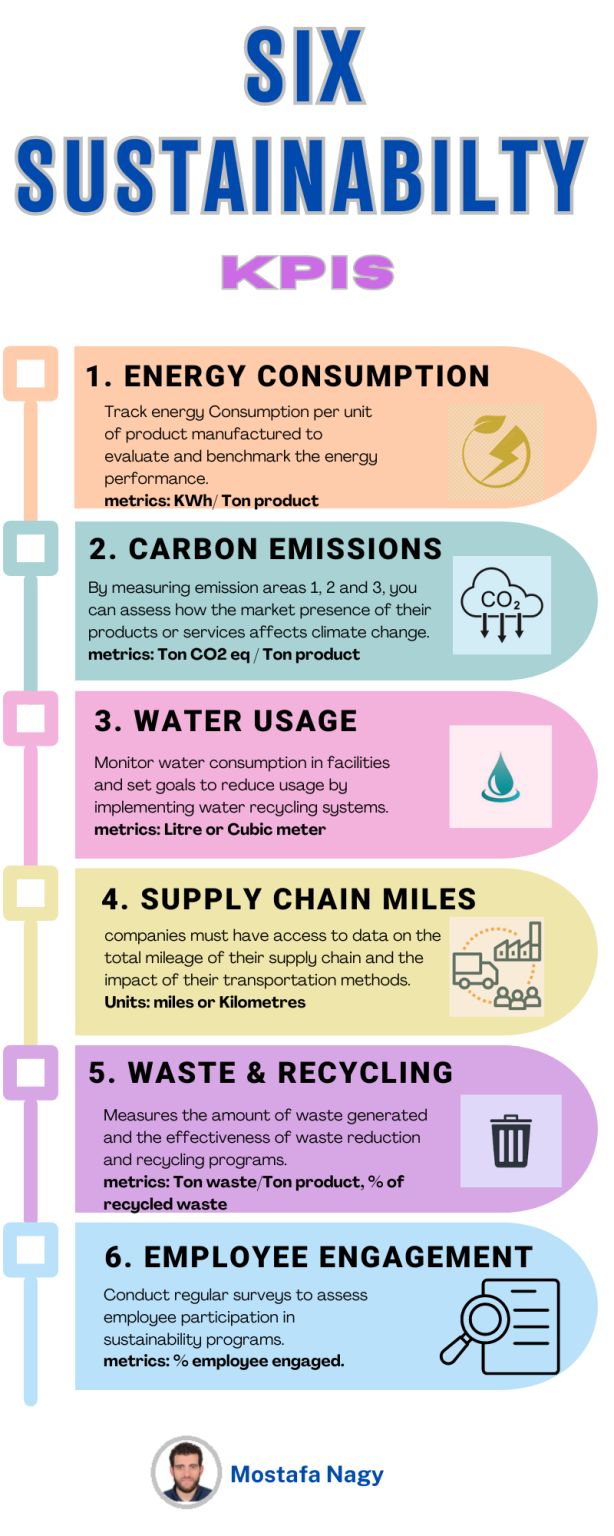
2.1 Operational Strategies to Improve Environmental Performance
Achieving sustainability in exhaust manufacturing requires a shift from reactive compliance to proactive operational excellence. Manufacturers are increasingly recognizing that the impact of decarbonization on exhaust manufacturing goes beyond simple emission reduction; it requires a fundamental rethink of how components are sourced, fabricated, and finished.
2.1.1 Optimizing Supply Chains Through Local Alloy Procurement
Reducing the logistics footprint is one of the most effective ways to lower Scope 3 emissions. By prioritizing local alloy procurement, manufacturers can significantly cut the carbon costs associated with long-haul shipping. Furthermore, regional sourcing allows for tighter integration with suppliers who adhere to transparent environmental reporting standards, ensuring that raw material inputs align with broader sustainability metrics.
2.1.2 Adopting Lean Manufacturing to Reduce Machine Idle Time
Lean methodologies are inherently sustainable. By optimizing production workflows to reduce machine idle time, plants can drastically lower their energy intensity per unit. This approach minimizes the wasted energy typically consumed during standby cycles and shortens production lead times, leading to a leaner, more efficient factory floor that consumes fewer resources per fabricated exhaust component.
2.1.3 Transitioning to Green Technologies Including Laser Welding and Electric Heating
Traditional welding processes are energy-intensive and often result in significant material waste. Transitioning to precision laser welding allows for cleaner, more accurate joins that require less filler material and reduce the heat-affected zone. Paired with electric heating technologies for metal forming, these upgrades move manufacturing away from fossil-fuel-reliant machinery, aligning production lines with carbon-neutral goals.
2.2 Navigating Regulatory Pressures and Industry Challenges
The path toward sustainable production is rarely straightforward, as manufacturers must maintain peak performance while adhering to evolving environmental mandates. Balancing these technical demands with financial constraints is the primary challenge facing the modern aftermarket sector.
2.2.1 Balancing High-Performance Automotive Standards with Eco-Friendly Design
There is a persistent misconception that sustainability compromises performance. However, modern engineering proves otherwise. Manufacturers are successfully integrating eco-friendly design principles—such as optimizing gas flow and reducing mass—without sacrificing the performance characteristics enthusiasts demand. The goal is to maintain competitive power outputs while ensuring the final product meets strict noise and emission standards.
2.2.2 Overcoming Financial Barriers for Legacy Infrastructure Upgrades
For many legacy manufacturers, the upfront cost of transitioning to sustainable technology is a significant hurdle. However, the long-term operational savings, combined with the increasing necessity of compliance, often justify the transition. Many firms are utilizing phased implementation strategies, upgrading individual workstations to high-efficiency models before scaling these systems across the entire facility.
2.3 Emerging Innovations in Sustainable Fabrication
Innovation is the final frontier in reducing the life-cycle impact of exhaust systems. By rethinking material usage and treatment processes, the industry is creating systems that are not only cleaner to produce but also more efficient for the vehicle throughout its service life.
2.3.1 Developing Lightweight Materials to Improve Vehicle Fuel Efficiency
Material science is leading the charge in sustainable fabrication. By developing advanced, lightweight alloys, manufacturers are reducing the overall vehicle mass, which directly translates to improved fuel efficiency and lower tailpipe emissions for the end consumer. These materials are engineered for durability, ensuring that the exhaust lasts longer and reduces the need for frequent replacements.
2.3.2 Advancing Chemical-Free Surface Treatments and Cleaning Processes
Traditional surface finishing often involves harsh chemical baths that pose environmental risks. The shift toward mechanical, chemical-free surface treatments—such as specialized vibratory finishing or advanced dry-blasting techniques—eliminates hazardous waste streams while still achieving the high-quality finish and corrosion resistance required for automotive applications.
2.3.3 Leveraging Predictive Maintenance to Minimize Resource Waste
Predictive maintenance uses IoT-driven data analytics to monitor equipment health, ensuring that machinery runs at peak efficiency. By identifying potential failures before they occur, manufacturers avoid the energy spikes and scrap metal waste associated with equipment malfunctions, keeping production lines consistently aligned with sustainability benchmarks.
Transitioning toward sustainable manufacturing is no longer an optional strategy; it is a fundamental shift required to remain competitive in the evolving automotive landscape. By prioritizing sustainability metrics in exhaust manufacturing, companies can effectively balance high-performance engineering with the urgent need for environmental accountability. From tracking scope-based carbon emissions to optimizing material circularity, the integration of data-driven frameworks allows manufacturers to validate their green claims with precision. As the industry faces stricter regulatory pressures, adopting these metrics helps organizations navigate the complexity of balancing eco-friendly design with the power and durability expectations of modern vehicle owners.
Ultimately, long-term success hinges on your ability to combine technological innovation with disciplined resource management. Whether it is through localizing your alloy procurement or investing in advanced laser welding to minimize energy waste, every small adjustment contributes to a more sustainable future. For manufacturers, understanding how to align these production goals with broader impact of decarbonization on exhaust manufacturing is essential for staying ahead of the curve. By embracing these practices today, you ensure that your brand remains a trusted leader in a market that increasingly values both performance and planetary stewardship.