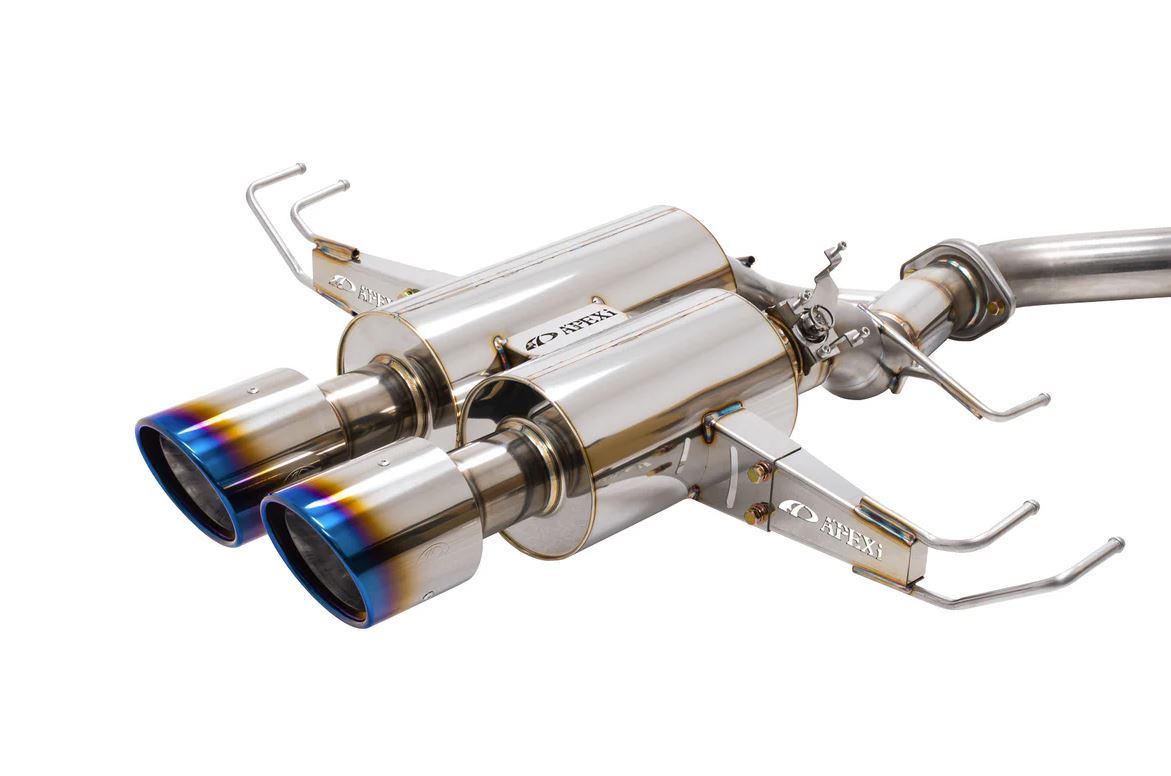
The automotive industry is currently undergoing a transformative shift as manufacturers prioritize efficiency, emissions compliance, and vehicle dynamics. At the heart of this evolution is next-generation lightweight exhaust alloy development, which is rapidly becoming a cornerstone of modern high-performance engineering. As vehicles move toward more complex hybrid architectures and stricter noise regulations, the demands placed on exhaust components have never been higher. Engineers are no longer simply looking for heat resistance; they are seeking materials that provide superior strength-to-weight ratios, acoustic dampening properties, and long-term durability under extreme thermal cycling.
In this guide, we explore how cutting-edge metallurgy is reshaping the landscape of automotive exhaust systems. Readers will gain insights into the advancements in exhaust material composition, the role of sustainable manufacturing in sports muffler design, and how these innovations help engineers navigate the tightening global standards for acoustic performance. By understanding these technical leaps, you will better grasp how the industry balances extreme power requirements with the need for a reduced carbon footprint in an era defined by rapid electrification.
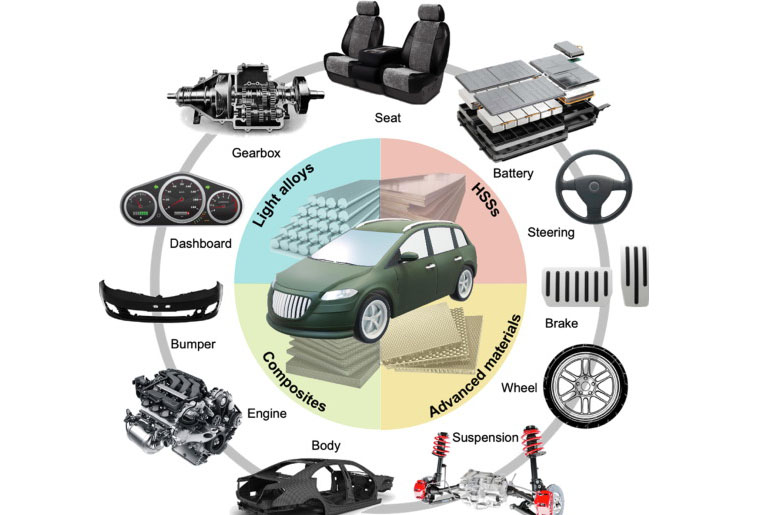
1. Next-generation lightweight exhaust alloy development: Engineering innovations and material properties
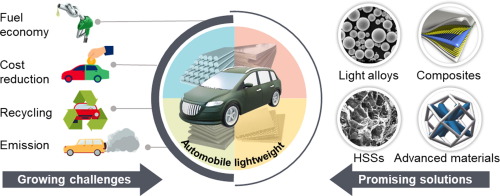
The pursuit of high-performance automotive systems has shifted the focus toward next-generation lightweight exhaust alloy development. As emission standards tighten and the demand for fuel efficiency grows, traditional stainless steel components are increasingly being replaced by advanced materials designed to reduce mass while maintaining structural integrity under extreme conditions. By optimizing the material composition, engineers can achieve significant weight savings without compromising the acoustic or thermal performance required for modern vehicle platforms.
1.1.1 High-entropy alloys for extreme thermal stability
High-entropy alloys (HEAs) represent a paradigm shift in metallurgy, moving away from single-base element systems to complex, multi-principal element combinations. In exhaust applications, these alloys offer exceptional phase stability at elevated temperatures, providing a robust solution against the thermal degradation that typically plagues standard exhaust manifolds. Their unique atomic structure allows for improved strength-to-weight ratios, ensuring that exhaust components can withstand the intense thermal cycling of high-performance engines while remaining significantly lighter than conventional alloys.
1.1.2 Titanium aluminide performance in high-temperature exhaust environments
Titanium aluminide (TiAl) is emerging as a critical material in the evolution of exhaust hardware. Known for its low density and excellent oxidation resistance, TiAl maintains mechanical properties at temperatures where traditional titanium alloys would fail. By utilizing TiAl, manufacturers can develop thin-walled exhaust structures that endure the corrosive, high-velocity gas environments found in turbocharged engines. This material choice is vital for those looking to maximize performance gains while adhering to advancements in exhaust material composition that favor longevity and reduced engine-bay heat soak.
1.1.3 Nanocrystalline strengthening mechanisms for weight reduction
To further drive weight reduction, researchers are employing nanocrystalline grain structures within alloy matrices. By refining the grain size to the nanometer scale, these materials exhibit superior hardness and tensile strength, allowing for a reduction in wall thickness without sacrificing structural durability. This strengthening mechanism enables the fabrication of exhaust systems that are lighter and more resilient to mechanical vibrations, directly contributing to overall vehicle agility and secondary fuel efficiency gains.
1.2.1 Managing thermal expansion coefficients in lightweight materials
One of the primary engineering hurdles in using advanced alloys is controlling thermal expansion. Mismatched expansion rates between disparate components can lead to stress fractures and sealing failures. Next-generation development involves the precise tuning of alloy compositions to achieve expansion coefficients that remain stable across the entire operational temperature spectrum, ensuring the exhaust system maintains a reliable fit even under peak load.
1.2.2 Strategies to mitigate oxidation and creep deformation
As exhaust temperatures climb, materials are susceptible to creep—the slow, permanent deformation under sustained mechanical stress. Engineers are now utilizing precise alloying additives that stabilize the crystal lattice, effectively hindering dislocation movement at high heat. Combined with advanced coating technologies, these strategies significantly mitigate oxidation, ensuring that lightweight components retain their geometric precision throughout the lifecycle of the vehicle.
1.2.3 Corrosion resistance requirements for high-performance automotive exhaust systems
Even with advanced weight-saving measures, high-performance exhaust systems must contend with harsh environmental factors, including road salt, moisture, and chemical byproducts of combustion. Modern development cycles prioritize the integration of chromium and molybdenum into alloy matrices to create a self-passivating surface layer. This ensures that even the thinnest gauge, high-performance alloys provide the long-term corrosion resistance required to survive the daily rigors of both street and track use.
2. Manufacturing processes and future integration of next-generation lightweight exhaust alloy development
2.1 Advanced fabrication techniques
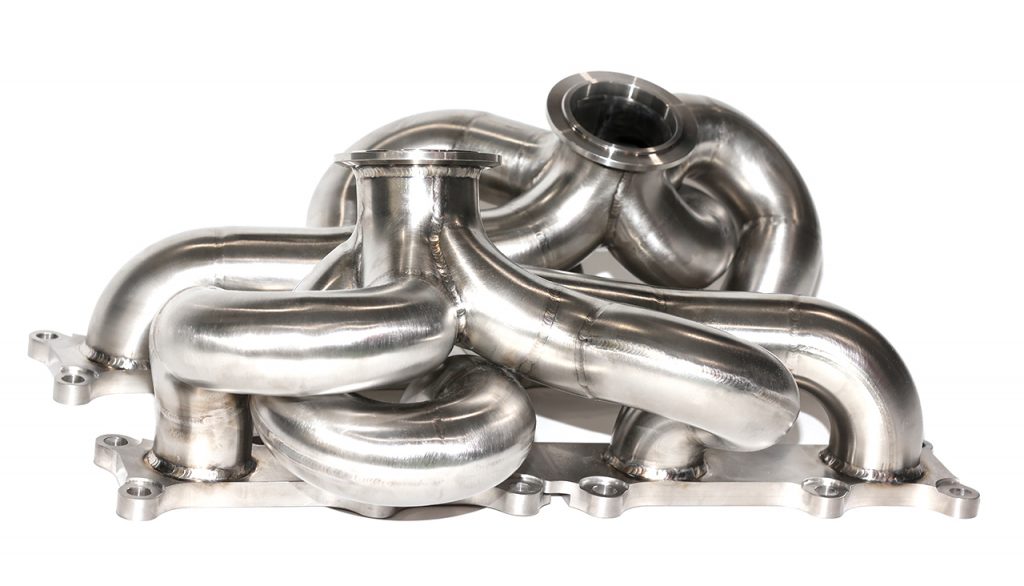
2.1.1 Additive manufacturing and laser powder bed fusion for complex exhaust geometries
The transition toward next-generation lightweight exhaust alloy development is heavily supported by advancements in additive manufacturing, specifically laser powder bed fusion (LPBF). Traditional manufacturing methods often struggle to balance the structural requirements of high-performance exhaust systems with the need for weight reduction. LPBF allows engineers to create intricate internal geometries, such as optimized flow manifolds and thin-walled silencer casings, that were previously impossible to cast or machine. By building components layer-by-layer, manufacturers can maintain high levels of rigidity while minimizing wall thickness, which significantly aids in meeting [exhaust piping wall thickness optimization](https://jasma.org/exhaust-piping-wall-thickness-optimization-a-guide.html) standards without compromising durability.
2.1.2 Net-shape casting improvements for intermetallic components
While additive manufacturing excels in prototyping and complex small-batch production, net-shape casting remains a cornerstone for large-scale automotive manufacturing. Recent improvements in investment casting and thixomolding are enabling the use of brittle yet lightweight intermetallic alloys, such as titanium aluminides, in mass-market exhaust systems. These techniques reduce the need for extensive post-casting machining—a process that often wastes expensive, high-performance materials. By achieving near-final dimensions directly from the mold, manufacturers can effectively lower production costs and reduce material scrap rates, contributing to a more efficient use of resources in the high-performance exhaust sector.
2.2 Industrial implementation and computational design
2.2.1 The role of AI and high-throughput computational modeling in alloy discovery
The speed at which we develop new materials has accelerated due to artificial intelligence and high-throughput computational modeling. Rather than relying on traditional, time-consuming "trial and error" metallurgy, researchers can now simulate the performance of thousands of alloy combinations in virtual environments. These models predict how specific elements will influence thermal expansion, creep resistance, and vibrational stability. By leveraging machine learning, engineers can pinpoint exact alloy compositions that satisfy strict noise regulation requirements, ensuring that new, lighter materials do not negatively impact the acoustic profile of the vehicle.
2.2.2 Scaling niche performance materials for mass-market automotive fuel efficiency
Moving from high-performance prototypes to mass-market integration is the ultimate hurdle for lightweight alloy adoption. To bridge this gap, the industry is focusing on modular design strategies that allow for the localized use of advanced alloys only where they are most needed, such as in high-temperature heat zones. This balanced approach helps manufacturers improve vehicle fuel efficiency by reducing total exhaust system mass without the prohibitive costs of constructing the entire exhaust from exotic, high-cost materials.
2.2.3 Sustainability in sourcing and recycling advanced exhaust alloys
As the automotive sector shifts toward circular economy principles, the recyclability of next-generation exhaust alloys has become a priority. Sustainable material trends in sports muffler design now emphasize the use of alloys that can be easily reclaimed and re-melted without losing their mechanical properties. Developing a closed-loop supply chain for materials like titanium and specialized high-entropy alloys is essential to reducing the environmental impact of long-term exhaust maintenance and eventual vehicle end-of-life processing.
The trajectory of next-generation lightweight exhaust alloy development signals a transformative era for both original equipment manufacturers and the aftermarket performance sector. As we have explored, the integration of high-entropy alloys, titanium aluminide, and advanced manufacturing processes is no longer just a laboratory pursuit; it is a necessity driven by the push for superior thermal management, reduced vehicle mass, and stricter environmental compliance. By leveraging computational design and additive manufacturing, engineers are effectively solving the age-old conflict between durability, acoustic performance, and weight reduction.
As the automotive industry continues its complex transition toward electrification and hybrid platforms, the role of material science remains paramount. Staying ahead of these shifts is essential for anyone involved in high-performance tuning or vehicle maintenance. To ensure your build remains compliant and optimized for the future, we encourage you to stay informed on the impact of electrification on exhaust manufacturing. Ultimately, the successful implementation of these advanced alloys will define the next generation of exhaust systems, providing drivers with enhanced fuel efficiency and performance without sacrificing the engineering integrity required by modern global standards.