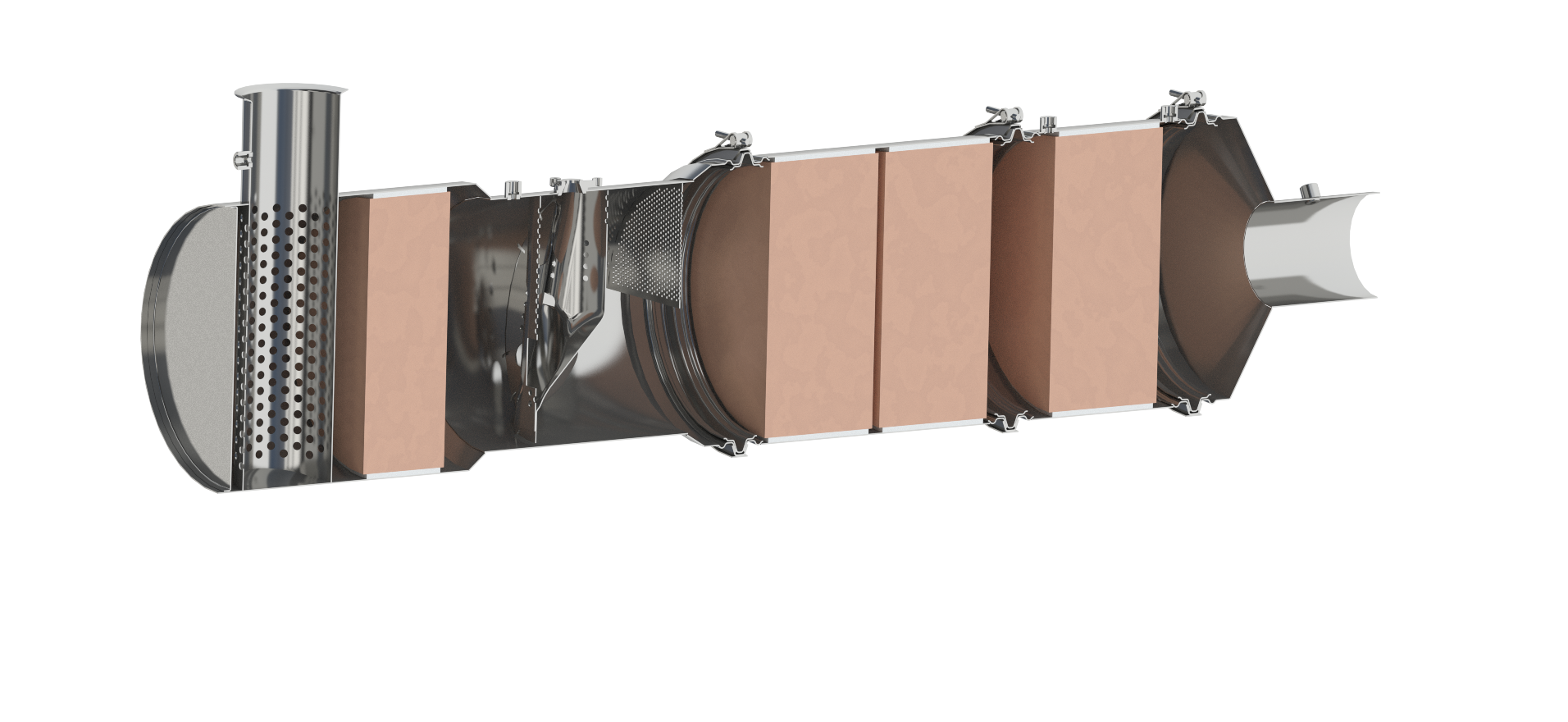
The global shift toward sustainable mobility is rapidly accelerating, bringing the automotive industry transition to hydrogen-powered exhaust systems to the forefront of engineering innovation. As manufacturers move beyond traditional internal combustion engines, they face a new set of technical challenges that demand a complete rethink of how exhaust gas is managed, filtered, and expelled. Unlike standard gasoline or diesel engines that produce carbon-heavy pollutants, hydrogen propulsion—whether through fuel cells or direct combustion—introduces unique chemical and thermal environments that require specialized hardware. Understanding this evolution is critical for fleet managers, performance enthusiasts, and industry stakeholders navigating the future of transportation. In this article, we explore the essential technological foundations, advancements in material science, and the rigorous safety standards governing the next generation of hydrogen-compatible exhaust architecture. By examining these shifts, you will gain a clearer picture of how decarbonization is reshaping global manufacturing and what to expect as these systems become a staple of modern heavy-duty and light-vehicle logistics.
1. Navigating the Automotive Industry Transition to Hydrogen-Powered Exhaust Systems
1.1 Technological Foundations of Hydrogen Propulsion
1.1.1 Mechanisms of Hydrogen Fuel Cell Electric Vehicles and Water Vapor Emission
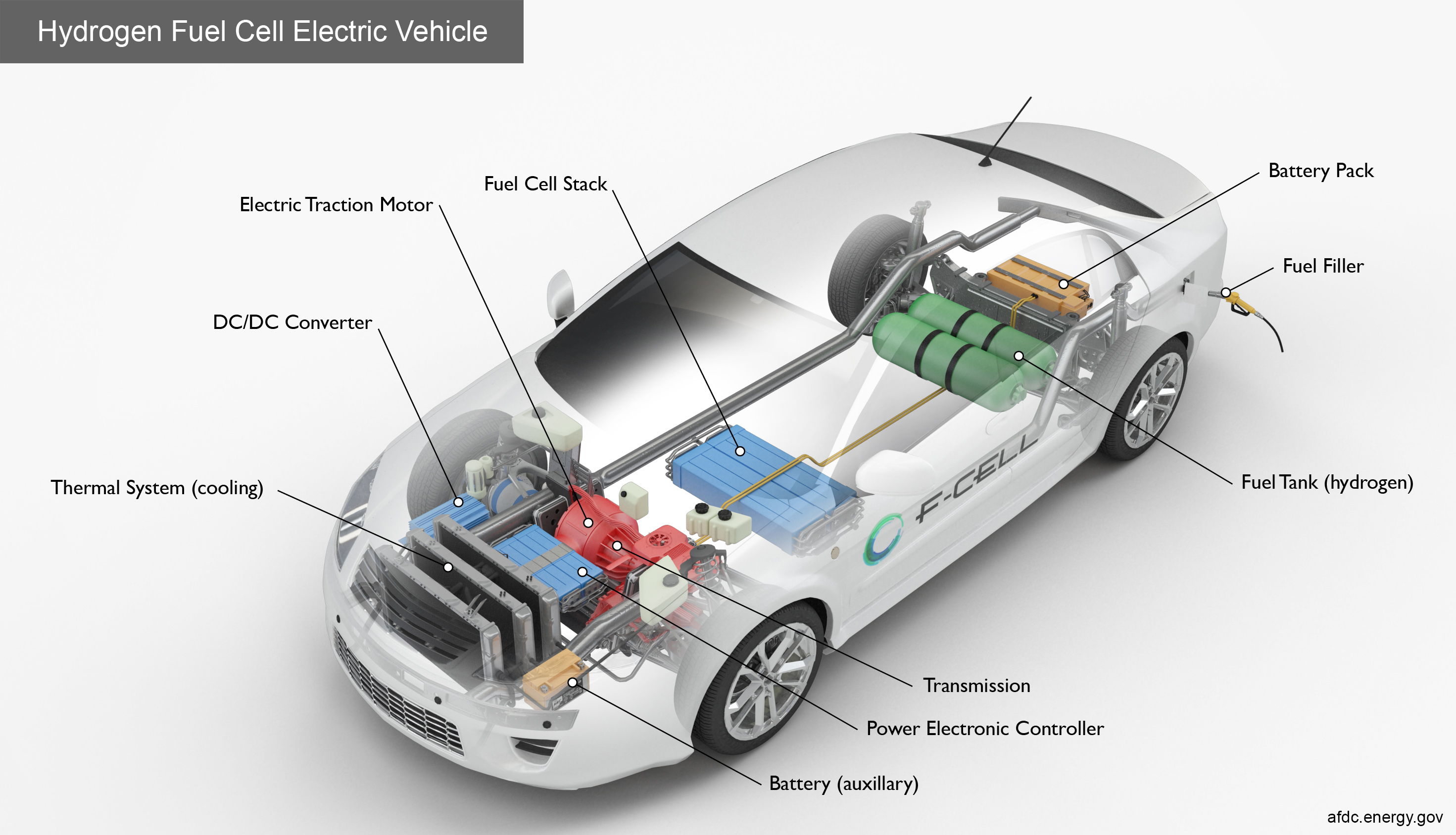
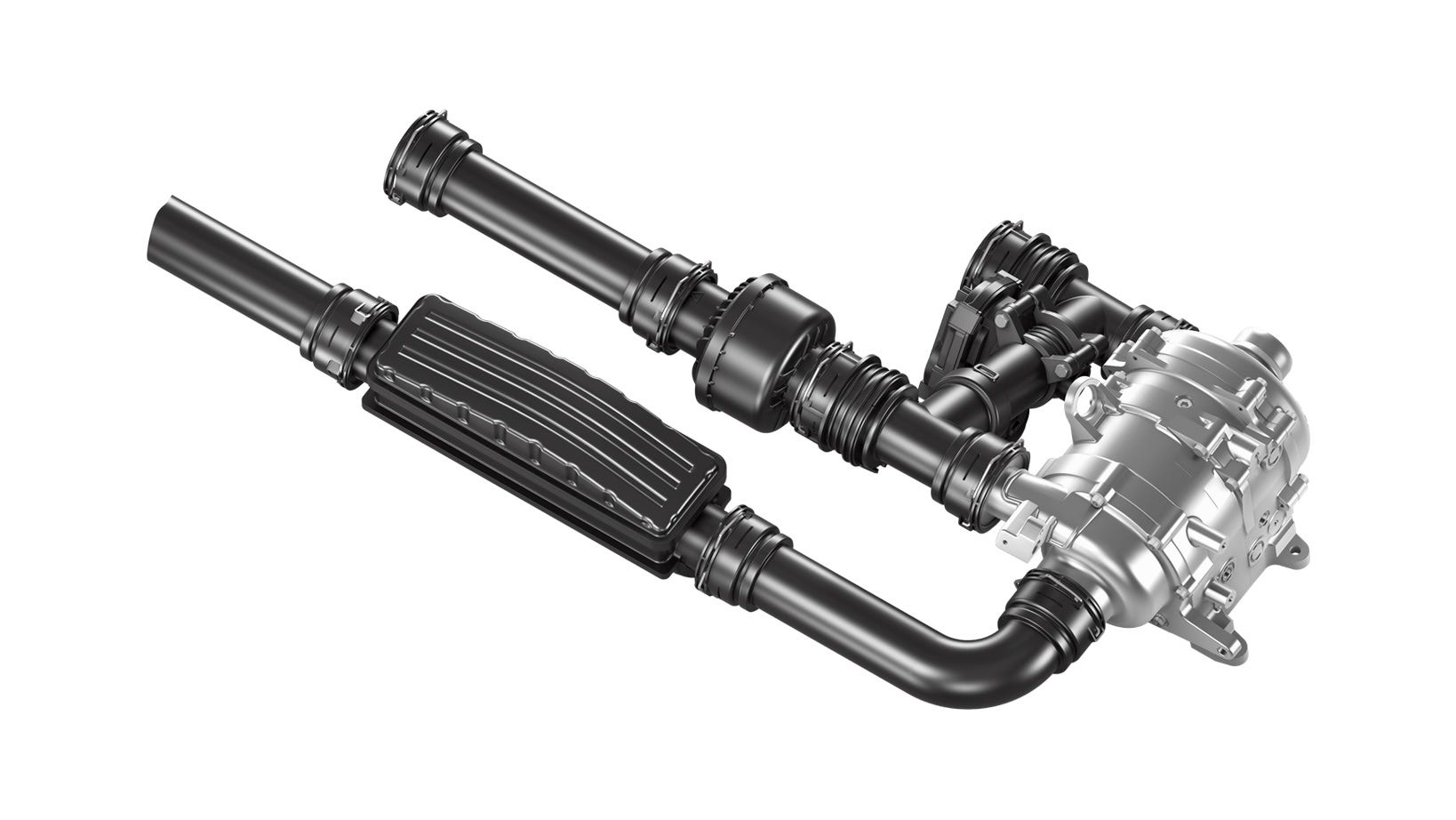
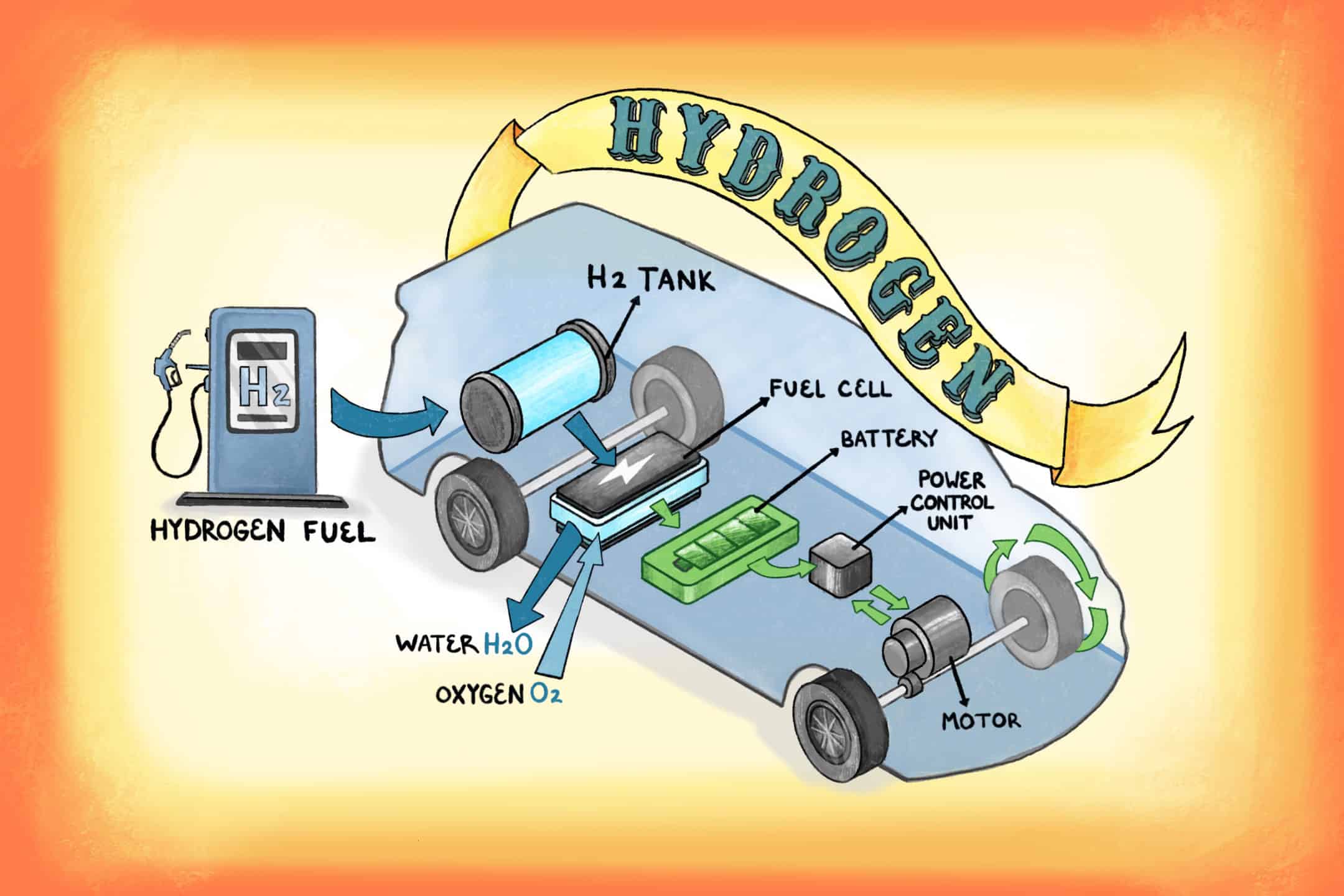
The core of hydrogen fuel cell technology lies in an electrochemical process that combines hydrogen from an onboard tank with oxygen from the atmosphere. Unlike traditional engines, this process generates electricity to power a drivetrain with only water vapor and heat as byproducts. Consequently, the exhaust system in these vehicles is fundamentally different; it is designed to manage the safe routing and controlled venting of clean water vapor rather than toxic particulate matter or greenhouse gases.
1.1.2 Hydrogen Internal Combustion Engine Adaptation and Exhaust Management
Hydrogen internal combustion engines (HICEs) retain the traditional piston-driven architecture but require significant modifications to handle hydrogen’s unique combustion properties. Because hydrogen burns faster and hotter than gasoline, exhaust systems must be recalibrated to manage significantly higher gas velocities and thermal loads. Engineers are focusing on managing the higher water content in the exhaust stream, which is a direct result of hydrogen combustion, to prevent premature component degradation.
1.1.3 Comparative Analysis of Thermal Dynamics in Hydrogen Exhaust Systems
Thermal management is a critical factor in the automotive industry transition to hydrogen-powered exhaust systems. Hydrogen combustion produces distinct temperature profiles compared to hydrocarbons. Exhaust components must now withstand localized heat spikes that can accelerate metal fatigue, necessitating advanced advancements in exhaust material composition to maintain structural integrity. Understanding these dynamics is essential for balancing system longevity with the performance expectations of modern drivers.
1.2 Advancements in Material Science and Engineering
1.2.1 Developing Corrosion-Resistant Alloys for High-Humidity Exhaust Environments
The byproduct of hydrogen propulsion is high-purity water vapor. When an engine is cooling down, this vapor condenses inside the exhaust tubing, creating a perpetually damp environment that triggers rapid oxidation in standard steel systems. Manufacturers are shifting toward high-grade stainless steel alloys and specialized coatings that provide superior resistance to moisture-induced corrosion, ensuring the exhaust system outlasts the vehicle's service life.
1.2.2 Engineering Solutions for Exhaust Condensation Management
Condensation management has become a primary engineering hurdle. Designers are incorporating unique drainage manifolds and optimized pipe routing to ensure that moisture is effectively expelled during operation. By preventing water pooling within mufflers and resonators, engineers can mitigate the risk of internal rust and backpressure-related performance drops that historically plagued prototype systems.
1.2.3 Innovations in Exhaust Filtration and Catalytic Components for Hydrogen Power
While hydrogen combustion does not produce carbon emissions, trace amounts of lubricating oils can still vaporize and pass through the system. Specialized filtration units are being developed to capture these microscopic pollutants. Furthermore, catalytic components are being redesigned to operate at different temperature ranges, focusing on neutralizing any nitrogen oxides (NOx) that may be generated due to high combustion temperatures.
1.3 Safety Protocols and Servicing Requirements
1.3.1 Training Standards for Technicians Handling Pressurized Hydrogen Systems
The shift to hydrogen necessitates a complete overhaul of technician training. Because hydrogen is stored at high pressures—often reaching 700 bar—workshops must implement stringent safety protocols. Certification programs now emphasize leak detection, the use of spark-proof tools, and the specific material science behind hydrogen-safe exhaust assembly and maintenance.
1.3.2 Regulatory Compliance for Hydrogen Exhaust Emission Monitoring
Although "emission-free" at the tailpipe, hydrogen systems must still adhere to evolving regulatory frameworks. Sensors are becoming more sophisticated, moving beyond traditional oxygen sensors to include hydrogen-specific sniffers that monitor for potential leaks throughout the exhaust path. Compliance with these new monitoring standards ensures that vehicles meet both environmental regulations and strict vehicle safety certification codes.
1.3.3 Risk Mitigation Strategies for High-Pressure Fueling and Exhaust Integration
Integration of the fuel delivery system with the exhaust architecture requires a holistic safety strategy. Risk mitigation involves isolating the exhaust path from fuel lines and providing physical barriers that prevent heat transfer. These design considerations are vital for the safe rollout of hydrogen-powered fleets, ensuring that the transition remains reliable for both commercial operators and individual vehicle owners.
2. Market Implementation and Future Trajectory of the Automotive Industry Transition to Hydrogen-Powered Exhaust Systems
2.1 Commercial Fleet Adoption and Industrial Scaling
The transition toward hydrogen propulsion is currently most aggressive within the heavy-duty trucking and logistics sectors. Unlike light-passenger vehicles, where battery-electric platforms have gained significant traction, long-haul freight requires the high energy density and rapid refueling capabilities that hydrogen offers. As the automotive industry transition to hydrogen-powered exhaust systems matures, manufacturers are focusing on creating scalable exhaust architectures that handle high-volume water vapor expulsion without compromising the longevity of chassis components.
2.1.1 The Economic Drivers for Heavy-Duty Trucking and Logistics Decarbonization
Fleet operators face mounting pressure from global emission regulations, making the shift to carbon-neutral powertrains an economic necessity. By utilizing hydrogen, logistics firms can maintain the operational efficiency of traditional internal combustion engines while drastically reducing their carbon footprint. This pivot is driving a massive investment in the impact of decarbonization on exhaust manufacturing, forcing suppliers to innovate beyond legacy steel designs to accommodate the unique chemical properties of hydrogen combustion.
2.1.2 Evaluating the Feasibility of Retrofitting Legacy Diesel Engines to Hydrogen
While new vehicle production is the primary goal, the aftermarket and industrial sector is heavily invested in retrofitting existing fleets. Converting a legacy diesel engine to a hydrogen-combustion platform requires a complete overhaul of the exhaust assembly. This process is not as simple as swapping a tailpipe; it involves re-engineering the entire flow path to manage the higher exhaust gas temperatures and the specific condensation levels that hydrogen production generates.
2.1.3 Case Studies of Urban Transit Integration and Infrastructure Deployment
In various major metropolitan centers, hydrogen-powered buses are already serving as proof-of-concept models for wider adoption. These transit systems provide invaluable data on how hydrogen exhaust systems behave under stop-and-go driving conditions and extreme ambient humidity. Insights gained from these real-world applications are critical for perfecting exhaust material composition, ensuring that municipal fleets remain operational with minimal downtime for corrosion-related maintenance.
2.2 Infrastructure and Global Policy Frameworks
The viability of hydrogen propulsion rests heavily on the availability of a robust, low-carbon fuel supply. Scaling the industry requires a dual approach: ensuring the mass production of hydrogen while simultaneously standardizing the physical hardware, such as exhaust monitoring systems, across international borders. Governments play a central role here, often setting the pace through legislative mandates that push for cleaner, more efficient exhaust outputs.
2.2.1 Bridging the Hydrogen Production Gap between Green and Blue Sources
The sustainability of a hydrogen-powered exhaust system is only as good as the fuel that powers it. The industry is currently balancing the use of blue hydrogen, which utilizes carbon capture technology, and green hydrogen, produced via renewable electrolysis. Policymakers are incentivizing the latter to ensure that the entire lifecycle of the vehicle—from fuel production to tailpipe emission—is genuinely net-zero.
2.2.2 The Role of Government Tax Incentives and Regional Manufacturing Hubs
Financial incentives are essential for lowering the barrier to entry for automotive manufacturers. By subsidizing the research and development of hydrogen-compatible exhaust components, governments help lower the total cost of ownership. Regional hubs in North America and Europe are already emerging as centers of excellence, where manufacturers collaborate with suppliers to streamline the supply chain for specialized high-temperature alloys and sensors.
2.2.3 Standardization Efforts for Global Hydrogen Fueling and Exhaust Systems
Without universal standards, the hydrogen economy cannot scale. Global bodies are working to harmonize the technical requirements for hydrogen fueling nozzles and exhaust emission sensing. This standardization ensures that a vehicle manufactured in one region can be serviced and operated in another, maintaining consistent performance and safety levels regardless of geographic location.
2.3 Strategic Outlook for Stakeholders and Fleet Managers
For fleet managers and automotive stakeholders, the transition to hydrogen is a long-term strategic play. Success requires anticipating shifts in emission standards and preparing the organizational infrastructure to support a hydrogen-dominant fleet. This involves not only investing in new vehicles but also rethinking maintenance schedules and technician training to handle the nuances of pressurized systems.
2.3.1 Synergies between Hydrogen Systems and Battery Electric Vehicle Ecosystems
Many modern fleet operators are adopting a hybrid strategy, utilizing battery-electric vehicles for short-range urban delivery and hydrogen fuel cell trucks for long-haul operations. This balanced approach maximizes infrastructure usage and operational efficiency. Exhaust systems for hydrogen vehicles benefit from this synergy, as the cross-pollination of sensor technologies—specifically those designed for digital monitoring—improves the reliability of both propulsion types.
2.3.2 Long-Term Cost Projections for Hydrogen Propulsion Maintenance
While the initial capital expenditure for hydrogen-powered vehicles is high, long-term costs are projected to stabilize as economies of scale take effect. Maintenance will shift from traditional mechanical repair toward high-tech diagnostic support, focusing on system integrity and sensor calibration. Stakeholders are advised to plan for a transition phase where maintenance costs remain elevated due to the specialized nature of hydrogen-compatible hardware.
2.3.3 Future-Proofing Fleet Management Strategies Against Shifting Emission Standards
The regulatory landscape is in a constant state of flux. To remain compliant, fleet managers must adopt modular, flexible exhaust solutions that can be upgraded as new standards emerge. By investing in scalable, future-proof technologies today, companies can avoid costly, premature equipment obsolescence and maintain their competitive edge in a rapidly decarbonizing global market.
The automotive industry transition to hydrogen-powered exhaust systems represents a pivotal shift in how we approach both emissions and vehicle engineering. As we move away from carbon-heavy fuels, the mechanical demands on exhaust components are evolving to address unique challenges, such as the management of high-pressure hydrogen and the corrosive nature of water vapor. Successfully navigating this transition requires a commitment to new material science, rigorous safety training for technicians, and a proactive approach to regulatory compliance as global standards continue to shift.
For fleet managers and automotive stakeholders, the long-term feasibility of hydrogen propulsion hinges on both infrastructure development and the integration of these systems into existing maintenance frameworks. While the road ahead involves complex hurdles in industrial scaling and production, the potential for a truly carbon-neutral transportation sector remains a compelling driver for innovation. Staying informed about the latest developments in the impact of decarbonization on exhaust manufacturing is essential for anyone looking to remain competitive as these technologies reach widespread commercial adoption. By investing in the right training, safety protocols, and adaptable engineering strategies today, the industry can ensure that the next generation of hydrogen-powered vehicles is as reliable as it is sustainable.