For automotive enthusiasts and manufacturers alike, the conversation surrounding high-performance components has shifted from pure horsepower to long-term environmental responsibility. Supply chain sustainability in aftermarket exhaust systems is no longer a niche concern; it is a fundamental shift in how the industry operates, from the initial extraction of raw materials to the final delivery of a performance-tuned muffler. As global regulations tighten and consumer awareness grows, companies are facing increased pressure to justify their production methods and prove that performance does not have to come at the expense of the planet.
In this article, we will explore the critical intersections of manufacturing efficiency, ethical material procurement, and the logistics of reducing the automotive industry’s collective carbon footprint. You will learn how modern engineering is balancing the demand for high-flow, durable hardware with the necessity of circular economy practices. By understanding how to navigate these challenges, stakeholders can ensure their operations remain compliant with global automotive aftermarket regulatory shifts while maintaining the competitive edge that defines the performance exhaust market.
1. Achieving Supply Chain Sustainability in Aftermarket Exhaust Manufacturing
1.1 Ethical Sourcing and the Material Lifecycle
1.1.1 Reducing the Environmental Impact of Titanium and Stainless Steel Extraction
The pursuit of supply chain sustainability in aftermarket exhaust manufacturing begins at the source. The extraction of metals like titanium and chromium—a core component of stainless steel—is traditionally energy-intensive and often involves significant land disturbance. Forward-thinking manufacturers are now prioritizing suppliers who utilize closed-loop extraction processes and renewable energy to power their refineries. By auditing the environmental impact of raw material procurement, brands can effectively lower their total product carbon footprint before the metal even reaches the factory floor.
1.1.2 Implementing Material Traceability Protocols to Ensure Supplier Transparency
Transparency is the bedrock of a sustainable supply chain. Modern exhaust manufacturers are increasingly adopting digital traceability protocols to track raw materials from the mine to the final product. This level of transparency ensures that every gram of steel used in a high-performance system is sourced according to rigorous human rights and environmental labor standards. By documenting the origin and processing history of raw materials, companies can mitigate risks and provide consumers with verified data regarding the ethical footprint of their aftermarket components.
1.1.3 The Role of Recycled Alloys in Lowering Upstream Carbon Intensity
Integrating recycled alloys into the manufacturing process is one of the most effective ways to lower the carbon intensity of exhaust production. When manufacturers incorporate high-grade scrap metal back into the production cycle, they bypass the high emissions associated with primary ore extraction. This shift not only conserves natural resources but also encourages a circular economy within the automotive industry, as discussed in our detailed carbon footprint analysis of automotive exhaust production.
1.2 Optimizing Manufacturing Processes for Waste Reduction
1.2.1 Leveraging Lean Fabrication to Minimize Scrap Metal During Tube Bending and Welding
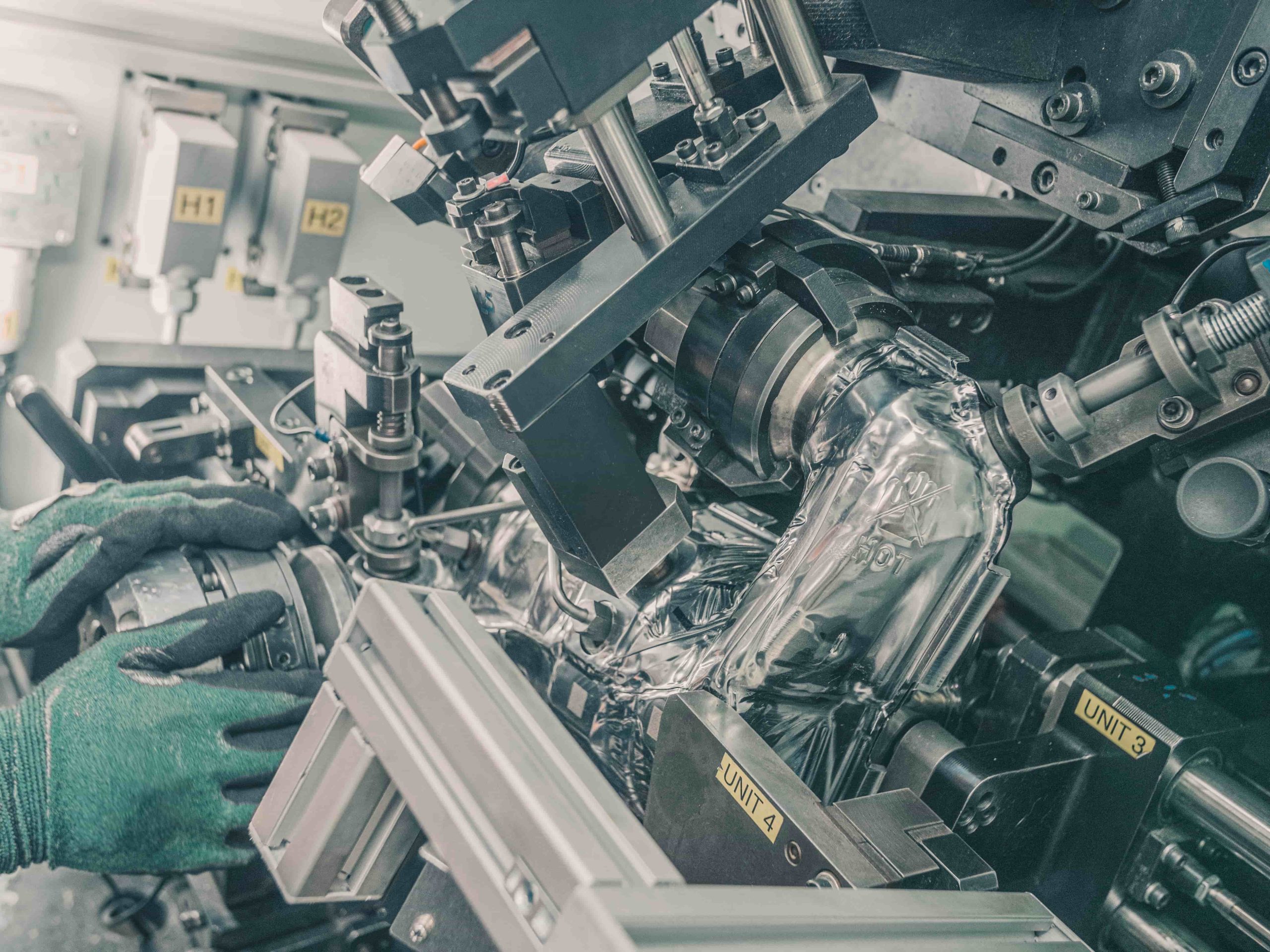
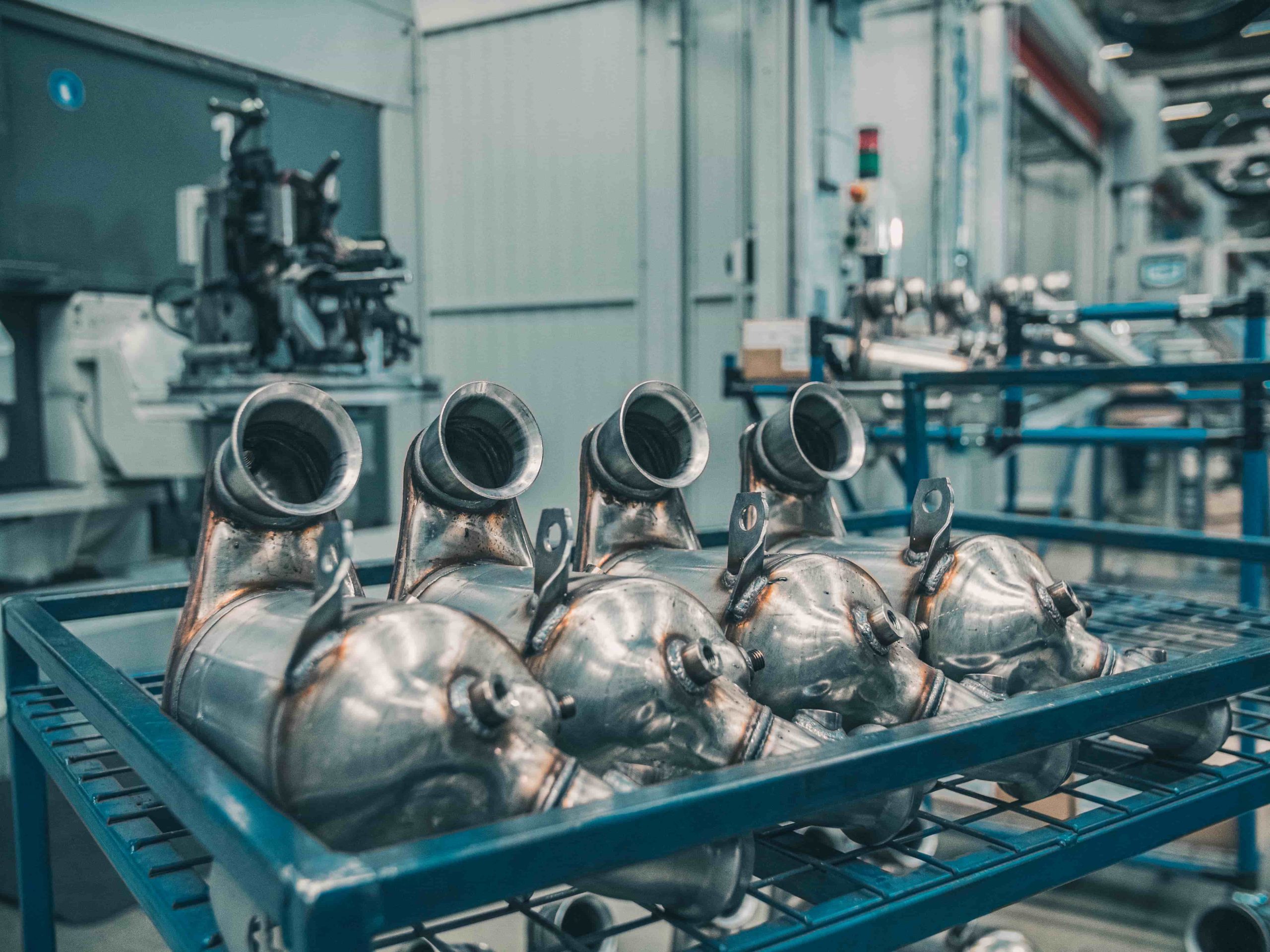
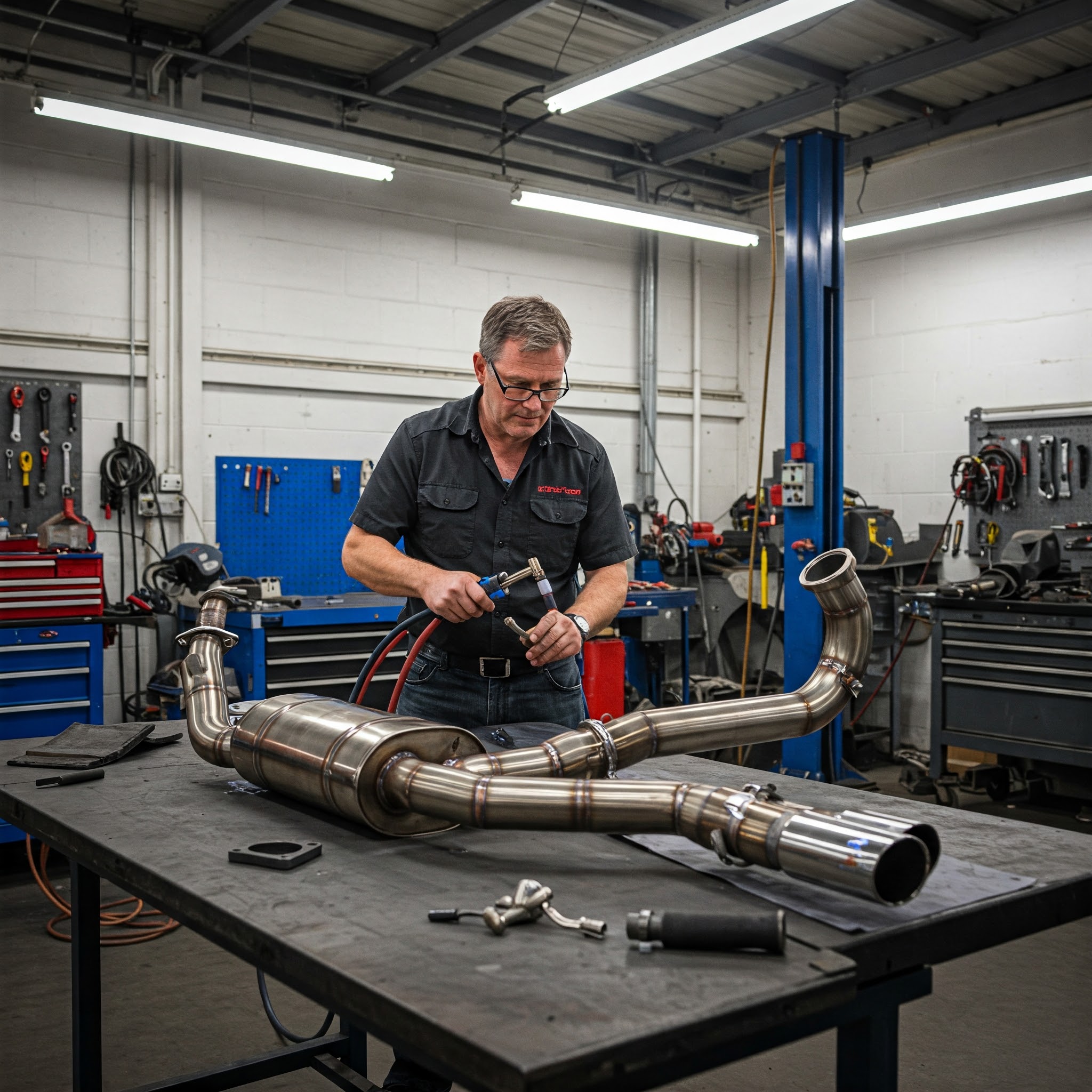
Waste reduction is an engineering challenge that requires precision. Lean fabrication techniques, such as advanced CNC tube bending and automated TIG welding, drastically reduce off-cut waste. By optimizing the geometry of exhaust components during the design phase, manufacturers can maximize material yield from every sheet or tube of metal, ensuring that minimal scrap is generated during the transformation process.
1.2.2 Adopting Energy-Efficient Precision Manufacturing Technologies
The transition to sustainable manufacturing involves upgrading legacy equipment to energy-efficient alternatives. Modern laser cutting and high-speed robotic welding systems consume significantly less electricity per unit than older, hydraulic-based machines. These precision tools improve product consistency and structural integrity while simultaneously lowering the energy-related emissions generated during the fabrication of complex muffler assemblies and pipe headers.
1.2.3 Scaling Circular Economy Principles for Industrial Byproducts
A true circular approach treats industrial byproducts as valuable assets rather than waste. This includes reclaiming coolant fluids, recycling metallic filings from machining, and repurposing heat generated by welding stations for facility climate control. By implementing closed-loop systems for these byproducts, manufacturers can significantly decrease their reliance on virgin resources and reduce the total environmental burden of their factory operations.
1.3 Modernizing Logistics and Distribution Networks
1.3.1 Reducing Scope 3 Emissions Through Localized Supply Chain Strategies
Logistics often represent the largest portion of a company’s Scope 3 emissions. To address this, many aftermarket leaders are shifting toward “nearshoring” or regional distribution hubs. By sourcing materials from closer proximity and utilizing more efficient shipping routes, companies can drastically reduce the fuel consumption associated with long-haul transit. This strategic localization not only improves delivery times for the end-user but also creates a more resilient and environmentally friendly supply chain.
1.3.2 Transitioning to Sustainable and Recyclable Protective Packaging Solutions
Sustainable logistics extends to how a product is packaged. Moving away from single-use plastics and non-recyclable foams in favor of corrugated cardboard, paper-based buffers, and bio-based protective wraps ensures that the final stage of the supply chain aligns with broader ecological goals. These packaging innovations minimize the volume of solid waste sent to landfills, ensuring the environmental impact of the product remains low even after it arrives at the consumer’s doorstep.
2. Strategic Implementation and Compliance in Sustainable Exhaust Systems
2.1 Regulatory Frameworks and Environmental Standards
Achieving sustainability in the aftermarket sector requires more than just high-quality materials; it demands a rigorous adherence to evolving environmental benchmarks. For manufacturers, navigating global emissions standards for aftermarket components is the first step toward legitimate sustainable practice. These regulations are becoming increasingly stringent, requiring exhaust systems to maintain performance while meeting lower noise and emission profiles.
Integrating ISO 14001 Environmental Management Systems provides a structured framework for companies to identify, manage, and reduce their environmental impact. By adopting these international standards, businesses demonstrate a commitment to continuous improvement, which is essential for long-term operational viability. Furthermore, utilizing the Carbon Disclosure Project for transparent performance reporting allows manufacturers to communicate their progress effectively. This level of transparency not only builds trust with environmentally conscious consumers but also helps companies align with the automotive regulatory compliance in aftermarket manufacturing, ensuring that every product reaching the market adheres to the highest safety and ecological benchmarks.
2.2 The Economic Case for Product Durability
Sustainability and profitability are not mutually exclusive; in fact, designing for longevity is a primary driver of both. When exhaust systems are engineered to withstand extreme thermal stress and corrosion over years of use, they combat the environmental cost of replacement. Frequent replacements necessitate higher resource extraction and disposal burdens, whereas high-quality, durable engineering minimizes these cycles.
Quantifying the lifecycle benefits of high-quality engineering allows manufacturers to demonstrate value beyond the initial purchase price. By conducting detailed durability assessments, brands can provide hard data to show how a premium, long-lasting component generates less waste over the vehicle’s lifespan. Marketing durability as a competitive advantage in the performance market allows brands to shift the conversation from mere consumption to investment-grade hardware. Enthusiasts increasingly prefer components that do not require frequent swapping, recognizing that reliability and sustainable manufacturing are hallmarks of superior engineering prowess.
2.3 Evaluating and Auditing Supplier Partnerships
A supply chain is only as sustainable as its weakest link. Establishing Key Performance Indicators (KPIs) for environmental impact tracking is vital for manufacturers to monitor the ecological footprint of their sub-contractors. These metrics might include energy consumption per unit of production, water usage efficiency, and the carbon intensity of logistics partners.
Developing a comprehensive audit framework for global sub-contractors ensures that these environmental goals are met consistently across all geographies. This involves regular site inspections and document reviews to verify compliance with labor and environmental laws. Finally, mitigating risks by identifying red flags in ethical supplier conduct is crucial for brand integrity. Warning signs such as a lack of environmental reporting, high turnover rates among workers, or an unwillingness to disclose material sources should be treated as high-priority risks. By maintaining proactive oversight, manufacturers ensure their supply chain remains resilient, ethical, and aligned with modern climate expectations.
Achieving true supply chain sustainability in aftermarket exhaust manufacturing is no longer just a trend; it is a fundamental shift in how the industry must operate to remain viable in a climate-conscious market. By prioritizing ethical material sourcing, minimizing production waste, and optimizing logistics, manufacturers can significantly lower their environmental footprint while simultaneously enhancing product quality and long-term durability. The transition toward circular economy principles, combined with a commitment to transparent reporting and rigorous supplier audits, ensures that performance goals do not come at the expense of our environmental responsibilities.
As regulations tighten and consumer expectations evolve, companies that embrace these sustainable practices will find themselves better positioned to lead in a competitive global landscape. Whether you are a manufacturer, a tuner, or a performance enthusiast, staying informed about these changes is vital. For those looking to deepen their understanding of how these shifts influence future production, our carbon footprint analysis of automotive exhaust production serves as an essential resource for navigating this complex transition. Ultimately, by aligning performance engineering with sustainable stewardship, the automotive aftermarket can continue to innovate while respecting the planet for future generations of enthusiasts.