The post Cookie Policy appeared first on JASMA.
]]>This policy explains how we use cookies and your related choices. For more information about other ways we collect and use information from you and your use of our [service/website/app], please see our Privacy Policy I . In this policy, we use the term “cookies” to refer to any applicable tracking technologies described herein.
1. What are cookies?
A cookie is a small text file stored on your device to help websites and mobile applications remember things about you. Session-based cookies only exist while your browser is open and are automatically deleted when you close your browser. Persistent cookies last until you or your browser delete them or until they expire. To learn more about cookies, visit http://www.allaboutcookies.org/
Pixel tags are transparent images, iFrames, or JavaScript placed on web pages or in marketing emails that are used to understand how you interact with those web pages or emails.
Social media features, such as the Facebook “like” button, may collect your IP address and the page you are visiting on a website, and may set a cookie to enable this feature operates normally. Your interactions with these features are governed by the privacy policy of the company providing the relevant Social Media Features.
Single sign-on allows you to sign in to certain websites or mobile apps using a sign-in service provided by a third party, such as Facebook or Google. These services will authenticate your identity and give you the option to share certain personal information with us, such as your name and email address to pre-fill registration forms. ours.
2. HOW WE USE COOKIES
The cookies we use can be classified into one of the following categories:
Strictly necessary cookies: We use these cookies to enable you to use site features, such as allowing movement between pages and remembering information you enter on forms.
Without these essential cookies, certain services on our website would not be possible and our website would not function as smoothly as it should.
Security cookies: We use these cookies to help identify and prevent security risks.
Performance and analytics cookies: We use these cookies to collect information about the use of our website to help improve the way it works.
Functional and preference cookies: We use these cookies to remember choices you make, such as the language you prefer, and to provide you with personalized features.
Targeting and advertising cookies: We use these cookies to provide you with advertising that is more relevant to you and your interests by remembering things like what you have viewed on our website. us and to track the performance of these ads.
3. WHAT COOKIES WE USE
Google Analytics (Google Asia Pacific Pte. Ltd.)
Google Analytics is a web analytics service provided by Google Inc. (“Google”). Google uses the Data collected to monitor and examine the use of this Website, prepare reports on Website activities and share them with other Google services.
Google may use the Data collected to contextualize and personalize ads on its own advertising network.
Personal data processed: Cookies and usage data.
Place of processing: Singapore – Privacy policy – Opt out.
Advertisement
This type of service allows User Data to be used for advertising communications purposes displayed in the form of banners and other advertisements on this Website, possibly based on the User’s interests.
This does not mean that all Personal Data is used for this purpose. Information and conditions of use are shown below.
Some of the services listed below may use Cookies to identify Users, or they may use behavioral retargeting techniques, i.e. display advertising tailored to the user’s interests and behavior. Users, including advertisements detected outside of this Site. For more information, please check the privacy policies of the relevant services.
In addition to any opt-outs offered by any of the services below, Users may opt-out of third-party services’ use of cookies by visiting the Advertising Initiative opt-out page Network report .
Google AdSense (Google Asia Pacific Pte. Ltd.)
Google AdSense is an advertising service provided by Google Inc. provide. This service uses “Doubleclick” Cookies, which track the use of this Website and the behavior of Users in relation to the advertising, products and services offered.
Users can decide to disable all Doubleclick Cookies by clicking: google.com/settings/ads/onweb/optout.
Personal data processed: Cookies and usage data.
Place of processing: Singapore – Privacy policy – Opt out.
4. YOUR CHOICE
There are different ways to manage preferences regarding cookies and provide and withdraw consent, as appropriate:
Users can manage tracker-related preferences directly in their device settings, for example by preventing use or storage of Trackers.
Additionally, whenever use of a tracker is based on consent, users can provide or withdraw that consent by setting their preferences in the cookie notice or by updating their preferences. select it accordingly via the relevant consent option widget, if available.
Through relevant device or browser features, it is also possible to delete previously stored Trackers, including those used to remember the user’s initial consent.
Other trackers in your browser’s local storage can be removed by deleting your browsing history.
For any third party trackers, users can manage their preferences and withdraw consent via the relevant opt-out link (if provided), using using the means set out in the third party’s privacy policy or by contacting the third party.
Set up location tracking
For example, users can find information about how to manage cookies in the most commonly used browsers at the following addresses:
Users can also manage certain categories of trackers used on mobile applications by opting out through relevant device settings, such as advertising settings. Device reporting for mobile devices or tracking settings in general (users can open device settings, view and find relevant settings).
Advertising Industry Specific Opt-Outs
Notwithstanding the above, Users may follow the guidance provided by YourOnlineChoices (EU) , Network Advertising Initiative (USA) and Digital Advertising Alliance (USA) , DAAC (Canada), DDAI (Japan) or other similar services provided. Such initiatives allow Users to choose their tracking preferences for most advertising tools. Therefore, the Owner recommends that Users use these resources in addition to the information provided in this document.
The Digital Advertising Alliance offers an application called AppChoices that helps Users control interest-based advertising on mobile applications.
5. CONTACT INFORMATION OF THE OWNER AND DATA CONTROLLER
Email: [email protected]
As the owner cannot fully control the use of third party cookies through this website, any specific references to third party cookies are deemed to be indicative. For complete information, users should refer to the privacy policies of the respective third-party services listed herein.
Due to the inherent complexity surrounding tracking technologies, Users are encouraged to contact the owner if they wish to receive any further information regarding this Site’s use of such technologies.
The post Cookie Policy appeared first on JASMA.
]]>The post Privacy Policy appeared first on JASMA.
]]>Committed to protecting the privacy of all visitors (“Users”) who use our website and applications.
This privacy policy (“Policy”) is designed to provide transparency about how (“we” or “our”) collects, stores, uses and protects your information when you use the (“Site” or “Services”).
This Privacy Policy is part of and governed by the terms and conditions set forth in our Terms of Use.
ACCEPT THIS POLICY
By using this Website, you agree to comply with and be bound by this Privacy Policy and you consent to the processing, collection, use and disclosure of your information and data in accordance with the provisions of this Privacy Policy. terms of this Privacy Policy. Please do not use the Site if you do not agree to this Privacy Policy.
CHANGES TO THIS PRIVACY POLICY
We may make changes to this Policy when we update or expand our Services. We will notify you of any material changes to this Privacy Policy by notice on our Services prior to the effective date of the change. If you do not agree to the changes, you should stop using the Services before the revised Policy becomes effective. If you continue to use the Services after the revised Policy becomes effective, you will be bound by the revised Policy.
Personal data collected
When you visit our Website, we collect certain information related to your device, such as your IP address, the pages you visit on our Website, whether you whether referred to you by another website and when you visited our Website.
We do not collect any other types of personal data. If you are accessing our website through a social media account, please refer to the social media provider’s privacy policy for information regarding their data collection.
Log file
Like most standard website servers, we use log files. This includes internet protocol (IP) addresses, browser type, internet service provider (ISP), referring/exit pages, platform type, date/timestamp and number of clicks for analysis trends, administer the site, track aggregate user movements, and gather broad demographic information for aggregate use.
Cookies
A cookie is a piece of data stored on a user’s computer that is associated with information about the user. We and some of our business partners (e.g. advertisers) use cookies on our Site. These cookies track site usage for security, analytics and targeted advertising purposes.
We use the following types of cookies:
- Essential cookies: these cookies are essential for the provision of our Website.
- Analytical and performance cookies: these cookies help us collect usage statistics and analytics to help analyze site usage.
- Targeted advertising and advertising cookies: these cookies track your browsing habits and location to provide you with advertising tailored to your interests. Please see our “advertisers” section below for details.
If you wish to disable cookies, you may do so through your individual browser options. For more information about cookies and how to manage them, please see http://www.allaboutcookies.org/.
Advertisement
We use marketing and remarketing services (hereinafter referred to as “Google Marketing Services”) provided by Google Inc., 1600 Amphitheater Parkway, Mountian View, CA 94043, USA.
Google Marketing Services allow us to display advertising for and on our Sites and Services in a more targeted way so that users are only shown ads that may truly interest them. For this purpose, as soon as a user visits our Website or other websites on which Google Marketing Services have been activated, Google will immediately execute the remarketing tag integrated into the Website . With the help of these tags, an individual cookie is stored on the user’s device. Cookies can be set from a variety of domains, including google.tv and doubleclick.net. This file keeps a record of the websites users visit, the content they are interested in, and the offers they click on, as well as technical information about their browser and operating system, and referring websites. , access times and other details about the use of website content. The user’s IP address is also recorded, accordingly, within the scope of Google Analytics we would like to indicate that, within the member states of the European Union or in other countries participating in the Agreement about the European Economic Area, the user’s IP address is also recorded. The IP address is truncated and transmitted in its entirety only to a Google server in the United States and truncated there in exceptional cases. The IP address will not be associated with any user data from other services provided by Google. The foregoing information may also be combined with equivalent information from other sources. If users subsequently visit other websites, they may only be shown ads that directly reflect their interests. in the context of Google Analytics, would like to point out that, in member states of the European Union or in other countries that are party to the Agreement on the European Economic Area, IP addresses are truncated and transmitted in full only to a Google Server in the United States and truncated there in exceptional cases. The IP address will not be associated with any user data from other services provided by Google. The foregoing information may also be combined with equivalent information from other sources. If users subsequently visit other websites, they may only be shown ads that directly reflect their interests. in the context of Google Analytics, would like to point out that, in member states of the European Union or in other countries that are party to the Agreement on the European Economic Area, IP addresses are truncated and transmitted in full only to a Google Server in the United States and truncated there in exceptional cases. The IP address will not be associated with any user data from other services provided by Google.The foregoing information may also be combined with equivalent information from other sources. If users subsequently visit other websites, they may only be shown ads that directly reflect their interests. The IP address is truncated and transmitted in its entirety only to a Google server in the United States and truncated there in exceptional cases. The IP address will not be associated with any user data from other services provided by Google. The foregoing information may also be combined with equivalent information from other sources. If users subsequently visit other websites, they may only be shown ads that directly reflect their interests. The IP address is truncated and transmitted in its entirety only to a Google server in the United States and truncated there in exceptional cases. The IP address will not be associated with any user data from other services provided by Google. The foregoing information may also be combined with equivalent information from other sources. If users subsequently visit other websites, they may only be shown ads that directly reflect their interests.
Within Google Marketing Services, user data is processed anonymously. This means that Google does not store and process the user’s name or email address, but instead processes cookie-based related data in the pseudonymous user profile. In other words, from Google’s perspective, ads are managed and shown to the cookie owner, regardless of who the cookie owner is, rather than to a specifically identified person. This will not apply where the user has explicitly given Google permission to process the data without the use of this pseudonym. Information collected about users via “DoubleClick” will be transmitted to Google and stored on Google servers in the United States.
On the basis of Google Marketing Services, we integrate third-party “DoubleClick” advertising. DoubleClick uses cookies that allow Google and its partner websites to run ads based on a user’s visit to this or another website. We also integrate third-party “AdSense” advertising. AdSense uses cookies that allow Google and its partner sites to run ads based on a user’s visit to this or another website.
You can find more information about Google’s use of data for marketing purposes at: https://www.google.tv/policies/technologies/ads, Google’s privacy policy can be viewed at https:/ /www.google.tv/policies/ privacy. If you want to object to data collection by Google Marketing Services, you can use the settings and opt-out functions provided by Google: http://www.google.tv/ads/preferences .
USE GOOGLE ANALYTICS
We use Google Analytics, a web analytics service provided by Google, Inc. provide. Google Analytics uses cookies to collect information about user engagement and interaction with the website. This information, including the user’s IP address, is used to evaluate the user’s interaction with the website, compile reports on website activity for the website operator, and provide other services regarding website operations and internet usage. Google Analytics will not link a user’s IP address to any personally identifiable information.
As with other cookies, users can deny access to cookies by modifying the appropriate settings in the user’s web browser. However, this may affect users’ access to the full functionality of the We website. Continuous use of the We website shall be deemed to constitute the user’s explicit consent to the processing of their data by Google Analytics for the purposes stated above.
For more information, please refer to the Google Analytics privacy policy https://www.google.tv/policies/privacy.
Purpose of data collection
We use the information we collect to:
Administer our Website, including troubleshooting and data or statistical analysis;
To improve our Site and enhance user experience by ensuring you have access to personalized content tailored to your interests;
Analyze user usage and optimize our services.
To ensure that our Website remains secure and free from hacking or fraud.
Share information with our partners to provide targeted advertising and social media features.
Data is shared with third parties
We do not sell or rent your personal data to third parties. However, our partners, including advertising partners, may collect data regarding your use of the Site as set forth herein. Please see our “advertisers” section above for details.
Data security
Our servers comply with ISO 27018, a code of practice focused on protecting personal data in the cloud. We follow all reasonable precautions to ensure the security of your data.
In the event we become aware of any data security breach, alteration, unauthorized access or disclosure of any personal data, we will take all reasonable precautions to protect the data. your data and will notify you as required by all applicable laws.
User Rights
Users may exercise certain rights regarding their Data processed by the Owner.
Specifically, Users have the right to do the following:
Withdraw their consent at any time. Users have the right to withdraw consent where they have previously given their consent to the processing of their Personal Data.
Object to the processing of their Data. Users have the right to object to the processing of their Data if the processing is carried out on a legal basis other than consent. Detailed information is provided in the dedicated section below.
Access their data. Users have the right to learn whether Data is being processed by the Owner, receive disclosure regarding certain aspects of the processing and receive a copy of the Data undergoing processing.
Verify and find a solution. Users have the right to verify the accuracy of their Data and to request that it be updated or corrected.
Restrict their processing of Data. Users have the right, in certain circumstances, to restrict the processing of their Data. In this case, the Owner will not process their Data for any purpose other than storing it.
Request deletion or erasure of their Personal Data. In certain cases, Users have the right to request the Owner to delete their Data.
Receive their Data and transfer it to another controller. Users have the right to receive their Data in a structured, commonly used and machine-readable format and, if technically feasible, to transmit such Data to the controller otherwise without any problems. This provision is applicable provided that the Data is processed by automated means and that the processing is based on the User’s consent, on a contract which the User is part of or on pre-contractual obligations .
File a complaint. Users have the right to bring a complaint before their competent data protection authority.
Details of the right to object to processing
Where Personal Data is processed for a public interest, in the exercise of an official authority vested in the Owner or for the purposes of the legitimate interests pursued by the Owner, Users may object to such processing. handle it by giving reasons related to their specific situation for handling it. justify the objection.
However, users must be aware that if their Personal Data is processed for direct marketing purposes, they can object to such processing at any time without providing any justification. . To find out whether the Owner is processing Personal Data for direct marketing purposes, Users can refer to the relevant sections of this document.
How to exercise these rights
Any requests to exercise User rights may be directed to the Owner via the contact details provided in this document. These requests can be made free of charge and will be resolved by the Owner as soon as possible and always within one month.
Loan
Cookie policy
This site uses Trackers. To learn more, Users can refer to the Cookie Policy.
The post Privacy Policy appeared first on JASMA.
]]>The post Terms of Use appeared first on JASMA.
]]>Our System is an information site that provides content for agents and customers, including but not limited to individuals and organizations that use or do business with us (hereinafter referred to as You). By using this Website and any products/utilities here, it means that You have accepted and agreed to abide by these Terms of Use.
1. Fair Use
You must accept that You will not be allowed to engage in any conduct that could imply that You have been, are or will be conducting business in any form including but not limited to offering or soliciting goods or selling goods. , rent, license, display, deliver, advertise and promote directly or indirectly any products, services, data, information, images with content that violates applicable laws and is pure. Vietnamese customs and traditions. You may not participate in any activities related to the dissemination, publishing or transmission of unwanted emails (spam) on the Internet to other users in the system such as promotional and advertising information.
2. Links to third-party websites or advertisements
This website may link to websites of third parties. We provide links to make these connections for Your convenience. These vendor or advertising websites are owned by independently operated organizations. We are not responsible, endorsed or liable for any content, advertising, or products available from such websites.
You acknowledge and agree that we shall not be responsible or liable, directly or indirectly, for any damage or loss in connection with the use of or reliance on the content or products. or services available on any such website. You should research suppliers carefully before making any transactions with third parties.
3. Intellectual property rights
All images, logos, and all other content (referred to as Content) on this Website are owned by us and other organizations/companies that have been authorized by us. We allow You to view, download and print Content when:
• You use it for personal purposes only and not for commercial purposes.
• You shall not copy, publish or reuse the Content.
• You may not edit the Content.
• You do not transfer any copyright, trademark and other proprietary Content on the Website. Except as expressly permitted above, any copying, adaptation or reuse of the Website Content without our prior written permission is strictly prohibited. To request use of the Content, You may contact. If approved, You must ensure that Your use of Website Content will be in accordance with these Regulations and that this use does not violate the rights and interests of other individuals/organizations or violate contracts. , legal obligations of other individuals/organizations.
4. Refuse to guarantee failure
This website and its facilities are provided on an “as available” basis. We do not guarantee that the Website or facilities will always be available, usable, uninterrupted, timely, accurate, secure, free of errors or viruses, or certain of the results achieved after when using the Website and utilities. You should note that this Website and its facilities rely on Internet services and are subject to power outages or interruptions, external attacks and delays. In such cases, subject to these terms, we will endeavor to remedy the disruption and provide such adjustments, repairs and replacements as are reasonably practicable to restore the system.
5. Limitation of liability
We will not bear any responsibility or joint liability for the consequences of unauthorized access to the provider’s server or interface; Website; Your equipment and data or Your customer data due to accident, illegal means such as hacking or third party equipment and other causes beyond our control. We are also not responsible if the utility or Website is infiltrated by trojans, viruses, or other software programs intentionally sabotaged by outsiders.
As a condition of your use of this Website and facilities, You agree that we, our directors, employees, member organizations, shareholders, agents, and suppliers shall have no liability to you. You or a third party for loss of profits or business opportunities; damages and costs arising directly or indirectly from connecting to this Website or using our utilities.
6. Access the admin area
Only those legally authorized by us may access and use the password-protected administrative areas of the Website. Individuals/organizations that intentionally enter this area may be sued and, depending on the severity, prosecuted according to current law.
Separate utility areas for users where you can register for a free user account, log in and customize content according to your needs.
7. Privacy policy
All information entered into this Website is subject to our Privacy Policy including membership registration information and personal information. We do not use member information other than to personalize access according to your preferences, privacy is guaranteed throughout the system.
8. General Terms
In the event that any provision of these Terms of Use (in whole or in part) becomes invalid or unenforceable for any reason, it will only affect the provision that has been determined to be invalid and does not affect the validity of the remaining provisions. If there is a discrepancy between these Terms of Use and the Facility Usage Agreements, the latest provision shall prevail.
The post Terms of Use appeared first on JASMA.
]]>The post Next-Generation Lightweight Exhaust Alloy Development Trends appeared first on JASMA.
]]>The automotive industry is currently undergoing a transformative shift as manufacturers prioritize efficiency, emissions compliance, and vehicle dynamics. At the heart of this evolution is next-generation lightweight exhaust alloy development, which is rapidly becoming a cornerstone of modern high-performance engineering. As vehicles move toward more complex hybrid architectures and stricter noise regulations, the demands placed on exhaust components have never been higher. Engineers are no longer simply looking for heat resistance; they are seeking materials that provide superior strength-to-weight ratios, acoustic dampening properties, and long-term durability under extreme thermal cycling.
In this guide, we explore how cutting-edge metallurgy is reshaping the landscape of automotive exhaust systems. Readers will gain insights into the advancements in exhaust material composition, the role of sustainable manufacturing in sports muffler design, and how these innovations help engineers navigate the tightening global standards for acoustic performance. By understanding these technical leaps, you will better grasp how the industry balances extreme power requirements with the need for a reduced carbon footprint in an era defined by rapid electrification.
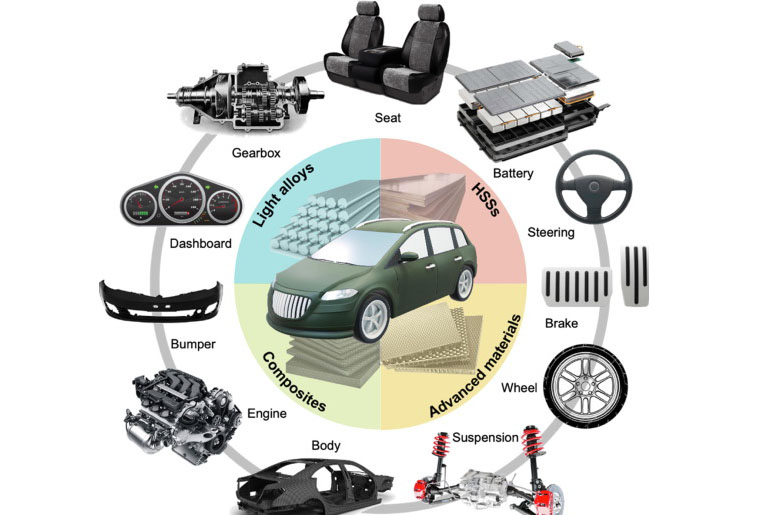
1. Next-generation lightweight exhaust alloy development: Engineering innovations and material properties
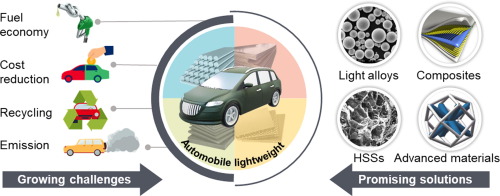
The pursuit of high-performance automotive systems has shifted the focus toward next-generation lightweight exhaust alloy development. As emission standards tighten and the demand for fuel efficiency grows, traditional stainless steel components are increasingly being replaced by advanced materials designed to reduce mass while maintaining structural integrity under extreme conditions. By optimizing the material composition, engineers can achieve significant weight savings without compromising the acoustic or thermal performance required for modern vehicle platforms.
1.1.1 High-entropy alloys for extreme thermal stability
High-entropy alloys (HEAs) represent a paradigm shift in metallurgy, moving away from single-base element systems to complex, multi-principal element combinations. In exhaust applications, these alloys offer exceptional phase stability at elevated temperatures, providing a robust solution against the thermal degradation that typically plagues standard exhaust manifolds. Their unique atomic structure allows for improved strength-to-weight ratios, ensuring that exhaust components can withstand the intense thermal cycling of high-performance engines while remaining significantly lighter than conventional alloys.
1.1.2 Titanium aluminide performance in high-temperature exhaust environments
Titanium aluminide (TiAl) is emerging as a critical material in the evolution of exhaust hardware. Known for its low density and excellent oxidation resistance, TiAl maintains mechanical properties at temperatures where traditional titanium alloys would fail. By utilizing TiAl, manufacturers can develop thin-walled exhaust structures that endure the corrosive, high-velocity gas environments found in turbocharged engines. This material choice is vital for those looking to maximize performance gains while adhering to advancements in exhaust material composition that favor longevity and reduced engine-bay heat soak.
1.1.3 Nanocrystalline strengthening mechanisms for weight reduction
To further drive weight reduction, researchers are employing nanocrystalline grain structures within alloy matrices. By refining the grain size to the nanometer scale, these materials exhibit superior hardness and tensile strength, allowing for a reduction in wall thickness without sacrificing structural durability. This strengthening mechanism enables the fabrication of exhaust systems that are lighter and more resilient to mechanical vibrations, directly contributing to overall vehicle agility and secondary fuel efficiency gains.
1.2.1 Managing thermal expansion coefficients in lightweight materials
One of the primary engineering hurdles in using advanced alloys is controlling thermal expansion. Mismatched expansion rates between disparate components can lead to stress fractures and sealing failures. Next-generation development involves the precise tuning of alloy compositions to achieve expansion coefficients that remain stable across the entire operational temperature spectrum, ensuring the exhaust system maintains a reliable fit even under peak load.
1.2.2 Strategies to mitigate oxidation and creep deformation
As exhaust temperatures climb, materials are susceptible to creep—the slow, permanent deformation under sustained mechanical stress. Engineers are now utilizing precise alloying additives that stabilize the crystal lattice, effectively hindering dislocation movement at high heat. Combined with advanced coating technologies, these strategies significantly mitigate oxidation, ensuring that lightweight components retain their geometric precision throughout the lifecycle of the vehicle.
1.2.3 Corrosion resistance requirements for high-performance automotive exhaust systems
Even with advanced weight-saving measures, high-performance exhaust systems must contend with harsh environmental factors, including road salt, moisture, and chemical byproducts of combustion. Modern development cycles prioritize the integration of chromium and molybdenum into alloy matrices to create a self-passivating surface layer. This ensures that even the thinnest gauge, high-performance alloys provide the long-term corrosion resistance required to survive the daily rigors of both street and track use.
2. Manufacturing processes and future integration of next-generation lightweight exhaust alloy development
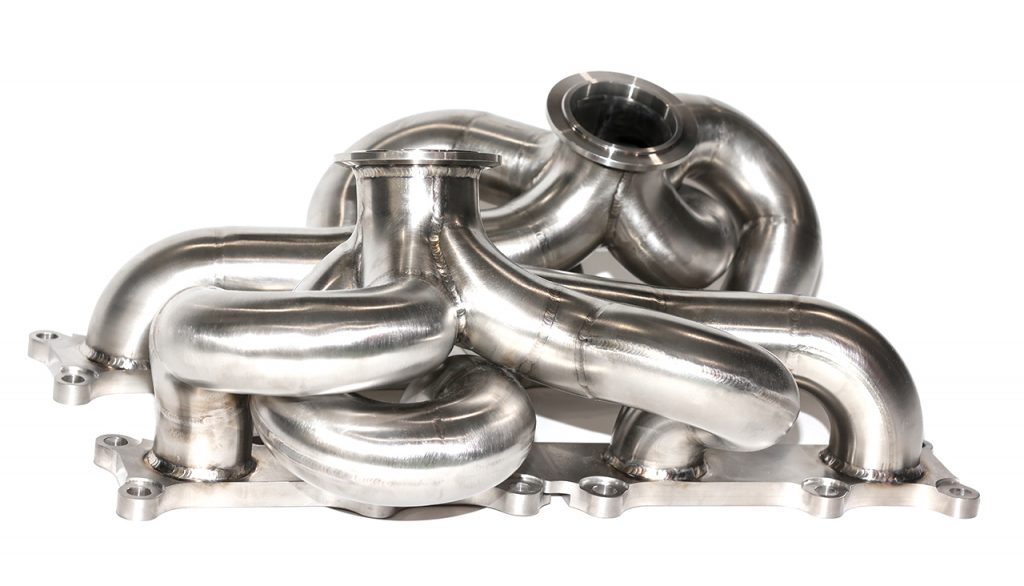
2.1 Advanced fabrication techniques
2.1.1 Additive manufacturing and laser powder bed fusion for complex exhaust geometries
The transition toward next-generation lightweight exhaust alloy development is heavily supported by advancements in additive manufacturing, specifically laser powder bed fusion (LPBF). Traditional manufacturing methods often struggle to balance the structural requirements of high-performance exhaust systems with the need for weight reduction. LPBF allows engineers to create intricate internal geometries, such as optimized flow manifolds and thin-walled silencer casings, that were previously impossible to cast or machine. By building components layer-by-layer, manufacturers can maintain high levels of rigidity while minimizing wall thickness, which significantly aids in meeting [exhaust piping wall thickness optimization](https://jasma.org/exhaust-piping-wall-thickness-optimization-a-guide.html) standards without compromising durability.
2.1.2 Net-shape casting improvements for intermetallic components
While additive manufacturing excels in prototyping and complex small-batch production, net-shape casting remains a cornerstone for large-scale automotive manufacturing. Recent improvements in investment casting and thixomolding are enabling the use of brittle yet lightweight intermetallic alloys, such as titanium aluminides, in mass-market exhaust systems. These techniques reduce the need for extensive post-casting machining—a process that often wastes expensive, high-performance materials. By achieving near-final dimensions directly from the mold, manufacturers can effectively lower production costs and reduce material scrap rates, contributing to a more efficient use of resources in the high-performance exhaust sector.
2.2 Industrial implementation and computational design
2.2.1 The role of AI and high-throughput computational modeling in alloy discovery
The speed at which we develop new materials has accelerated due to artificial intelligence and high-throughput computational modeling. Rather than relying on traditional, time-consuming “trial and error” metallurgy, researchers can now simulate the performance of thousands of alloy combinations in virtual environments. These models predict how specific elements will influence thermal expansion, creep resistance, and vibrational stability. By leveraging machine learning, engineers can pinpoint exact alloy compositions that satisfy strict noise regulation requirements, ensuring that new, lighter materials do not negatively impact the acoustic profile of the vehicle.
2.2.2 Scaling niche performance materials for mass-market automotive fuel efficiency
Moving from high-performance prototypes to mass-market integration is the ultimate hurdle for lightweight alloy adoption. To bridge this gap, the industry is focusing on modular design strategies that allow for the localized use of advanced alloys only where they are most needed, such as in high-temperature heat zones. This balanced approach helps manufacturers improve vehicle fuel efficiency by reducing total exhaust system mass without the prohibitive costs of constructing the entire exhaust from exotic, high-cost materials.
2.2.3 Sustainability in sourcing and recycling advanced exhaust alloys
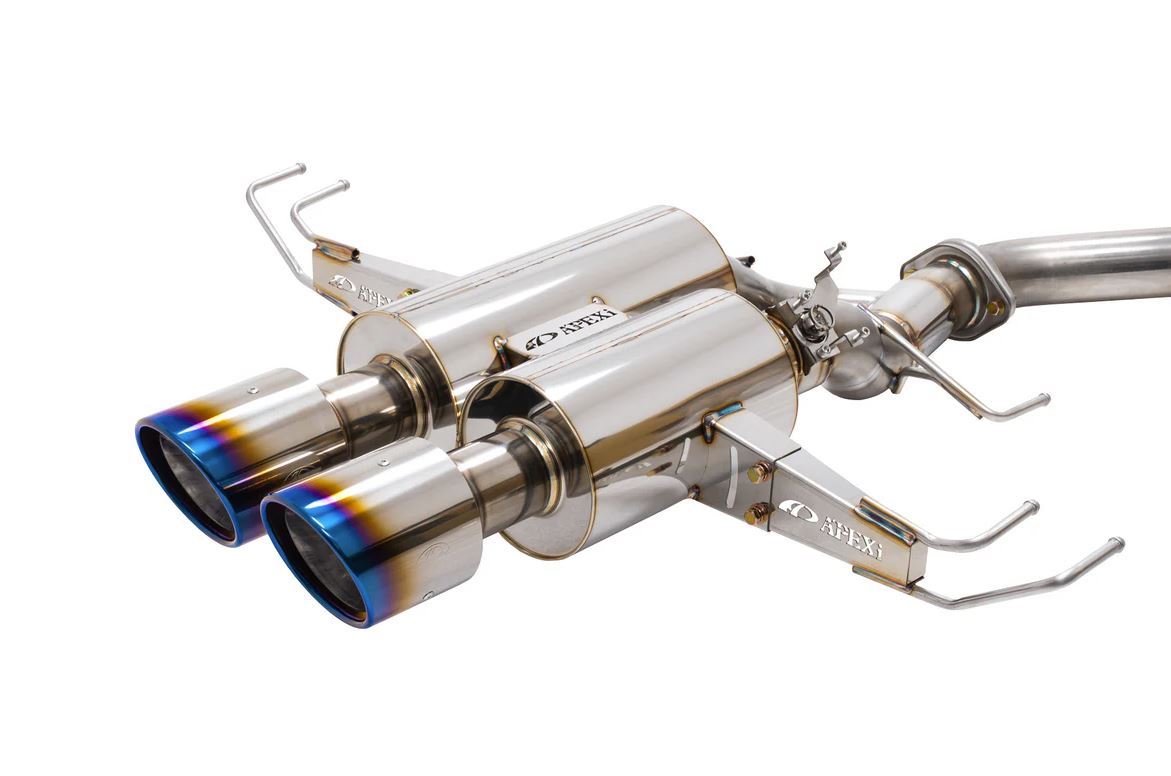
As the automotive sector shifts toward circular economy principles, the recyclability of next-generation exhaust alloys has become a priority. Sustainable material trends in sports muffler design now emphasize the use of alloys that can be easily reclaimed and re-melted without losing their mechanical properties. Developing a closed-loop supply chain for materials like titanium and specialized high-entropy alloys is essential to reducing the environmental impact of long-term exhaust maintenance and eventual vehicle end-of-life processing.
The trajectory of next-generation lightweight exhaust alloy development signals a transformative era for both original equipment manufacturers and the aftermarket performance sector. As we have explored, the integration of high-entropy alloys, titanium aluminide, and advanced manufacturing processes is no longer just a laboratory pursuit; it is a necessity driven by the push for superior thermal management, reduced vehicle mass, and stricter environmental compliance. By leveraging computational design and additive manufacturing, engineers are effectively solving the age-old conflict between durability, acoustic performance, and weight reduction.
As the automotive industry continues its complex transition toward electrification and hybrid platforms, the role of material science remains paramount. Staying ahead of these shifts is essential for anyone involved in high-performance tuning or vehicle maintenance. To ensure your build remains compliant and optimized for the future, we encourage you to stay informed on the impact of electrification on exhaust manufacturing. Ultimately, the successful implementation of these advanced alloys will define the next generation of exhaust systems, providing drivers with enhanced fuel efficiency and performance without sacrificing the engineering integrity required by modern global standards.
The post Next-Generation Lightweight Exhaust Alloy Development Trends appeared first on JASMA.
]]>The post Regulatory Shift in Aftermarket Emission Testing: A Guide appeared first on JASMA.
]]>For automotive enthusiasts and vehicle owners, the landscape of vehicle modification is undergoing a significant transformation. A comprehensive regulatory shift in aftermarket emission testing is currently reshaping how performance parts are developed, installed, and inspected across the United States. As environmental standards tighten, the focus of enforcement agencies is moving away from traditional, isolated inspections toward a more integrated, digital oversight model. Understanding these changes is no longer optional; it is essential for anyone looking to maintain legal compliance while enjoying the benefits of upgraded vehicle performance.
In this guide, we will navigate the evolving complexities of modern compliance, from the transition toward continuous monitoring to the critical role of documentation in protecting your vehicle from registration blocks. Whether you are a daily driver or a fleet operator, staying ahead of these new exhaust emission testing protocols is the best way to safeguard your investment. We will break down the hierarchy of enforcement, identify the risks associated with non-compliant modifications, and provide actionable strategies to ensure your vehicle remains road-legal in an increasingly regulated environment.
1. Navigating the Regulatory Shift in Aftermarket Emission Testing and Compliance

1.1 Understanding the Transition from Static Testing to Continuous Monitoring
1.1.1 The decline of tailpipe-only testing in favor of On-Board Diagnostic (OBD) data polling
The traditional era of the “sniffer test”—where an inspector inserted a probe into the tailpipe to measure exhaust gas concentration—is rapidly fading. As modern engine management systems have become increasingly sophisticated, regulatory bodies have shifted their focus toward On-Board Diagnostic (OBD) data polling. Today, the primary indicator of a vehicle’s compliance is its ability to report “readiness monitors” directly from the Engine Control Unit (ECU). When a vehicle arrives for inspection, technicians now interface with the OBD port to verify that internal emissions systems are functioning as designed. This digital approach creates a definitive snapshot of health, making it much harder for non-compliant aftermarket modifications to pass unnoticed.
1.1.2 How real-time telematics and remote sensing are reshaping compliance cycles
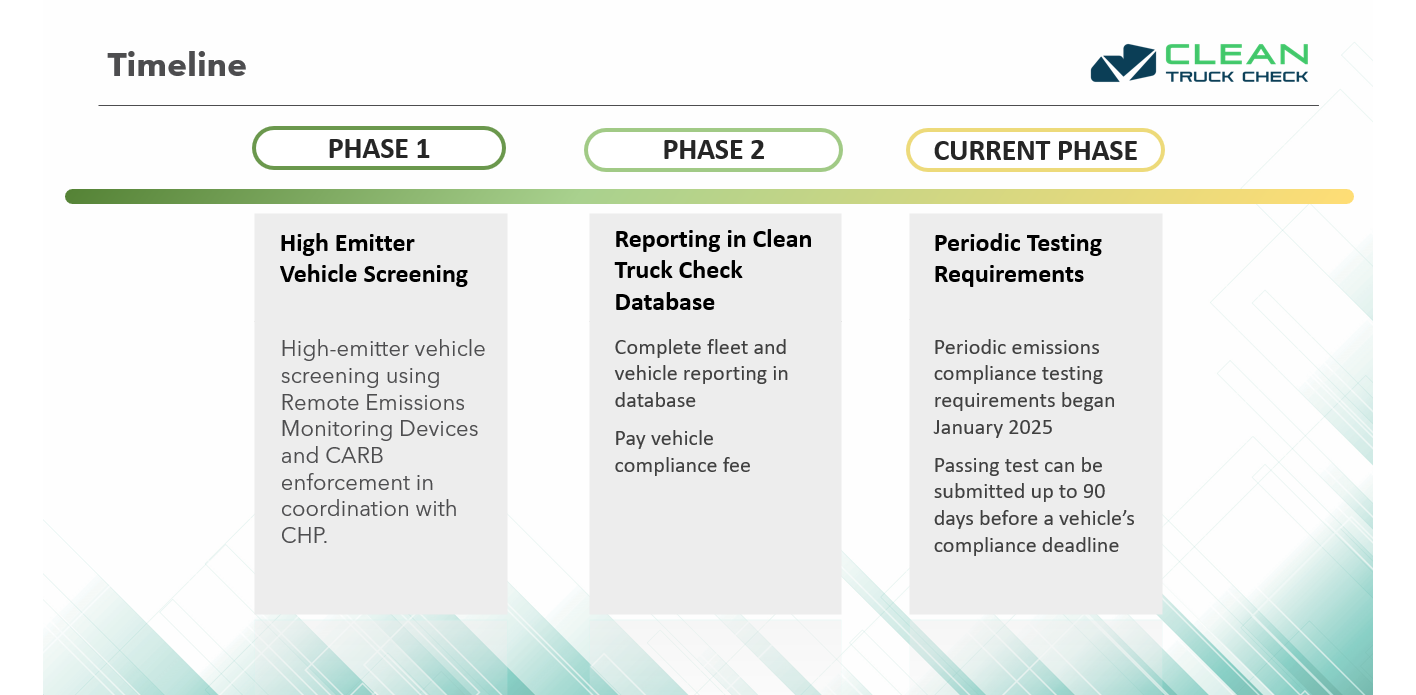
Beyond periodic inspections, the industry is seeing a move toward continuous monitoring through real-time telematics. Emerging remote sensing technology can now identify high-emitting vehicles as they drive past roadside sensors, effectively pulling them out of the standard compliance cycle. This proactive enforcement strategy means that vehicle owners can no longer rely on two-year windows between inspections to manage emissions health. For manufacturers and enthusiasts, this necessitates a deeper understanding of new exhaust emission testing protocols, as the tolerance for intermittent faults or “temporary” modifications that trip diagnostic codes is essentially zero.
1.2 The Hierarchy of Emission Authority and Enforcement
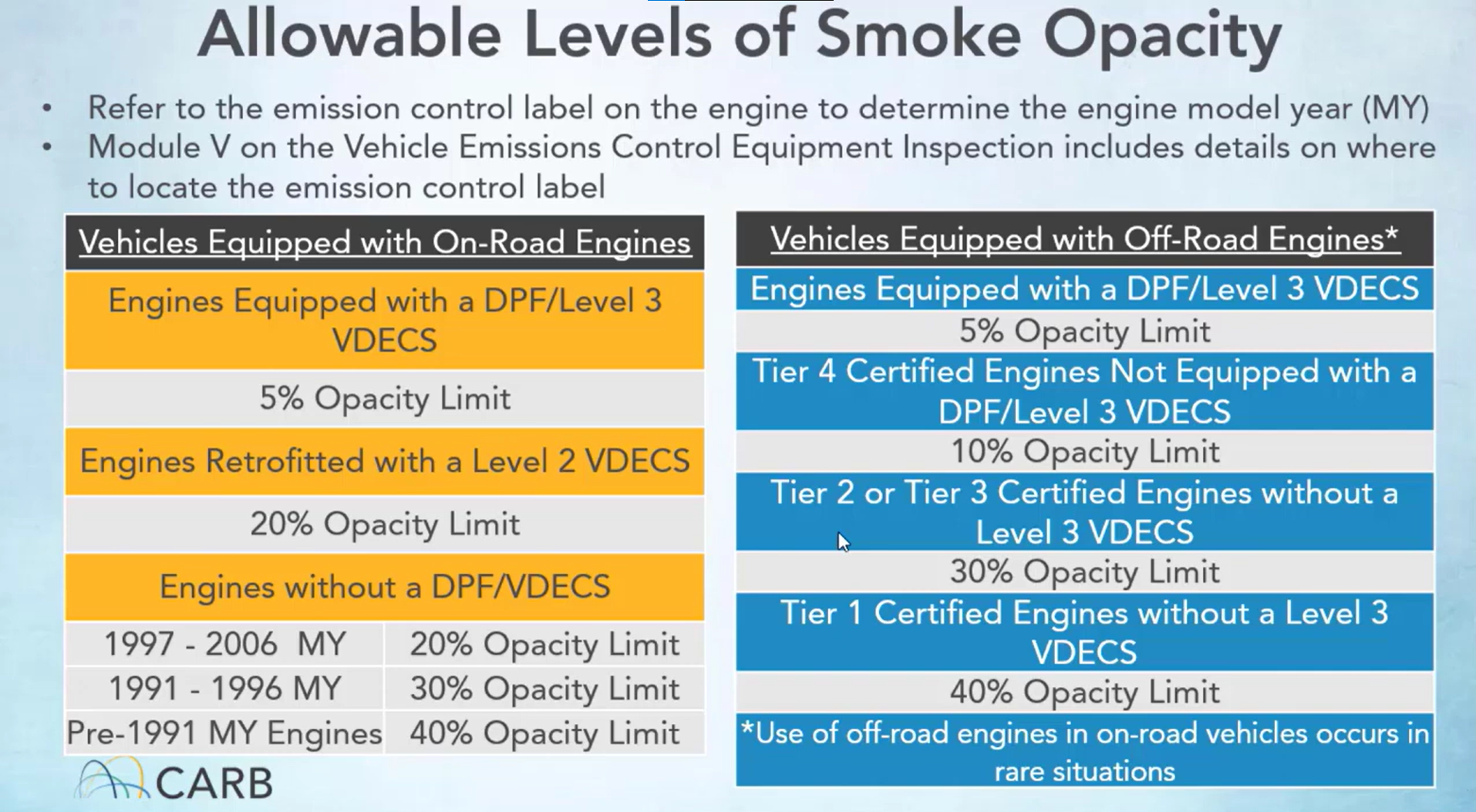
1.2.1 Federal EPA standards versus state-specific mandates under CARB
Navigating the regulatory landscape requires a clear distinction between federal guidelines and state-level mandates. While the Environmental Protection Agency (EPA) sets the baseline for federal clean air standards, the California Air Resources Board (CARB) has historically acted as the gold standard for stricter emissions oversight. Many other states have adopted these more rigorous CARB mandates, effectively expanding the reach of California-style regulations nationwide. This creates a complex patchwork where a part may be legal in one jurisdiction but considered a major liability in another.
1.2.2 Deciphering the role of the Bureau of Automotive Repair in regional enforcement
The Bureau of Automotive Repair (BAR) serves as the primary enforcement arm for regional compliance. BAR oversees the certification of smog check stations and ensures that technicians are properly trained to spot illegal modifications. Their role has expanded beyond simple oversight to include targeted investigations into aftermarket retail practices. If an aftermarket part is found to cause a vehicle to fail inspection or trigger a check-engine light, the BAR’s involvement can lead to mandatory repair orders or registration blocks for the vehicle owner, emphasizing why automotive regulatory compliance in aftermarket manufacturing is a critical safety net for the consumer.
1.3 Essential Documentation for Aftermarket Parts Manufacturers and Consumers
1.3.1 Defining CARB Executive Orders and their necessity for legal street use
For street-legal modifications, the CARB Executive Order (EO) is the most critical document. An EO serves as official verification that a specific aftermarket part has been tested and found not to increase emissions beyond the vehicle’s original certified configuration. Without this documentation, any exhaust or intake modification is technically classified as “off-road use only.” Consumers must insist on viewing the specific EO number associated with their components before installation, as this is the only proof of compliance that inspectors will accept during an audit.
1.3.2 The relationship between Emissions Warranty Information Reporting and component liability
Emissions Warranty Information Reporting (EWIR) is another layer of accountability that connects manufacturers to their products. When an aftermarket component is installed, it can potentially void the original factory emissions warranty. However, manufacturers that adhere to strict testing standards often provide their own warranty documentation, which can protect the consumer if a part fails prematurely. Understanding these legal liabilities is vital, as the responsibility for a failed inspection often shifts from the vehicle owner to the manufacturer if the product was installed according to authorized guidelines.
1.4 Risk Mitigation for Fleet Operators and Vehicle Owners
1.4.1 Navigating the financial impact of registration blocks and mandatory recalls
The consequences of failing to meet modern emission standards are no longer limited to a simple re-test fee. Many states have implemented automated registration blocks, which prevent owners from renewing their license plates if their vehicle’s OBD system reports non-compliance. For fleet operators, this can mean significant downtime and financial loss. Furthermore, in cases where non-compliant parts are found to be widespread, regulators may issue mandatory recalls, forcing owners to revert to stock equipment at their own expense.
1.4.2 Strategies for identifying and avoiding high-risk aftermarket modifications that trigger diagnostic trouble codes
To stay ahead of the curve, owners must prioritize parts that are designed for compatibility with factory sensors. High-risk modifications—such as removing catalytic converters or installing unmapped turbo components—almost invariably trigger diagnostic trouble codes (DTCs). Effective risk mitigation involves vetting suppliers who provide JASMA certification policy updates to ensure the hardware is engineered to work within the vehicle’s original logic parameters. By opting for components that maintain proper backpressure and sensor signals, owners can ensure their vehicles remain compliant while still enjoying the benefits of performance enhancements.
2. Operational Best Practices for Managing the Regulatory Shift in Aftermarket Emission Testing

2.1 Proactive Compliance Auditing for Light and Heavy Duty Fleets
2.1.1 Establishing internal schedules for diagnostic reviews and emission health checks
In an era of increasingly stringent automotive regulatory compliance in aftermarket manufacturing, fleet operators can no longer rely on sporadic inspection cycles. Transitioning to a proactive maintenance model is essential for both light and heavy-duty vehicles. By scheduling routine diagnostic reviews—distinct from state-mandated inspections—managers can identify potential issues before they trigger a check engine light or a failure during an OBD data poll. These internal health checks should focus on monitoring sensor trim values and catalytic converter efficiency, ensuring the vehicle’s emissions control systems are performing within the manufacturer’s original design parameters.
2.1.2 Vetting aftermarket suppliers based on rigorous certification and testing standards
The integrity of your fleet depends heavily on the components you install. When procuring parts, prioritize suppliers who provide transparent, third-party verified data. Understanding the nuances of JASMA certification policy updates can serve as a benchmark for evaluating supplier quality, even if your specific region follows different guidelines. By choosing manufacturers that adhere to strict testing protocols, you reduce the risk of integrating components that fail to communicate correctly with the vehicle’s ECU, which often leads to costly diagnostic trouble codes and failed compliance screenings.
2.2 Mitigating Liability Through Proper Maintenance Documentation
2.2.1 Building a defensible paper trail for parts installation and service history
A comprehensive maintenance log is your first line of defense during a regulatory audit. Maintain a chronological record that includes part numbers, installation dates, and, crucially, copies of the relevant CARB Executive Orders for every modified component. If a vehicle undergoes a review, having a clean, accessible paper trail proves that all aftermarket modifications were performed with compliant hardware. This documentation should also note the specific professional shop or technician who performed the install, adding a layer of accountability that simplifies the resolution of potential compliance disputes.
2.2.2 Leveraging digital logs to demonstrate regulatory adherence during state inspections
Modern enforcement often relies on centralized databases. Maintaining digital maintenance logs that sync with fleet management software allows for seamless reporting. This technology makes it easier to verify that your vehicles are meeting new exhaust emission testing protocols by providing an immediate, verifiable history of emissions-related services. Digital logs also help prevent administrative oversights, such as missing an inspection deadline or failing to clear a maintenance code that could lead to an automated registration block.
2.3 Addressing Future Emission Standards and Technological Advancements
2.3.1 Anticipating the integration of advanced sensor-based tracking in future vehicle models
As vehicle technology evolves, expect to see more sophisticated, real-time telematics integrated into factory systems. These sensors will eventually make it impossible to mask non-compliant parts through software tuning. Staying ahead of this trend requires a mindset shift toward prioritizing hardware that integrates harmoniously with OEM diagnostic systems. For those managing performance vehicles, focusing on components designed for airflow optimization while maintaining factory-spec sensor readings is the most sustainable path forward.
2.3.2 Preparing for tightening requirements in non-CARB states adopting progressive emission protocols
Even in jurisdictions that have historically maintained more relaxed standards, the regulatory landscape is shifting. Many states are currently evaluating or adopting protocols that mirror CARB standards to keep pace with federal mandates. Business owners should prepare for these inevitable updates by standardizing their fleets to the highest current requirements. By investing in automotive regulatory compliance in aftermarket manufacturing, you future-proof your assets against regional policy changes that could otherwise mandate expensive retrofits or forced retirement of your vehicles.
2.4 Frequently Asked Questions Regarding Aftermarket Emission Compliance
2.4.1 Differentiating between emissions-compliant parts and off-road-only components
It is vital to distinguish between parts labeled for street use and those strictly intended for off-road or track environments. Street-legal parts generally possess an Executive Order (EO) number or a manufacturer’s certification of compliance. Off-road-only components lack these, and installing them on a vehicle driven on public roads is a violation of federal emission laws. Always verify the legal status of a part before purchase to avoid significant penalties.
2.4.2 Remediation steps for vehicles failing inspections due to aftermarket part integration
If a vehicle fails a test, the first step is to pull the specific diagnostic trouble code to determine if the issue is a genuine mechanical fault or a communication error caused by the aftermarket part. If the part is the culprit, you must verify its compliance status. If it is non-compliant, you will need to revert to a factory-approved component or replace the aftermarket part with an EO-certified alternative. Once the appropriate hardware is installed, perform a drive cycle as specified by the vehicle manufacturer to reset the OBD monitors before attempting a re-test.
The regulatory shift in aftermarket emission testing represents a fundamental change in how we balance automotive performance with environmental responsibility. As legislative bodies move toward stricter continuous monitoring and real-time diagnostic reporting, the era of relying solely on periodic, static tailpipe inspections is drawing to a close. For enthusiasts and industry professionals alike, navigating this landscape requires more than just mechanical knowledge—it demands a commitment to regulatory transparency and a proactive approach to compliance documentation.
By prioritizing components that adhere to recognized standards, such as those discussed in our guide on automotive regulatory compliance in aftermarket manufacturing, vehicle owners can protect their investments while avoiding the pitfalls of mandatory recalls or registration blocks. Staying ahead of these shifts is the most effective way to ensure your vehicle remains road-legal without sacrificing the performance gains you desire. As testing protocols continue to evolve, keeping your service records organized and your diagnostic health in check will remain your best defense. We encourage you to consult with certified professionals to ensure every modification aligns with current regional mandates, keeping both your car and your conscience clear on the open road.
The post Regulatory Shift in Aftermarket Emission Testing: A Guide appeared first on JASMA.
]]>The post Advanced Acoustic Monitoring Technology in Modern Vehicles appeared first on JASMA.
]]>Modern vehicles have evolved from simple mechanical machines into sophisticated, interconnected hubs of technology. One of the most significant leaps in this evolution is the integration of advanced acoustic monitoring technology in modern vehicles. This innovation is not merely about enhancing the audio quality of a premium sound system; it represents a fundamental shift in how cars interact with their environment. From ensuring compliance with increasingly strict automotive exhaust noise regulation trends to providing critical safety features that protect both passengers and pedestrians, acoustic monitoring is becoming a backbone of automotive engineering. As regulatory bodies push for quieter cities and safer roads, understanding how these systems operate is essential for manufacturers, aftermarket enthusiasts, and everyday drivers alike. In this article, we will explore the engineering behind these acoustic systems, the impact of current noise pollution legislation, and how AI-driven predictive intelligence is set to define the future of sound management in the automotive landscape.

1. Mechanics and Engineering of Advanced Acoustic Monitoring Technology in Modern Vehicles
1.1 Foundational Hardware and Sensor Integration
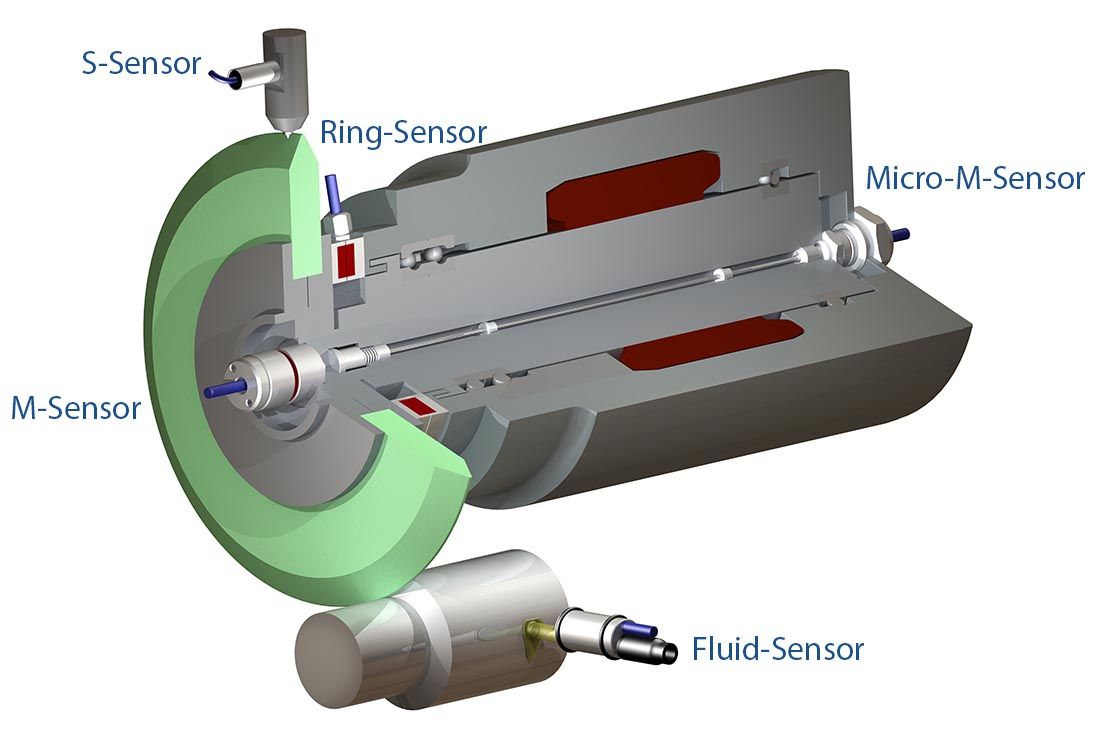
1.1.1 Micro-Electro-Mechanical Systems (MEMS) Microphones and Exterior Transducers
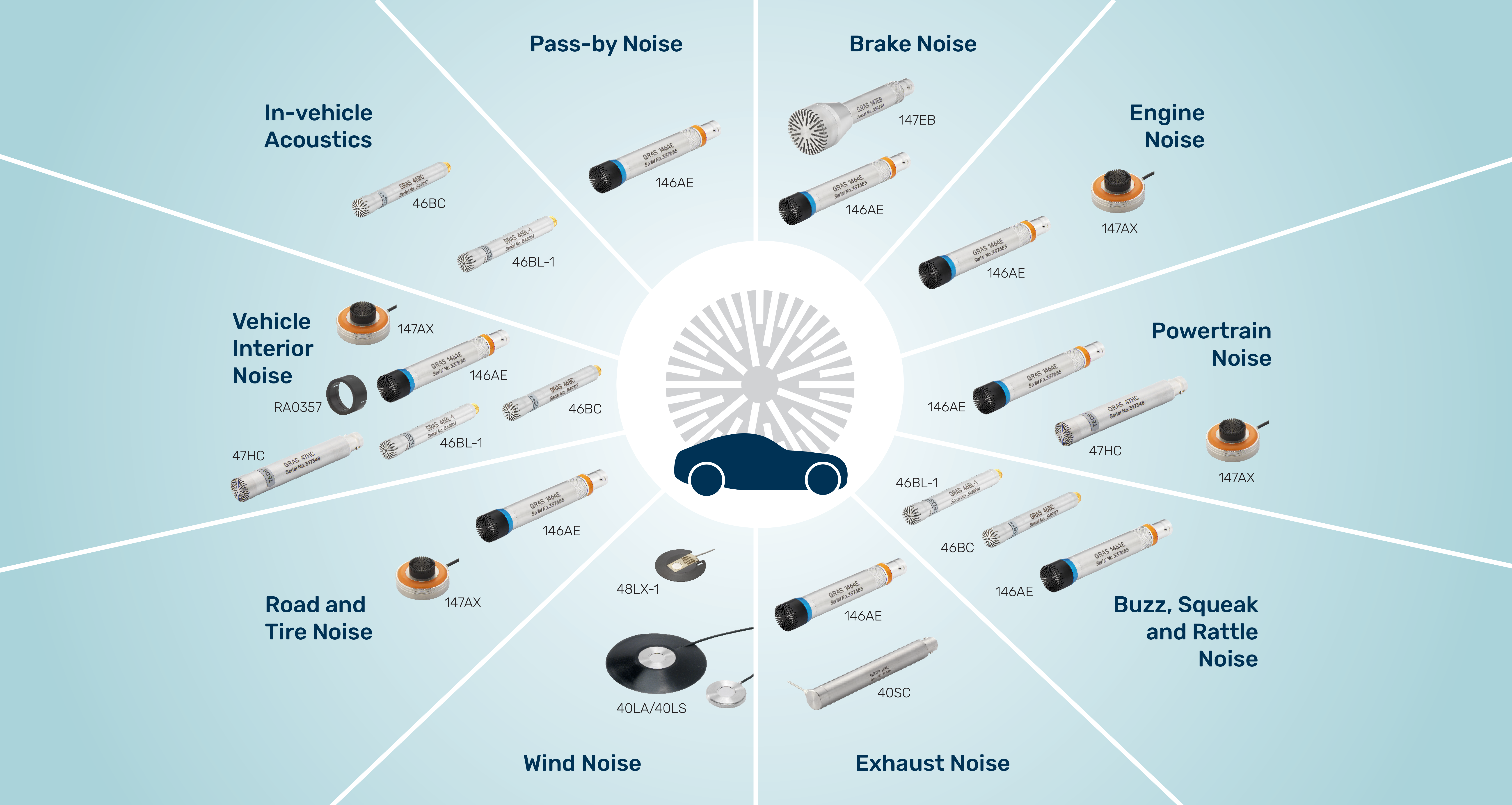
The backbone of modern acoustic monitoring lies in the deployment of high-sensitivity MEMS microphones. Unlike traditional electret microphones, MEMS technology offers superior thermal stability and miniaturized footprints, allowing engineers to embed sensors directly into chassis panels, wheel wells, and exhaust proximity zones. These exterior transducers act as the ears of the vehicle, capturing raw acoustic data across a wide frequency spectrum. By placing these sensors strategically, manufacturers can isolate mechanical vibrations from ambient road noise, providing a precise, real-time map of the vehicle’s sound signature.
1.1.2 High-Fidelity Signal Processing Units and Algorithm Integration
Raw acoustic data is only as valuable as the processing power behind it. Modern signal processing units utilize sophisticated digital signal processing (DSP) chips that analyze input from MEMS arrays in milliseconds. These systems run complex algorithms designed to categorize sounds—differentiating between the harmonic signature of a healthy combustion cycle and the erratic frequency spikes associated with component failure. This integration is critical for meeting automotive exhaust noise regulation trends, as it allows vehicles to monitor their own decibel output in real-time, ensuring compliance even as components age or wear.
1.1.3 Vibration-Dampening Materials and Acoustic Lamination Techniques
Hardware isn’t limited to digital monitoring; physical sound management is equally vital. Advanced acoustic lamination techniques involve layering viscoelastic materials between metal panels to absorb structure-borne noise. When combined with smart sensors, these materials can be tuned to dampen specific resonant frequencies, effectively quieting the cabin without significantly increasing vehicle weight. This passive layer creates the necessary baseline of silence, allowing active monitoring systems to operate with higher accuracy and less background interference.
1.2 Active Sound Management Systems
1.2.1 Active Noise Cancellation (ANC) for Cabin Serenity
Active Noise Cancellation (ANC) has evolved from a luxury feature to a standard tool for acoustic comfort. By generating an anti-phase sound wave through the vehicle’s audio speakers, the system effectively cancels out low-frequency engine and tire drone. This creates a “silent” cabin environment, which not only improves passenger comfort but also lowers the threshold required for high-fidelity audio systems to perform optimally.
1.2.2 Engine Order Cancellation and Road Noise Mitigation
Engine order cancellation is a specialized branch of ANC that targets specific frequencies tied to the engine’s RPM. By syncopating the anti-noise signals with the engine’s firing order, the system can neutralize intrusive harmonic vibrations at their source. Simultaneously, road noise mitigation systems process input from sensors near the suspension and tires to counteract the specific frequencies generated by tire-to-pavement contact, regardless of surface texture.
1.2.3 Creating Personalized Acoustic Zones for Passenger Comfort
Advanced acoustic engineering now allows for localized sound fields within the vehicle. By using directional speakers integrated into headrests and ceiling panels, passengers can experience different audio environments. This technology allows for personalized comfort, where one occupant can enjoy isolation from traffic noise while another listens to media, all managed by the central acoustic monitoring network to ensure overlapping waves do not negate the desired effects.
1.3 Challenges in Balancing Silence and Auditory Feedback
1.3.1 Filtering Environmental Wind Noise vs. Critical Mechanical Hazards
One of the primary engineering challenges is the signal-to-noise ratio in high-speed scenarios. As vehicle speeds increase, wind noise becomes a dominant acoustic factor that can mask the faint signatures of mechanical issues, such as a failing bearing or a loose heat shield. Developing algorithms capable of filtering out wide-band wind turbulence while identifying narrow-band mechanical warnings remains a high priority for automotive engineers.
1.3.2 Ensuring Emergency Siren Detection in Sound-Isolated Cabins
As vehicles become increasingly insulated, there is a risk of isolating drivers from essential external cues. Advanced monitoring technology must include “siren detection” modules that prioritize specific frequency ranges associated with emergency vehicles. When detected, the system can temporarily reduce the intensity of ANC or alert the driver via visual or haptic feedback, ensuring that the push for cabin serenity does not compromise public safety or regulatory requirements.
2. Safety Regulations and Future Innovations in Automotive Acoustic Systems

2.1 Enhancing Pedestrian Safety and Regulatory Compliance
As the automotive landscape shifts toward electrification, the reliance on mechanical noise for pedestrian awareness is rapidly disappearing. This transition necessitates the adoption of advanced acoustic monitoring technology in modern vehicles to ensure that quiet, low-emission engines do not pose a hidden threat to vulnerable road users.
2.1.1 The Role of Acoustic Vehicle Alerting Systems (AVAS) in Electric Vehicles
Acoustic Vehicle Alerting Systems (AVAS) have become a standard requirement for electric and hybrid vehicles traveling at low speeds. These systems generate synthesized sound profiles that mimic traditional engine noise to alert pedestrians of a vehicle’s approach. By integrating exterior-facing transducers, manufacturers can now project sound with precision, ensuring that the warning signal is perceptible without contributing to overall urban noise pollution.
2.1.2 Meeting Global Standards for Blind and Visually Impaired Pedestrian Protection
Regulatory bodies worldwide have established rigorous mandates for sound levels and frequency ranges to protect the visually impaired. Engineers must balance these requirements with the need for a pleasant cabin environment. This involves sophisticated tuning to ensure that while the exterior sound effectively alerts those nearby, it does not create a nuisance for the driver or passengers inside the cabin.
2.1.3 The Evolution from Static Warning Sounds to Adaptive Frequency Alerts
Modern innovation is moving away from static, repetitive sounds toward adaptive frequency alerts. These systems utilize real-time data to adjust the pitch, volume, and modulation of the alert based on vehicle speed, ambient traffic noise, and the proximity of detected pedestrians. This dynamic approach ensures that the vehicle remains audible in busy city environments while minimizing unnecessary sound during quiet residential hours.
2.2 The Next Frontier of Predictive Acoustic Intelligence
The integration of artificial intelligence with acoustic sensors is transforming how vehicles interact with their surroundings, moving beyond simple noise management into the realm of predictive safety.
2.2.1 AI-Driven Environmental Awareness for Collision Avoidance
Advanced acoustic sensors now function as a secondary perception layer, working alongside cameras and LiDAR. By identifying the specific acoustic signatures of sirens, honking, or even the sound of sliding tires, the vehicle’s AI can proactively prepare braking systems or suggest evasive maneuvers, enhancing overall situational awareness. Understanding how these systems integrate with broader automotive exhaust noise regulation trends is vital for manufacturers navigating the intersection of safety and compliance.
2.2.2 Acoustic Pattern Recognition for Autonomous Parking and Navigation
In autonomous driving, acoustic pattern recognition serves as a vital tool for environmental mapping. By analyzing the sound reflections within a parking structure or a narrow alleyway, the vehicle can verify obstacles that might be visually obstructed. This acoustic echo-location helps in precise navigation and obstacle avoidance where visual sensors might struggle due to lighting or environmental conditions.
2.2.3 Predictive Analytics for Real-Time Mechanical Fault Detection
Acoustic monitoring is increasingly being used for predictive maintenance. By constantly “listening” to the engine, transmission, and suspension systems, onboard algorithms can detect subtle shifts in harmonic vibrations that indicate wear or impending mechanical failure. This allows for proactive repairs before a fault causes a safety issue on the road, effectively turning the vehicle’s acoustic system into a diagnostic tool that preserves both performance and reliability.
The integration of advanced acoustic monitoring technology in modern vehicles marks a significant pivot in how manufacturers and regulators address the intersection of performance, safety, and environmental responsibility. As we have explored, the evolution from basic sound dampening to sophisticated, AI-driven active management systems is not merely a luxury feature; it is a vital component of meeting modern noise pollution standards and enhancing the overall passenger experience. By leveraging MEMS sensors and real-time algorithmic processing, today’s vehicles can balance the desire for auditory feedback with the necessity of cabin silence and external safety compliance.
As the industry continues to evolve, staying informed about the future of ICE vehicle sound regulations will be essential for enthusiasts, manufacturers, and aftermarket providers alike. The shift toward predictive acoustic intelligence and adaptive warning sounds ensures that the vehicles of tomorrow will be quieter and safer, even as they retain the mechanical character that enthusiasts value. For those navigating the complexities of modifications, understanding these technological trends is the best way to ensure long-term compliance and performance. We encourage you to keep a close watch on these regulatory landscapes, as the transition toward smarter, sound-aware automotive design is only beginning to reshape our daily driving experience.
The post Advanced Acoustic Monitoring Technology in Modern Vehicles appeared first on JASMA.
]]>The post Future of Internal Combustion Engine Sound Regulation: 2024 appeared first on JASMA.
]]>For decades, the visceral roar of an internal combustion engine has been synonymous with automotive passion, defining the character and soul of performance vehicles. However, as urban centers expand and the push for quieter, more sustainable environments intensifies, the future of internal combustion engine sound regulation is undergoing a fundamental transformation. Regulatory bodies are no longer solely focused on emissions; they are increasingly targeting acoustic footprints, placing enthusiasts and manufacturers in a complex tug-of-war between sonic heritage and strict new noise pollution mandates.
In this guide, we explore how global legislative shifts are reshaping the landscape for vehicle manufacturers and the aftermarket community. You will learn how modern decibel monitoring technologies are influencing vehicle design, the role of synthetic sound in the transition toward electrification, and how to navigate the evolving requirements for performance exhaust systems. Understanding these trends is essential for anyone looking to balance high-performance engineering with the realities of modern impact of noise pollution laws on aftermarket exhaust compliance in an increasingly quiet-first world.

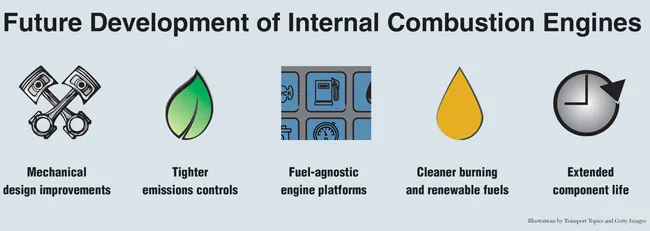
The landscape of automotive sound is clearly shifting, moving away from the unbridled acoustic freedom of the past toward a future defined by precision and social responsibility. As we navigate the future of internal combustion engine sound regulation, it is evident that the automotive enthusiast community must find a balance between preserving the visceral heritage of engine notes and respecting the growing demand for urban acoustic comfort. While the rise of electric vehicles continues to push the industry toward synthetic sound profiles, there remains a dedicated space for regulated, performance-oriented combustion engines supported by advancements in e-fuel technology and active exhaust systems.
For those looking to remain compliant while still enjoying their vehicle’s performance, staying informed on the latest standards is more important than ever. Understanding the broader context of these legislative changes is key to protecting your ability to modify your vehicle legally. You can learn more about how these developments are shaping the global market by reviewing our comprehensive guide on automotive exhaust noise regulation trends and compliance. Ultimately, the future of the internal combustion engine is not about silence, but about intelligent, sustainable acoustic design that ensures automotive passion can coexist with modern environmental and noise-pollution standards.
The post Future of Internal Combustion Engine Sound Regulation: 2024 appeared first on JASMA.
]]>The post Sustainability Metrics in Exhaust Manufacturing: A Guide appeared first on JASMA.
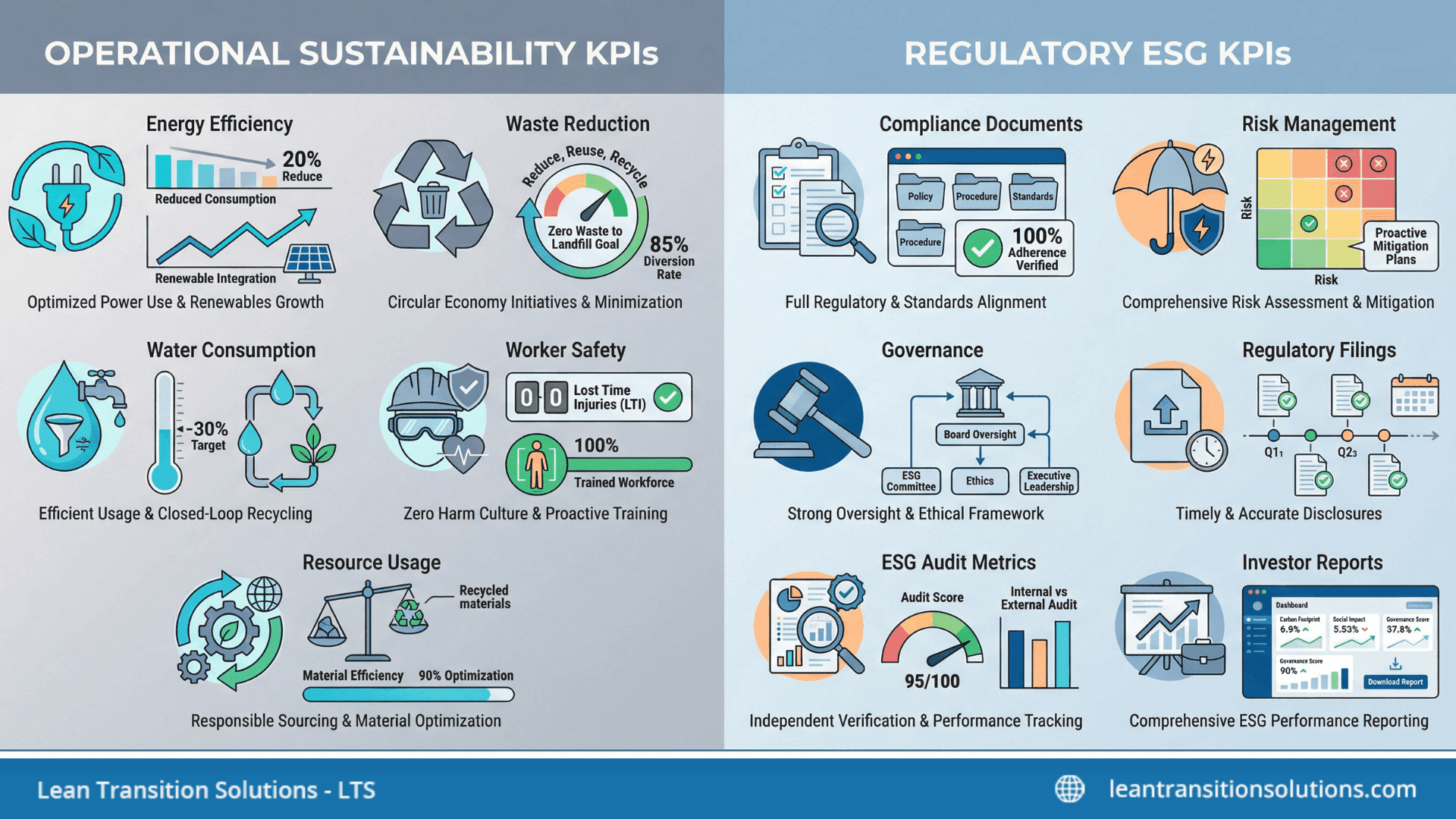
]]>For decades, the automotive exhaust industry has been defined by power, flow, and durability. However, the modern manufacturing landscape is shifting rapidly as stakeholders demand greater accountability regarding environmental impact. Today, sustainability metrics in exhaust manufacturing are becoming as critical as traditional performance benchmarks like backpressure or material fatigue. From the initial sourcing of raw alloys to the final assembly of complex exhaust systems, manufacturers are now tasked with quantifying their ecological footprint with unprecedented precision.
This guide explores the essential frameworks for measuring and reducing the environmental impact of exhaust fabrication. Whether you are navigating the complexities of the impact of decarbonization on exhaust manufacturing or seeking to modernize your facility’s energy efficiency, we provide a roadmap for integrating sustainable practices into your production cycle. You will learn how to leverage data-driven KPIs, optimize material circularity, and maintain high performance while meeting the evolving regulatory standards that shape our industry’s future.
1. Measuring and Analyzing Sustainability Metrics in Exhaust Manufacturing
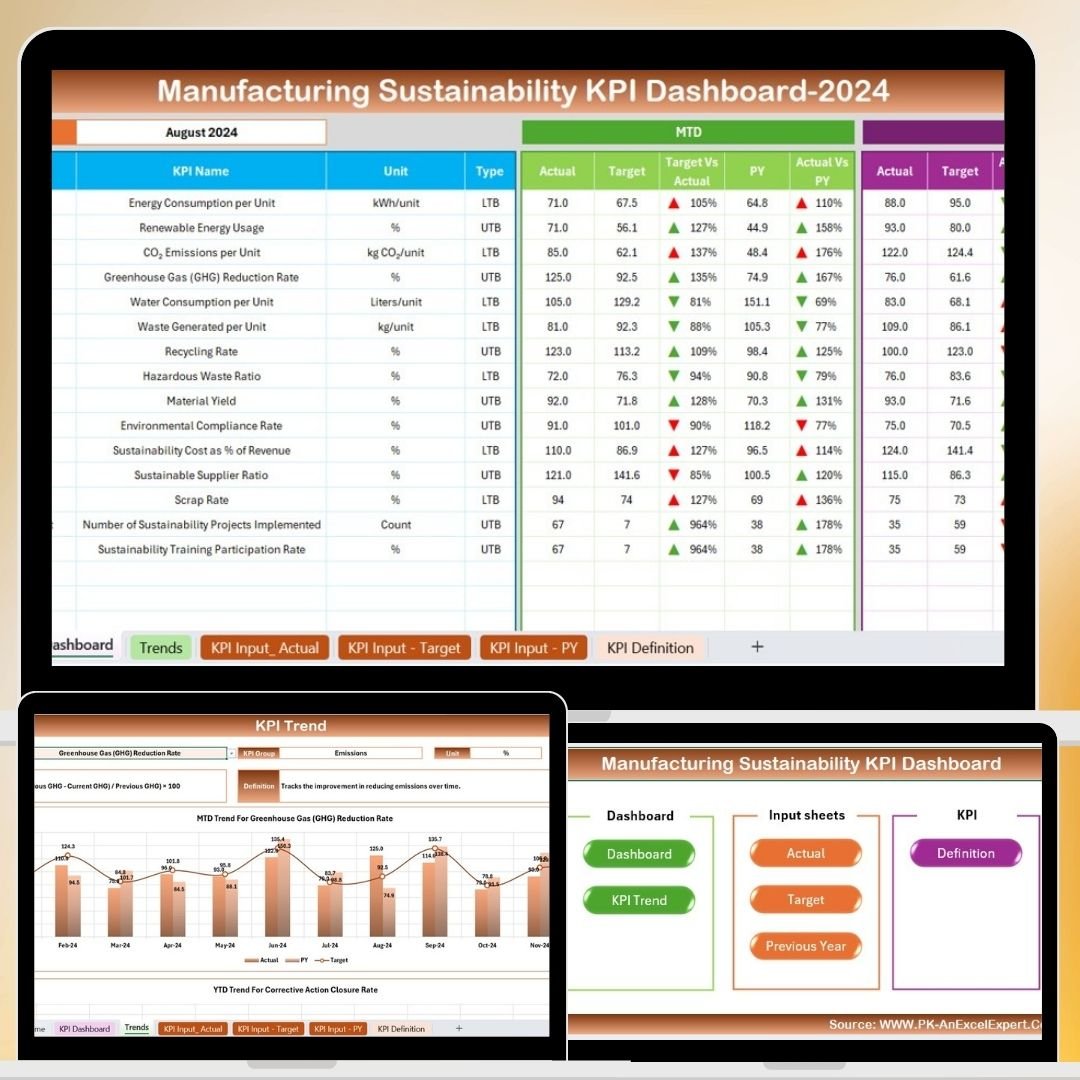
To effectively transition toward greener operations, manufacturers must move beyond vague environmental goals and adopt rigorous, data-driven sustainability metrics in exhaust manufacturing. By quantifying the environmental impact of every stage—from raw material extraction to the final assembly of performance systems—companies can identify critical areas for waste reduction and energy optimization. This systematic approach allows for a transparent assessment of how industrial metal processing influences the overall carbon footprint.
1.1 Key Performance Indicators for Industrial Metal Processing
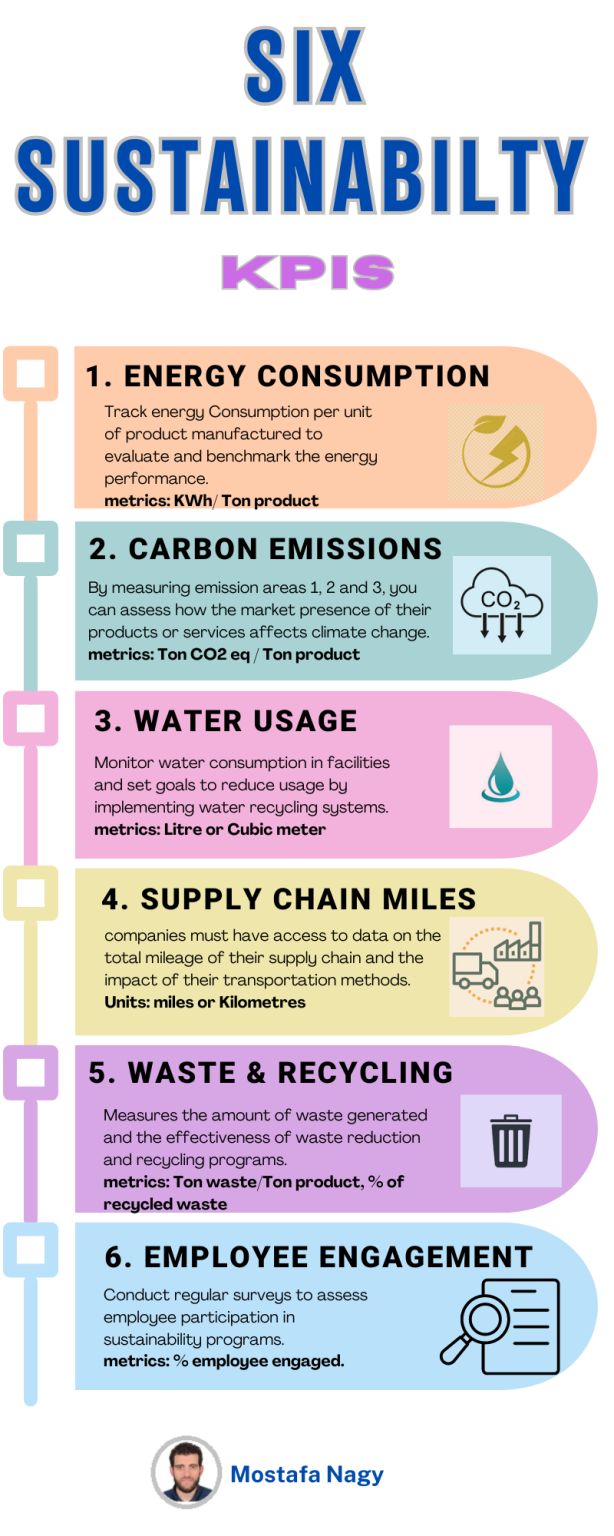
1.1.1 Calculating Carbon Footprint Across Scope 1, 2, and 3 Emissions
Understanding a facility’s total carbon footprint requires a comprehensive look at three distinct emission categories. Scope 1 encompasses direct emissions from on-site manufacturing activities, such as fuel combustion in furnaces. Scope 2 accounts for indirect emissions from purchased electricity used to power heavy machinery. Scope 3, often the most complex to track, includes indirect emissions from the supply chain, such as the logistics involved in procuring raw alloys. For a deeper look at how these factors scale across the industry, refer to our analysis on the carbon footprint analysis of automotive exhaust production.
1.1.2 Tracking Energy Intensity per Unit Produced in Welding and Forming
Energy intensity is a vital metric that measures the energy consumed to manufacture a single exhaust component. Welding and mandrel bending are energy-intensive processes; by tracking kilowatt-hours (kWh) per unit, manufacturers can pinpoint inefficiencies in equipment calibration or shift scheduling. Lowering energy intensity not only reduces overhead costs but also directly mitigates the environmental impact of the production line.
1.1.3 Evaluating Material Circularity and Recycled Content Ratios
Material selection is central to sustainability. Measuring the ratio of recycled stainless steel or titanium versus virgin material provides a clear indicator of circularity. High-performance aftermarket exhaust systems often rely on specialized alloys; tracking the percentage of recycled content ensures that durability is maintained without relying solely on raw resource extraction.
1.2 Establishing Robust Data Collection Frameworks
1.2.1 Utilizing IoT Sensors for Real-Time Resource Monitoring
The integration of Internet of Things (IoT) sensors on the factory floor allows for granular, real-time tracking of resource usage. These sensors can monitor power fluctuations during peak welding cycles or detect compressed air leaks, providing actionable data that manual reporting often misses. This visibility is essential for maintaining consistent sustainability benchmarks.
1.2.2 Integrating ERP Software with Environmental Management Systems
Enterprise Resource Planning (ERP) software, when linked with Environmental Management Systems (EMS), creates a centralized hub for sustainability data. This integration allows production managers to correlate manufacturing throughput with environmental performance indicators. By automating data collection, firms can generate accurate reports for stakeholders and regulatory bodies while maintaining lean operational standards.
1.3 Validating Environmental Claims with Life Cycle Assessments
1.3.1 Cradle-to-Grave Analysis of Stainless Steel and Titanium Exhausts
A Life Cycle Assessment (LCA) provides a scientific basis for environmental claims by evaluating the product from raw material acquisition (cradle) to end-of-life disposal or recycling (grave). Comparing the environmental load of stainless steel versus lightweight titanium allows designers to make informed choices that balance performance needs with long-term ecological impact.
1.3.2 Standards and Compliance Benchmarks like ISO 14001 and GRI
Adhering to internationally recognized frameworks such as ISO 14001 ensures that a manufacturer’s environmental management system meets global expectations. Complementing this with Global Reporting Initiative (GRI) standards helps standardize the communication of sustainability data. These benchmarks are essential for manufacturers aiming to demonstrate leadership in a market increasingly sensitive to corporate environmental responsibility.
2. Strategic Implementation and Future Trends in Sustainable Exhaust Production
2.1 Operational Strategies to Improve Environmental Performance
Achieving sustainability in exhaust manufacturing requires a shift from reactive compliance to proactive operational excellence. Manufacturers are increasingly recognizing that the impact of decarbonization on exhaust manufacturing goes beyond simple emission reduction; it requires a fundamental rethink of how components are sourced, fabricated, and finished.
2.1.1 Optimizing Supply Chains Through Local Alloy Procurement
Reducing the logistics footprint is one of the most effective ways to lower Scope 3 emissions. By prioritizing local alloy procurement, manufacturers can significantly cut the carbon costs associated with long-haul shipping. Furthermore, regional sourcing allows for tighter integration with suppliers who adhere to transparent environmental reporting standards, ensuring that raw material inputs align with broader sustainability metrics.
2.1.2 Adopting Lean Manufacturing to Reduce Machine Idle Time
Lean methodologies are inherently sustainable. By optimizing production workflows to reduce machine idle time, plants can drastically lower their energy intensity per unit. This approach minimizes the wasted energy typically consumed during standby cycles and shortens production lead times, leading to a leaner, more efficient factory floor that consumes fewer resources per fabricated exhaust component.
2.1.3 Transitioning to Green Technologies Including Laser Welding and Electric Heating
Traditional welding processes are energy-intensive and often result in significant material waste. Transitioning to precision laser welding allows for cleaner, more accurate joins that require less filler material and reduce the heat-affected zone. Paired with electric heating technologies for metal forming, these upgrades move manufacturing away from fossil-fuel-reliant machinery, aligning production lines with carbon-neutral goals.
2.2 Navigating Regulatory Pressures and Industry Challenges
The path toward sustainable production is rarely straightforward, as manufacturers must maintain peak performance while adhering to evolving environmental mandates. Balancing these technical demands with financial constraints is the primary challenge facing the modern aftermarket sector.
2.2.1 Balancing High-Performance Automotive Standards with Eco-Friendly Design
There is a persistent misconception that sustainability compromises performance. However, modern engineering proves otherwise. Manufacturers are successfully integrating eco-friendly design principles—such as optimizing gas flow and reducing mass—without sacrificing the performance characteristics enthusiasts demand. The goal is to maintain competitive power outputs while ensuring the final product meets strict noise and emission standards.
2.2.2 Overcoming Financial Barriers for Legacy Infrastructure Upgrades
For many legacy manufacturers, the upfront cost of transitioning to sustainable technology is a significant hurdle. However, the long-term operational savings, combined with the increasing necessity of compliance, often justify the transition. Many firms are utilizing phased implementation strategies, upgrading individual workstations to high-efficiency models before scaling these systems across the entire facility.
2.3 Emerging Innovations in Sustainable Fabrication
Innovation is the final frontier in reducing the life-cycle impact of exhaust systems. By rethinking material usage and treatment processes, the industry is creating systems that are not only cleaner to produce but also more efficient for the vehicle throughout its service life.
2.3.1 Developing Lightweight Materials to Improve Vehicle Fuel Efficiency
Material science is leading the charge in sustainable fabrication. By developing advanced, lightweight alloys, manufacturers are reducing the overall vehicle mass, which directly translates to improved fuel efficiency and lower tailpipe emissions for the end consumer. These materials are engineered for durability, ensuring that the exhaust lasts longer and reduces the need for frequent replacements.
2.3.2 Advancing Chemical-Free Surface Treatments and Cleaning Processes
Traditional surface finishing often involves harsh chemical baths that pose environmental risks. The shift toward mechanical, chemical-free surface treatments—such as specialized vibratory finishing or advanced dry-blasting techniques—eliminates hazardous waste streams while still achieving the high-quality finish and corrosion resistance required for automotive applications.
2.3.3 Leveraging Predictive Maintenance to Minimize Resource Waste
Predictive maintenance uses IoT-driven data analytics to monitor equipment health, ensuring that machinery runs at peak efficiency. By identifying potential failures before they occur, manufacturers avoid the energy spikes and scrap metal waste associated with equipment malfunctions, keeping production lines consistently aligned with sustainability benchmarks.
Transitioning toward sustainable manufacturing is no longer an optional strategy; it is a fundamental shift required to remain competitive in the evolving automotive landscape. By prioritizing sustainability metrics in exhaust manufacturing, companies can effectively balance high-performance engineering with the urgent need for environmental accountability. From tracking scope-based carbon emissions to optimizing material circularity, the integration of data-driven frameworks allows manufacturers to validate their green claims with precision. As the industry faces stricter regulatory pressures, adopting these metrics helps organizations navigate the complexity of balancing eco-friendly design with the power and durability expectations of modern vehicle owners.
Ultimately, long-term success hinges on your ability to combine technological innovation with disciplined resource management. Whether it is through localizing your alloy procurement or investing in advanced laser welding to minimize energy waste, every small adjustment contributes to a more sustainable future. For manufacturers, understanding how to align these production goals with broader impact of decarbonization on exhaust manufacturing is essential for staying ahead of the curve. By embracing these practices today, you ensure that your brand remains a trusted leader in a market that increasingly values both performance and planetary stewardship.
The post Sustainability Metrics in Exhaust Manufacturing: A Guide appeared first on JASMA.
]]>The post Global Automotive Exhaust Noise Legislation Trends Explained appeared first on JASMA.
]]>For automotive enthusiasts and performance tuning shops, the landscape of vehicle modification is shifting beneath our feet. Global automotive exhaust noise legislation trends are rapidly evolving as urban centers prioritize acoustic comfort and environmental sustainability. From tightening decibel caps in the European Union to the increasing prevalence of remote noise-sensing technology in North American cities, the traditional freedom to modify exhaust systems is being met with a new, standardized reality. Understanding these changes is no longer just a regulatory burden; it is a vital part of maintaining vehicle legality and ensuring long-term compliance in an increasingly monitored environment.
In this guide, we break down the complex web of international sound regulations and explore how they affect everything from high-performance aftermarket systems to the global automotive noise pollution legislation currently influencing manufacturing standards. You will learn how shifting policies impact your ability to modify exhaust systems, what the future holds for internal combustion engine sound, and how to navigate the technical requirements for staying road-legal without sacrificing performance.

2. Navigating Compliance and Future Trajectories in Global Automotive Exhaust Noise Legislation Trends
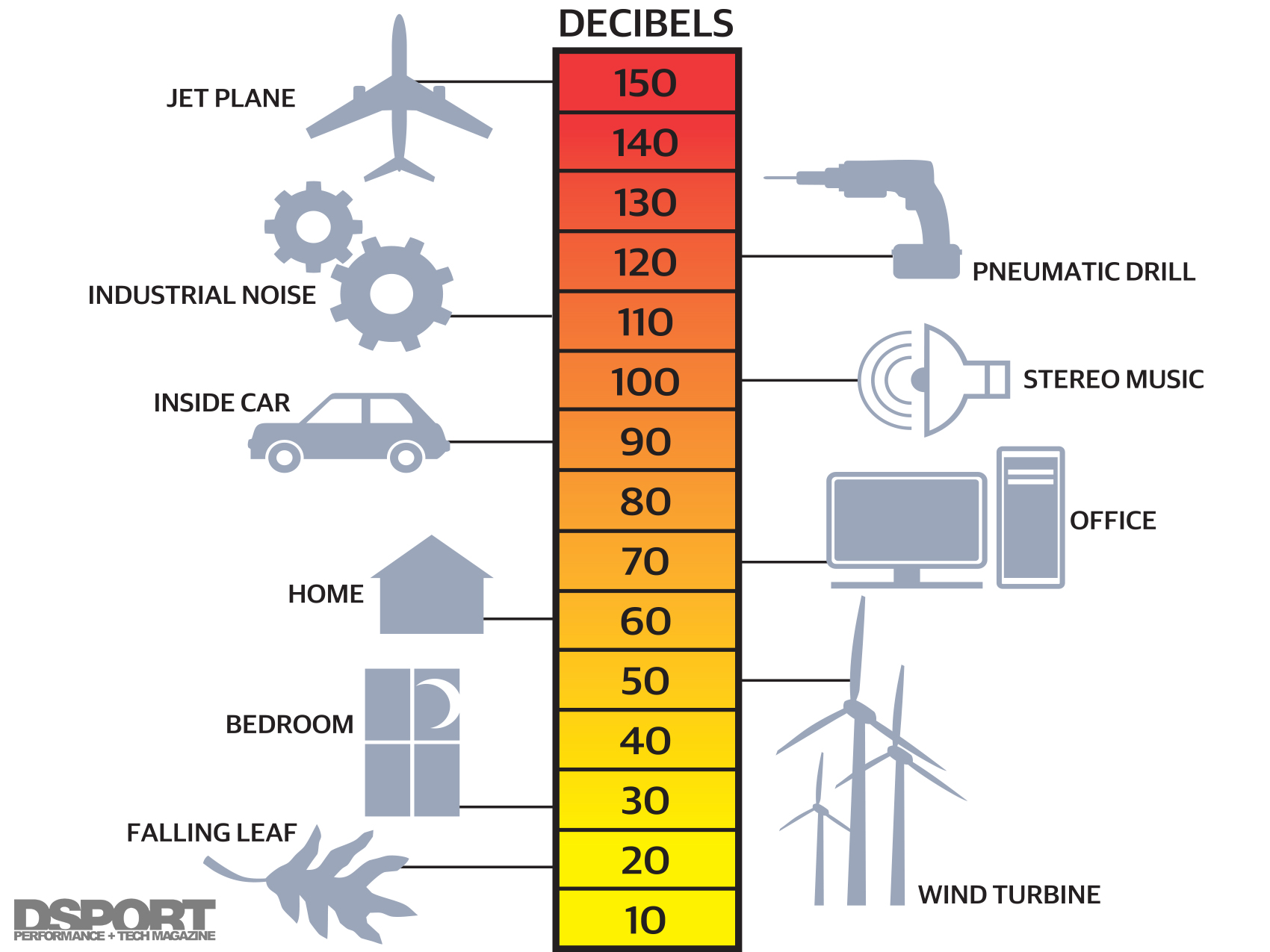
2.1 Challenges for Aftermarket Modifications and Enthusiast Culture
The enthusiast community is currently facing a significant pivot in how vehicle modifications are perceived by regulatory bodies. As urban centers prioritize noise reduction to improve quality of life, the impact of noise pollution laws on aftermarket exhaust systems has transitioned from a mere nuisance to a major focal point for law enforcement. Many enthusiasts find themselves caught between the desire for enhanced engine performance and increasingly stringent local ordinances that target modified exhaust notes.
Automated enforcement is rapidly changing the landscape. Cities are now deploying smart cameras and remote sensing technology designed to identify and flag vehicles exceeding specific decibel thresholds in real-time. This technology removes the subjectivity previously inherent in roadside noise citations, making it harder for drivers to contest fines based on individual officer discretion. For the automotive workshop, this means that traditional performance tuning must now account for acoustic output as heavily as horsepower gains.
To remain compliant, enthusiasts and professionals should look toward recognized benchmarks for quality. When selecting components, prioritize systems engineered to meet established industry standards. Adhering to SAE J1492 compliant components provides a verifiable layer of safety, ensuring that the exhaust design is rooted in standardized sound testing rather than guesswork. This proactive approach helps bridge the gap between maintaining high-performance characteristics and respecting the legal limits imposed by evolving regional noise policies.
2.2 Technological Innovations in Sound Control and Policy Directions
The future of exhaust engineering is moving away from purely mechanical restriction toward sophisticated sound management. Predictive modeling and artificial intelligence are becoming essential tools for manufacturers, allowing them to simulate acoustic resonance before a physical system is even produced. These technologies enable engineers to fine-tune muffler internals to minimize drone while maintaining flow, helping vehicles stay within regulatory brackets without sacrificing the engine’s character.
Infrastructure development is also evolving. The rise of quiet zone initiatives—where noise-sensitive areas are monitored for maximum acoustic impact—is forcing manufacturers to design more versatile exhaust systems. Future ICE vehicles may require adaptive valve technologies that restrict sound levels in residential or urban zones while allowing for a more open profile on the open road. As we look at the long-term policy outlook for internal combustion engines, it is clear that silence is becoming a premium performance metric.
2.3 Frequently Asked Questions Regarding Exhaust Noise Compliance
Understanding the nuances of exhaust regulations is vital for any vehicle owner or custom shop. Below are answers to the most common questions surrounding noise compliance today:
- Determining Legal Decibel Thresholds for Passenger Vehicles: Legal limits vary by jurisdiction, but most follow a pass-by test methodology. Always check your local Department of Transportation or regional vehicle authority for specific decibel caps measured at specific engine RPMs.
- Addressing Common Concerns About Aftermarket Exhaust System Legality: An aftermarket system is generally legal if it complies with the emission and noise standards of the vehicle’s model year. If the system increases noise beyond the certified stock level, it may be deemed non-compliant during a mandatory inspection.
- Understanding the Future of Enforcement for Traditional ICE Vehicles: Enforcement is trending toward automated, sensor-based systems. Owners should expect more rigorous roadside checks and the potential for digital monitoring of exhaust noise as smart city infrastructure continues to expand globally.
As the automotive industry pivots toward electrification and stricter environmental policies, global automotive exhaust noise legislation trends are reshaping how both manufacturers and enthusiasts approach vehicle sound. We have moved from a landscape defined primarily by performance benchmarks to one governed by complex, internationally harmonized decibel caps, real-world driving cycles, and the inevitable rise of smart, automated enforcement. While the future of the internal combustion engine faces increasing scrutiny, the enthusiast community can continue to thrive by prioritizing compliance and innovation.
Staying informed on these shifting regulations is no longer optional for workshops or performance-minded drivers. By understanding the nuances of sound-level testing and the importance of certified components, you can ensure your vehicle remains legal without sacrificing its character. Whether you are navigating regional variations in exhaust standards or upgrading your system, prioritizing verified, high-quality hardware is the best way to safeguard your driving experience. For those looking to deepen their knowledge, our global automotive noise pollution legislation impact guide offers further insights into how these evolving standards directly affect the aftermarket sector and your next build.
Ultimately, the goal is to balance the passion for automotive performance with the increasing societal demand for quieter urban environments. By adapting to these new standards now, the performance community can maintain its cultural relevance in a future that increasingly values acoustic accountability.
The post Global Automotive Exhaust Noise Legislation Trends Explained appeared first on JASMA.
]]>The post Automotive Exhaust Gas Velocity Optimization: A Pro Guide appeared first on JASMA.
]]>Achieving peak engine performance is rarely about simply installing the largest exhaust components you can find; instead, it requires a precise balance of fluid dynamics and timing. Automotive exhaust gas velocity optimization is the critical process of tuning your system to maintain the ideal speed of spent gases as they exit the combustion chamber. When optimized correctly, this speed promotes efficient cylinder scavenging, which draws in a fresh, dense air-fuel charge more effectively to boost power and torque. However, get the pipe diameters or routing wrong, and you risk losing that essential energy, leading to poor throttle response and an uneven power band.
In this guide, we will break down the complex relationship between pulse tuning, thermal management, and system architecture. Whether you are looking to refine your low-RPM torque for street driving or maximize top-end power for track use, understanding how to manage exhaust gas velocity vs torque mapping will help you build a more responsive, efficient, and powerful machine.
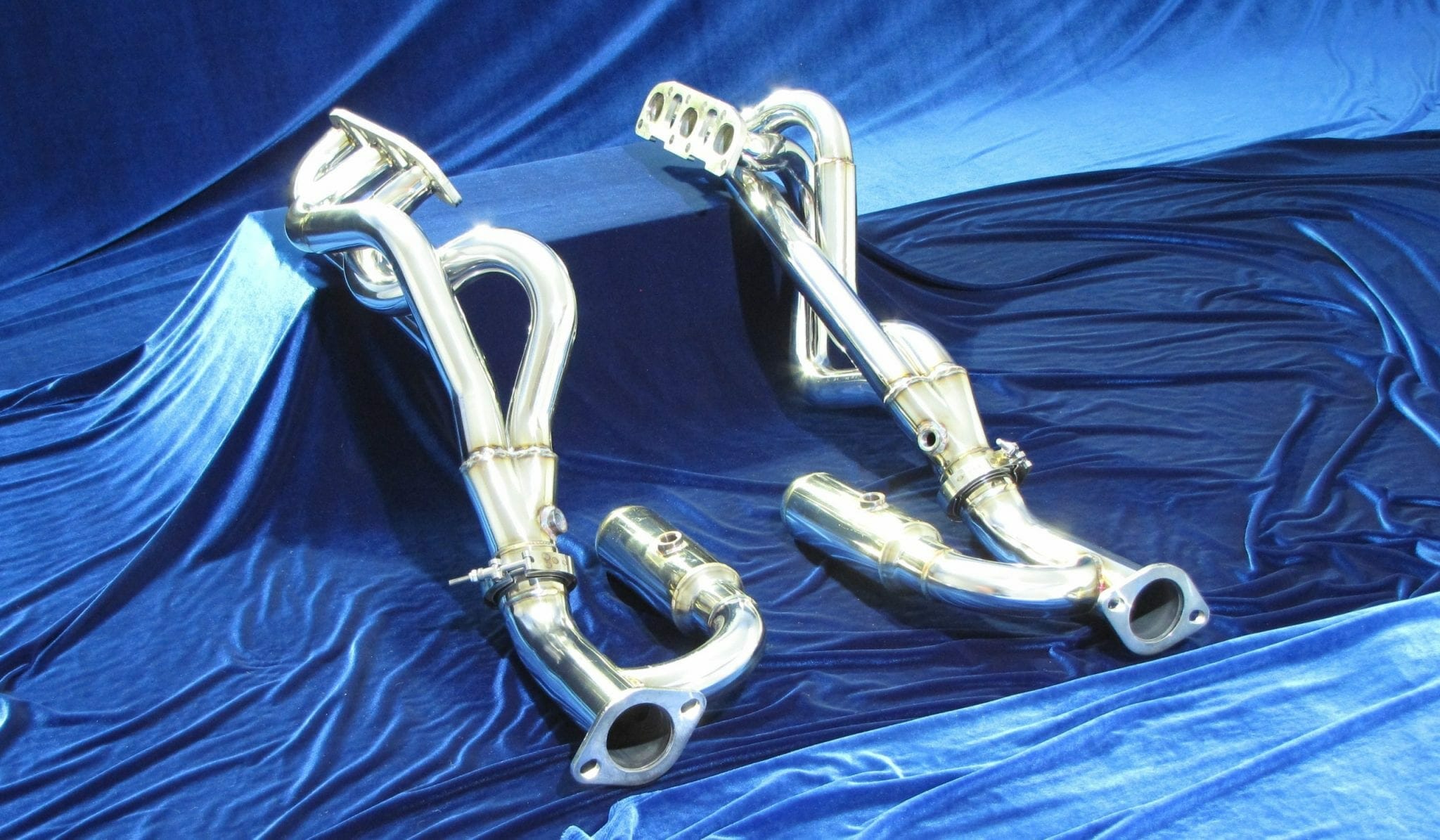
1. Engineering Principles of Automotive Exhaust Gas Velocity Optimization
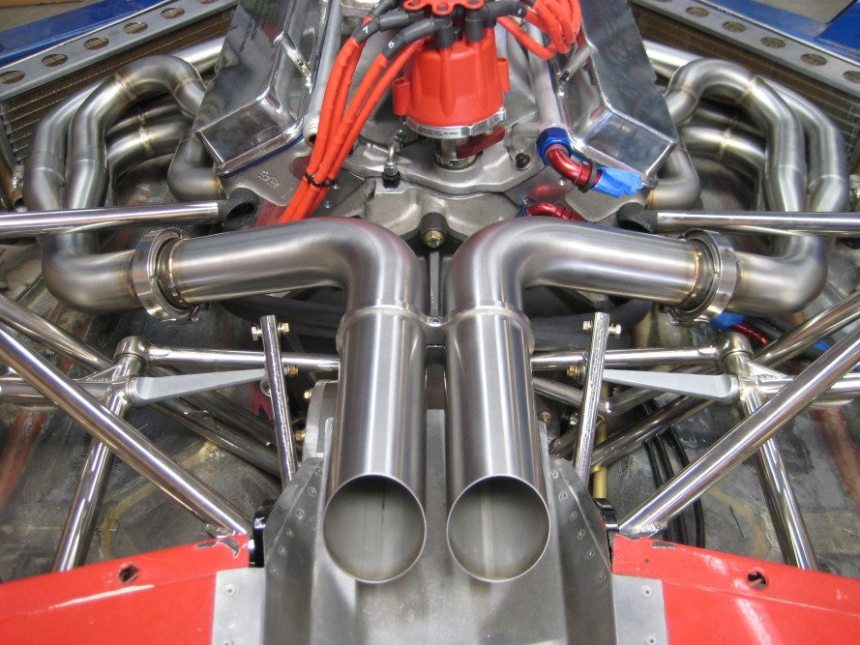
1.1 Fluid Dynamics and Flow Characteristics
1.1.1 Laminar versus Turbulent Flow in Exhaust Tubing
The primary goal of an efficient exhaust system is to maintain high-velocity flow while minimizing resistance. In an ideal scenario, the exhaust gas moves in a laminar fashion, where fluid particles travel in parallel layers with minimal mixing. However, automotive exhaust is inherently chaotic. As gases encounter bends, weld points, or diameter transitions, the flow becomes turbulent. This turbulence creates localized high-pressure zones that impede the exit speed of subsequent exhaust pulses. Engineers prioritize smooth, unobstructed internal paths to keep flow as close to laminar as possible, ensuring that the engine does not work harder than necessary to evacuate combustion byproducts.
1.1.2 The Role of Bernoulli Principle and Venturi Effects
The Bernoulli Principle states that as the speed of a fluid increases, its static pressure decreases. In exhaust design, this is leveraged through the Venturi effect. By carefully tapering sections of the piping, we can increase the velocity of the gas as it passes through a constriction. This drop in pressure can be utilized to help draw the next pulse of exhaust from the cylinder head, effectively pulling the gas out rather than simply relying on the piston’s upward stroke to push it. Properly calculated pipe geometry is essential here; if the diameter is too large, velocity drops and the Venturi effect vanishes, leading to stagnant gas.
1.1.3 Impact of Exhaust Temperature on Gas Density and Flow Rate
Exhaust temperature is a critical variable in velocity calculations. Heat keeps the exhaust gas energized and less dense. As gases cool, they contract, causing a significant loss in flow velocity. To maintain peak performance, thermal energy must be preserved within the tubing. This is why high-performance systems often utilize specialized materials or thermal coatings that act as insulation, keeping the gas hot and moving rapidly toward the tailpipe.
1.2 Pulse Tuning and Scavenging Mechanics
1.2.1 How Pressure Waves Facilitate Cylinder Evacuation
When an exhaust valve opens, a high-pressure pulse travels down the primary tube at the speed of sound. When this pulse reaches a change in pipe diameter, such as the collector, it reflects back toward the engine as a negative pressure wave. If the primary tube length is optimized, this negative wave arrives back at the exhaust valve exactly when it is open, creating a vacuum that “pulls” the remaining exhaust out of the cylinder. This is the heart of exhaust manifold pulse tuning, which allows for more efficient cylinder filling during the next intake stroke.
1.2.2 The Synergy Between Primary Tube Diameter and Harmonic Extraction
The diameter of the primary tubes dictates the speed at which the pressure pulse travels. If the diameter is too small, friction losses outweigh the benefits of velocity. Conversely, an oversized diameter causes the pressure wave to lose intensity and arrive too late to assist with scavenging. Achieving the perfect balance requires matching the pipe diameter to the engine’s specific RPM range, where the harmonic resonance of the tubing aligns with the engine’s firing frequency.
1.2.3 Collector Design and Its Influence on Pulse Synchronization
The collector acts as the junction where individual primary pulses meet. A high-quality collector is designed to manage the interference of these pulses so that they do not cancel each other out. By using a merge-style collector, designers can ensure that the transition is smooth, maintaining the kinetic energy of the individual pulses as they merge into the main exhaust system.
1.3 Material and Construction Considerations for Flow Efficiency
1.3.1 Comparing Mandrel-Bent versus Crush-Bent Tubing
The manufacturing method of the piping dictates its internal flow characteristics. Crush-bending—the cheaper, common method—often creates significant restriction at the bends, effectively reducing the diameter and creating a bottleneck. Mandrel-bending, however, maintains a constant internal diameter throughout the bend by using an internal support rod. For any performance-oriented application, mandrel-bent tubing is the gold standard for preserving velocity.
1.3.2 Surface Finish and Internal Coating Effects on Skin Friction
Internal skin friction plays a surprising role in high-RPM performance. Rough surfaces, such as those found inside standard factory piping or poor-quality welds, create a boundary layer of slower-moving gas. Many professional builders now use ceramic internal coatings or high-polished surfaces to reduce this friction, allowing the exhaust gas to slide through the system with minimal drag.
1.3.3 Thermal Management Strategies to Maintain Gas Velocity
Beyond just keeping the gases hot, managing the thermal expansion of the metal is vital. As the exhaust system reaches operating temperatures, the metal expands, which can alter the internal volume and pulse timing. Advanced thermal management, including external heat wraps or shielding, helps keep the system within a stable operating window, ensuring that the velocity tuning remains consistent across both cold starts and sustained high-load track usage.
2. Practical Application and Troubleshooting in Exhaust System Tuning
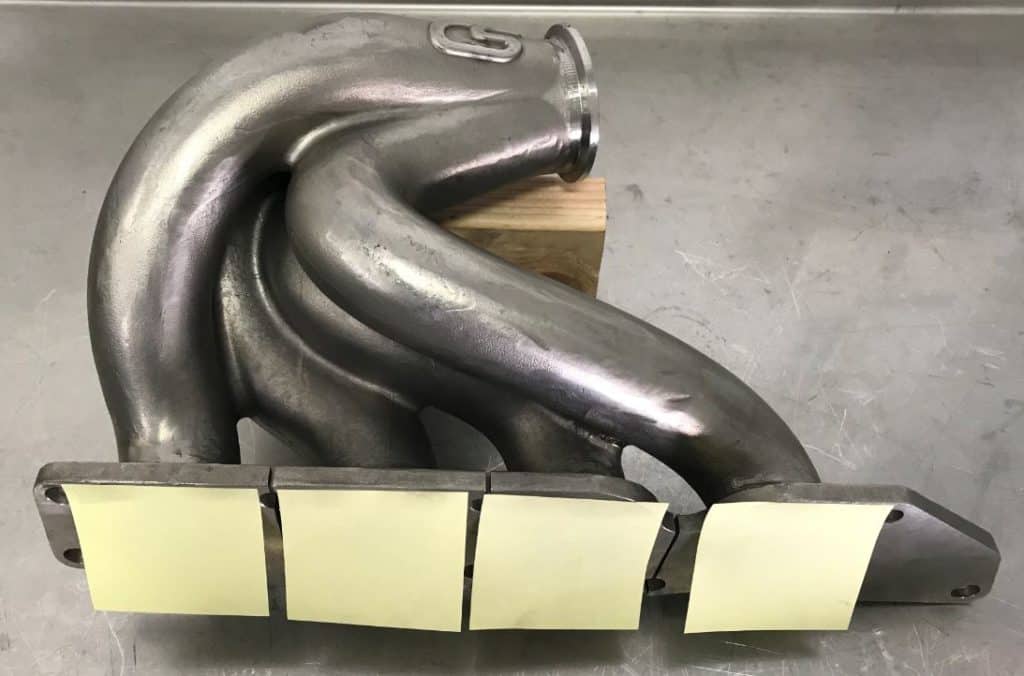
2.1 Matching Hardware to Engine Operating Profiles
Optimizing your system starts with understanding that there is no universal diameter that works for every engine. The goal is to maintain sufficient gas velocity to support efficient scavenging while ensuring the flow path is large enough to prevent unnecessary restriction at the engine’s peak power point.
2.1.1 Calculating Optimal Tube Dimensions for Low-RPM Torque
For street-driven engines, maximizing low-end torque is usually the priority. Smaller diameter primary tubes increase gas velocity, which enhances the inertial effects of the exhaust pulse. This higher velocity ensures that the pressure waves effectively pull the next charge of air and fuel into the cylinder during valve overlap. When selecting your piping, err on the side of a slightly smaller diameter to keep the “slug” of exhaust gas moving quickly at lower engine speeds.
2.1.2 High-RPM Power Optimization and Velocity Maintenance
As you move toward high-RPM applications, the volume of exhaust gas increases dramatically. If your piping is too restrictive, backpressure will rise, forcing the engine to work harder to push gases out, effectively choking your power output. At this stage, you must balance the need for high-velocity pulses with the sheer capacity required to move a higher volume of air. Using [url=https://jasma.org/exhaust-gas-velocity-vs-torque-mapping-optimizing-flow.html]exhaust gas velocity vs torque mapping[/url] can provide the data necessary to find the “sweet spot” where your engine breathes freely without losing the scavenging benefits of a well-tuned system.
2.1.3 Avoiding the Excessive Diameter Syndrome
A common mistake enthusiasts make is installing the largest exhaust piping available. While a massive diameter may seem like the best path to performance, it often backfires. Excessive diameter causes the exhaust gases to lose heat and velocity rapidly. As velocity drops, the scavenging effect disappears, and the exhaust pulses become lazy and disorganized, leading to a noticeable loss in throttle response and low-end torque.
2.1.4 Balancing Backpressure Requirements for Specific Engine Types
Naturally aspirated engines rely heavily on precision-tuned headers to create a vacuum effect at the exhaust valve. Conversely, forced induction engines operate under different principles; for these platforms, minimizing restrictions is often more beneficial than chasing specific pulse-tuning harmonics. Understanding how different engines respond to pressure changes is vital to choosing the right diameter for your specific setup.
2.2 Diagnostics and Advanced System Integration
Moving beyond basic hardware selection, modern tuning requires a methodical approach to identifying bottlenecks and ensuring the entire system works in harmony with the engine management suite.
2.2.1 Using Computational Fluid Dynamics for Prototyping
Engineers use Computational Fluid Dynamics (CFD) to visualize how gases travel through bends and collectors. For the average builder, this means prioritizing smooth, consistent transitions and avoiding sharp angles that create turbulence, which acts as a virtual restriction in your piping.
2.2.2 Diagnostic Testing to Identify Flow Bottlenecks
Pressure testing is the most effective way to identify inefficiencies. By installing pressure transducers at various points—such as before and after the catalytic converter or muffler—you can pinpoint exactly where the system is failing to maintain desired velocity.
2.2.3 Mitigating Acoustic Resonance and Exhaust Drone
High-velocity exhaust systems can often produce unwanted standing waves, commonly heard as drone. By adjusting pipe length or adding Helmholtz resonators, you can target specific frequencies to cancel out this drone without sacrificing flow performance.
2.2.4 The Impact of Velocity Changes on ECU Mapping and Air-Fuel Ratios
Any significant change in your exhaust system’s flow characteristics will alter the engine’s volumetric efficiency. A more efficient exhaust often allows the engine to ingest more air, which may lean out the mixture. It is essential to monitor your air-fuel ratios and adjust your ECU mapping accordingly to prevent potential engine damage and ensure you are capturing the gains your new exhaust system provides.
Mastering automotive exhaust gas velocity optimization is more than a technical exercise; it is the art of balancing fluid dynamics with your engine’s specific breathing requirements. By focusing on the delicate equilibrium between pulse tuning and pipe diameter, you can effectively enhance your vehicle’s torque curve and throttle response without falling into the trap of over-sizing your exhaust components. Remember that velocity—not just volume—is the true engine of performance gains. Whether you are aiming for low-end grunt or sustained high-RPM horsepower, the key lies in maintaining efficient flow characteristics throughout the entire system, from the manifold collector to the muffler tip.
As you refine your setup, consider how individual components contribute to the system’s overall efficiency. Understanding the trade-offs between backpressure and scavenging is essential for long-term reliability and power delivery. For those looking to dive deeper into how your choice of hardware influences these dynamics, our guide on exhaust system backpressure effect on turbo spool and power offers critical insights for forced induction applications. Whether you are a weekend track enthusiast or a daily-driving gearhead, applying these engineering principles will help you extract the most potential from your engine. Take the time to measure, model, and test your configuration to ensure your exhaust system works in perfect harmony with your powerplant.
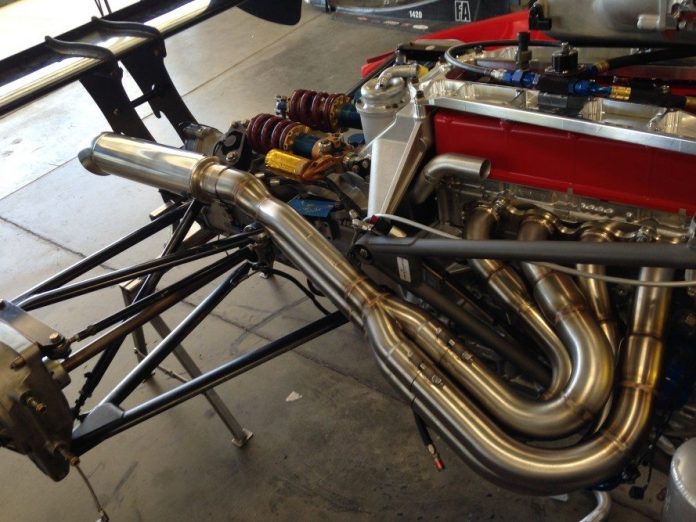
The post Automotive Exhaust Gas Velocity Optimization: A Pro Guide appeared first on JASMA.
]]>